
Modern life can quickly turn into pretending we’re not overwhelmed. But even if you feel like you’re holding it together, your body might disagree. There are clues that reveal you’re more stressed than you realize. Check out these 11 signs before burnout hits.
11. You’re Craving Salty or Sugary Snacks

When life feels overwhelming, do you ever find yourself reaching for candy or chips? That’s not random; it’s biology. Stress triggers cortisol release and this increases cravings for high-fat, sugary, and salty foods. These snacks give temporary comfort by dulling the stress response, but the relief is short-lived. Over time, this stress-eating loop can impact your energy levels and weight.
10. Your Vision Seems Blurry
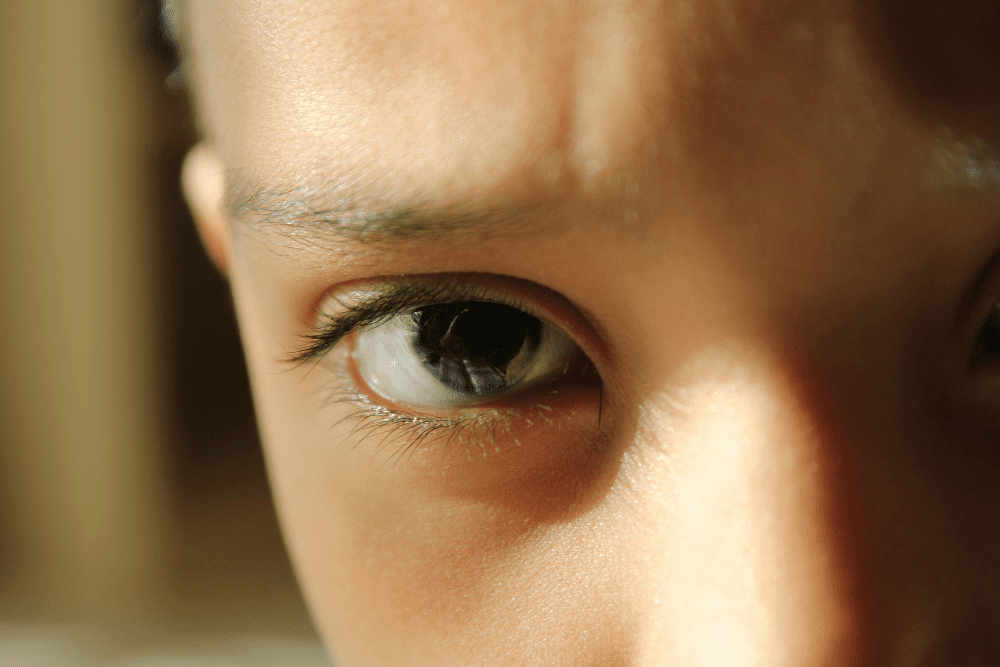
If your vision feels off lately, stress could be playing tricks on you. Chronic stress raises pressure inside the eyes, increasing the risk of glaucoma or optic nerve strain over time. It also reduces your blink rate, leading to dryness, irritation, and blurriness.
9. You “Zone Out” or Feel Emotionally Numb

When overwhelmed, your mind may “disconnect” as a way to defend against constant alertness. This emotional numbness or mental fog signals that your nervous system is overworked. While it seems like a harmless pause, it’s actually a sign to slow down and address your stress before burnout takes over.
8. You Grind Your Teeth or Clench Your Jaw

If you wake up with jaw tension, you may be grinding your teeth. This is a habit called bruxism, and stress and anxiety are major triggers. Over time, grinding wears down enamel, cracks teeth, and leads to jaw disorders. A night guard can help, but long-term relief comes from managing the stress causing all that clenching.
7. You’re Losing Hair

Noticing more strands in your brush or shower drain? Stress could be the reason why. High cortisol levels push hair follicles into a resting phase, leading to excessive shedding. While often temporary, the sight of thinning hair can add to your anxiety. But once stress levels stabilize, most people see hair growth return to normal.
6. Your Skin is Breaking Out

If you’re breaking out more than usual, stress might be the trigger. Cortisol spikes increase oil production in your skin, clogging pores and leading to pimples. Chronic stress also slows healing, so blemishes may linger longer. The frustration of breakouts can add more stress, creating a cycle that’s both emotional and physical.
5. You’re Getting Sick Often

If you seem to catch every bug, stress could be quietly lowering your defenses. Prolonged stress suppresses immune activity, reducing the body’s ability to fight off bacteria and viruses. When you get sick more often, remember that it’s also your immune system’s way of saying it needs rest, nourishment, and recovery.
4. You’re Experiencing More Digestive Issues

That uneasy stomach might be your stress talking. The gut and brain are connected, so chronic stress disrupts digestion and throws off your gut microbiome. You might notice cramps, bloating, constipation, or even flare-ups of IBS. These symptoms often ease when stress is managed.
3. You Can’t Sleep Even When Exhausted

Stress could be disrupting your body’s natural sleep-wake rhythm if you find yourself awake with racing thoughts despite feeling wiped out. When stress floods your system with adrenaline and cortisol, this keeps your brain alert long after bedtime. The result is poor-quality sleep that leaves you tired, anxious, and more prone to stress.
2. You’re More Irritable and Anxious Than Usual

Feeling snappy or constantly on edge? Chronic stress keeps your nervous system in “fight or flight” mode, flooding your body with adrenaline. In the long run, this heightened state can turn small annoyances into major irritations. The result: emotional outbursts and tension that strain relationships and mental health.
1. You Have Chronic Pain or Headaches

Persistent headaches, tight shoulders, or back pain can all be linked to stress. When you’re anxious, your muscles tense up instinctively, and staying in that state too long can lead to pain and stiffness. Stress also constricts blood vessels, which can trigger migraines or tension headaches.