
In a world saturated with wellness trends, we get caught up in the hype of many dietary supplements. However, many of the pills that you take and spend only do more harm than good. You end up spending your money on some of the most ineffective pills promising the best results. Today, we’re bringing you the 9 health supplements that waste your money, according to experts.
9. Ginkgo Biloba
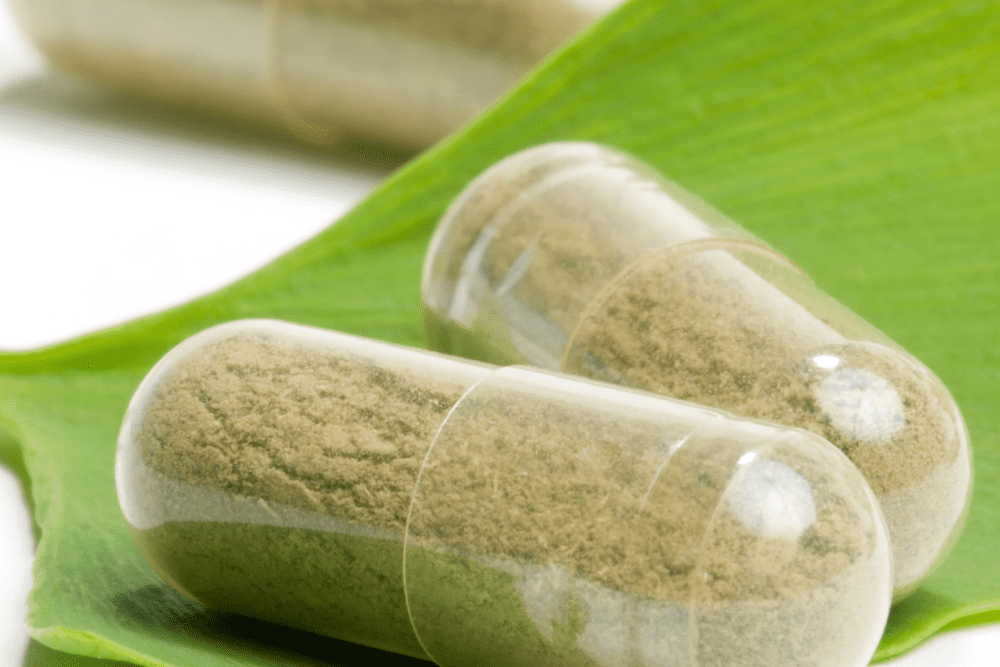
How many of you fell victim to the memory enhancer pill? That’s right, those are the Ginkgo Biloba supplements that lack solid scientific backing. There’s actually a six-year study that involves 3,000 older adults, and they found no difference in dementia or Alzheimer’s rates between the ginkgo and placebo groups. Even the NCCIH said that there’s actually no conclusive evidence that ginkgo helps you in any health condition.
8. Green Coffee Bean Extract
This is a weight-loss supplement that is filled with chlorogenic acid. Claims include boosting your metabolism and reducing fat absorption. However, the NIH stated that the human trials are poorly designed, showing mixed results. It is also found that it can reduce your weight but not body fat, which suggests water or muscle loss instead.
7. Raspberry Ketones
This supplement is made popular as a miracle weight-loss aid, but there is minimal scientific support for this. The National Institute of Health said that there is only one human study that exists where they combined the ketones with multiple other ingredients, which makes the results impossible to attribute. Also, test-tube and animal studies are limited in making conclusions about the supplement’s benefits to humans.
6. Detox and Cleanse Products
The popularity of detox products is all marketing hype. There’s actually no compelling research that supports detox diets for weight loss or toxin elimination. In fact, your liver and kidneys are already efficient when it comes to detoxifying. Also, many of these products contain laxatives, which cause dehydration and electrolyte imbalance.
5. Garcinia Cambogia
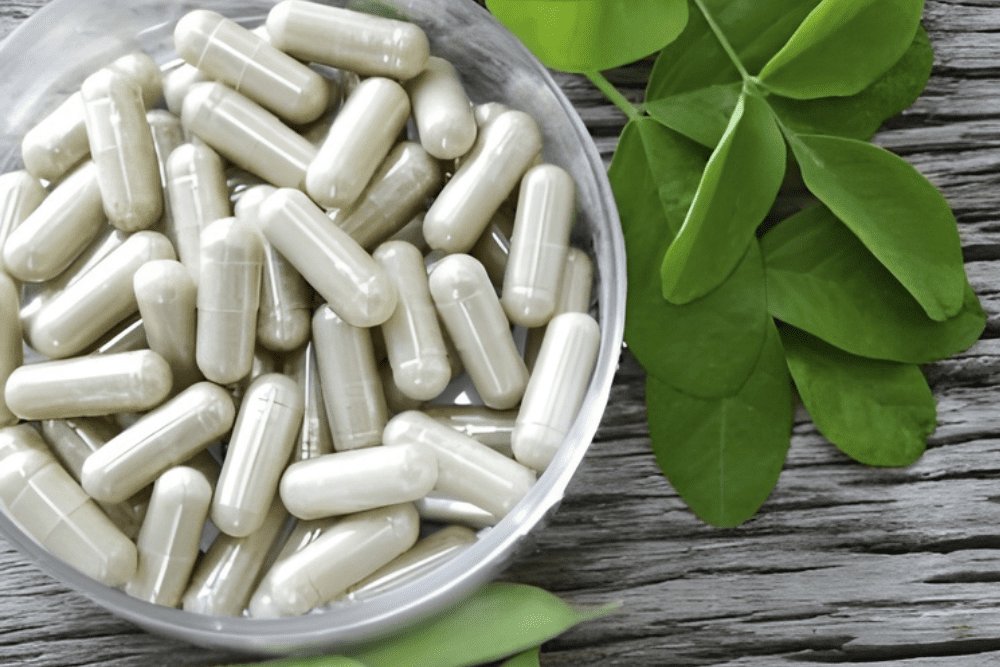
This tropical fruit extract has been marketed for weight loss for years. However, research about it is conflicting and of poor quality. The Federal Trade Commission actually debunked those weight-loss claims, as it labeled the stories as false. There are even potential serious side effects for severe liver problems. It’s better to skip this one!
4. St. John’s Wort
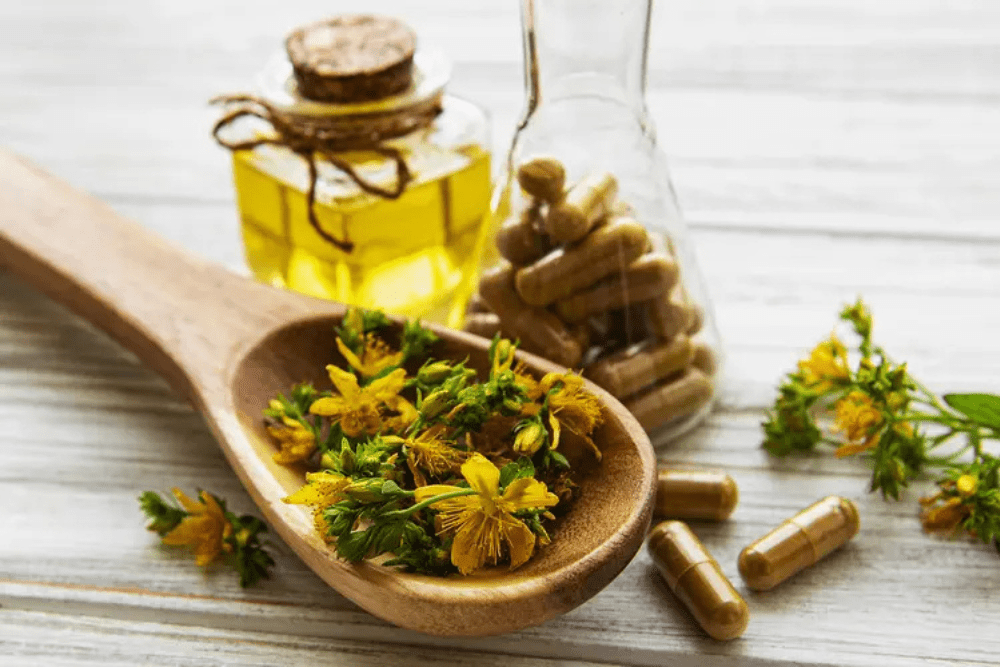
St. John’s Wort is actually known to be used for depression and sleep issues. However, they come with risks as they can interfere with other prescription medications. Bad effects include reducing the effectiveness of birth control and interacting badly with other medicines in your system. The Food and Drug Administration doesn’t regulate supplements for safety, as the herb requires extreme caution and medical consultation before use.
3. Vitamin E
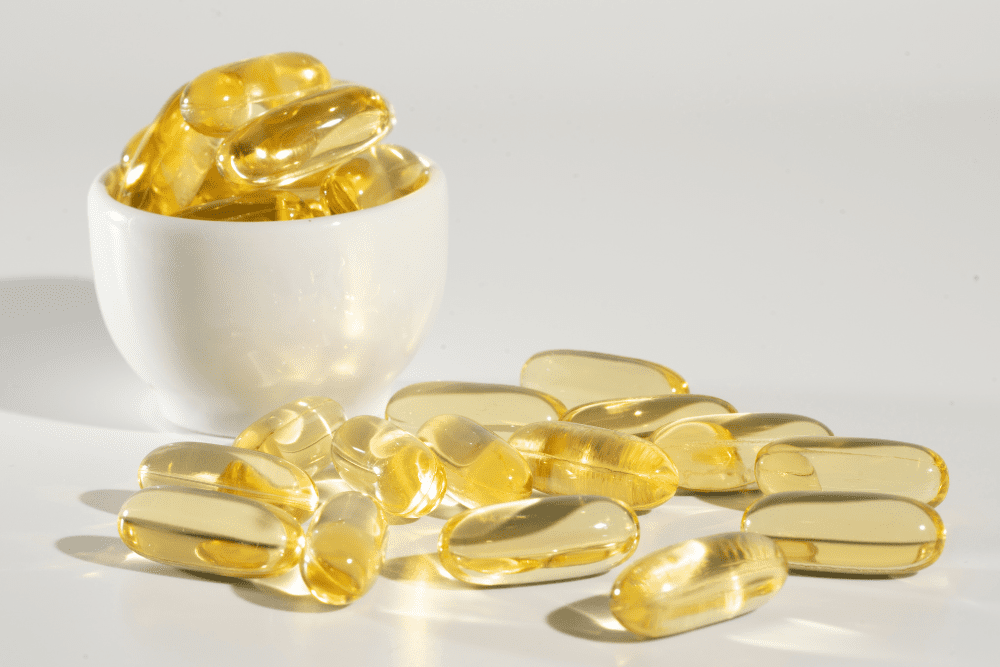
Another antioxidant that doesn’t fulfill its promises is Vitamin E. In fact, the United States Preventive Services Task Force recommends against its use for the prevention of heart disease and cancer in healthy adults, as it won’t deliver its supposed protective benefits. The excess ingested by your body will be flushed out, making them both ineffective and a waste of money.
2. Beta Carotene
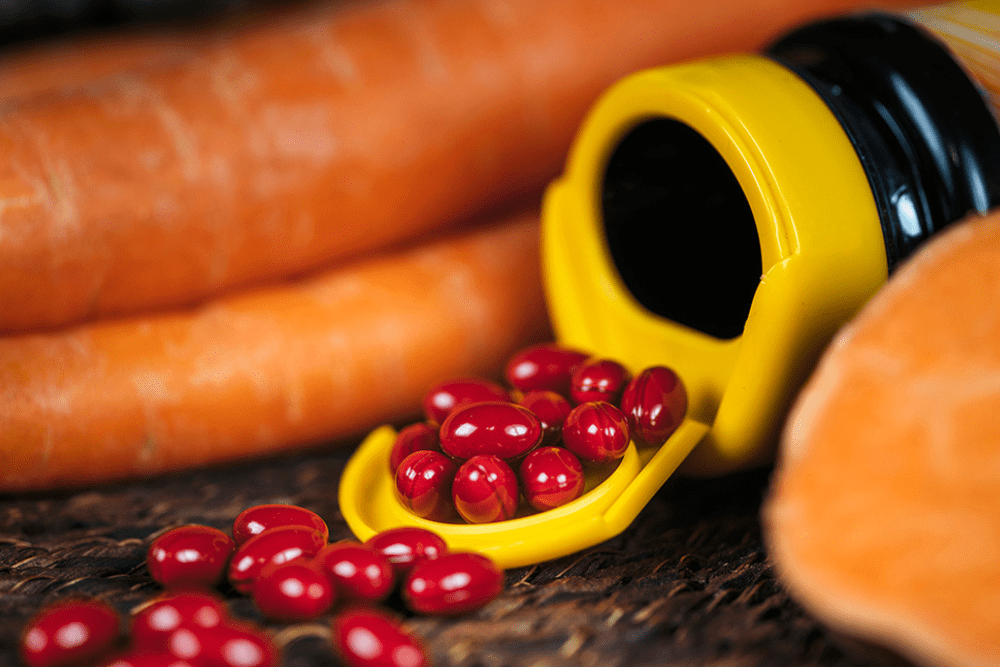
Beta carotene supplements in the market promise antioxidant benefits. However, the United States Preventive Services Task Force recommends against its use to prevent heart disease and cancer. These supplements are actually found to increase the cancer risk among smokers and those with asbestos exposure.
1. Chromium
Chromium is promoted for the regulation of blood sugar and athletic performance. But despite the eight decades of research, there’s little evidence that points to the health benefits. The European Food Safety Authority actually found no convincing evidence that chromium is needed for the body.