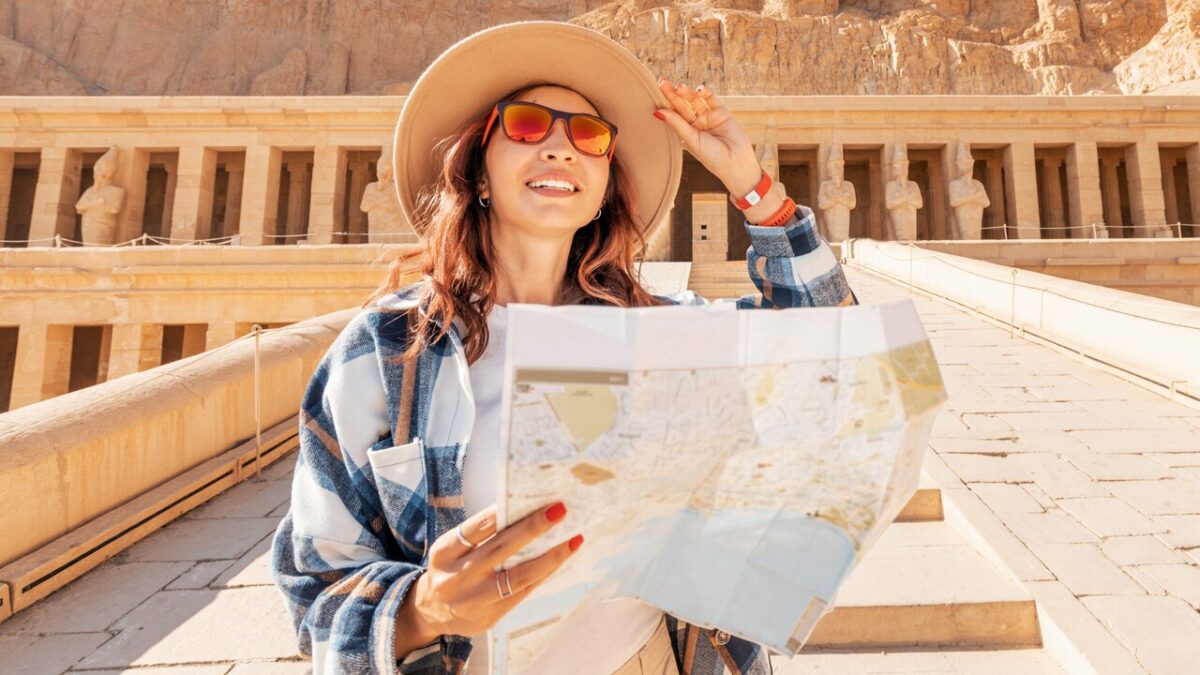
Some cities don’t just tell stories; they are the stories. Before skyscrapers and smartphones emerged, there were ancient hubs alive with art, trade, and innovation. Today, they’re calling curious travelers willing to step back in time. Here are eight ancient cities you can still visit today.
8. Petra, Jordan
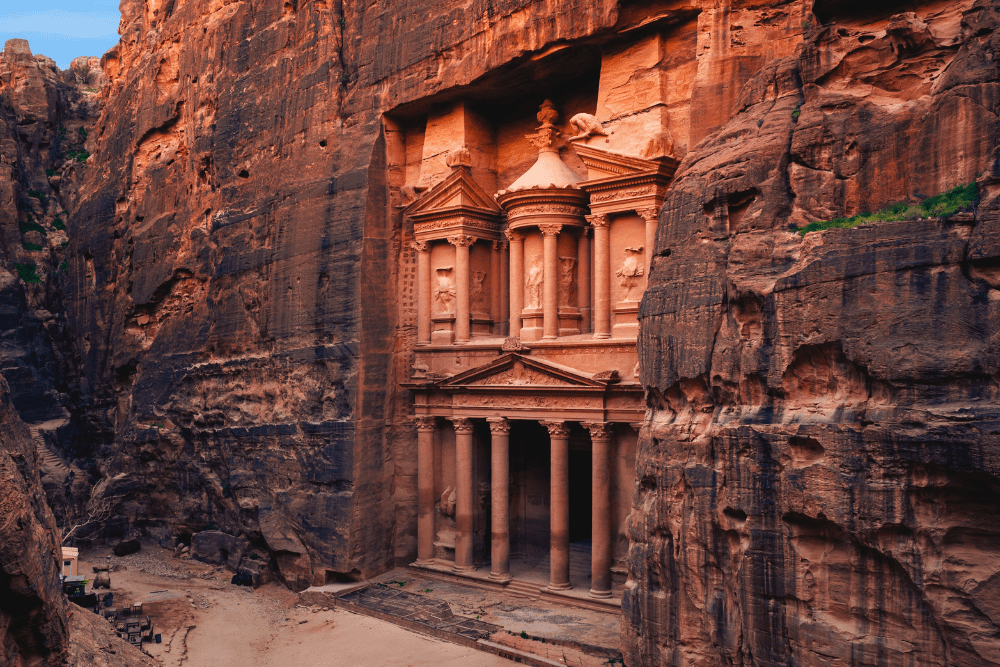
You probably know Petra’s iconic Treasury from Indiana Jones and the Last Crusade, but get this: a secret tomb was just discovered beneath it in October 2024. Archaeologists unearthed 12 complete skeletons, which is a first for Petra where only fragments were found before. This 2,000-year-old find will change our understanding of the Nabataeans who carved this rose-red city from desert cliffs. One skeleton was even found holding a ceramic vessel similar to the movie’s famous chalice.
7. Pompeii, Italy
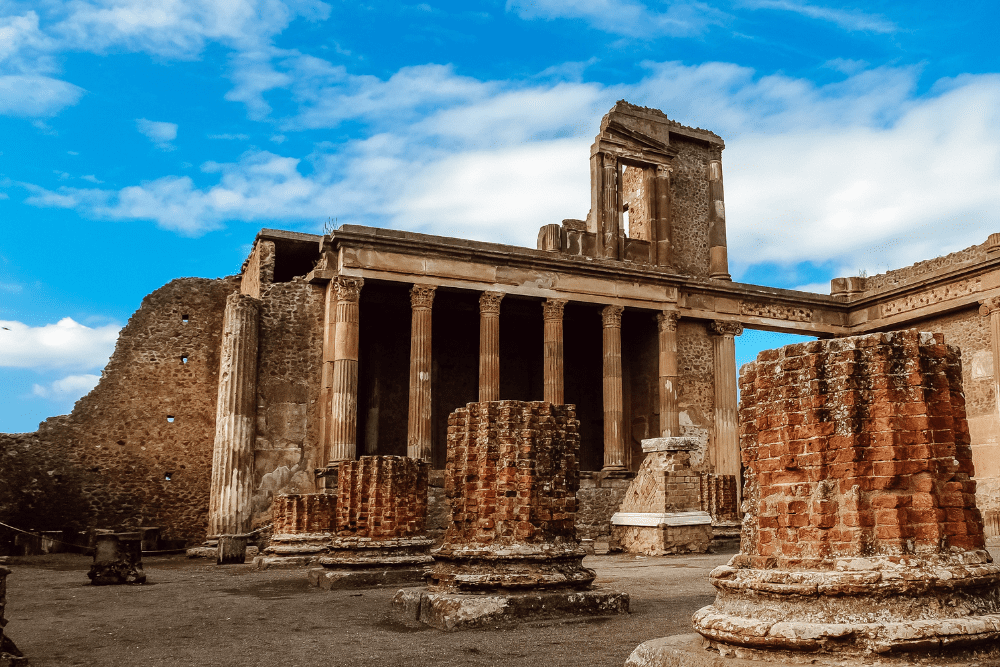
In January 2025, archaeologists unveiled a “once-in-a-century” discovery: a luxurious private bathhouse, complete with exquisite artwork and a plunge pool that could fit 20 people. This spa was found in a wealthy residence that was mid-renovation when Vesuvius erupted in 79 CE. The discovery adds to the well-preserved streets, villas, and public buildings in Pompeii that give a glimpse into what life was like nearly 2,000 years ago.
6. Angkor Wat, Cambodia
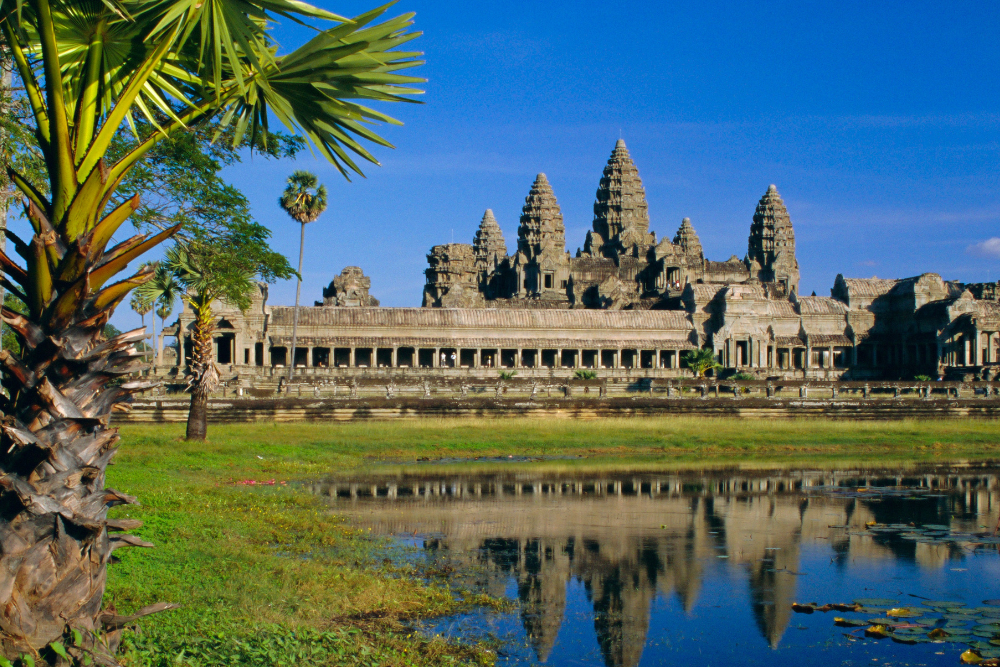
While Angkor Wat was overtaken by the jungle, the local people never forgot about it and continued to hold the temples sacred. Additionally, modern technology revealed an urban center that was larger than previously imagined. Using aerial laser scanning (LiDAR), researchers uncovered a vast city grid hidden beneath the forest floor, complete with reservoirs and canals, proving Angkor was the most extensive urban complex in the pre-industrial world.
5. Machu Picchu, Peru

In Machu Picchu, recent LiDAR scans in 2024 revealed previously unknown Inca structures and agricultural terraces hidden beneath the dense vegetation on the surrounding mountainsides. In addition to this, you’ll be blown away by the stunning views of Andes when you take a scenic train ride. For the adventurous, there’s the Huayna Picchu with ancient paths and incredible views.
4. Mesa Verde, USA
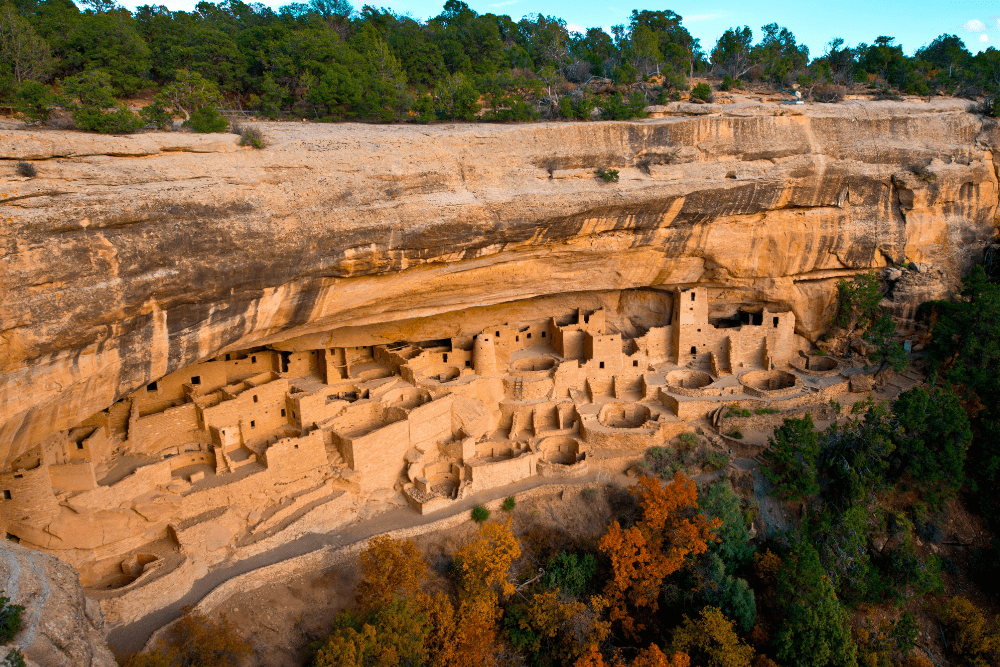
In the cliffs of southwest Colorado, the Ancestral Puebloans built a city of over 600 cliff dwellings. But you had no idea this was a bustling metropolis abandoned in a single generation. For over 700 years, thousands of people farmed here until a 24-year drought in the late 13th century forced a complete migration. The city wasn’t destroyed and the people simply left, leaving behind a preserved ghost town.
3. Xi’an, China
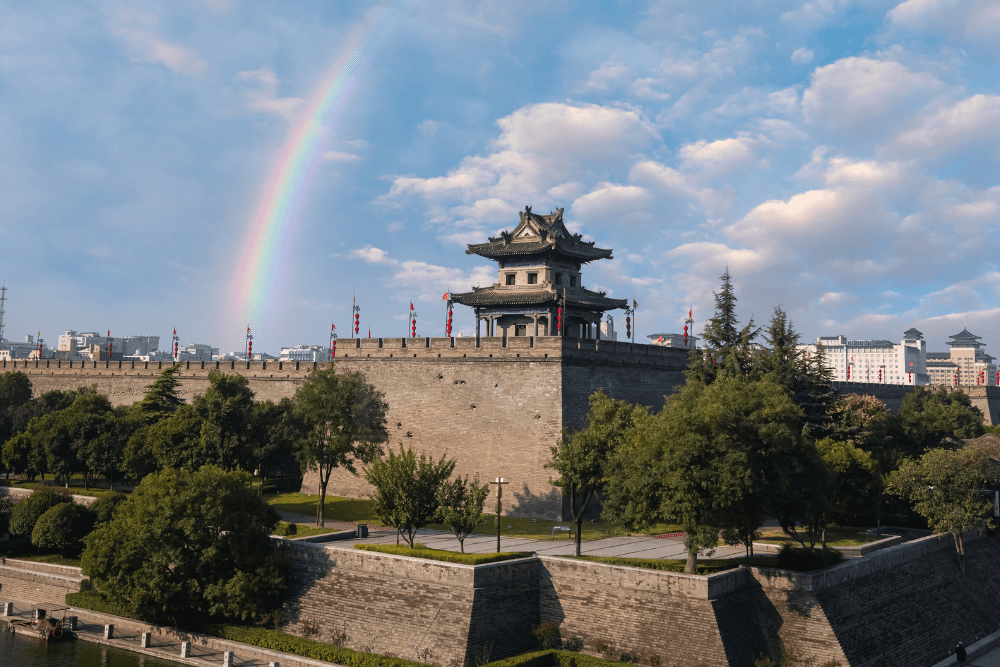
Most history buffs know about the 8,000 Terracotta Warriors buried with China’s first emperor, Qin Shi Huang. But here’s the secret: each warrior is a unique, individual portrait. No two faces are alike, and they represent a real, multi-ethnic army ready for battle in the afterlife. Also, there’s the city wall of Xi’an, which you can still bike on today, built just decades after the emperor’s death.
2. Luxor/Thebes, Egypt
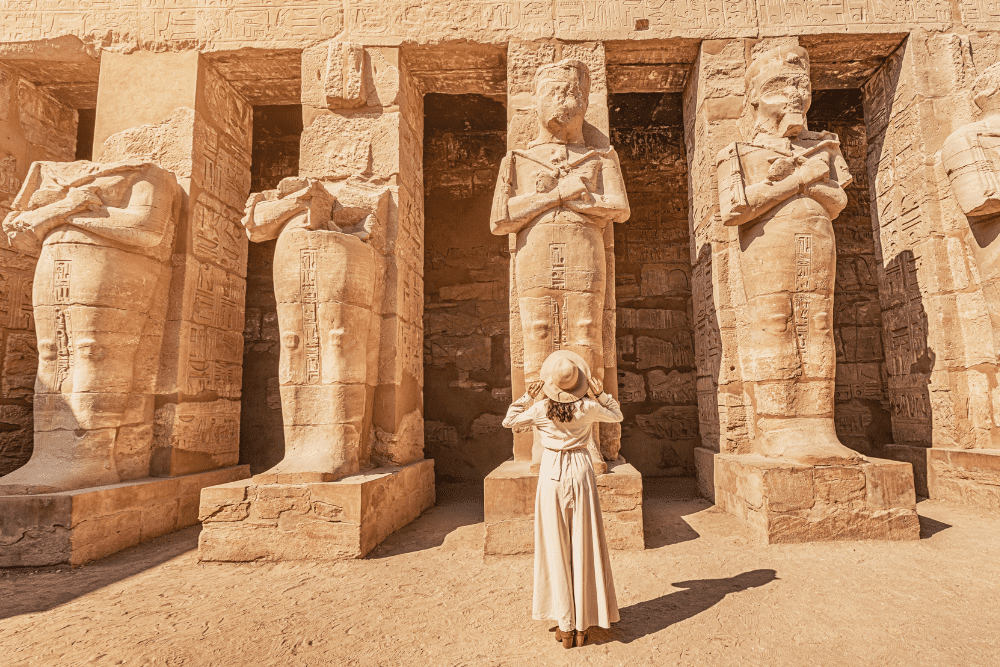
Dubbed the “world’s greatest open-air museum,” Luxor (ancient Thebes) is home to the famous Karnak and Luxor temples. These two temple complexes, located miles apart, were once connected by a nearly two-mile-long Avenue of Sphinxes. Lined with over 1,000 sphinx statues, this way was only fully excavated and opened to the public in 2021. Walking this ancient road lets you to retrace the steps of pharaohs from over 3,000 years ago.
1. Athens, Greece
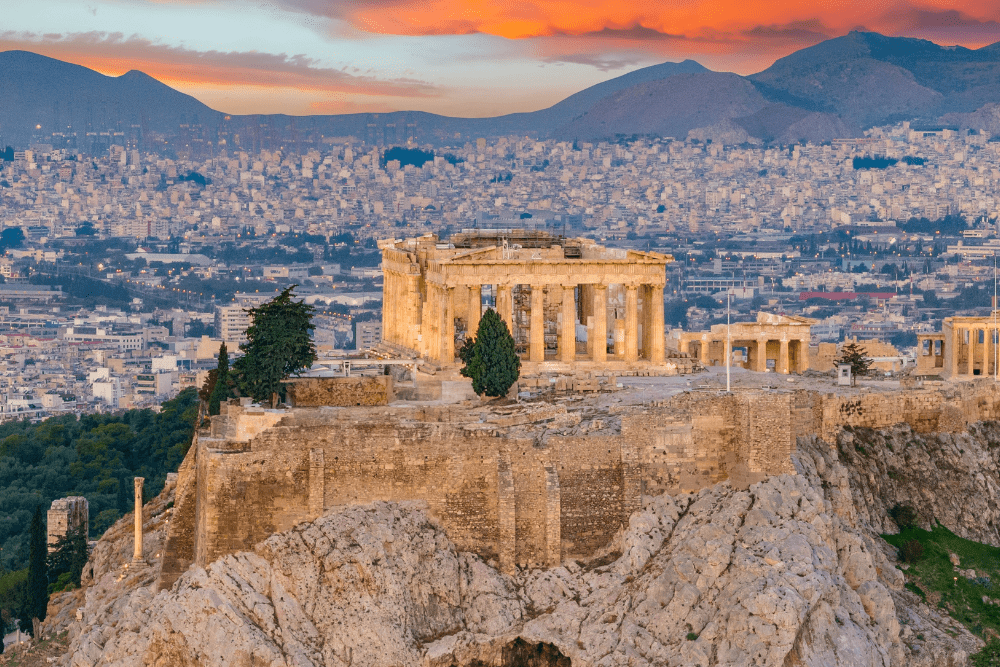
Athens is known as the birthplace of democracy, but the system was far more radical than you might imagine. On Pnyx hill, any male citizen (over the age of 18) could vote, speak to the assembly, propose laws. Even more surprising is that many public officials were chosen by lottery from a pool of volunteers. A trip to Athens takes you back to the radical equality that shaped the course of Western civilization.