
On the hunt for the most colorful places on Earth? Today, we’re taking you to the canals of Europe, to the painted houses in Canada where communities breathe new life into their streets. These vibrant neighborhoods are something you’ll add to your travel goals to see how other cultures help color the world. These are the stories behind the most colorful streets.
10. Rue Crémieux (France)
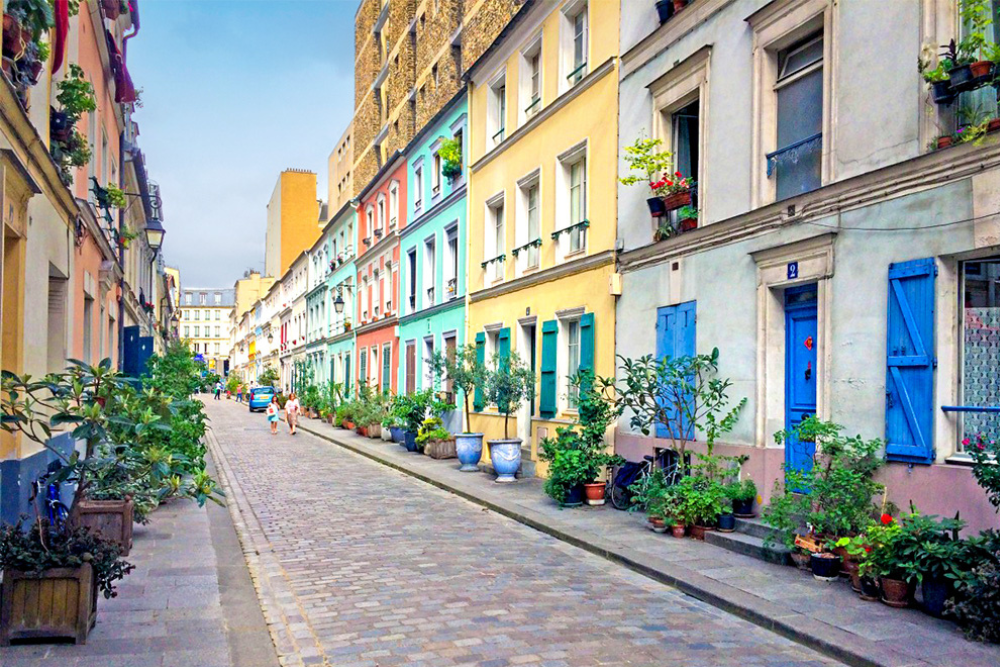
Hidden in Paris’ 12 arrondissement is the Rue Crémieux, which is a pastel-painted passage. It reminds you of a secret garden through its candy-colored passages. It was a once-quiet residential lane that attracted photographers. However, residents value privacy as it is located in a residential area.
9. Nyhavn (Denmark)
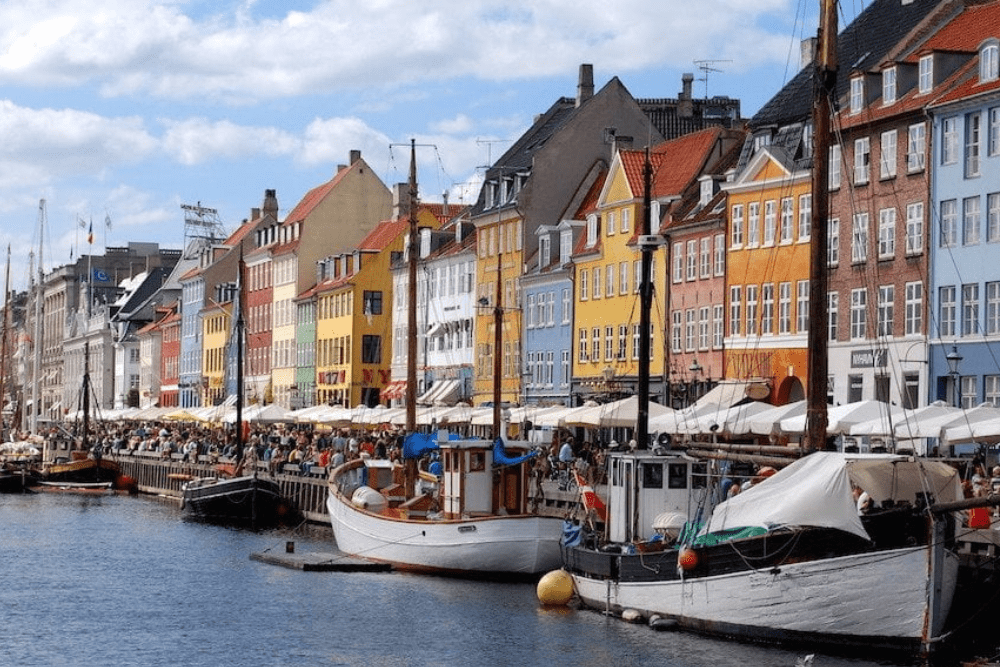
Love coffee? Then you’ll want to visit this once 17th-century port. Nyhavn is Copenhagen’s postcard-like harbor because of its rainbow-colored townhouses lining the canal. It captures the city’s maritime roots, where you can enjoy a coffee in one of its many cozy cafes while reading a good book.
8. Balat (Turkey)
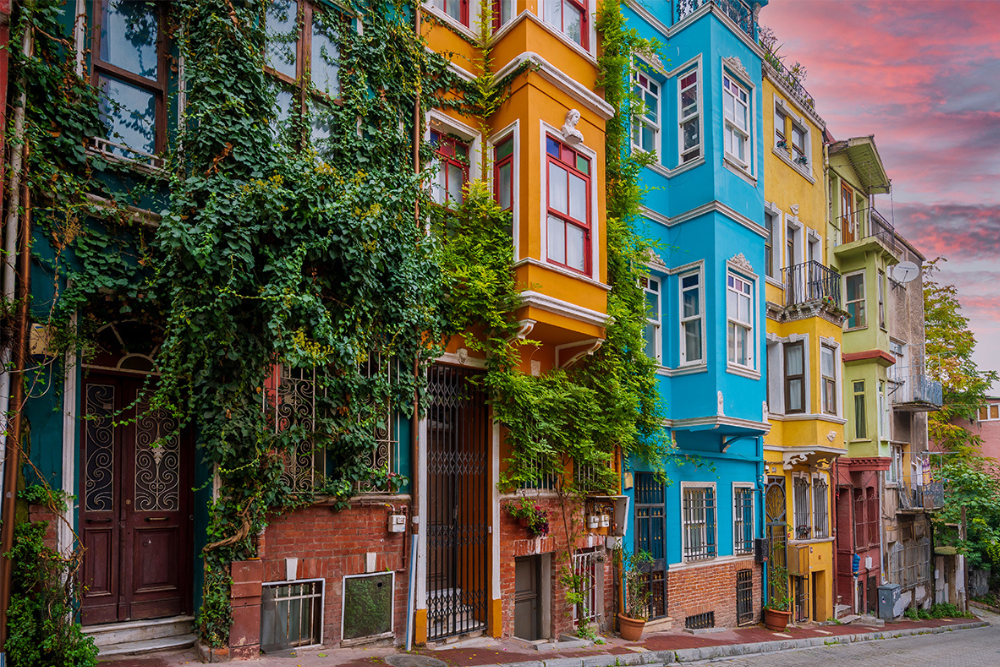
This place has been home to the Jewish and Greek Orthodox families for centuries. Balat is one of Istanbul’s oldest and diverse districts, where you’ll see historic wooden homes with some over 200 years old. The neighborhood was actually restored as a UNESCO Cultural Heritage project, where you’ll spot a living museum of multicultural history, where synagogues, churches, and mosques stand.
7. Jellybean Row (Canada)
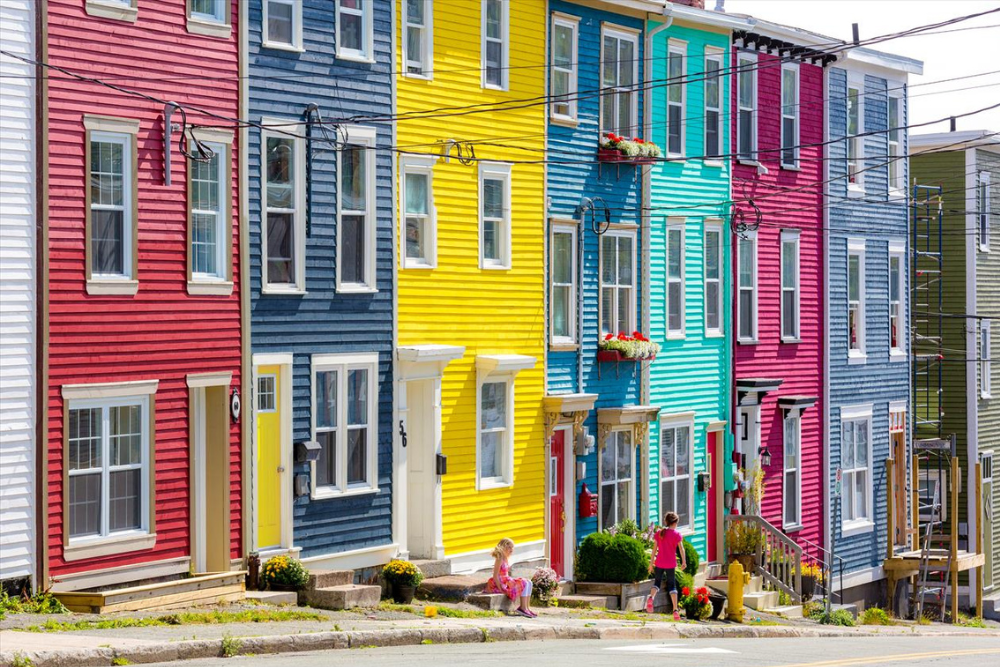
The brightly painted wooden house of the Jellybean Row will attract tourists. It’s a cheerful lane against the often gray skies of St. John’s. The tradition of the popping colors is actually a reflection of the city’s colorful character, which is a necessity in the harsh North Atlantic climate. The tradition is said to help fishermen find their way home through the rough fogs.
6. Procida (Italy)
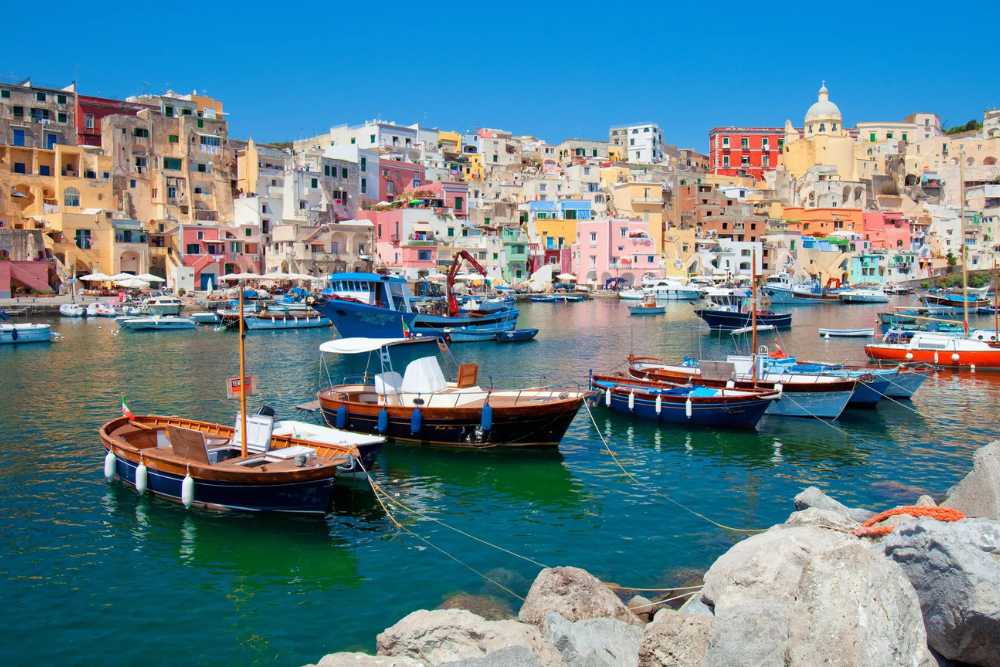
The small island of Procida is named as Italy’s Capital of Culture for 2022. It’s located in the Bay of Naples, which serves as a hidden gem. They have pastel-hued houses stacked like colorful blocks in the Marina Corricella. It remains untouched by mass tourism, which gives off an authentic Italian experience.
5. Burano (Italy)
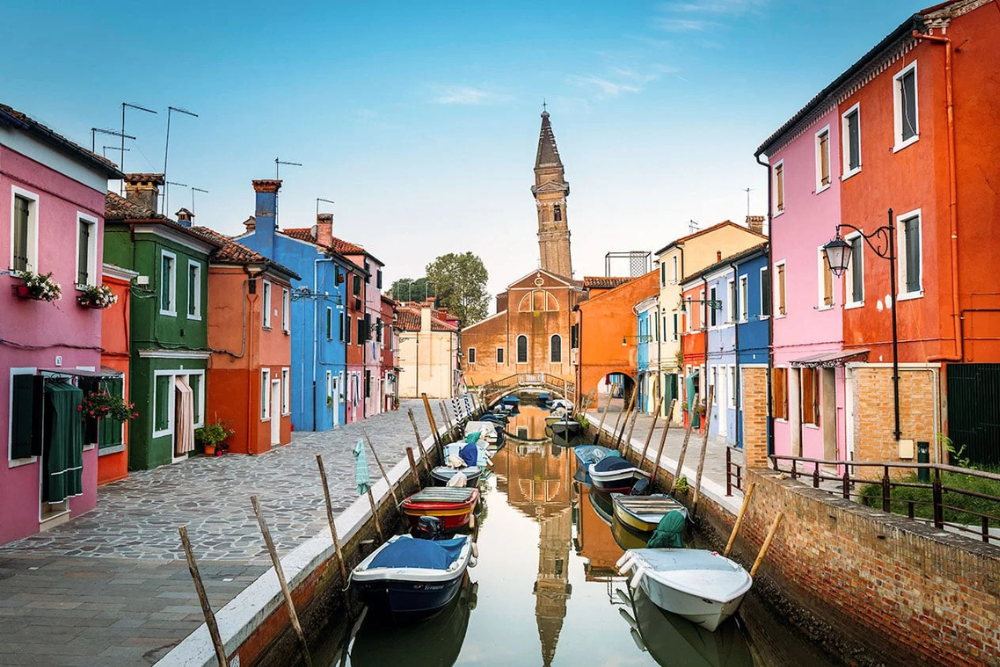
There’s a legend that fishermen of Burano painted their houses in bright and distinct colors so they could navigate their way home even in the thick fog of the Venetian lagoon. The tradition still continues up to this day, as homeowners are required to get government approval for their chosen color. The result? A colorful island where the colors get refreshed every two years.
4. Guatapé (Colombia)
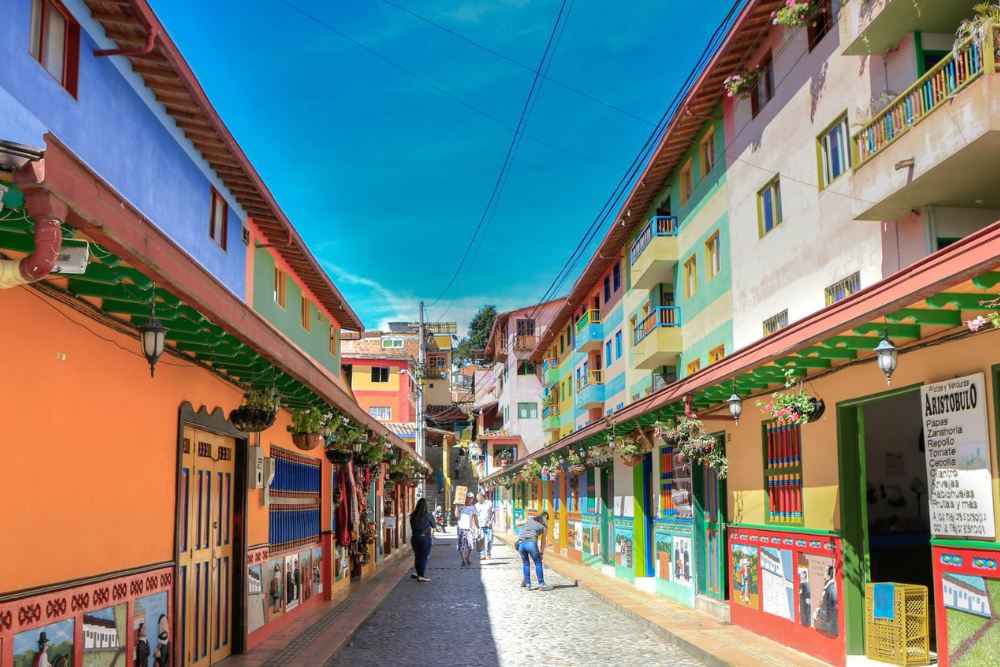
Guatapé is known as the most colorful town in the world. The town is actually famous for its zócalo or fresco-like panels seen in the lower half of buildings. The tradition started about a century ago, and it has transformed the town into a living art gallery. Some zócalos depict scenes from the town’s history, while others advertise local businesses.
3. Bo-Kaap (South Africa)
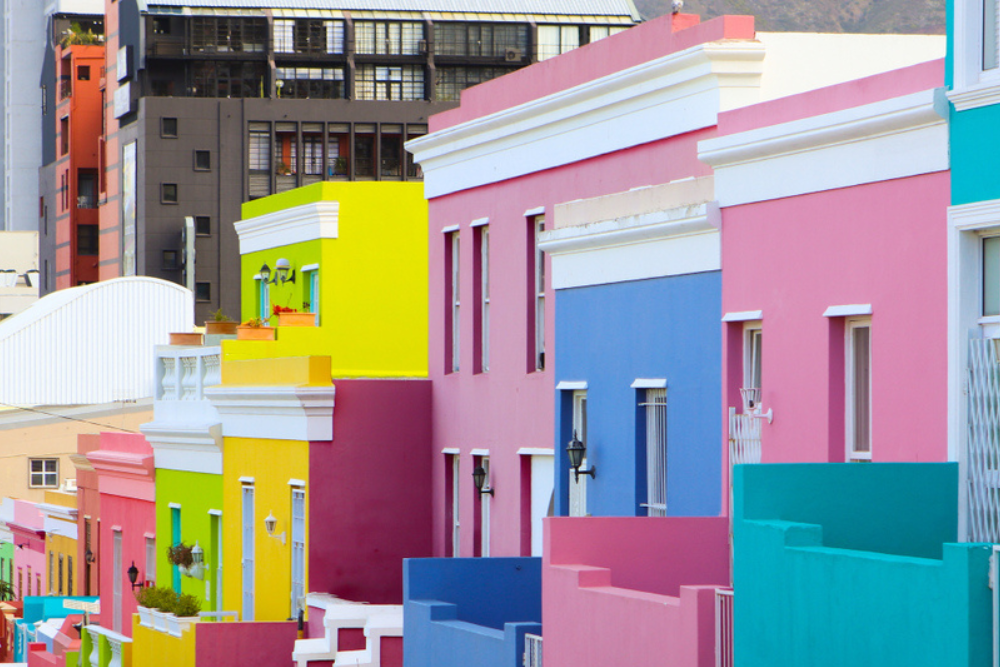
The story behind the vibrant colors of Bo-Kaap in Cape Town is a celebration of freedom. After the abolition of apartheid in 1994, the residents who many are descendants of slaves from Malaysia and Indonesia, painted their homes in bright and joyful colors. Why? Previously, all of their houses were required to be white.
2. Comuna 13 (Colombia)
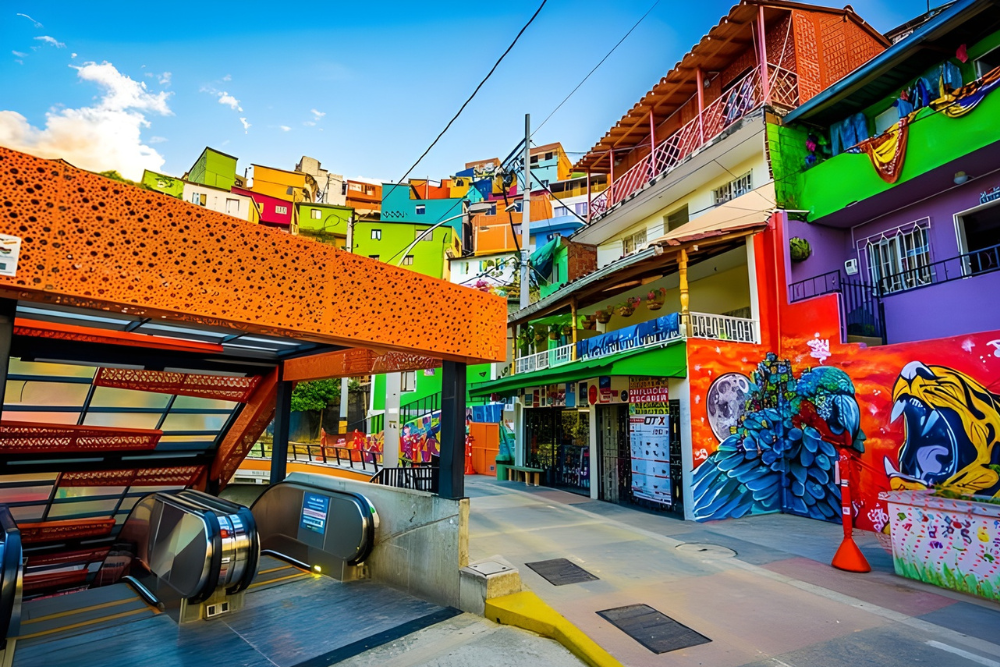
Comuna 13 in Medellin was once considered the most dangerous neighborhood in the world. Now, it has transformed with the installation of a series of outdoor escalators in 2011. It connected the isolated hillside community to the city below. Today, the neighborhood is alive through street art, music, and dance. There are even community murals that depict their journey from violence to peace.
1. Kampung Pelangi (Indonesia)
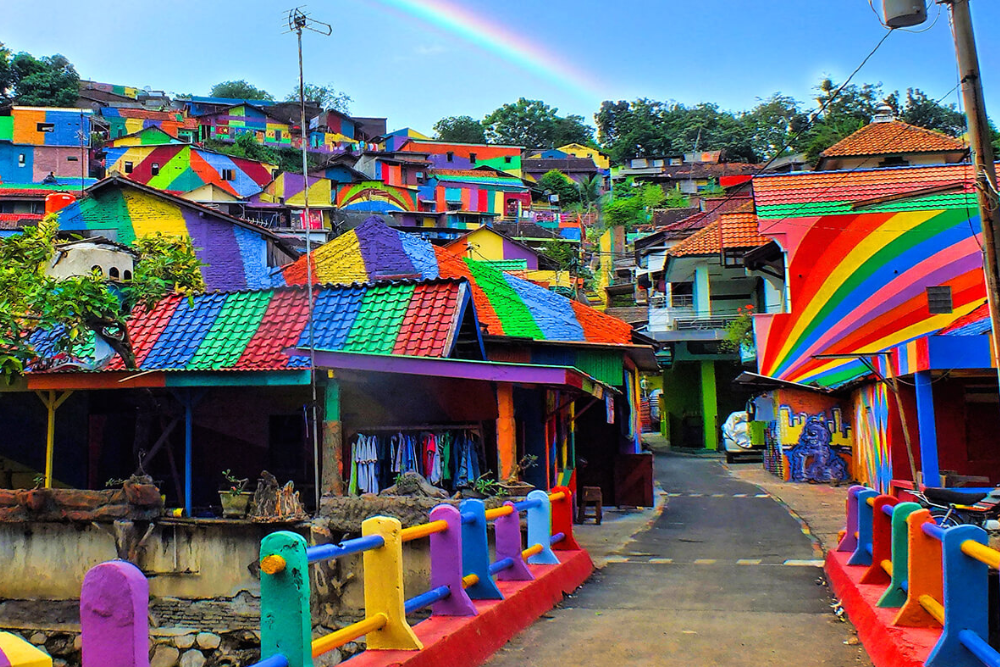
Kampung Pelangi once housed a small, struggling slum that transformed into a Rainbow Village. The local government invested $22,500 to paint 390 homes in different colors. Today, the once-drab village is a major tourist attraction where residents earn income from selling food and souvenirs.