Book banning was a thing of the past, where people weren’t allowed to read certain books, as it would give them ideas about their leaders or rulers. But in modern society, everyone has the privilege to read any book that they want. However, book banning still happens, which challenges age-appropriateness or content for a really bizarre reason. Today, we’re bringing you 9 titles that faced the strangest challenges and bans.
9. Brown Bear, Brown Bear, What Do You See? by Bill Martin Jr.

This 1967 children’s book was designed to teach toddlers about colors and animals. However, in 2101, the Texas Board of Education added the book to the list of their prohibited books. The reason behind this confusion is that the board mixed up the author, Bill Martin Jr., with Bill Martin, a philosopher and author of Ethical Marxism: The Categorical Imperative of Liberation. With that, a board member admitted that they weren’t doing research and just trusted one of their colleagues who flagged the author due to his critiques on capitalism.
8. Junie B. Jones series by Barbara Park
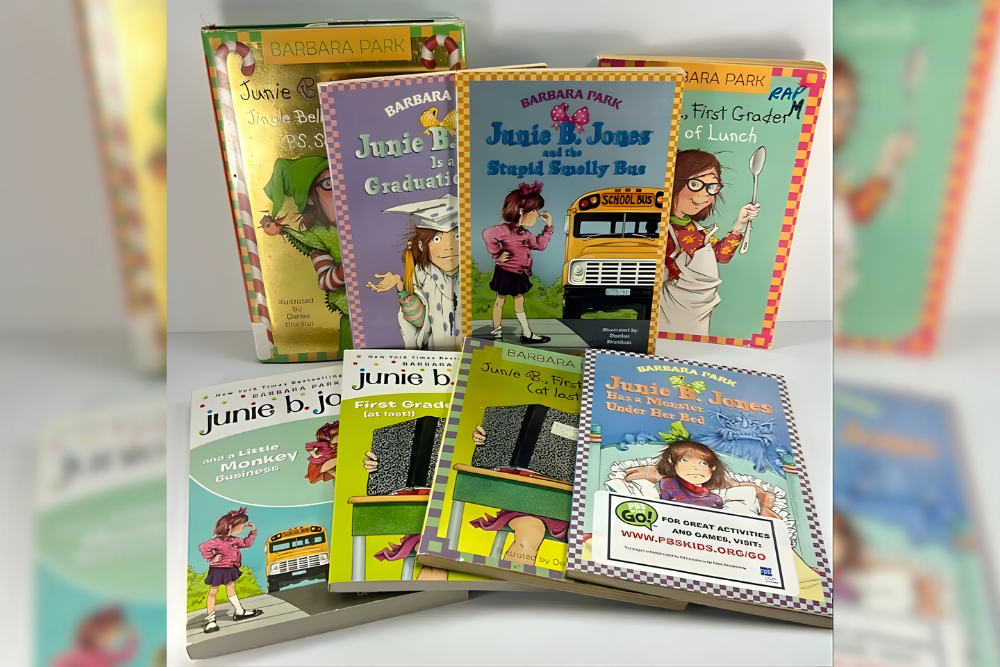
Believe it or not, the Junie B. Jones’ series became one of the “challenged” books by critics from 2000 to 2009. The reason? Junie B.’s poor grammar hinders a child’s language development. Well, in defense, Junie B. is a kid with flawed English, which makes her portrayal real.
7. Little Red Riding Hood, illustrated by Trina Schart Hyman
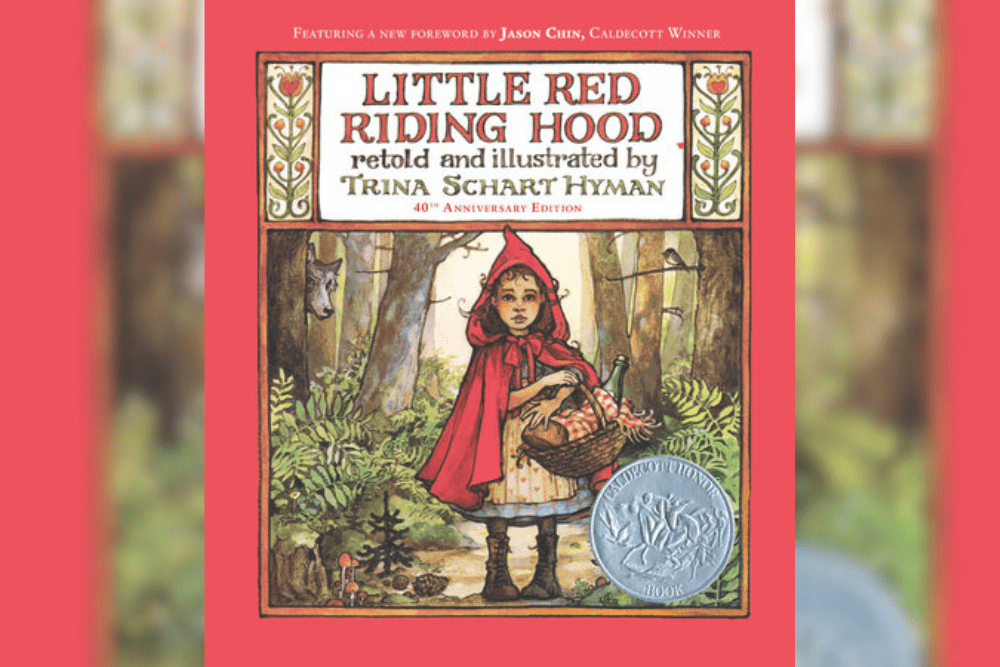
Trina Schart Hyman’s 1983 Caldecott Honor-winning version of this classic fairy tale was banned in two California school districts in 1990. It’s because of a single illustration which shows Little Red Riding Hood carrying a basket with a bottle of w*ne for her grandmother. The decision was actually met with protests from teachers who called the censorship against a beautifully illustrated and award-winning book.
6. The American Heritage Dictionary
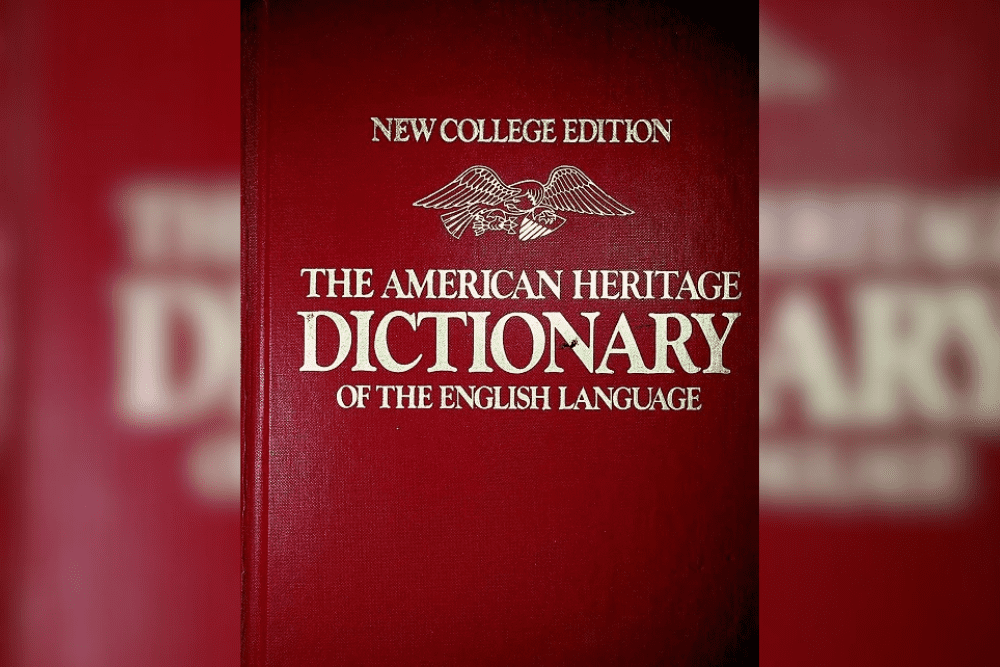
Yup, even dictionaries get banned. Back in 1976, the American Heritage Dictionary was banned from schools in Anchorage, Alaska, and several cities across the United States. One group called People for Better Education identified around 45 objectionable slang definitions of words like “bed,” “knocker,” and “balls.” They were deemed too vulgar for students. However, this controversy led to a surge in local sales of the dictionary.
5. Tarzan series by Edgar Rice Burroughs
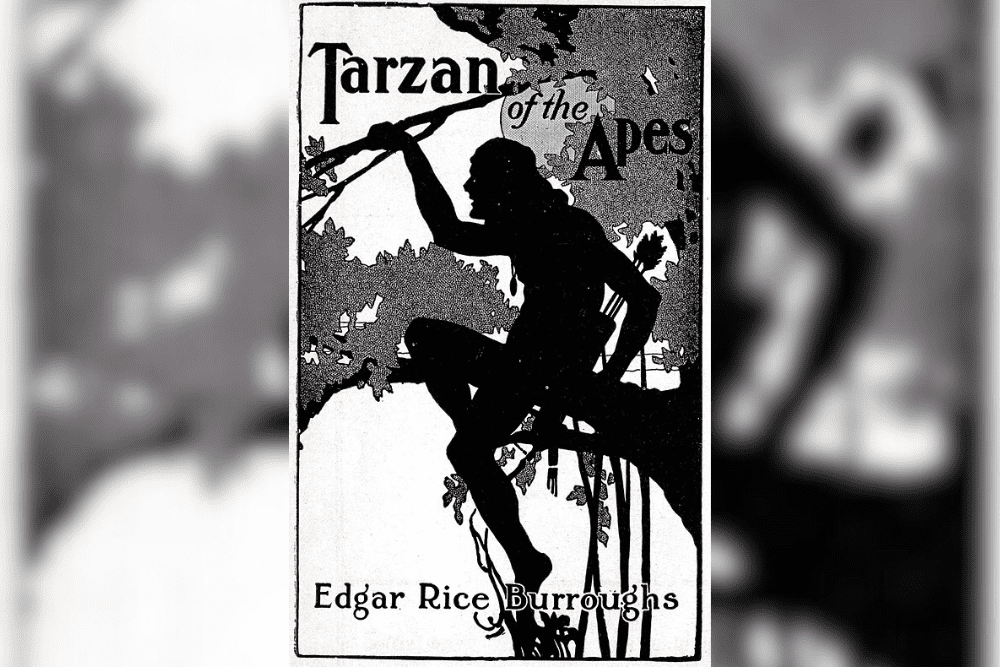
Tarzan of the Apes was made in 1912, but the town of Tarzana, California, had a problem with it. In the 1930s, the public library pulled the books off its shelves because of a moral objection. The reason? There was no evidence that Tarzan and Jane had been married before they cohabited in the jungle. The author’s estate came to the book’s defense, saying that the couple had an exchange of vows with Jane’s father officiating. Still, the ban went on.
4. Alice’s Adventures in Wonderland by Lewis Carroll
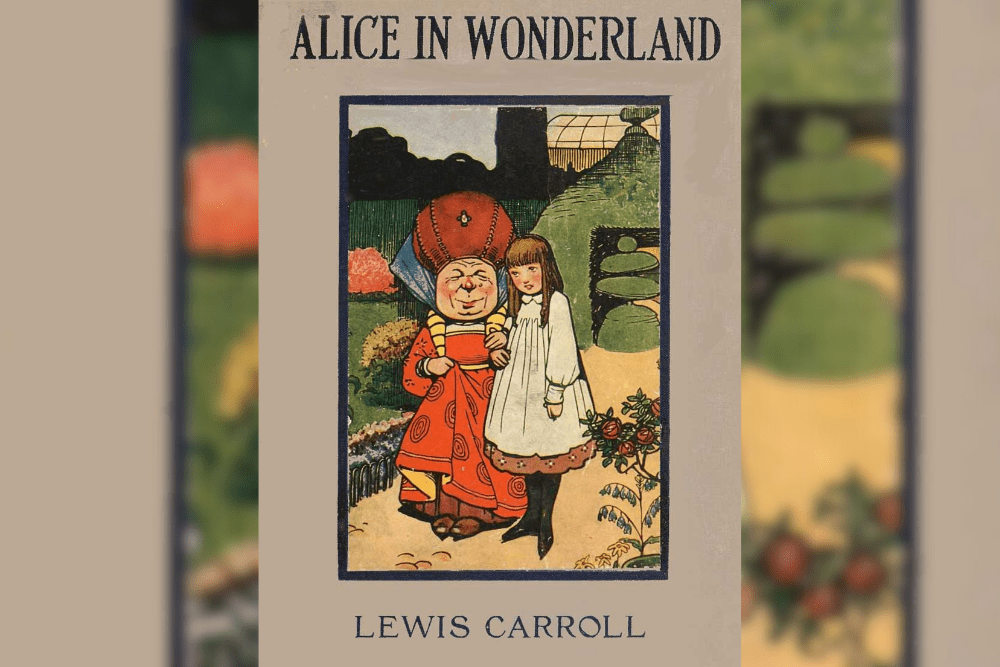
Lewis Caroll’s 1865 work was actually banned in 1931 by the Governor of Hunan Province in China. It was declared that animals should not use human language, and it’s actually disastrous to put animals and humans on the same level. You may think the reason is absurd, but hey, that’s why it secured a place on this list.
3. Charlotte’s Web by E.B. White
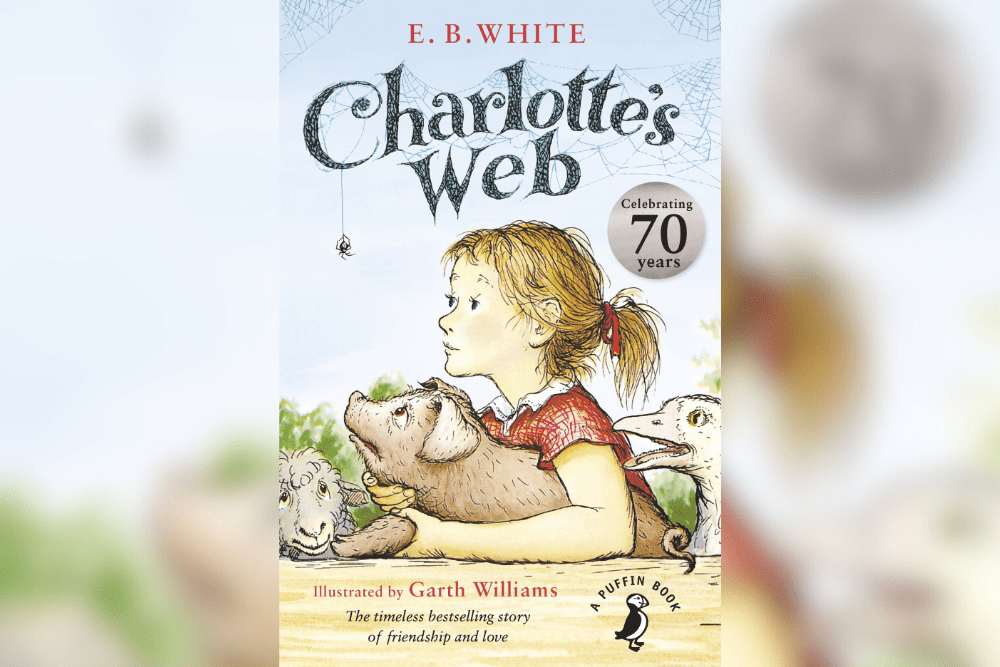
E.B. White’s 1952 classic about a friendship between a pig and a spider was challenged by a parents’ group in a Kansas school district back in 2006. They wanted the book to get banned because of its themes about death, while arguing that talking animals are “unnatural and blasphemous,” as humans are the highest level of God’s creation.
2. The Lorax by Dr. Seuss

Dr. Seuss’ 1971 environmental fable talks about trees while it critiques corporate greed and deforestation. That message was challenged by a logging community in Laytonville, California, in 1989. The community felt that the book portrayed their profession unfairly in a negative light. With that, one family from the timber industry actually sponsored a rebuttal book called The Truax to show a pro-logging perspective.
1. Hansel and Gretel by the Brothers Grimm
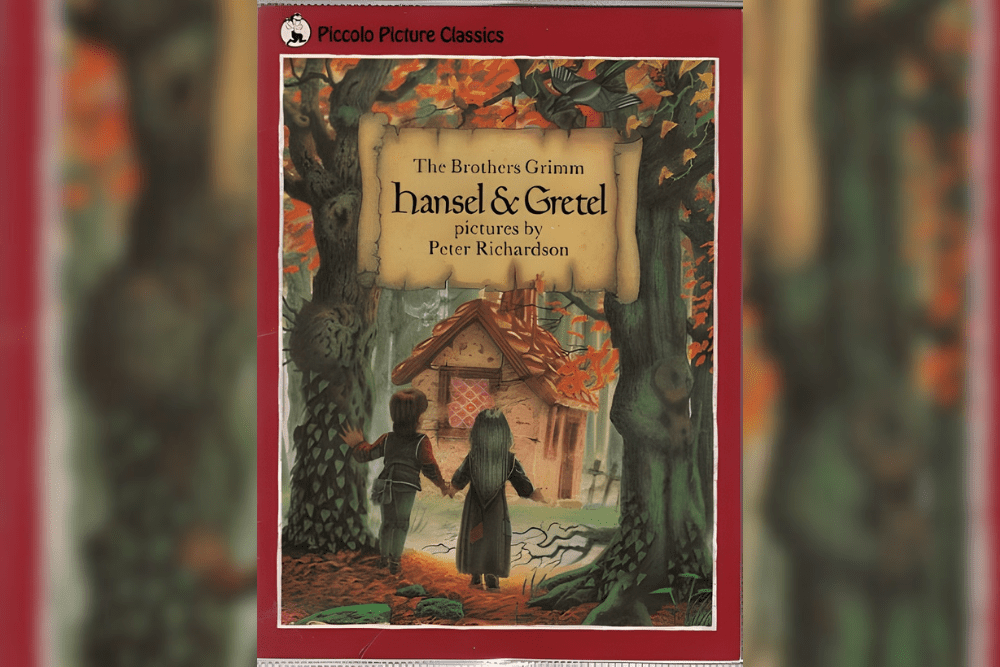
This classic 1812 fairy tale about two children who outsmarted a witch was actually challenged in Concord, California. In 1992, two self-proclaimed witches argued that the story gives witches a bad name with a negative stereotype. As we all know, the story depicted a child-eating and villainous witch, which was complained that it maligns the reputation of witches.