
From the White House to Central Park, the landmarks we associate with beauty and liberty often hide dark truths. Many US landmarks were indeed shaped by displacement, slavery, and injustice. Here are eight of those sites and their pasts that tell a far more complicated story.
8. The White House
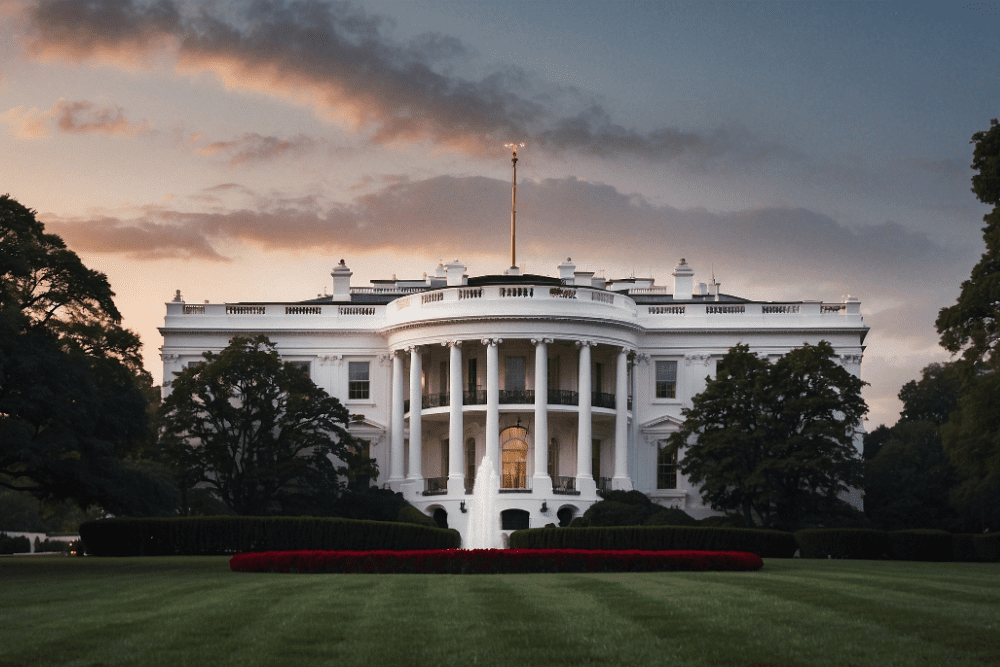
The White House, although a global symbol of democracy, was built largely by enslaved African Americans between 1792 and 1800. Facing a labor shortage, the US government rented enslaved workers from owners in Maryland and Virginia. These men received no pay for their backbreaking work, revealing that the home of the “leader of the free world” was built by people who had no freedom themselves.
7. The Statue of Liberty

The Statue of Liberty’s broken chain at her feet symbolizes freedom from oppression. Conceived by French abolitionist Édouard de Laboulaye, it honored the Union’s victory and the end of slavery. Yet at its 1886 unveiling, racist realities of the time made it impossible for the full inclusion of Black Americans in the ceremony. For many, the statue represents both hope and a promise of equality.
6. The Alamo
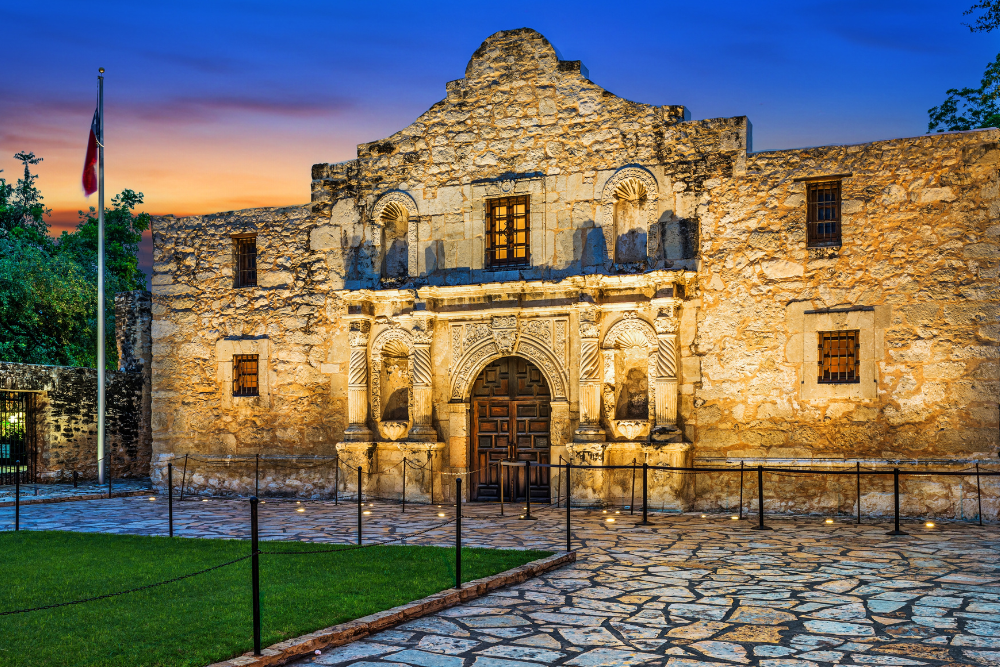
The Alamo is remembered as a heroic fight for independence, but it has darker roots. Before the 1836 battle, the mission relied on forced labor under Spanish rule. Later, many Anglo settlers fought not for liberty, but to preserve slavery after Mexico outlawed it in the ’80s. For them, Texas independence meant protecting a brutal system of human bondage.
5. Fort Sumter
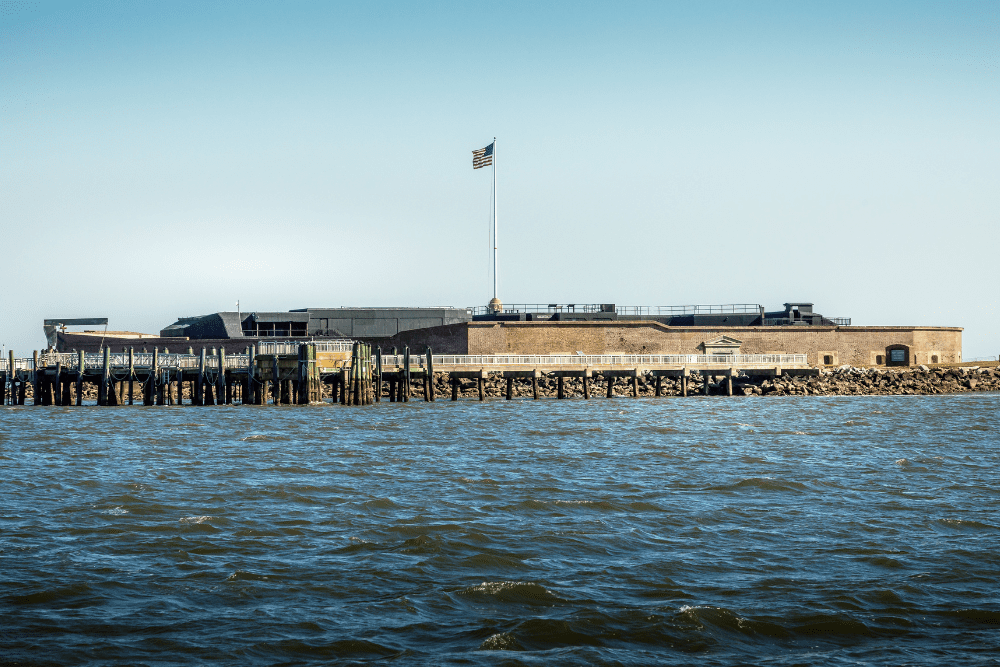
Fort Sumter in Charleston Harbor, known for the Civil War’s first shots, was built by enslaved African Americans. They labored in dangerous conditions, hauling heavy bricks and mortar to defend a “free” nation that denied their freedom. When Confederate forces attacked in 1861, they did so at a fort built by the people their cause sought to keep enslaved.
4. Central Park
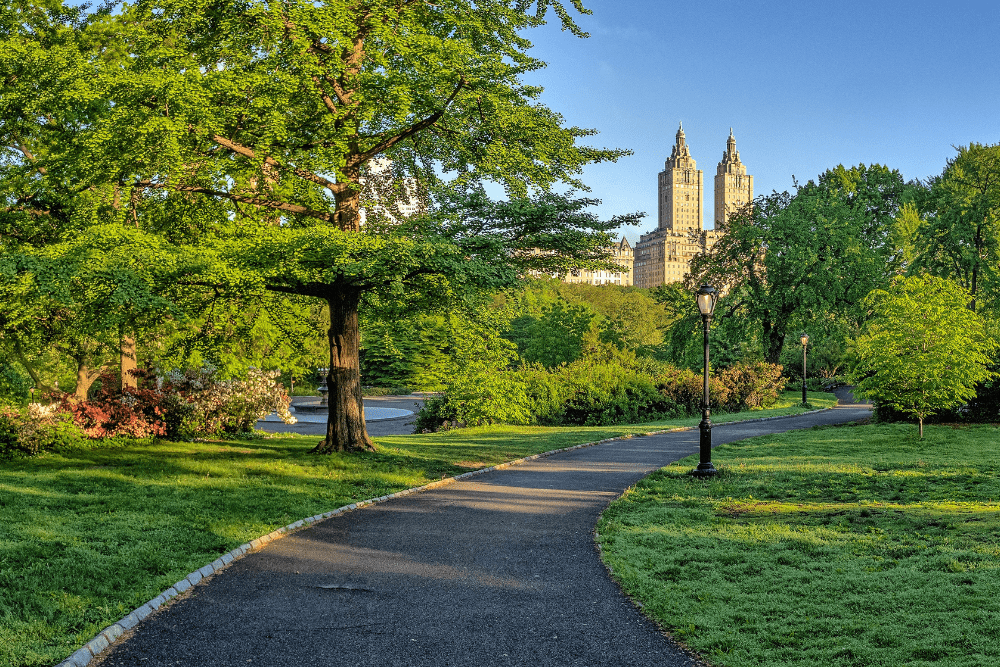
Before Central Park’s creation, the land was home to Seneca Village, a thriving Black community founded in 1825. It offered rare landownership and stability to free Black New Yorkers, with churches, homes, and a school. But in 1853, the city seized the land, evicting residents and erasing the community to make way for the park.
3. Manzanar
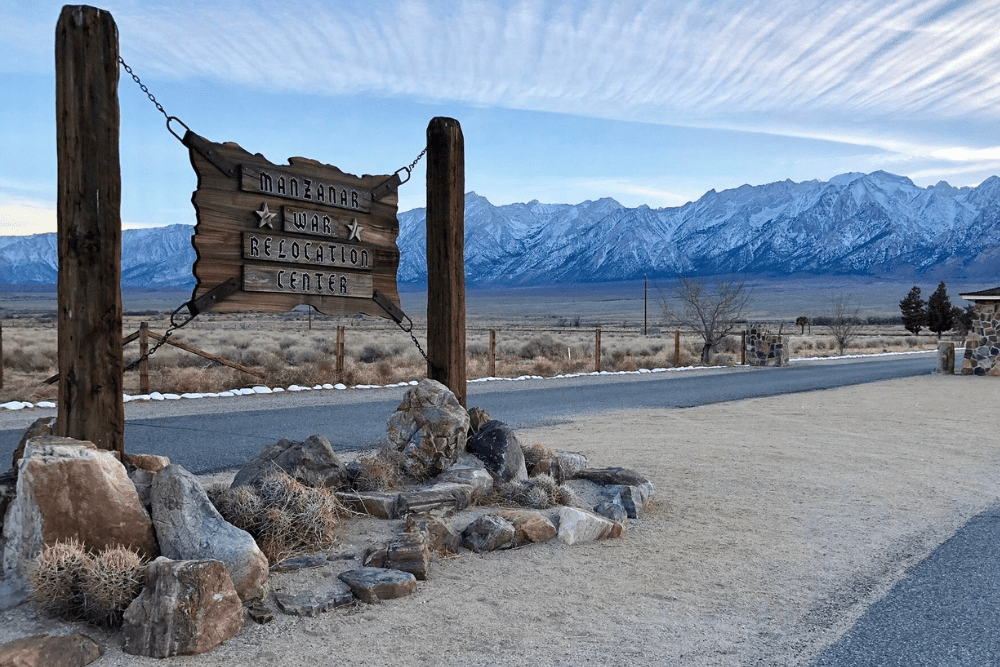
During World War II, fear and racism led to the forced incarceration of over 120,000 Japanese Americans (two-thirds of them US citizens). Manzanar was one of ten such camps where families lived behind barbed wire under armed guard. They lost homes, businesses, and freedom without trial. Manzanar now stands as a reminder of how prejudice and wartime can override justice and civil rights.
2. Mount Rushmore
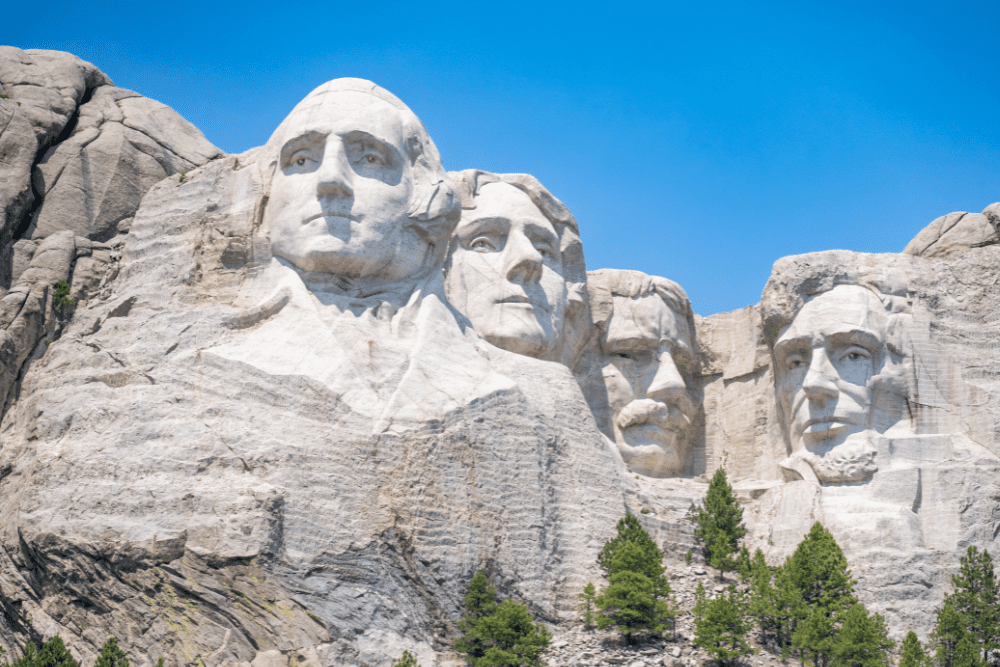
Mount Rushmore depicts four US presidents but violates land stolen from the Lakota Sioux. The 1868 Fort Laramie Treaty promised the Black Hills to the Lakota forever, but after gold was found, the US seized them illegally in 1877. In late ’90s, the Supreme Court confirmed the theft and offered monetary compensation, which the Sioux refused, demanding their land instead.
1. The Trail of Tears

In the 1830s, the US government forced the removal of Cherokee and other Southeastern tribes from their homelands to “Indian Territory” under the Indian Removal Act. Over 16,000 Cherokee were marched in brutal conditions, and thousands died from starvation, disease, and exposure. This forced removal, widely known as the Trail of Tears, was driven by greed for land and gold.