
TikTok might be great for dance challenges and recipes, but when it comes to health, it’s the Wild West. From extreme diets to taping your mouth shut at night, many of these trends can be more harmful than helpful. Here are seven TikTok health trends you’ll want to scroll right past.
7. “What I Eat in a Day” Videos
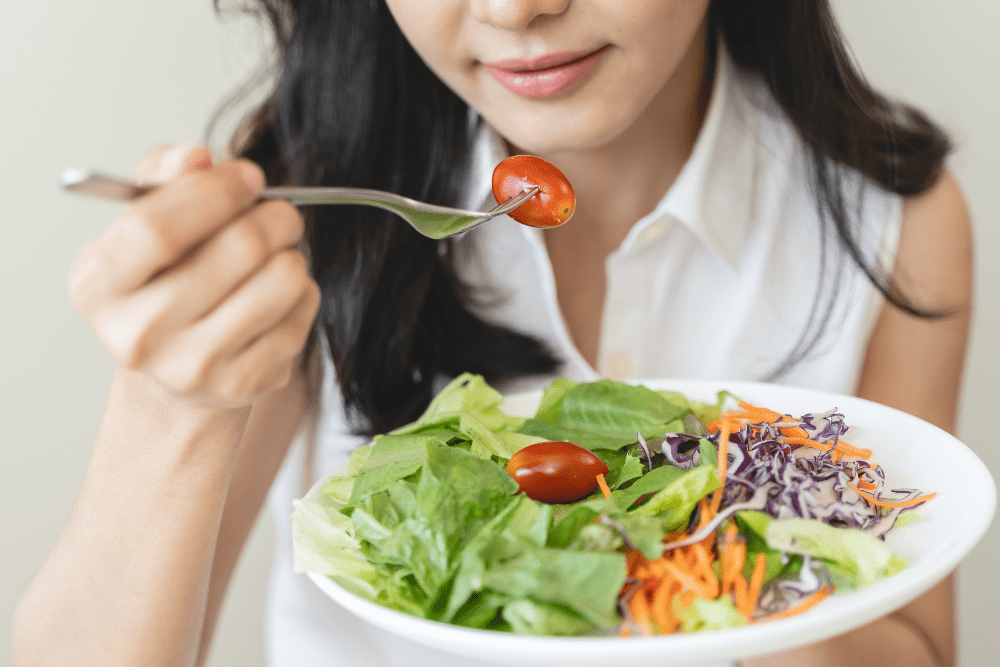
“What I Eat in a Day” videos might look like harmless meal inspo, but they can quietly feed into unhealthy comparisons. Many of these clips show extremely low-calorie days, fueling disordered eating and obsessive food control as mentioned in a 2025 article from The Independent. If you ever watched one and thought, “I should be eating less,” remember that your body’s needs are unique. Instead of copying someone else, focus on balanced, satisfying meals.
6. DIY Dental and Skin Hacks

Mixing your own skincare acids? Using a nail file for filing teeth? TikTok comes with many “budget beauty” ideas that belong nowhere near your body. Mixing acids, for instance, can burn your skin, because there are ingredients that don’t play nice with each other, as pointed out by dermatologist Brooke Sikora in an Everyday Health article published in 2025. Quick-fix videos have the tendency to skip science altogether, making it much safer to consult professionals.
5. Mouth Taping for Better Sleep

TikTok makes it sound simple: tape your mouth shut, breathe through your nose, and sleep well. But sleep experts are raising alarms about this trend. For those with nasal congestion, allergies, or sleep apnea, mouth taping can make breathing harder, according to an article from Cleveland Clinic. Instead of improving rest, this habit can lead to poor sleep quality, oxygen dips, and anxiety.
4. “SkinnyTok” and Extreme Calorie Restriction

Hashtags like #SkinnyTok sound motivational at first, until you realize they’re glorifying unrealistic body types and starvation diets. These videos feature extreme fasting, pushing narratives on weight-loss “miracles.” However, a 2020 study published in the National Library of Medicine noted that restrictive diets can slow metabolism and mess with your hormones.
3. Supplement Overload and “Miracle” Cures
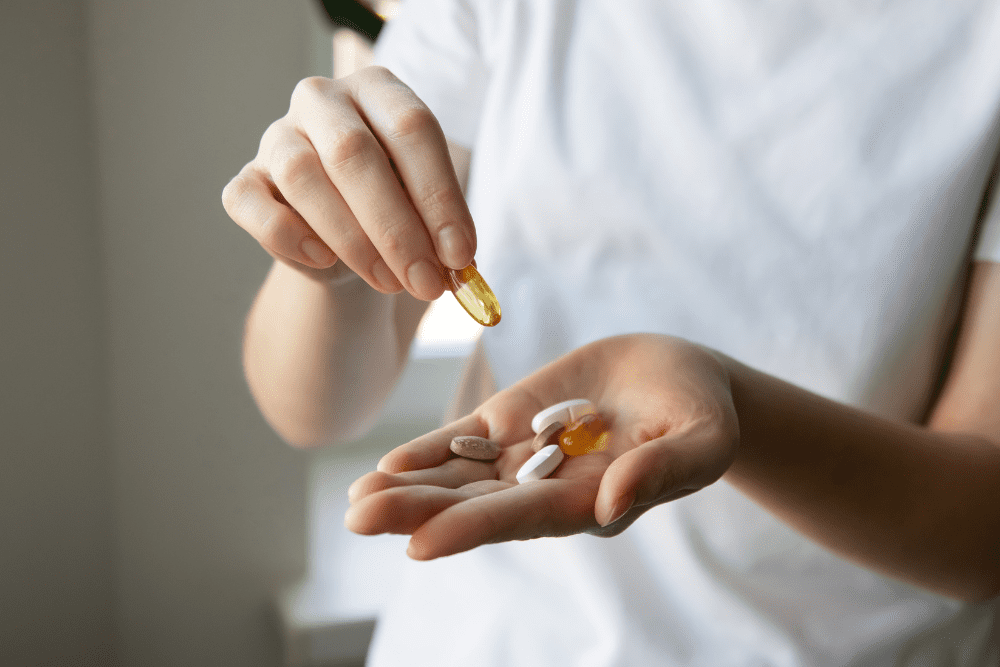
From chlorophyll drops to parasite cleanses, TikTok promises to “detox” your body in an instant. The problem is that many of these supplements aren’t regulated or backed by science. Taking too many herbal powders or vitamins can be a threat to your liver health as per the American Pharmacists Association, while skipping real medical treatment can delay proper care.
2. “Bigorexia” and the Hyper-Muscular Ideal

Not all harmful trends are about being thin. Some “fitfluencers” on TikTok promote being too muscular. Men and boys, in particular, are bombarded with content glorifying impossible physiques, encouraging overtraining and steroid use. This has led to “bigorexia” or muscle dysmorphia. In 2025, a study from the National Institutes of Health described it as a disorder wherein a person is obsessed with increasing muscle mass, caused by insecurity and peer influence.
1. Quick-Fix Health Hacks That Ignore Real Problems

For the top spot, we have the endless stream of TikTok “cures” for everything from chronic pain to poor sleep. These hacks promise instant results, all while delaying diagnosis and proper treatment. Plus, there’s the potential risk of health misinformation. After diving into #sinustok, UChicago Medicine noted in a 2024 article that around 44% of the videos about that topic contained non-factual information, leading to confusion and negative health outcomes.