
You’ve probably been told to spend less, save more, and aim for financial freedom. The catch? Not every money goal can help you get there. In fact, some goals that sound responsible can quietly sabotage your progress. Here are 10 money goals that might be keeping you stuck in the same financial rut.
10. Maxing Out Your 401(k) No Matter What

Maxing out your 401(k) sounds responsible, but if you do it blindly, it can backfire. When every spare dollar goes into retirement savings, you may end up rich on paper, but short on cash for everyday stability. Since 401(k) funds are difficult to access, a sudden expense may force you into high-interest debt.
9. Paying Off All Debt Before Investing

Being debt-free feels great, but waiting to invest until you’ve cleared every loan can cost you time in the market. It’s true that high-interest debt should go first, but aggressively paying off low-interest loans often means missing out on compound growth. Here’s something to consider: pay down expensive debt while investing gradually to let your money grow on multiple fronts.
8. Building Too Many Passive Income Streams
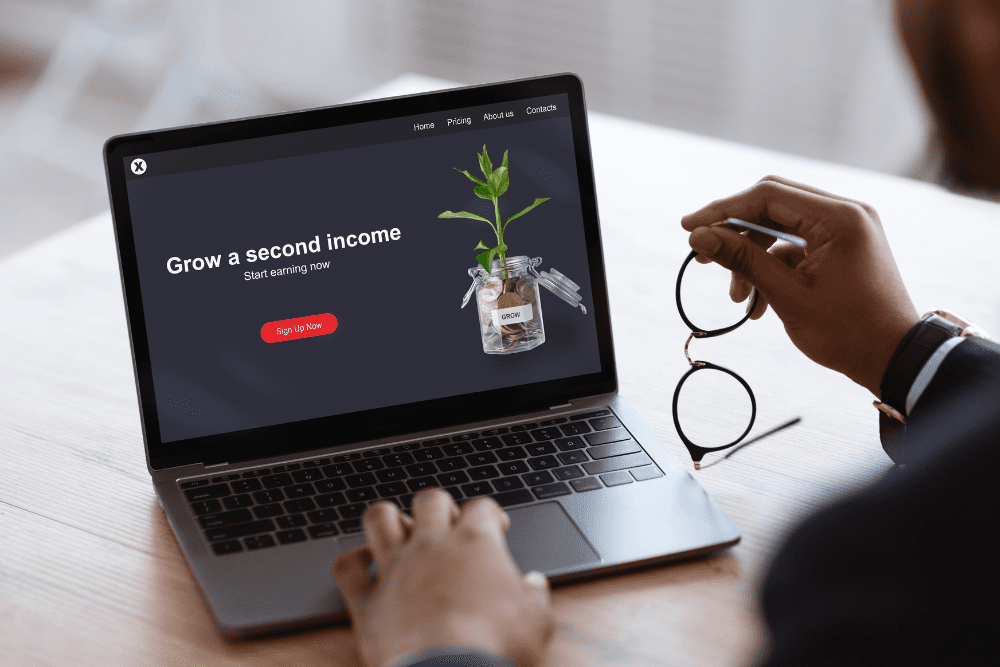
The idea of “making money while you sleep” is everywhere. However, building multiple passive income streams isn’t really passive. Most require skills, upfront time, and capital. It’s more like starting small businesses than flipping a switch. Worse, people burn out chasing too many at once. The better advice is to build one semi-automated and sustainable income source before expanding.
7. Over-Diversifying Investments

Diversifying is smart; over-diversifying isn’t. Spreading investments too thin can create “diworsification,” where your portfolio mirrors the market but with complexity and extra fees. Redundancy is also a risk here: many funds hold the same top stocks, offering false security.
6. Rushing to Save for a House

Many people rush to save for a down payment but overlook hidden costs like taxes, insurance, and repairs. Draining your savings leaves no cushion for surprises, and one emergency could lead you into debt. That’s why experts recommend having an emergency fund first. And remember, renting isn’t “throwing money away.” It’s a strategic pause before becoming a homeowner.
5. Chasing Credit Card Rewards and Cashback

Cashback and travel points feel like “free money,” but studies show they can increase spending. Credit card users may also justify unneeded purchases to hit bonus targets. Worse, having a balance wipes out the rewards. The fix? Use one cashback card for regular expenses and pay it off in full each month.
4. Building a 12-Month Emergency Fund

An emergency fund is crucial, but too much of it can slow your wealth growth. Stashing 12+ months of expenses in low-yield savings means missing higher returns in other places. Experts suggest a 3 to 6-month cushion. This would be enough to handle job loss or emergencies without tying up excess cash. Once you have that buffer, start investing so your money starts working for you instead of sitting idle.
3. Following an Extreme Budget

Living on a strict budget may lead to burnout and binge spending. Also, cutting every joy from your life turns money management into punishment. The 50/30/20 rule can offer a more balanced path: 50% needs, 30% wants, and 20% savings. And as a reminder: financial health should support your life, not shrink it.
2. Paying Off the Mortgage Too Early

Owning your home outright sounds freeing, but pouring extra money into your house locks up cash that could be funding emergencies or earning higher returns in the market. Experts advise prioritizing an emergency fund and retirement savings before making extra mortgage payments. With today’s relatively low mortgage rates, it’s often smarter to let your money grow elsewhere while paying on schedule.
1. Turning a Hobby Into a Full-Time Job

Turning your passion into your paycheck sounds ideal, but it’s not enough to stay financially healthy. Many would take the leap too soon, leaving stable jobs without a clear plan or savings buffer. The result? Stress and lost joy in what used to be an enjoyable work. The smarter move is to grow your hobby as a side hustle first. Before going full-time, have a strategy that keeps the job sustainable.