
You wake up early, drink your lemon water, and skip dessert, feeling like you’re nailing the whole “healthy living” thing. But here’s the twist: some of those good-for-you habits can actually mess with your body instead of help it. Here are 10 everyday habits that could be sabotaging your health.
10. Relying on Hand Sanitizer

While using a hand sanitizer is a convenient way to clean your hands when soap and water aren’t available, over-relying on it can have negative consequences. Cracked skin, hand redness, and numbness were among the side effects mentioned in a 2024 study published in the Skin Research and Technology journal. And remember, when your skin’s protective barrier is compromised, you’ll be more vulnerable to germs.
9. Drinking Only Bottled Water
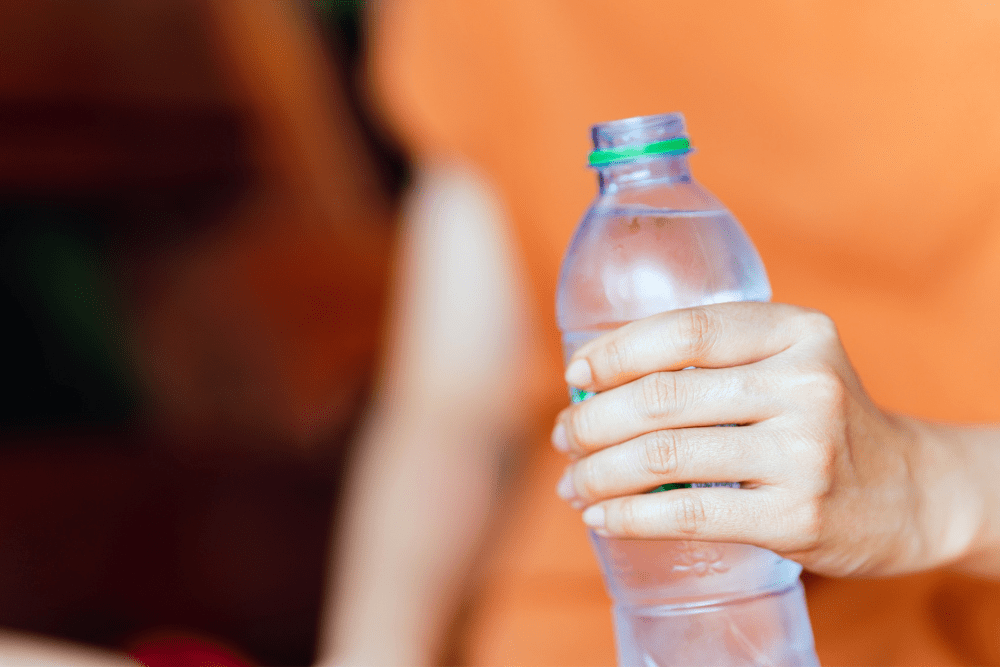
Get this: many bottled waters are simply filtered tap water, and some may lack the beneficial minerals like fluoride. Also, the plastic bottles themselves can be a cause for concern. Researchers from Columbia University revealed in a 2024 study that microplastics from the bottles can leach into the water, and all this time, the environmental impact of single-use plastic remains a large-scale problem.
8. Avoiding All Fats

The low-fat diet craze from the 1990s has left a lasting legacy, and many people still believe that avoiding all fats is healthy. While it’s true that saturated and trans fats should be limited, healthy fats (from avocados, seeds, nuts, and olive oil) are essential for our bodies to function properly. As per the experts from UC Davis, healthy fats support hormone production, brain health, and the absorption of fat-soluble vitamins (A, D, E, and K).
7. Over-exercising

Regular physical activity is crucial for good health, but experts from UCLA agree that over-exercising can lead to injuries, fatigue, and a weakened immune system. It’s important to listen to your body and incorporate rest days into your routine to allow your muscles to rebuild. A balanced approach to exercise, with a mix of cardio, strength training, and flexibility work, can also be beneficial in the long run.
6. Juice Cleanses
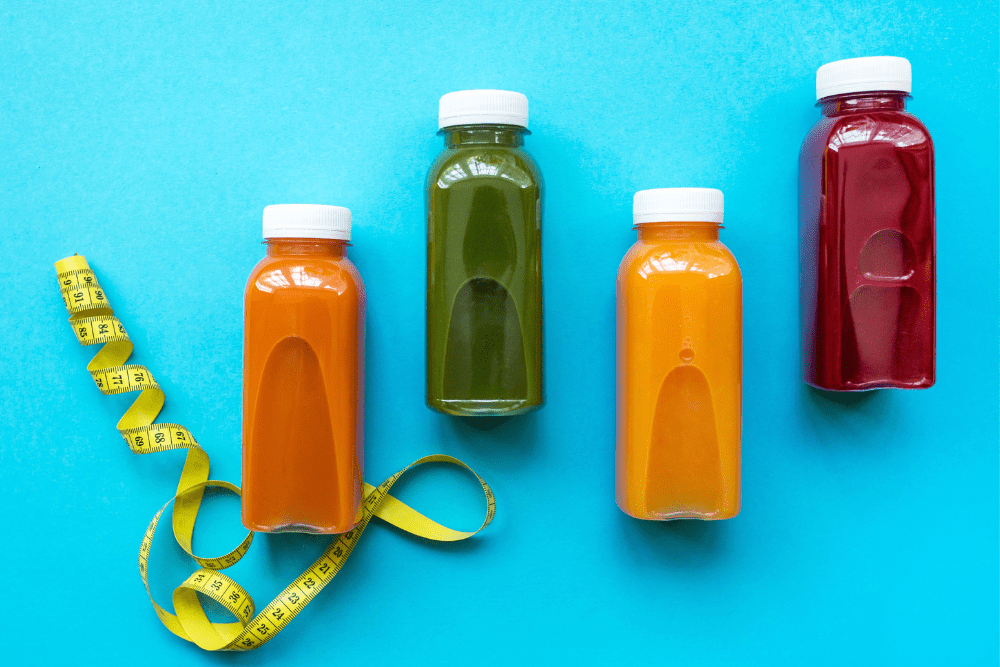
These cleanses typically involve consuming only fruit and vegetable juices for a set period, which can lead to health problems. The lack of fiber in juice can cause blood sugar spikes. Meanwhile, low calorie intake can lead to malnutrition and a weakened immune system, according to a 2023 study from the International Journal of Surgery Open. A balanced diet of whole foods is a healthier and more sustainable way to support your body’s detoxification processes.
5. Taking Too Many Supplements

Taking excessive amounts of certain supplements can be dangerous, and some can interfere with the absorption of other nutrients. As reported by Medical News Today back in 2023, high doses of vitamin C can cause digestive issues. If you’re concerned about a specific nutrient deficiency, it’s best to consult with a healthcare professional before starting any new supplement regimen.
4. Eating Only Low-Fat or Fat-Free Foods

Similar to the fear of all fats, the trend of eating only low-fat or fat-free foods can be unhealthy. When fat is removed from a product, it’s often replaced with salt, sugar, or other additives to compensate for the loss of texture and flavor. Reduced yogurts, for instance, are often loaded with added sugars, as mentioned in a 2021 Healthline article. These foods can contribute both to weight gain and other health problems.
3. Avoiding Gluten Unnecessarily

For people with celiac disease or a gluten sensitivity, avoiding gluten is essential. However, for most of us, there’s no need to avoid gluten. Gluten is a protein found in barley, wheat, and rye, and it’s not inherently unhealthy. A CNN article published in 2019 revealed that unnecessarily cutting out gluten can lead to a less diverse diet, plus many gluten-free products are highly processed and can be high in sugar, sodium, and fat.
2. Drinking Diet Soda
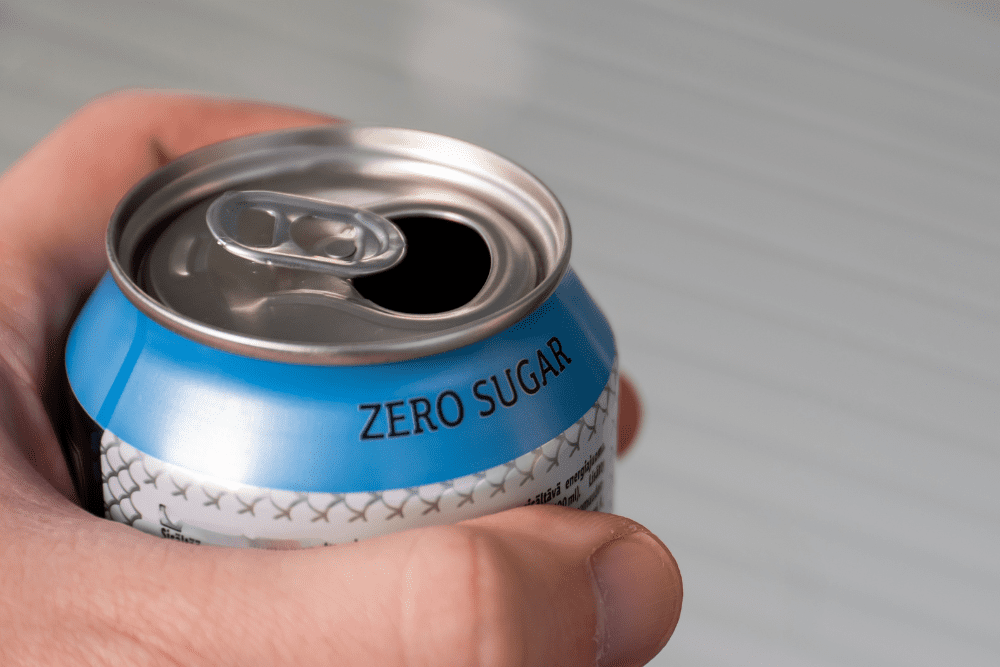
Switching from regular soda to diet soda may seem like a healthier choice, but not really. Diet sodas are sweetened with artificial sweeteners, and the American Diabetes Association has linked these sweeteners to type 2 diabetes and metabolic problems. Furthermore, the sweet taste of diet soda can trick your brain into craving more sugar, leading to overeating.
1. Sleeping in on Weekends

After a long week of work, it’s tempting to sleep in on the weekends. However, this can disrupt your body’s natural sleep-wake cycle, according to a 2025 article from the Sleep Foundation. This can leave you feeling groggy and out of sorts the next morning. The best way to ensure you’re getting enough rest is to follow a consistent sleep schedule, even on weekends.