
Living beyond your means doesn’t always look like luxury cars and designer clothes. It may also reflect in subtle ways through daily habits you don’t realize. You may think you’re managing your finances fine, but you’re actually spending more than what you earn. Here are the 8 signs to watch out for before it’s too late.
8. Your Credit Score Is Declining
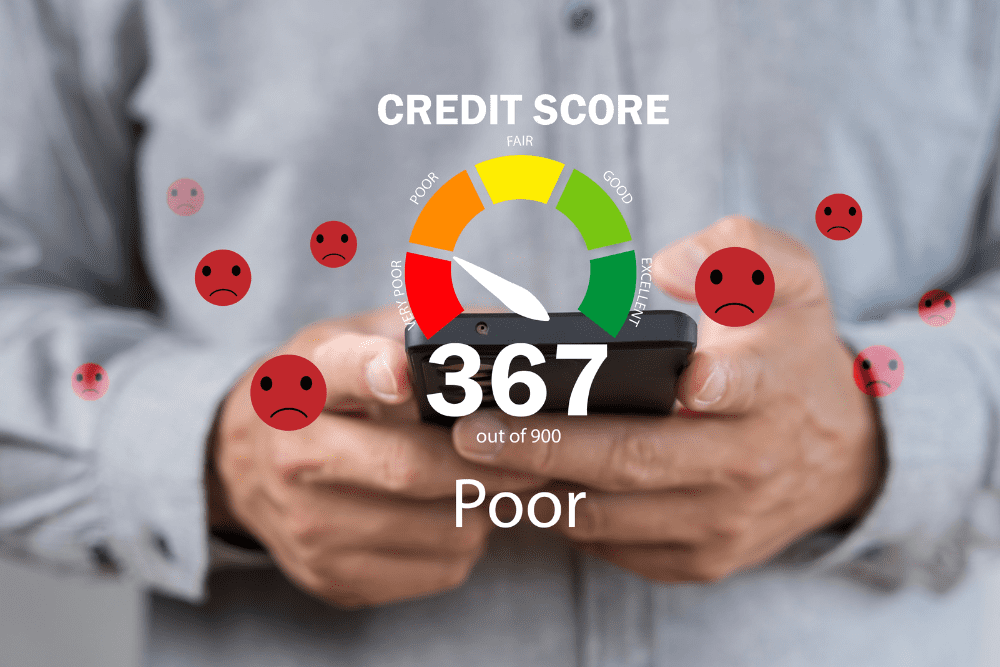
Having a poor credit score is enough sign that you’re living above your means. With that, it causes major problems like higher fees and higher interest rates. You’ll also experience difficulty getting approved for loans and apartments. A declining credit score indicates that you have too much debt and that you’re making late payments. You’re also maxing out your credit cards, which means that your spending has spiraled.
7. You’re Trying to Keep Up With Friends on Social Media

Seeing the lifestyles of others on social media creates pressure for those who’d let it affect them. As a solution, some try to match others’ lifestyles by making purchases that are not even a priority. This leads to bad financial decisions that don’t fit in your situation. You’ll end up in a never-ending loans.
6. You’re Getting Hit With Overdraft Fees Regularly

Consistent overdraft fees are another sign that indicates you’re living above your means. Overdraft fees happen when you make a transaction or purchase that is more than the amount available in your account. If this happens all the time, you’re spending money you don’t even have. They add up pretty quickly, which makes your financial situation worse.
5. You Have No Emergency Fund

Not having cash that you can get means that you’re living above your means. Without your savings, you don’t have a fallback when worse comes to worst. You’ll be forced to rely on high-interest credit cards or loans when you get hit with an unexpected expense or emergency. Remember, life is unpredictable, and without your emergency savings, you’re looking at some serious financial trouble.
4. You Only Pay the Minimum on Your Credit Cards

That minimum payment you make for your credit cards just leaves you with a growing debt due to an interest charge. It’s a dangerous practice since you let your interests and additional spending pile up fast, making it challenging to get your balance back to zero. If you can’t afford to pay more than the minimum, then you’re already spending beyond your means, and you rely on your cards too much.
3. Your Savings Aren’t Growing (Or They’re Shrinking)

If your savings balance has stayed flat or declined in the past few months, then you’re living a costly lifestyle. Practice putting 20% of your monthly income in your savings or a minimum of 5% of your monthly pay. But if you’re saving less than 5% of your income or nothing at all, then you’ll find yourself in big financial trouble when an emergency hits.
2. You’re Living Paycheck to Paycheck

Living paycheck to paycheck means that your money barely sustains you until the next payday. You’re stretched too thin between paychecks since you spend more than what you earn, or you’re paying your debts. While it’s not always the case, many situations are caused by mismanaged money. Maybe it’s time to take a look at your spending and cut back.
1. Your Housing Costs More Than 30% of Your Income
Housing is usually the largest monthly expense, but spending more than 30% of your monthly pre-tax income on your rent or mortgage payments means that you’re on financial overextension. This makes it hard for you to pay the supposedly remaining money for your bills and other expenses. You can’t save, invest, or build wealth over time.