
Ever felt that you’re pulled to a place where you’re not supposed to be? In a world where every corner is mapped, photographed, or posted online, some locations are completely off-limits to the public. There are these mysterious places that are forbidden for some reason, and we can’t help but assume that aliens live in them. Here are the 10 strangest places you can’t ever visit.
9. Poveglia Island (Italy)
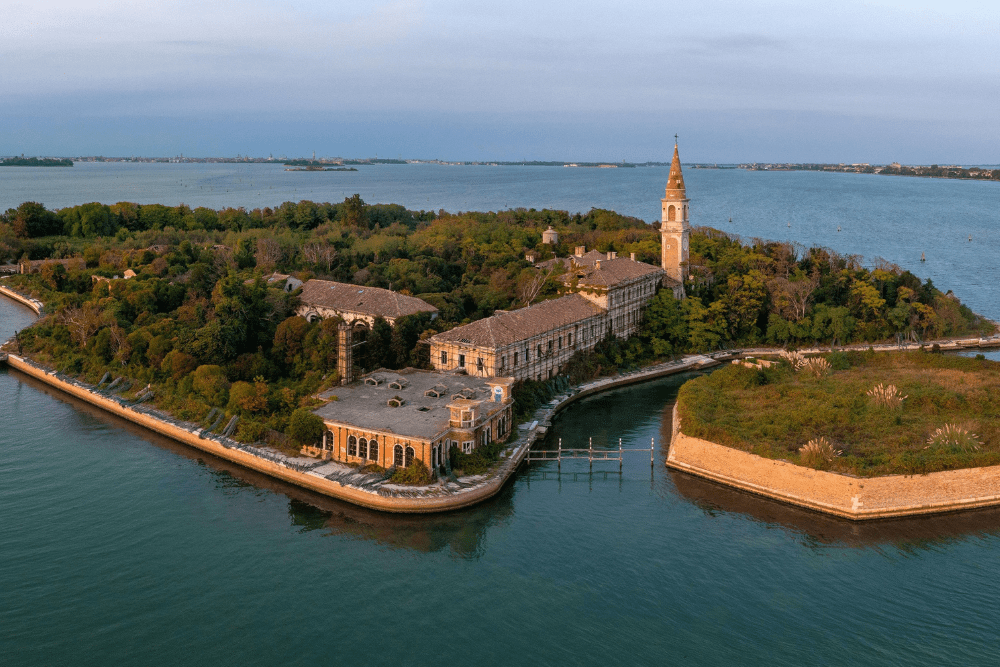
Just a short boat ride from the canals of Venice, you’ll see the land that’s been dubbed “Islands of Ghosts.” The Poveglia Island has a sinister reputation that started in the 18th century when it became the quarantine station during the Bubonic Plague. It’s estimated that around 100,000 died on the island. But that’s not all, as in 1920, it was turned into a psychiatric hospital, with legends about mad doctors performing gruesome experiments on patients. With that, the island is said to have a lot of vengeful spirits due to the many deaths that occurred there.
8. Chapel of the Ark (Ethiopia)
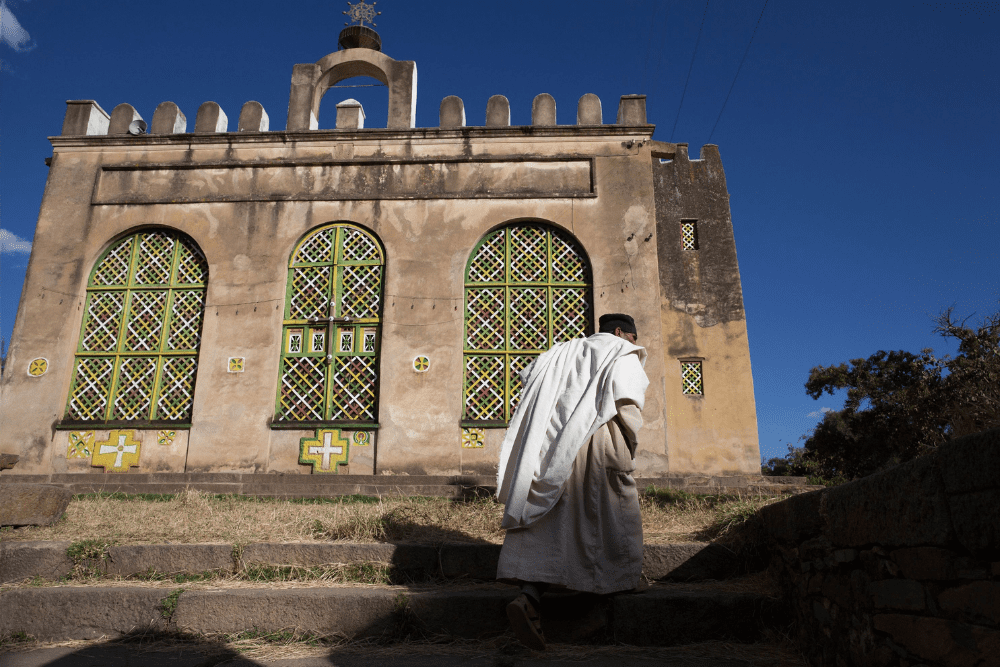
Located in Axum of northern Ethiopia stands the Chapel of the Ark. According to the Ethiopian Orthodox Church, the Ark of the Covenant in the chapel contains the stone tablets of the Ten Commandments that were brought into the country in the 10th century BCE by Menelik I, the son of the Queen of Sheba and King Solomon. It’s been heavily guarded in the Chapel of the Tablet at the Church of Our Lady Mary of Zion, where no one is allowed to see it. The Ethiopian Orthodox Church refused to allow scientific or historical verification for authenticity.
7. North Brother Island (USA)
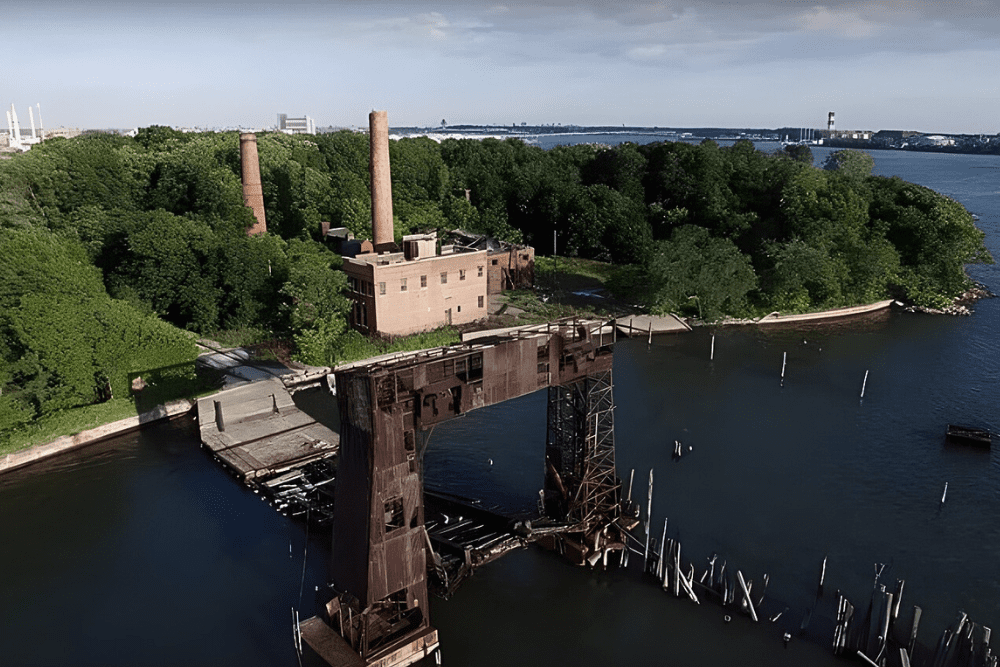
North Brother Island is located in the East River near the Bronx area in New York. It’s a 20-acre island with a landscape that looks post-apocalyptic. In the 19th century, the Riverside Hospital stood on the island, which became the quarantine facility for contagious diseases like smallpox, tuberculosis, and typhoid. The island is also the site of the 1904 sinking of the General Slocum steamship with 1,000 deaths. After the war, it also served as housing for veterans and families and later as a treatment center for troubled teenagers. Today, it’s a designated bird sanctuary that’s off-limits to the public.
6. Surtsey Island (Iceland)
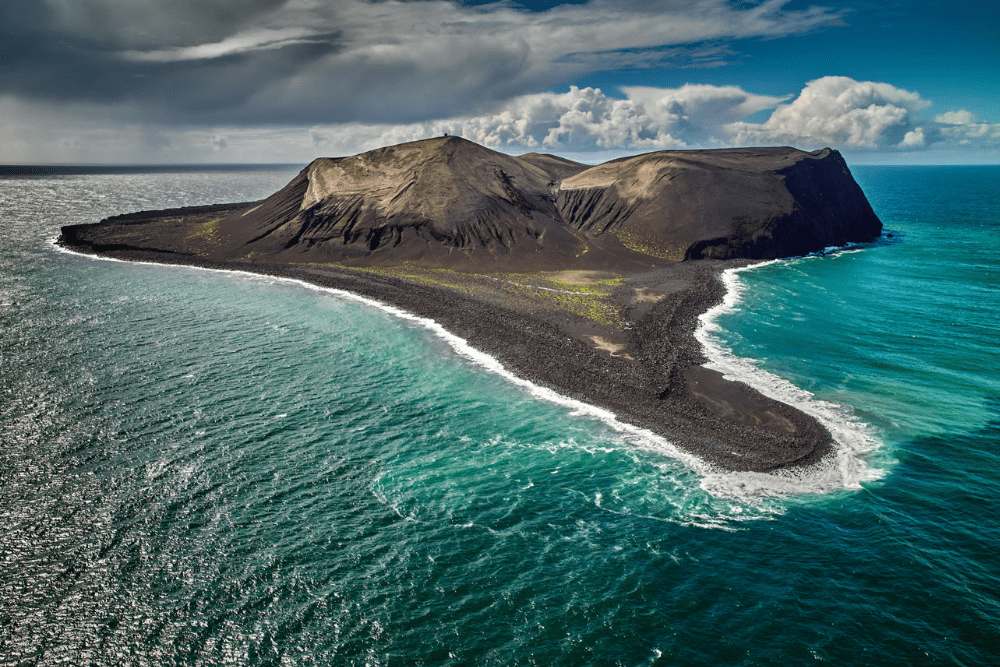
Surtsey is a volcanic island located on the southern coast of Iceland. It didn’t exist until 1963, as a series of volcanic eruptions from the seabed created this untouched land. It became a living laboratory where scientists study how life colonizes a landscape from scratch. It was declared a nature reserve in 1965 and later a UNESCO World Heritage site. Access is forbidden to the public, as a handful of scientists are only allowed.
5. Heard Island (Australia)

Halfway between Australia and Antarctica is Heard Island. It’s home to the Big Ben, which is an active volcano that also happens to be Australia’s highest peak, with an elevation of 9,005 feet. The island is completely inhabited, as it has extreme weather that makes it difficult to reach. It became a breeding ground for seals, penguins, and other seabirds that surround its waters.
4. Niihau Island (USA)
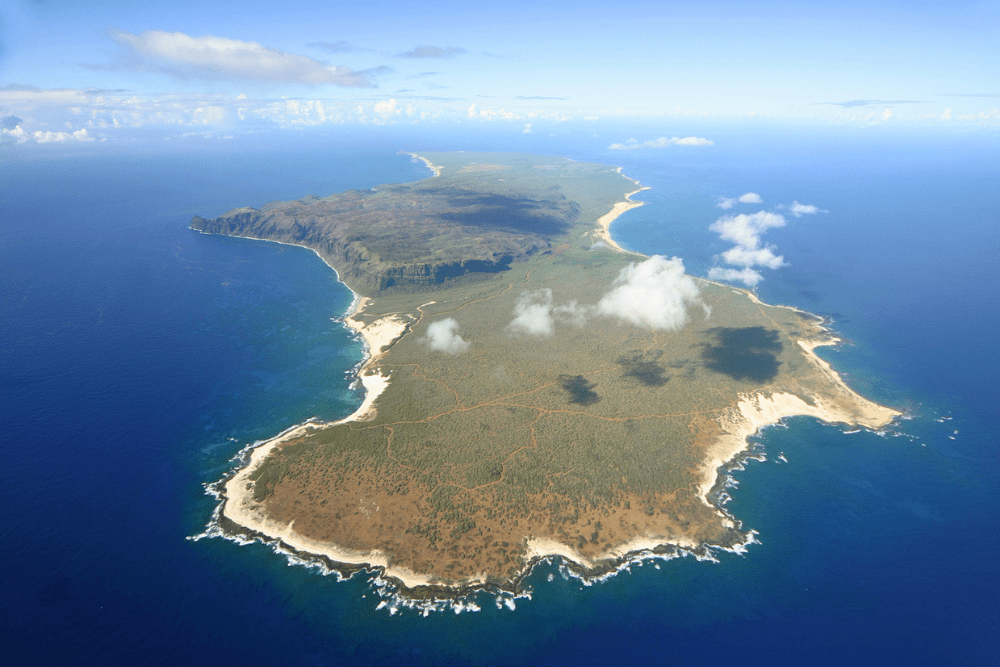
Niihau, also known as Forbidden Island in Hawaii, is a privately owned island that has been cut off from the world for over 150 years. In 1864, Elizabeth Sinclair, who was a Scottish widow, purchased the island from King Kamehameha V for $10,000. Her descendants, who are the Robinson family, have owned it ever since and made it a mission to preserve traditional Hawaiian culture for its 170 residents. Access to outsiders is strictly forbidden, and only the people allowed by the Robinson family, government officials, and invited guests can set foot.
3. Movile Cave (Romania)

This place has been sealed off for 5.5 million years. The Movile Cave is located in southeastern Romania and was discovered by accident in 1986 during a power plant survey. The air in the cave is so toxic due to high levels of carbon dioxide, hydrogen sulfide, and methane. Scientists have actually found over 120 species of fungi and 53 species of animals, 37 of which are found nowhere on Earth. Access to the cave is limited to a handful of researchers with protective gear.
2. North Sentinel Island (India)
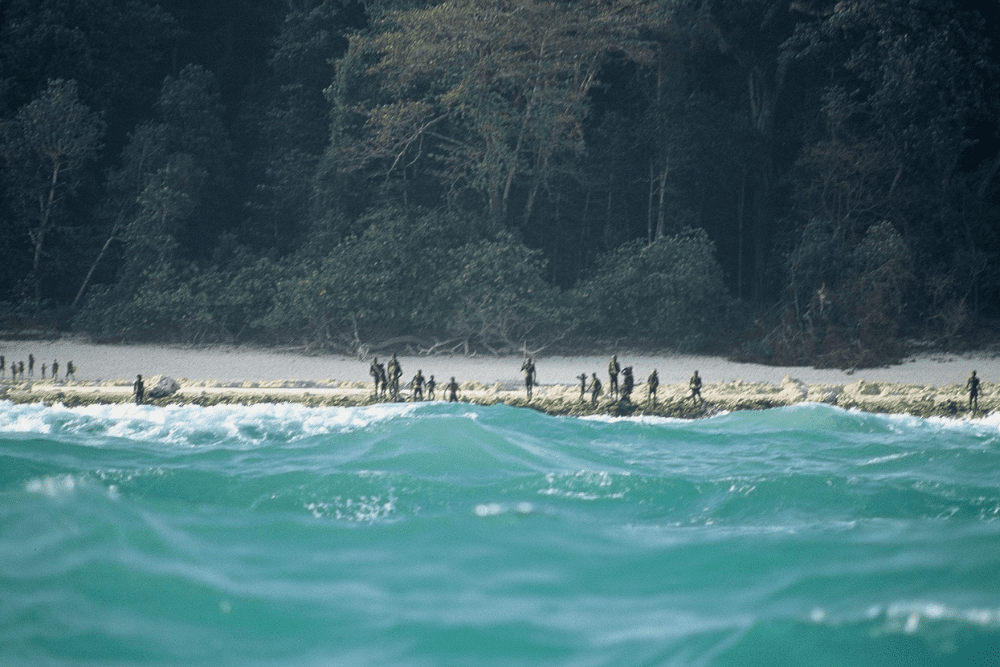
Located in the Bay of Bengal, in a part of the Andaman and Nicobar Islands, is a place untouched by civilization for 60,000 years. The North Sentinel Island is home to the Sentinelese, which is one of the last uncontacted tribes in the world. The Indian government has actually declared it illegal to go within three miles of the island to protect the tribe from diseases and the visitors due to a violent history of repelling attempts to contact them.
1. Snake Island (Brazil)
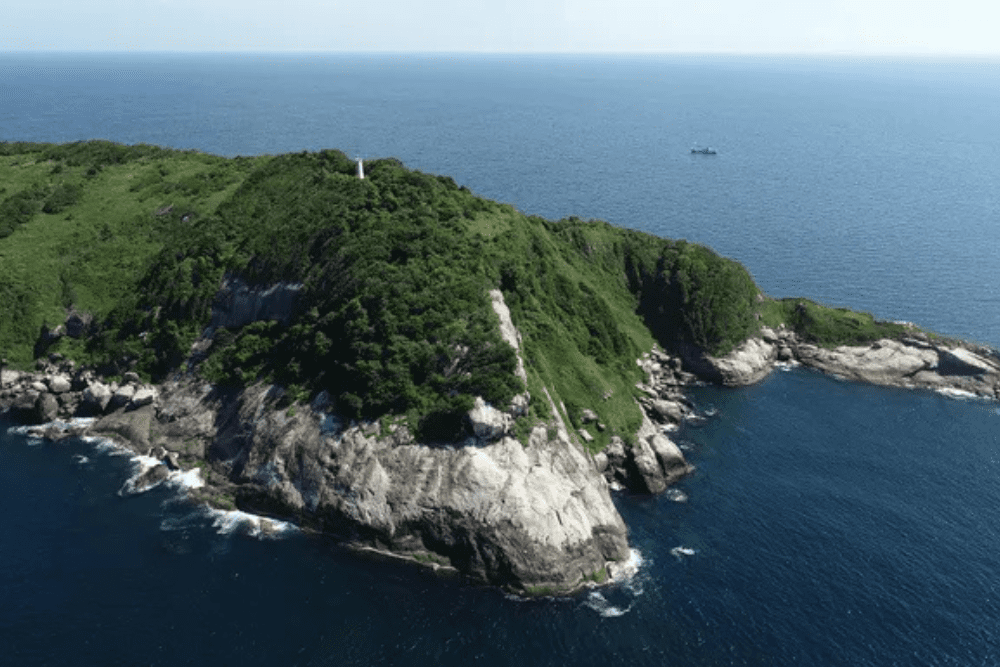
Snake Island, or Ilha da Queimada Grande, is a small island off the coast of Brazil. It’s home to one of the deadliest snakes in the world, which is a golden lancehead viper that infests the island. Its venom is five times more dangerous as it can instantly melt human flesh. The Brazilian government made it illegal to visit the island, but there’s an exception for a handful of scientists who were granted special permission to study the snakes. The lighthouse, which was once manually operated, was automated in the 1920s when the lighthouse keeper and his family were allegedly killed by the snakes.