
Etiquette used to be everything. How you spoke, dressed, and even thanked people were ruled by unspoken codes. The thing is times and people have changed, leading us to decide some rules no longer make sense. Here are seven social rules we’re thrilled to leave in the past.
7. The “No White After Labor Day” Rule

Once upon a time, no white after Labor Day used to be a serious rule. This came from the idea that wealthy families would swap their breezy summer whites for darker clothes when they returned from their country homes. Some say it was a subtle way for the elite to show who “belonged” in their circles. Whatever the reason, the rule’s long gone. Now, “winter white” is a chic option, and fashion feels freer.
6. The Man Always Pays for the Date

This rule was rooted in a time when men were the breadwinners and women had limited financial independence. The expectation that a man should always foot the bill on a date now feels misaligned with modern relationships built on equality. Today, many couples choose to split the bill, take turns paying, or follow the principle that whoever extended the invitation covers the cost.
5. The “No Elbows on the Table” Rule

The “no elbows on the table” likely has its origins trace back to a time when dining tables were unstable (often just boards on trestles), and leaning on them could cause a collapse. With the sturdy furniture we have today, the rule has lost its purpose. In fact, leaning forward with your elbows on the table can be a sign of interest in a conversation.
4. Addressing Elders as Mr./Ms.

While respect for the elders remains a cornerstone of good manners, the use of formal titles like “Mr.” or “Ms.” has become flexible. Many older adults now prefer to be called by their first names, as they think formal titles can create unnecessary distance. We’re glad to see this rule evolve because it allows for friendlier intergenerational connections based on respect rather than formality.
3. The Formal RSVP
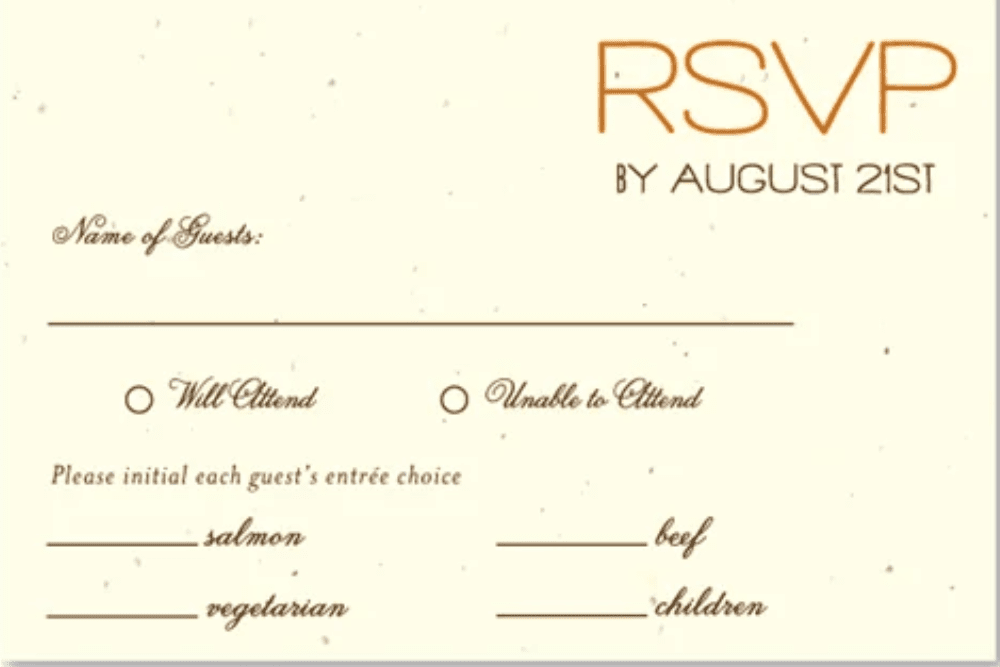
Back then, responding to an invitation required a formal written response sent by mail. While the act of responding to an invitation is still very much alive, the method has been modernized. Today, it’s acceptable to RSVP via text message, email, or through a dedicated event website. This shift acknowledges the reality of how we communicate in the digital age.
2. The Bread-and-Butter Note

Once considered a necessity, the handwritten “bread-and-butter” note sent to a host after a dinner party has become rare. While expressing thanks remains a social courtesy, the expectation of a mailed, physical note has been replaced by a sincere thank-you text, a thoughtful email, or a phone call the next day. In the end, what matters is a timely, heartfelt thanks.
1. The “Don’t Discuss Money, Politics, or Religion” Rule

Remember the holy trinity of conversational taboos? These topics were avoided to prevent discomfort or conflict, leading to superficial conversations. In today’s politically charged environment, we’re learning how to have respectful conversations about these important subjects. We’re glad to see this rule go because it allows for deeper connections and a more informed citizenry.