
How would you feel if you were told as a child that trick-or-treating is illegal in your town? Well, it’s the reality of some places across the globe. It may be due to something that happened years ago or their traditional beliefs. Since Halloween is nearly approaching, get ready to be spooked as we bring the 10 Halloween customs that were officially banned in some places.
10. Apple Bobbing in Schools
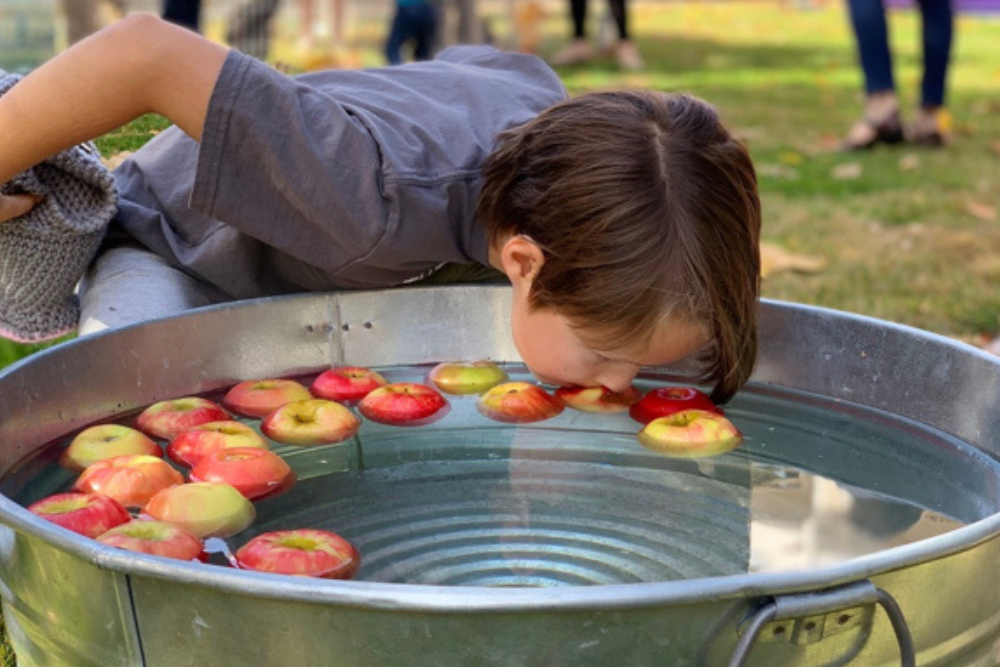
Yup, bobbing apples is a lawsuit waiting to happen in some schools in the UK. In 2010, this classic game was banned in a number of schools over health and safety reasons. Children were advised to use chopsticks instead. Officials stated that germs in shared water are a risk of “high-velocity impact with an apple,” which causes eye injuries. While the UK’s safety authority presented the van, it didn’t stop schools.
9. Trick-or-Treating on a Sunday
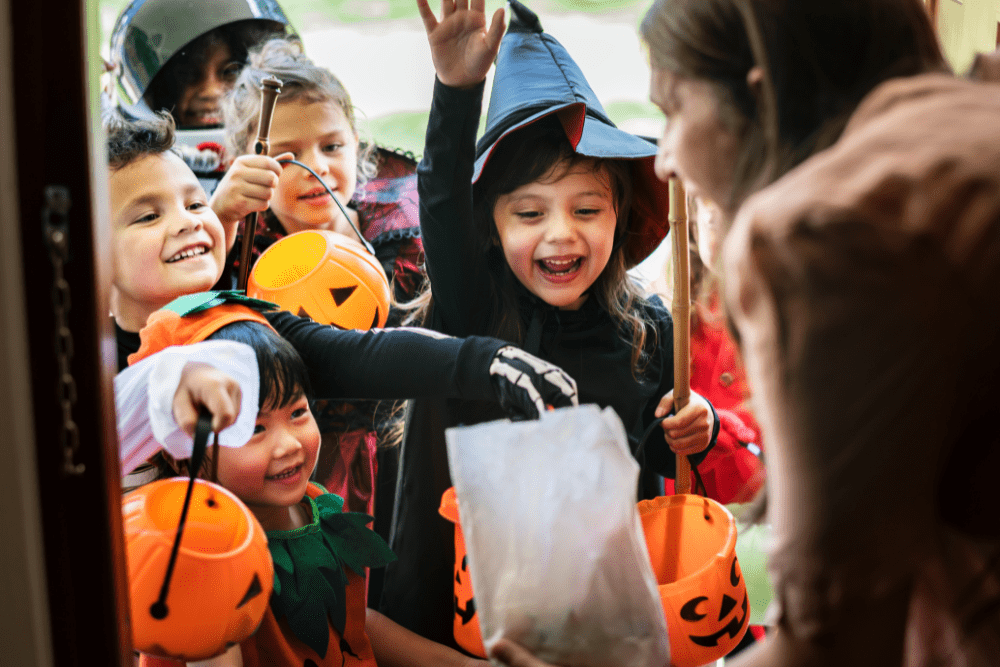
There are towns where the day of the week can determine if trick-or-treating is legal. At Rehoboth Beach, Delaware, it’s illegal to go door-to-door for candy if Halloween falls on a Sunday. The reason? It’s the historical blue laws for religious observances. It’s rarely enforced, but it’s a surprising fact to know.
8. Wielding Silly String in Hollywood
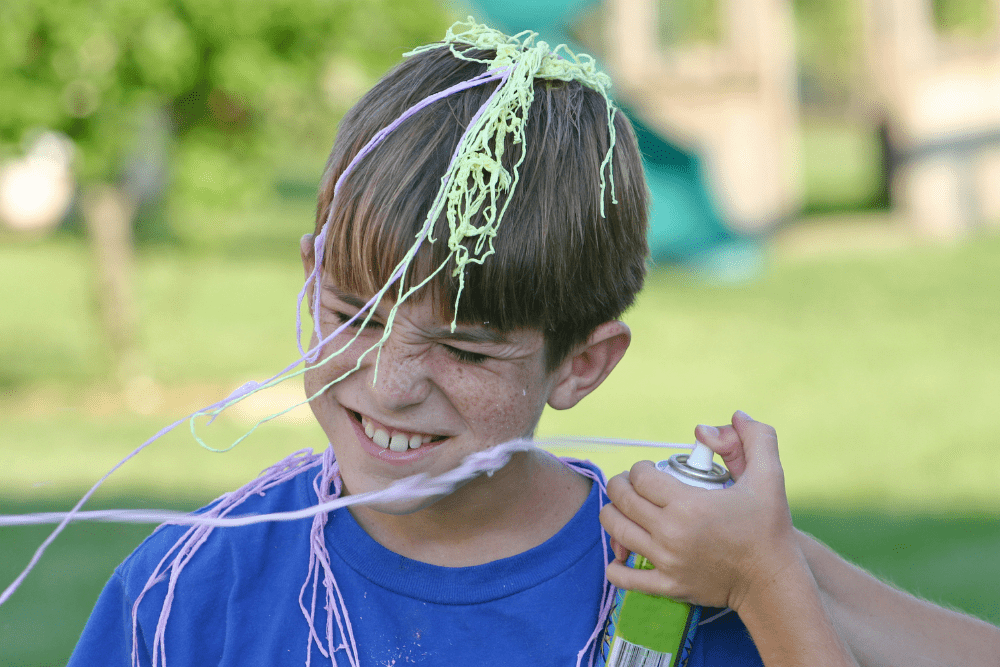
That Silly String street battle won’t happen in Hollywood this Halloween. Since 2004, Los Angeles has banned the use or sale of aerosol string in public from midnight on October 31st to noon on November 1st. Why? They’re thinking of the massive cleanup and public nuisance. If you violate it, then you’ll be faced with a hefty fine and potential jail time. In 2013, Beverly Holld followed by banning Silly String for those 21 and under.
7. Celebrating Halloween in Public Schools
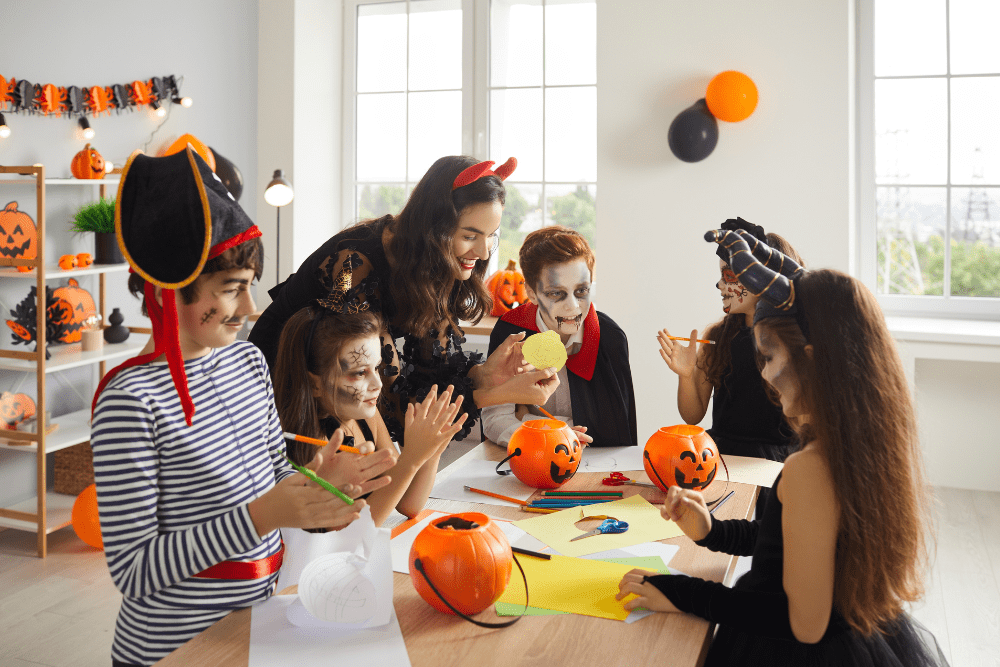
You’re lucky if you get to celebrate classroom costume parades in the past. Well, a surprising number of schools in the U.S. have banned Halloween celebrations. The reason? It excludes students from diverse backgrounds, while some enacted it to avoid disruption. Some schools, however, banned it for the reason of the separation of church and state.
6. Wearing a Mask if You’re Over 16

In some places, wearing a Halloween mask as an adult could get you into trouble. Around 15 states enacted anti-mask laws to combat the Ku Klux Klan. Some provide exceptions for holiday costumes, but some are really strict about them. In North Carolina, for instance, they banned anyone over 16 from wearing a mask that conceals their identity.
5. Public Halloween Parties in Jordan

Back in 2014, the government of Jordan banned all public Halloween celebrations. They stated that it’s not in keeping with their country’s traditional values. With that, the U.S. Embassy warned citizens to expect the police and arrests if it happens. They also advised covering their costumes when in public. The ban followed a tension, including one in 2012 with an arson at a cafe that hosted a Halloween party.
4. Trick-or-Treating as a Teenager

There are American towns that set an age limit on trick-or-treating. Cities like Chesapeake, Virginia, made laws that call for a misdemeanor for anyone over 14 who goes door-to-door for candy. There’s a standing $250 fine for anyone who gets caught. The original 1970 ordinance was even stricter, as it threatened jail time for kids over 12. How did this happen? Thanks to the violent 1989 Halloween, where pranksters threw firecrackers in candy bags. Although officials actually claimed that the law is rarely enforced.
3. Celebrating Halloween in Saudi Arabia
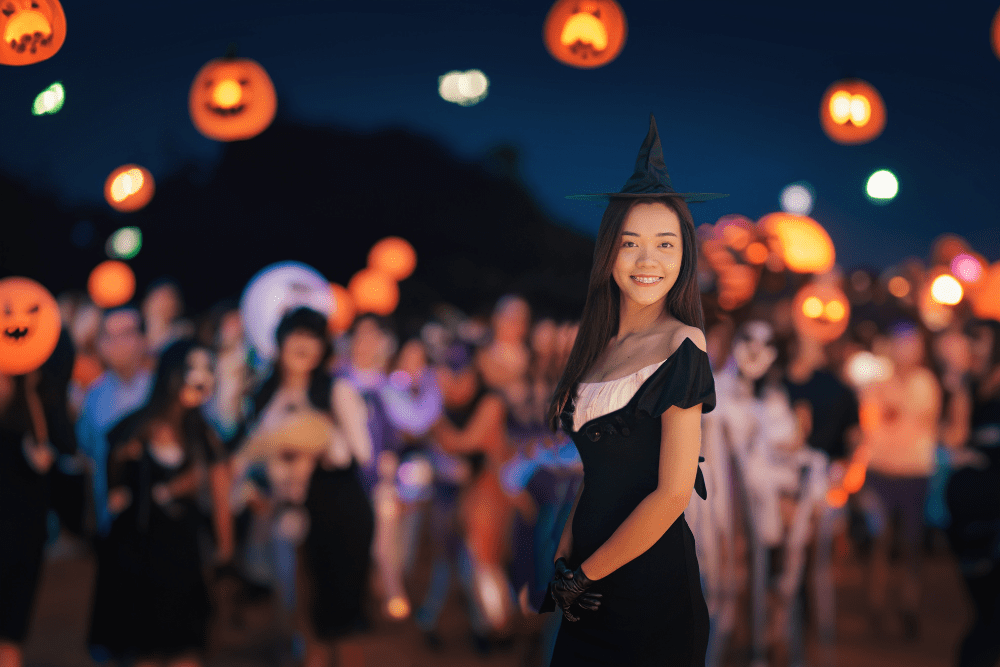
Until very recently, celebrating Halloween in Saudi Arabia was not allowed. It’s considered “haram” or forbidden under Islamic law, so participating could lead to an arrest. However, there’s been a reversal when the country hosted a government-sponsored “Scary Weekend” back in 2022, as they effectively lifted the ban. It’s part of Crown Prince Mohammed bin Salam’s reforms, where thousands were seen in elaborate costumes.
2. Detroit’s “Devil’s Night” Arson

A night of pranks caused a city-wide crisis in Detroit. For decades, the night before Halloween has been known as “Devil’s Night,” which was synonymous with the arson that occurred in 1984. Around 810 fires were set across the city in just three days. In response to what happened, the city implemented a strict dusk-to-dawn curfew for minors, and they put on duty over 30,000 civilian volunteers to patrol the neighborhood. These efforts were rebranded as “Angel’s Night” as they successfully curbed the arson. With that, they effectively banned the tradition by an overwhelming community intervention.
1. The Vandalism That Nearly Got Halloween Canceled
Did you know that the entire Halloween holiday almost got banned across the United States in the 1930s? It’s all because of a harmless rural prank like moving a farmer’s wagon on a barn roof. Instead, it has caused dangerous vandalism in cities. During the Great Depression, the destruction further intensified. The pranksters were already tripping pedestrians with wires and causing crashes in the streets. By 1933, it had become so out of control that a number of cities threatened to outlaw Halloween. As a solution, the nation decided to “buy off” those