Tired of your work? While accidents are prone to happen, they’re not as dangerous as the jobs of some people who do it for a living. Every day, they face life-threatening risks just to complete their jobs. We’re talking about those who get to work at the depths of the oceans to the scary skyscrapers. Get ready to learn about the 11 most dangerous jobs in the world.
11. High-Altitude Mountain Guide
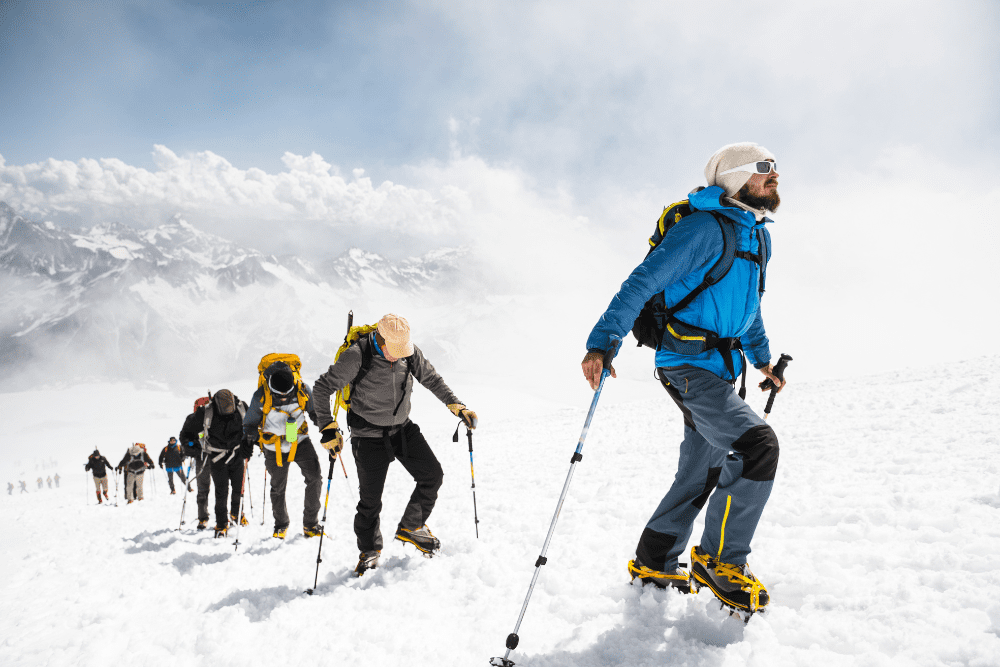
Yup, there are people leading a group of climbers to the slopes of Mount Everest. They’re high-altitude mountain guides who get hired for the safety of their clients in some of the world’s extreme environments. They face dangers of avalanches, falls, and extreme cold. In fact, there are 330 recorded deaths on Everest alone, with more than 200 bodies still lost somewhere in the mountain. The job requires physical and mental strength who knows how to face life-or-death situations calmly.
10. Mining Worker
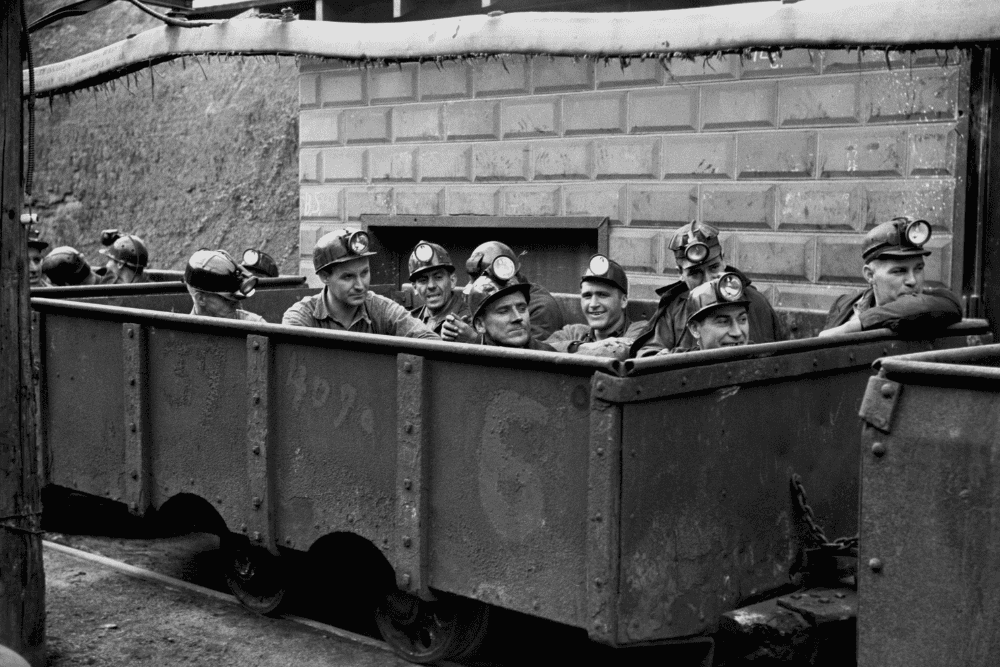
You’ve probably learned from documentaries about the miners who extract resources. They’re faced with constant risk of cave-ins, explosions, and exposure to toxic gases. In 2024, there were a recorded 28 mining fatalities in the US alone. But if you look at it historically, you’ll see that hundreds of miners fall to their deaths yearly. Of course, safety standards have improved, but it’s still a demanding profession that could cost them their lives.
9. Structural Iron and Steel Worker
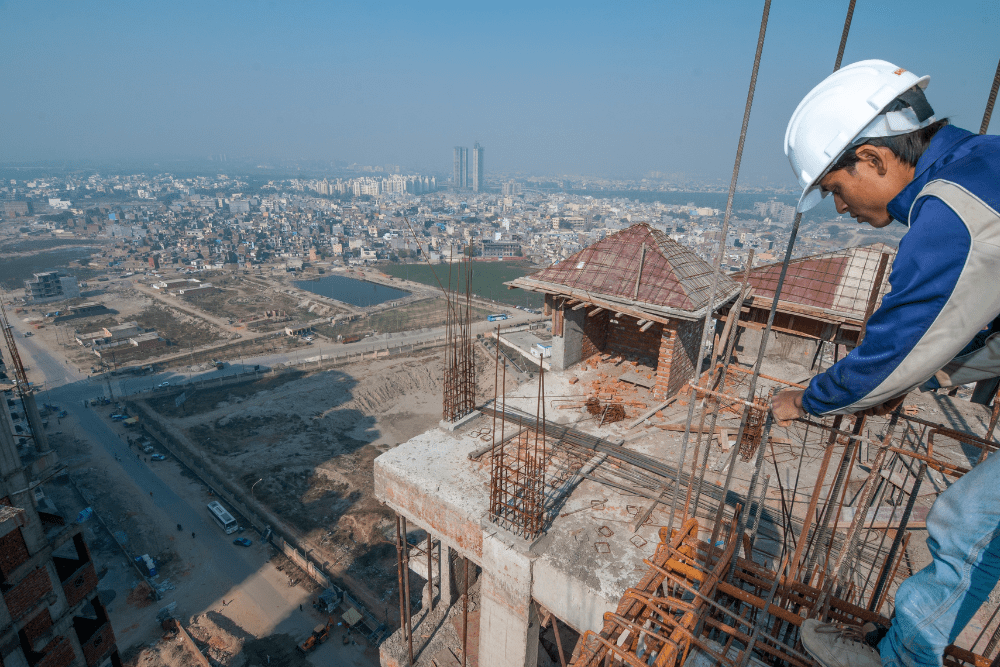
The iron and steel workers are those you see in pictures who eat their lunch on steel beams above New York City. They’re skilled professionals who build on the skeletons of skyscrapers and bridges with heavy equipment and materials. Falls are usually the leading cause of death among these workers. However, they also face risk from falling objects that could hit them.
8. Refuse and Recyclable Material Collector
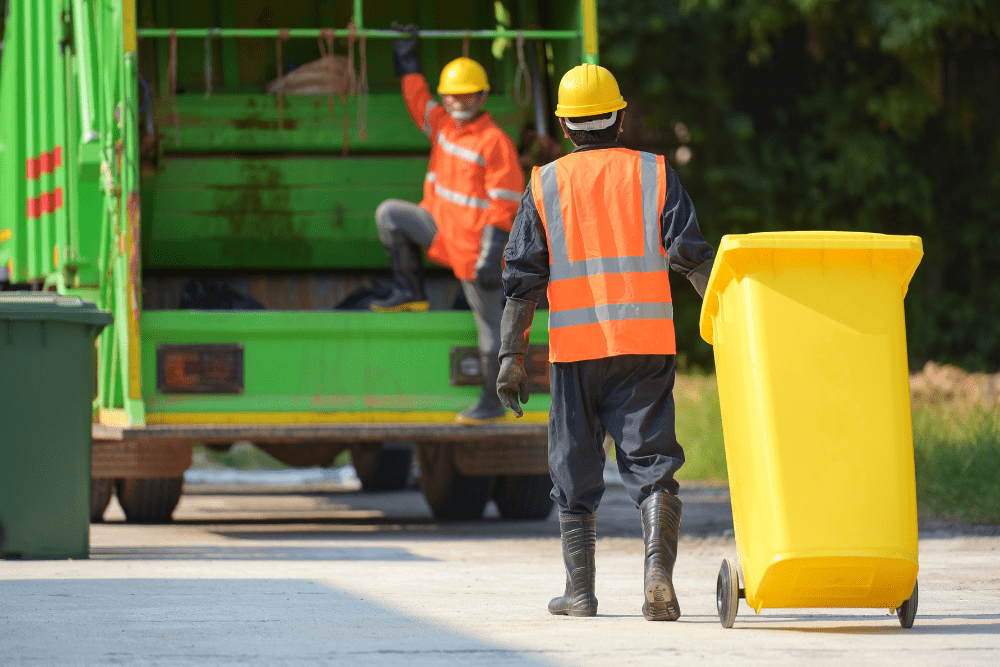
It might seem like a routine job like any other, but it’s surprisingly dangerous. In fact, refuse and recyclable material collectors have a fatality rate of 41.4 per 100,000 workers. That’s more than 11 times the national average! How? The biggest risk is transportation incidents where workers get struck by passing vehicles while on routes. They’re also faced with hazardous materials, heavy machinery, and the physical demands of the job.
7. Power Lineman
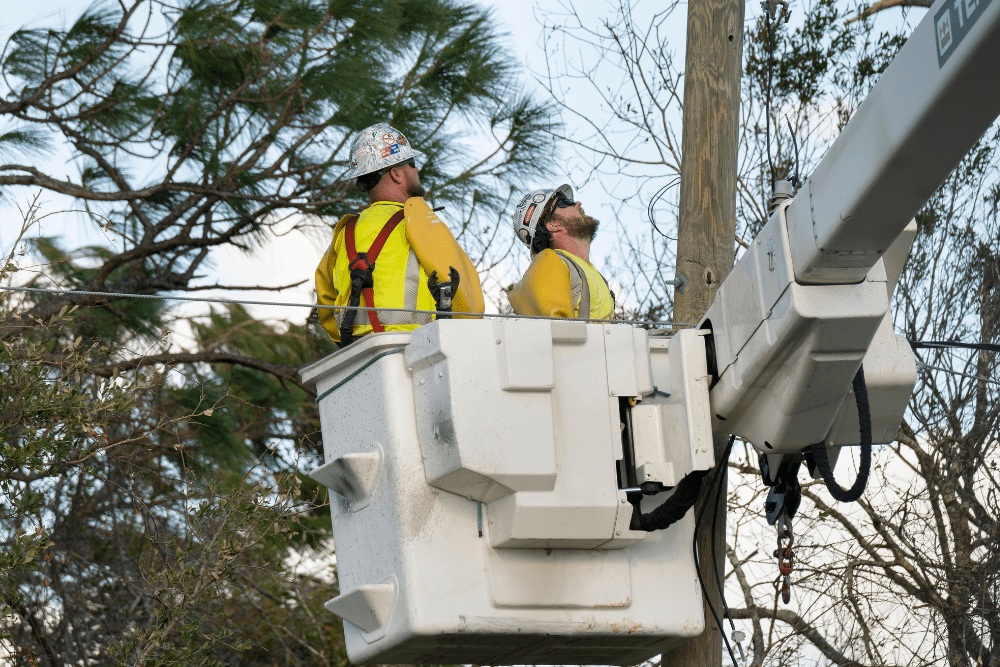
While linemen are the unsung heroes keeping lights on, they work at a high-voltage electricity site at heights, which makes their job dangerous. They face the risk of electrocution, falls, and equipment failure. In fact, the fatality rate for this job is 400% higher than the national average for all occupations. That means that with every lineman who dies, there are another 20 who suffer serious but non-fatal injuries at work.
6. War Correspondent
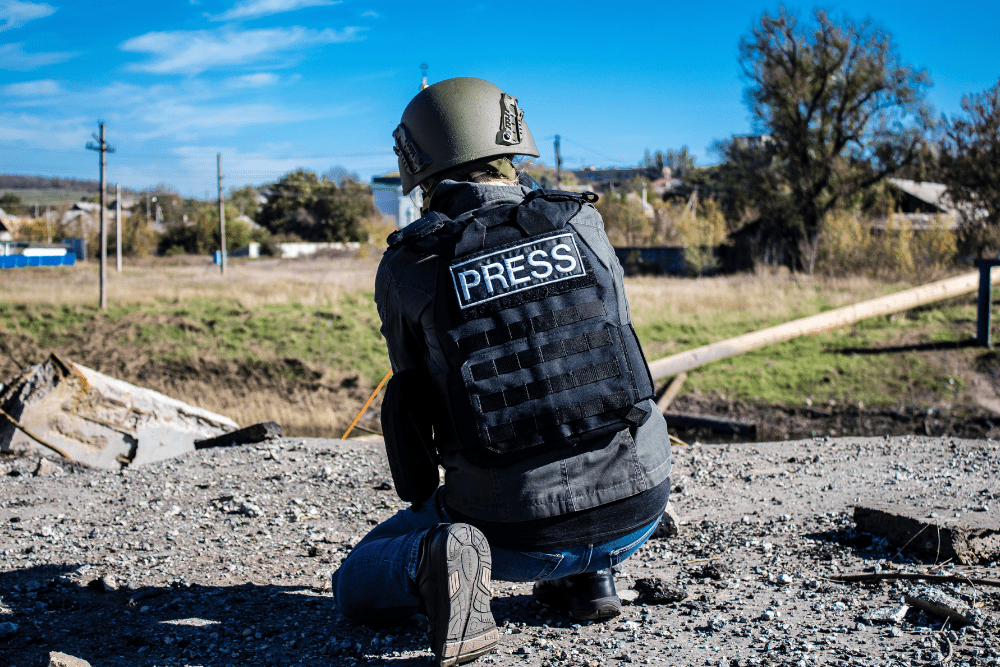
We all know that journalism can be a dangerous job, and one of those is the war correspondents. These are journalists who get sent to conflict zones to bring the world stories. They face a threat of being caught in the crossfire, kidnapped, or targeted for their work. In 2024 alone, 42 journalists were killed in conflict zones, and the Gaza Strip was the most dangerous region for reporters. Even if they survive, there’s also an emotional toll on them as they witness violence and suffering.
5. Aircraft Pilot

Being a pilot is a dream job for many, but they should know that it’s one of the dangerous jobs in the world. Aircraft pilots and flight engineers record a fatality rate of 31.3 per 100,000 workers. Commercial air travel is safer, but pilots of small planes, bush pilots, and those in the line of agricultural and emergency services bear a much higher risk. Why? They fly in bad weather conditions, remote areas, and low altitudes where their lives are at gamble.
4. Alaskan Crab Fisherman
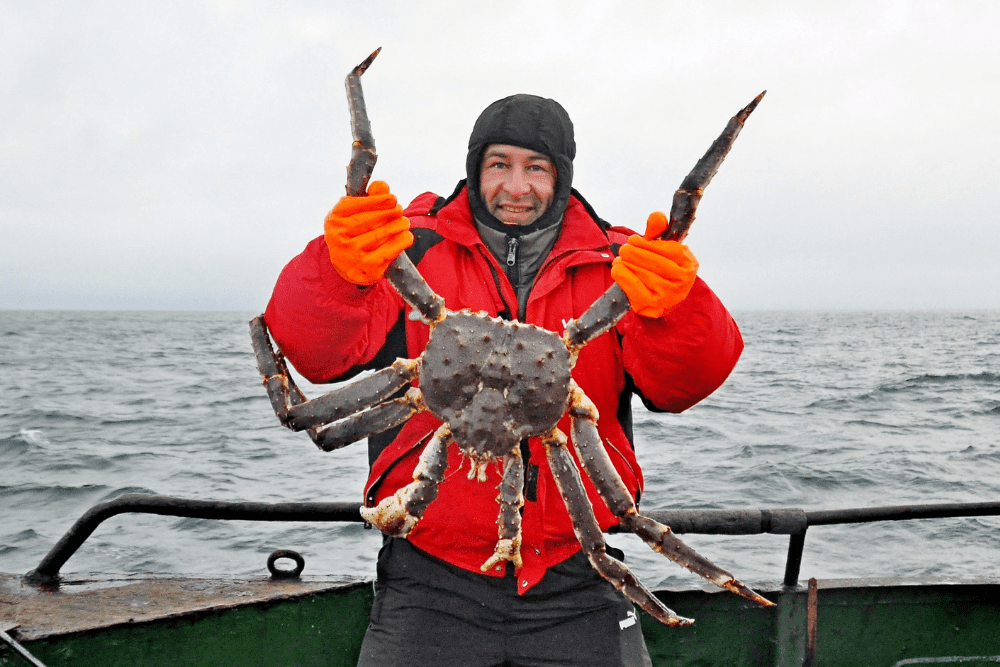
The reality of Alaskan crab fishing is intense since it records a fatality rate of 80 deaths per 100,000 workers. That’s 80 times the average worker’s risk! Why? Well, these fishermen are at battle with freezing temperatures and monstrous waves in their long hours at work. They’re at risk of being swept overboard or crushed by heavy equipment.
3. Cell Tower Climber
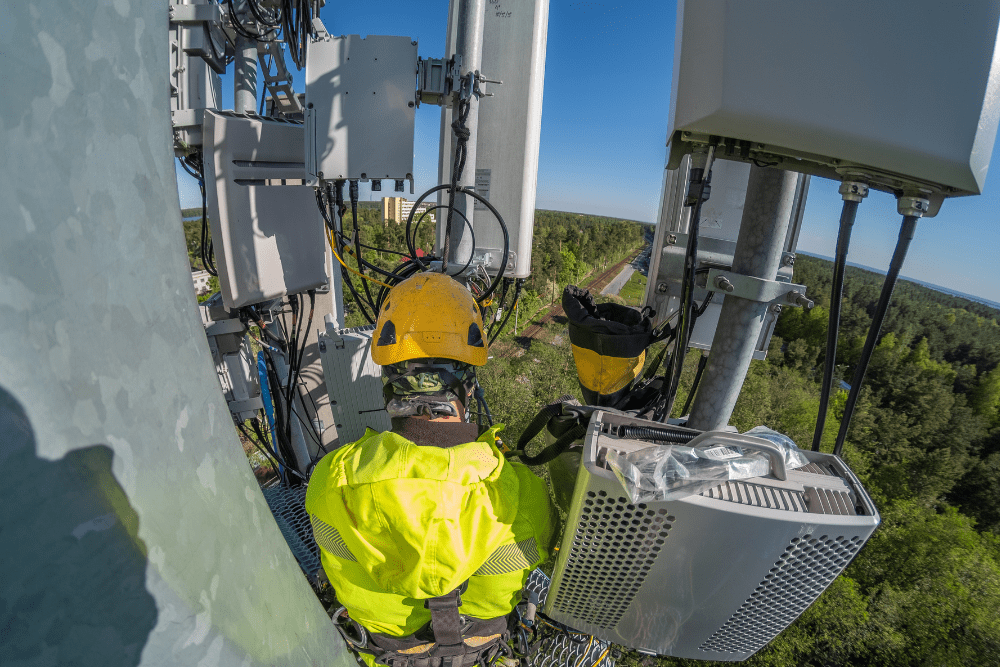
While high cell towers keep us in touch, some workers make it possible. They are the cell tower climbers working at extreme heights in challenging weather conditions. They face the risk of falling, structural collapse, and even electrical hazards. Records show that between 2003 and 2022, around 166 tower climbers lost their lives.
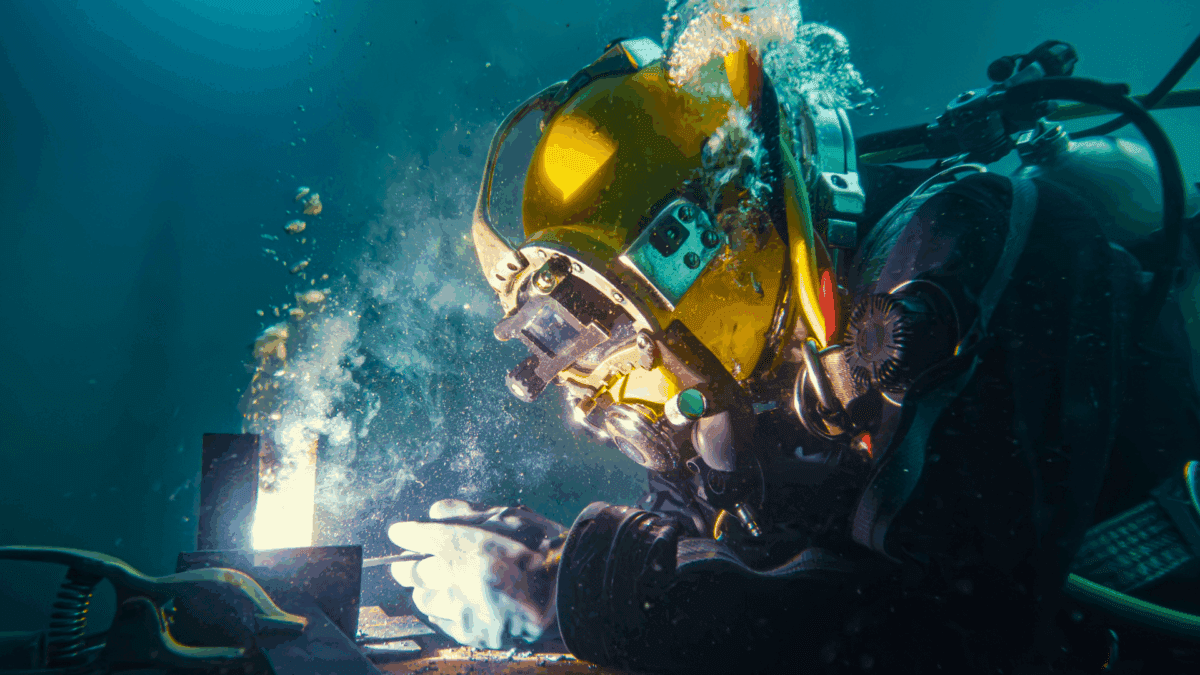
2. Underwater Welder
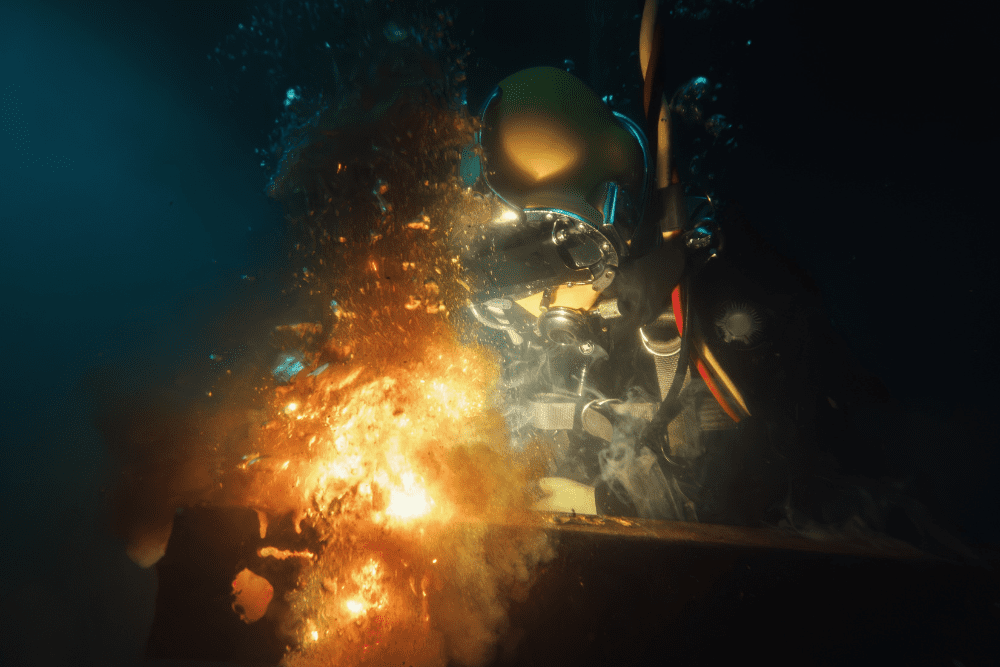
You’ve probably seen those welders on social media doing their job beneath the ocean’s surface in total darkness. They’re the underwater welders who perform one of the most dangerous jobs in the world. What they do is build and repair underwater structures like oil pipelines and offshore rigs. They face the danger of being electrocuted or drowning due to equipment failure. Also, there’s a phenomenon called Delta P, which refers to a differential in pressure that creates a suction force that would lead to death. In 2022, the Paria tragedy happened, where five divers got stuck in a pipeline.
1. Logging Worker
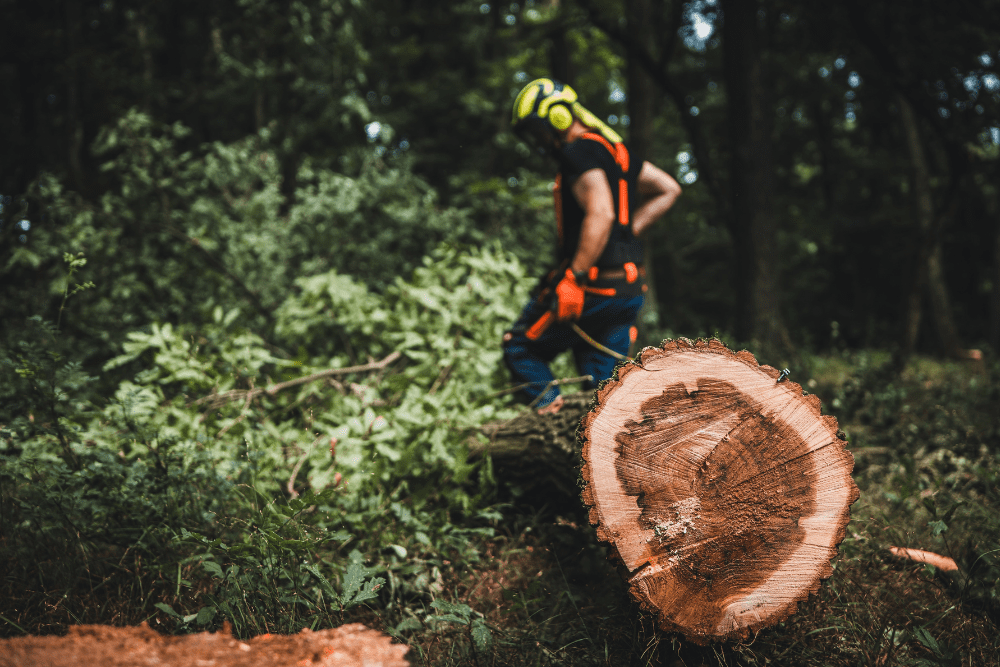
Topping the list are the logging workers, who have a fatal work injury rate of 98.9 per 100,000 workers. These loggers are in remote areas and use powerful machinery to fell and process trees. The dangers include getting struck by a falling tree or equipment. It’s also physically demanding as the hours are long and the environment is unforgiving.