
We traded slow dinners for takeout apps and neighborly chats for notifications, but maybe we gave up too much. Call it nostalgia, but some old customs were more grounding than outdated. Here are nine old-fashioned habits worth reviving today.
9. Mending Your Belongings
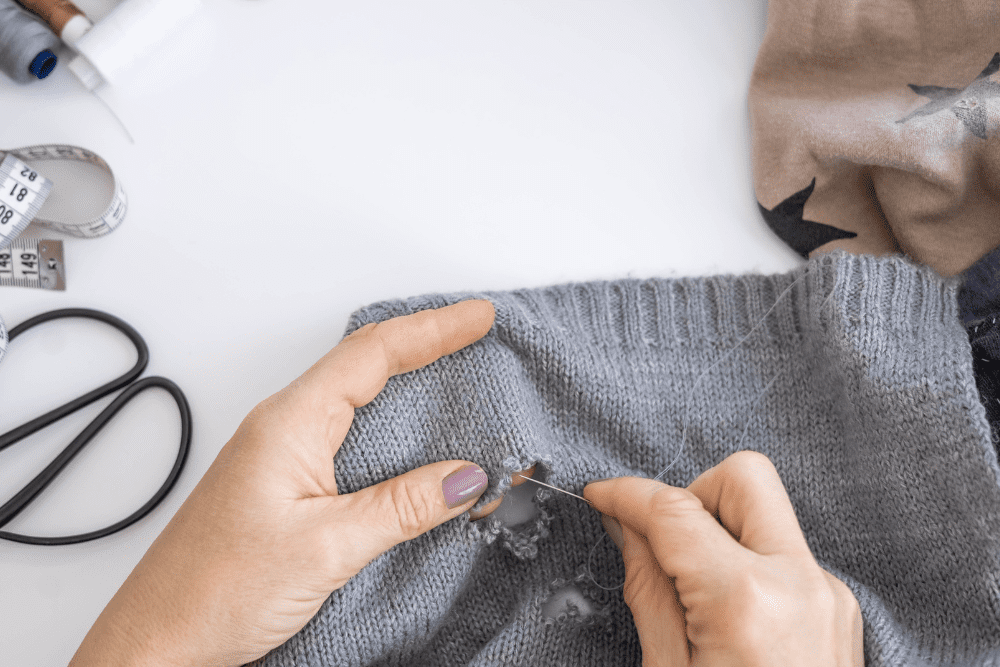
Before fast fashion and disposable everything, people mended their clothes and other household items. Today, embracing the “slow fashion” movement and repairing what you own is the antidote to our throwaway culture. Doing this also fosters a deeper appreciation for your belongings and can even become a mindful, creative outlet.
8. Eating Seasonally and Locally

Our great-grandparents ate what was in season, grown locally, and their bodies were better for it. A 2025 study from the University of Colorado’s Anschutz Medical Campus confirms that seasonal eating encourages a diverse diet, which is one of the best things you can do for your digestive health. Produce picked at its peak and eaten shortly after is more nutrient-dense than out-of-season varieties that have been shipped across the globe.
7. Taking a Digital Detox

The old custom of being present in the analog world (reading a book or having an uninterrupted conversation) is now being rebranded as a “digital detox.” It’s not about giving up technology forever, but about reclaiming time for focused activities that don’t involve a screen. This practice can enhance your cognitive and emotional well-being, leaving you feeling more refreshed and connected to the world around you.
6. Practicing Gratitude

Giving thanks is an ancient tradition found in cultures all over the world, and it’s a powerful tool for improving mental and physical health. A 2024 study in JAMA Psychiatry followed nearly 50,000 women and found that those with the highest levels of gratitude had a 9% lower risk of dying over a four-year period. Other research shows that a regular gratitude practice can reduce depression, improve sleep quality, and motivate you to take better care of your health.
5. Taking an Afternoon Nap (Siesta)

In many cultures, the afternoon nap (siesta) is a non-negotiable part of the day. Power naps of 20-30 minutes are proven to improve alertness, performance, and focus without causing grogginess. It’s a simple way to recharge your brain and body, and it’s a far healthier alternative to reaching for another cup of coffee.
4. Writing Letters by Hand

A 2025 study in the journal Life found that handwriting activates a broader network of brain regions than typing. This is known as the “encoding effect,” where the physical act of forming letters helps you retain information. Also, receiving, a handwritten letter creates a powerful emotional connection that a text or email simply can’t replicate.
3. Holding Walking Meetings

The idea of a walking meeting might seem like a modern Silicon Valley trend, but it’s an old concept that’s making a comeback. A 2014 Stanford study found that walking boosts creative output by an average of 60%. A 2024 review in Discover Psychology also confirmed that even a few minutes of low-intensity walking can boost originality and divergent thinking. Trading the stuffy conference room for a stroll outside can lead to better ideas and better health.
2. Observing a Day of Rest (Sabbath)

The idea of a Sabbath is an ancient tradition that has been largely lost in our 24/7 work culture. But research shows this practice is essential for our mental and physical health. Studies have linked a regular day of rest to improved immune health and a decrease in the rate of coronary artery disease. In a world that glorifies busyness, a day of rest is an act of self-care with profound benefits.
1. Eating Meals with Others (Communal Dining)

The simple act of sharing meals with others is one of the strongest predictors of our well-being. The 2025 World Happiness Report ranks meal sharing on par with factors like employment and income. Additionally, research published in National Geographic in May 2025 shows that countries with high rates of meal sharing have lower levels of loneliness. The act of eating together, known as “commensality,” has been shown to improve mental health, appetite, and even cognitive function.