
Here’s an unsavory truth: phones run our lives and we’re kind of tired of it. That’s why digital detox challenges are taking over social feeds this year. These simple resets promise to give your brain a breather. Here are the nine challenges everyone’s trying right now.
9. The “One-Meal-A-Day-Unplugged” Challenge

The simple act of putting your phone away during one meal a day can transform eating from a rushed task into a satisfying mindful practice. By dedicating just one meal to being fully present, you’re both nourishing your body and training your brain to find joy in the here and now. The most surprising part? You’ll likely find the food itself tastes better than you ever realized.
8. The “Tech-Free Commute” Challenge

Instead of scrolling through emails or social media during your commute, use that time to be completely screen-free. This isn’t just about avoiding your phone. It’s about engaging with the world around you and letting your mind wander. Doing so allows your brain to enter a state of diffuse-mode thinking, which is crucial for problem-solving and creativity. By the time you arrive at your destination, you’re mentally reset and ready to perform.
7. The “App Deletion” Challenge

Here’s the challenge: choose one to three of your most time-consuming apps and delete them for a full month. You’ll be amazed not just at the reduced screen time, but also at how your brain rewires itself. Without the constant pull of notifications and infinite scrolling, you’ll seek out more meaningful activities and real-world connections.
6. The “Digital Sunset” Challenge
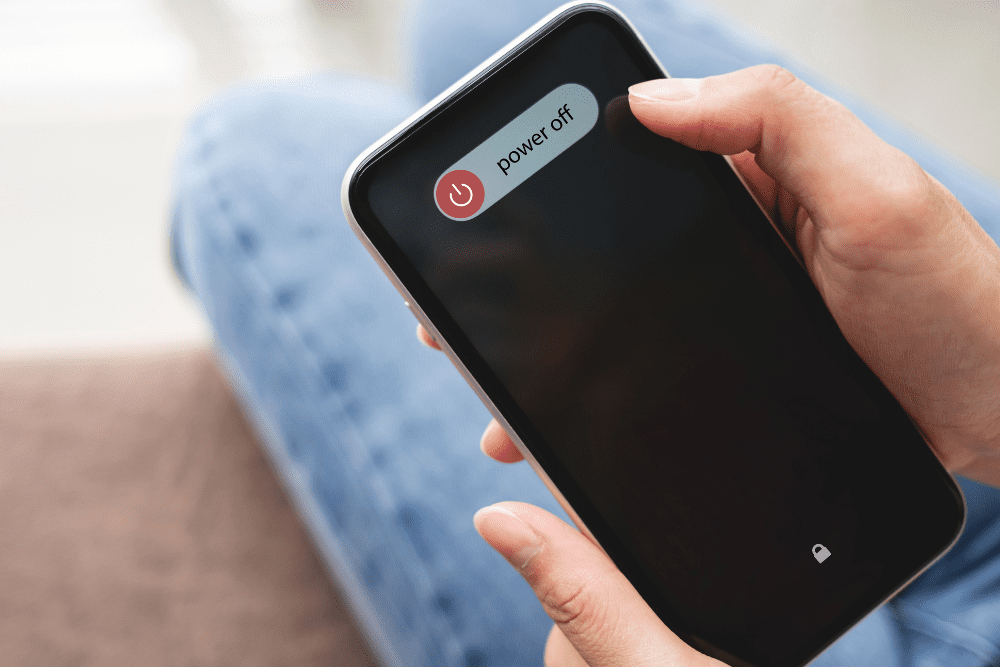
The Digital Sunset challenge involves setting a specific time (ideally 60 to 90 minutes before sleep) to power down all screens. By creating a “sunset” for your digital life, you’re giving your brain the signal it needs to begin its natural sleep process. This simple habit also compounds, turning your evenings into a restorative period that sets you up for a more productive tomorrow.
5. The “No-Phone Morning” Challenge

Do you check your phone within 15 minutes of waking up and hijack your brain with a flood of notifications? The No-Phone Morning challenge flips this script. For the first hour of your day, your phone should be left untouched. By giving your brain a chance to wake up without the immediate spike in cortisol and anxiety caused by digital stimuli, you’re setting a calm tone for the entire day.
4. The “Notification Batching” Challenge

Instead of turning off all notifications (which can actually increase anxiety and FOMO), the Notification Batching challenge requires you to schedule them to arrive in bundles just three times a day (morning, noon, and evening). A 2019 study published in Computers in Human Behavior found that this method reduced stress and increased productivity. The reason it works well is that it eliminates the constant distraction that fragments your attention, allowing you to engage in deep work.
3. The “Phone-Free Bedroom” Challenge

The Phone-Free Bedroom challenge requires you to remove all electronic devices from your bedroom, and the benefits can go far beyond better sleep. A 2025 Sleep Foundation report highlighted that a tech-free bedroom can significantly improve sleep quality by eliminating blue light and notification-driven interruptions. For those with partners, the absence of screens can foster deeper connection and intimacy.
2. The “Grayscale” Challenge
The Grayscale Challenge involves changing your phone’s display to black and white. A 2024 study published in Mobile Media & Communication found that people who switched their phones to grayscale used them for an average of 20 minutes less per day. That’s over two hours of your life reclaimed each week! However, the most incredible benefit isn’t the time you get back. It’s the reduced stress and improved sense of control over your device.
1. The “14-Day Social Media Sabbatical”

The ultimate digital detox aka the 14-Day Social Media Sabbatical involves completely abstaining from all social media platforms for two weeks. A 2024 study from BMC Psychology conducted a 14-day social media abstinence experiment and found that it decreased not only screen time but also body image dissatisfaction. This challenge can help break the cycle of comparison, validation-seeking, and endless scrolling that fuels our digital anxiety.