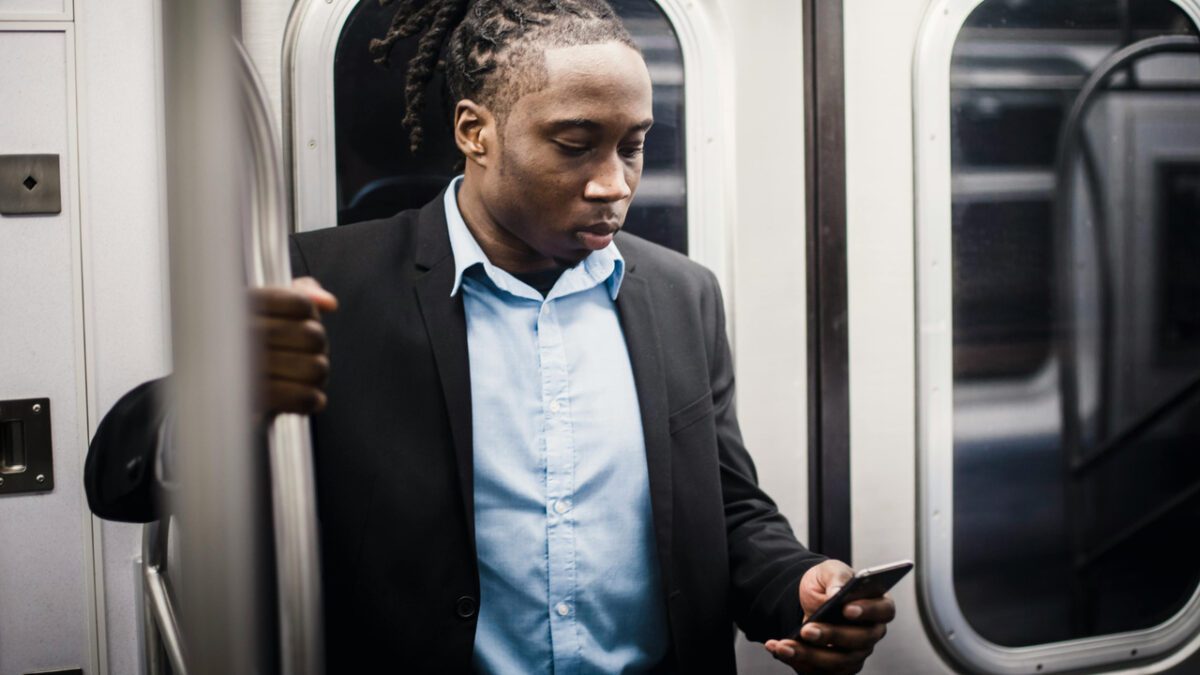
Remember bean bags, open offices, and “casual Fridays”? The pandemic quietly killed a lot of that. When remote work became the norm, many of the “fun” office perks started to feel unnecessary or outdated. Here are 11 workplace trends that didn’t survive the post-pandemic world.
11. Office Landline
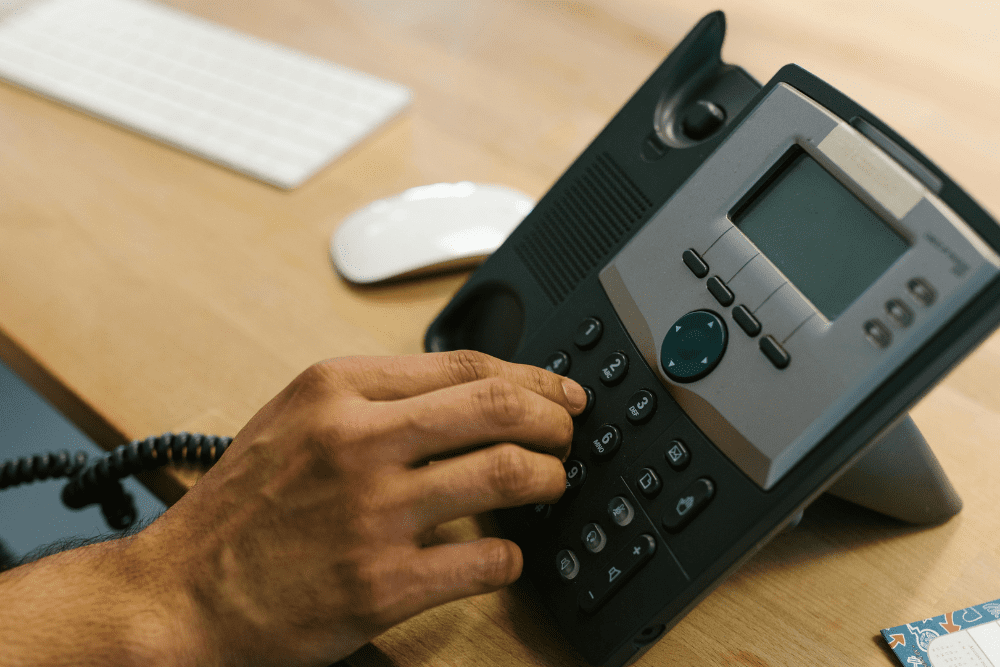
Remember the days of using a landline phone while typing with one hand? That’s now a distant memory. Companies realized that mobile phones and VoIP services like Zoom and Microsoft Teams were more than capable of handling business communications. AT&T is even planning to phase out its traditional copper-wire landline network by 2029. It’s a quiet change, but one that symbolizes the broader move toward a more mobile way of working.
10. Office Printing
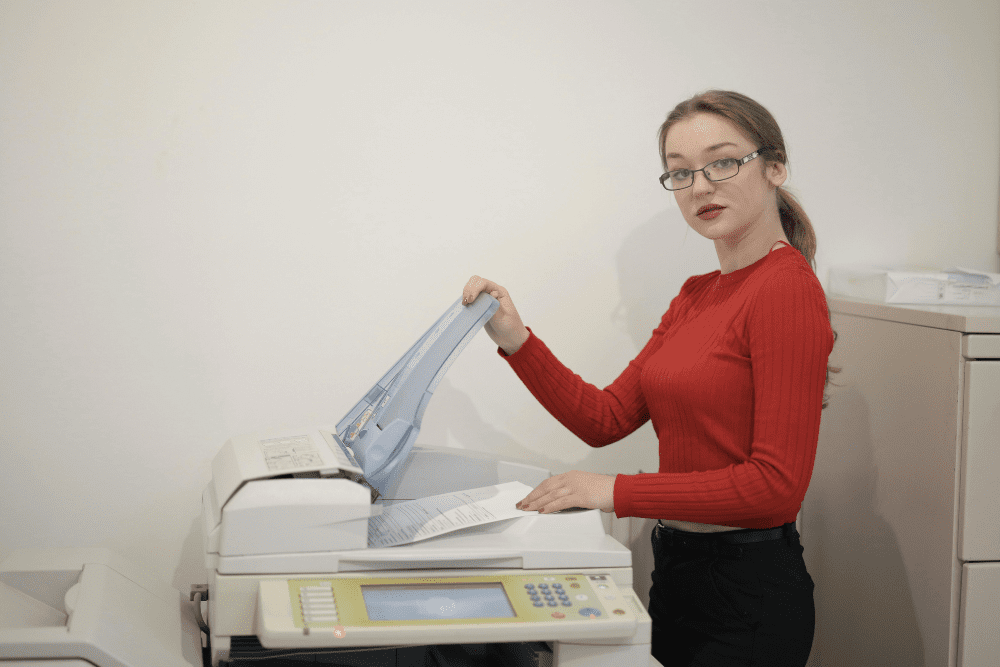
With employees working from home and digital collaboration tools becoming the norm, the need to print documents has plummeted. HP’s CEO, Enrique Lores, confirmed this trend, stating in 2024 that the number of pages printed in offices has dropped by 20% since the pandemic began. The days of printing are over, replaced by the convenience of digital documents.
9. Lavish Office Perks
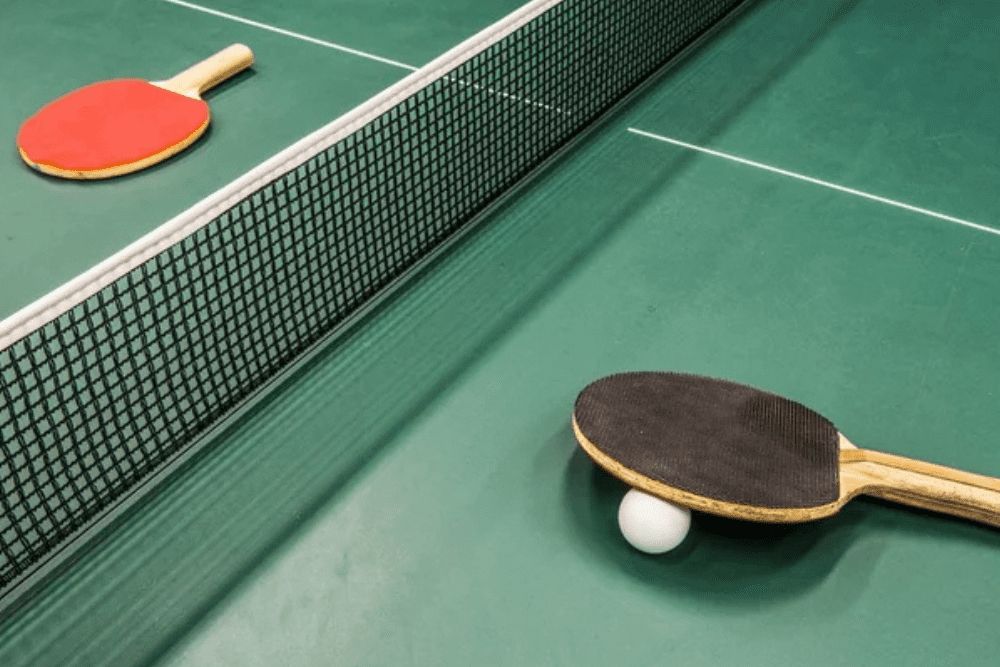
The pandemic forced a major reassessment of what employees truly value, and it turns out that flashy office perks like ping-pong tables and nap pods are no longer a top priority. As a 2024 BBC article highlighted, workers now crave more tangible benefits like flexible work schedules, better pay, and a greater focus on mental health.
8. Daily Commute
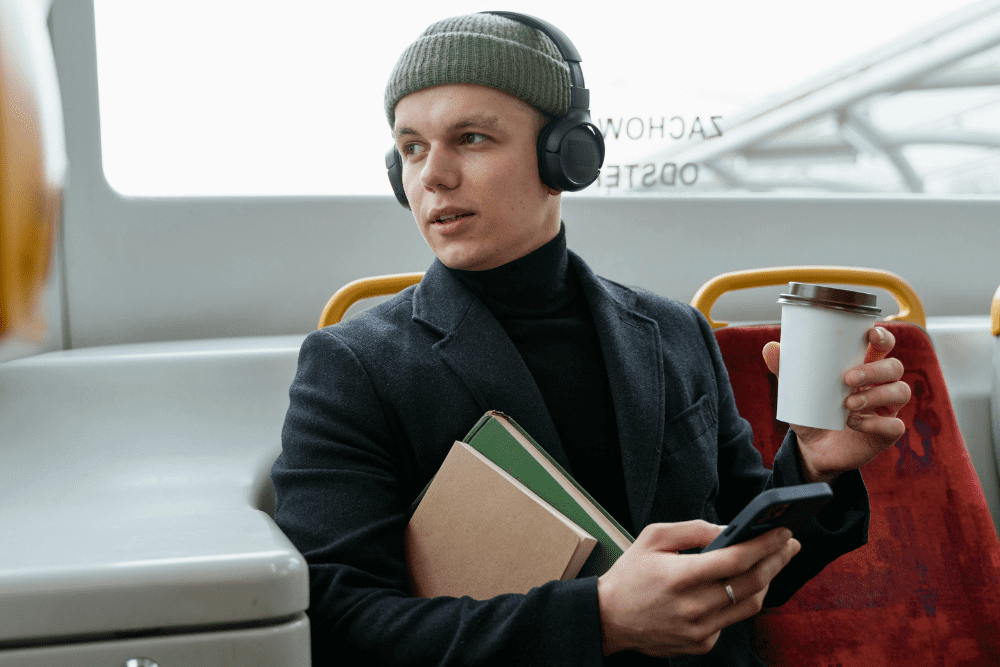
While not everyone has the luxury of working from home, a significant portion of the workforce now enjoys a commute-free lifestyle, at least for part of the week. Pew Research Center data from 2024 shows that 43% of workers with teleworkable jobs now follow a hybrid schedule. Some companies are pushing for a return to the office, but the 9-to-5, five-day-a-week commute is no longer the default for a large segment of the professional world.
7. Business Card

The humble business card, once a staple of networking events, is becoming a relic of the past. Today, professionals are more likely to connect on LinkedIn or exchange digital contact information than to swap pieces of cardstock. This shift reflects the trend toward digital-first networking and a move away from the formal exchanges of the pre-pandemic era.
6. Formal Dress Code

Suits, ties, and high heels were replaced by more comfortable attire as employees adapted to working from home. This casual trend has persisted even when people returned to the office. According to a 2025 Raconteur article, there has been an 80% decline in formal dress codes, with only 4.3% of employers still enforcing strict requirements.
5. After-Work Happy Hour
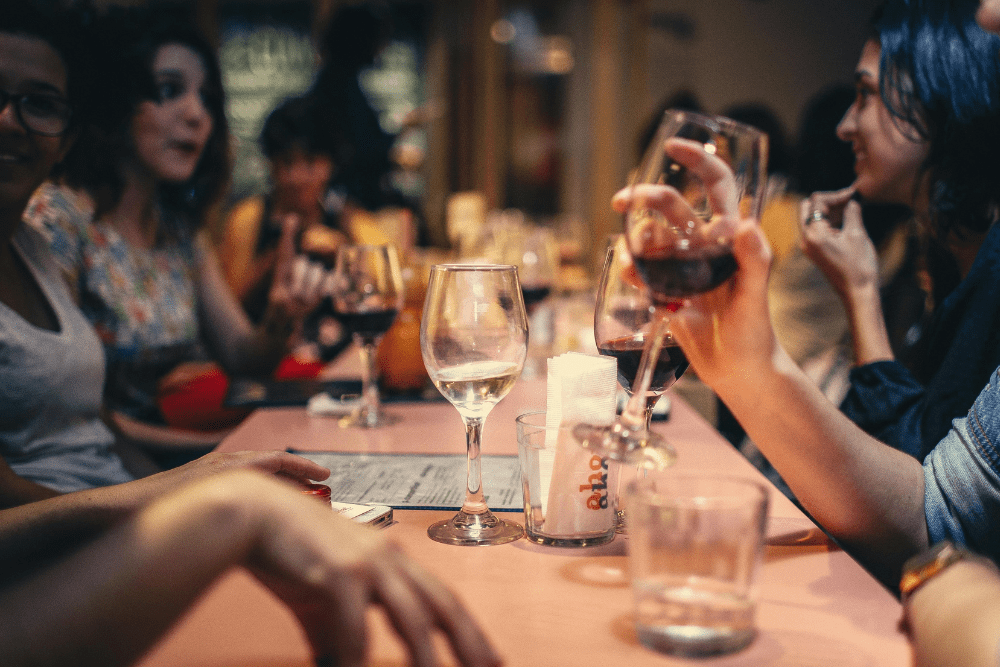
The after-work happy hour has also seen a decline in popularity. The rise of remote and hybrid work made it more difficult to coordinate spontaneous after-work gatherings. A 2025 Slate article noted that even when people are in the office, the desire to rush home and avoid a lengthy commute often outweighs the appeal of a post-work drink.
4. Annual Performance Review
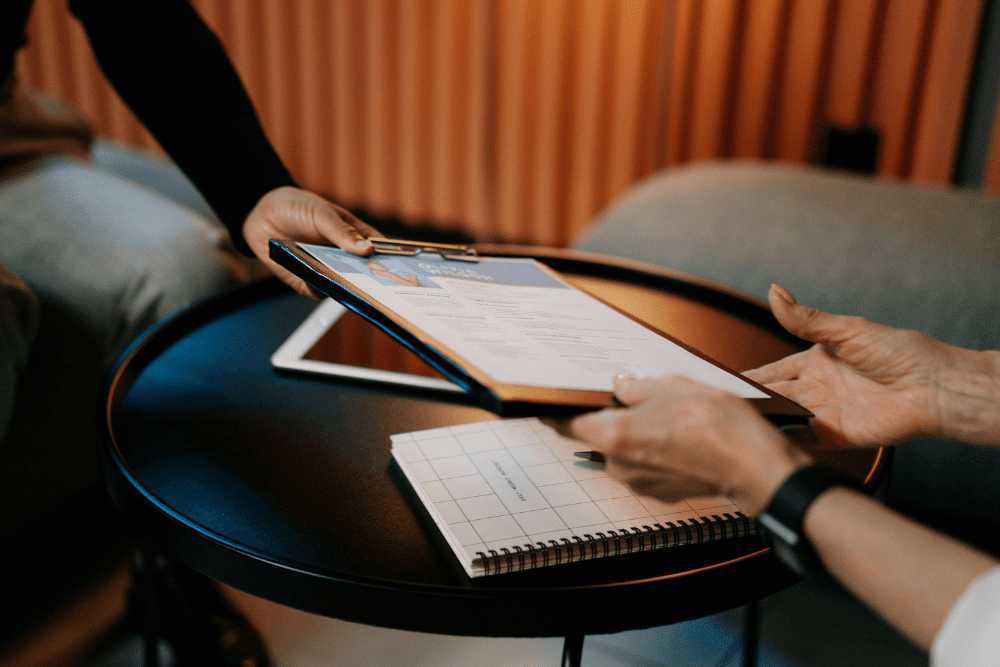
The dreaded annual performance review is on its way out. Many companies are recognizing that this once-a-year feedback model is often ineffective. Instead, they’re moving toward a system of continuous feedback and regular check-ins. This shift has been accelerated by the need for a responsive performance management in a rapidly changing work environment.
3. Water Cooler Conversations
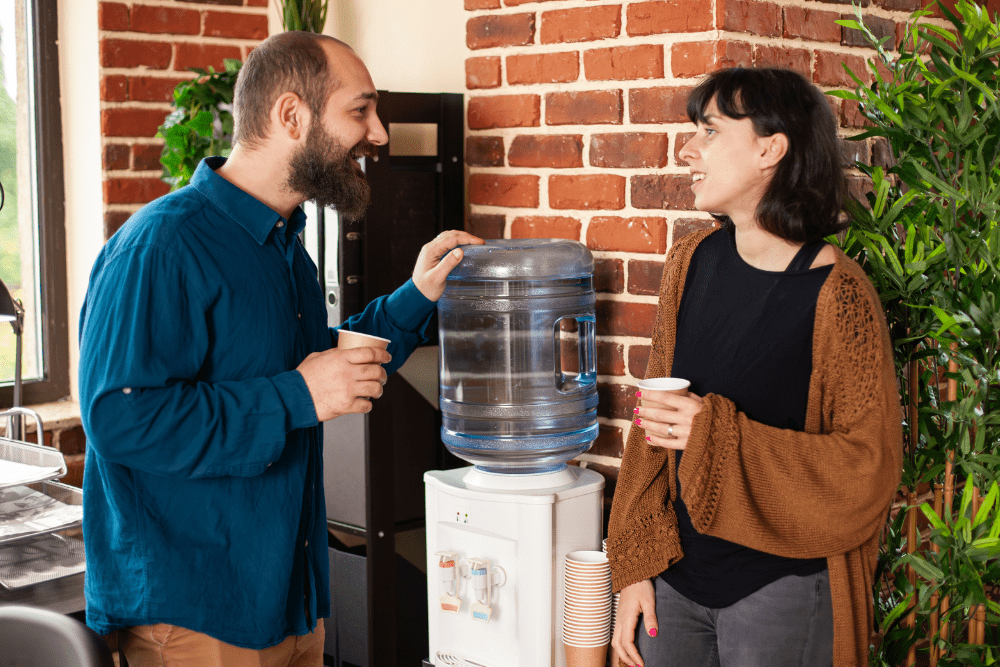
The spontaneous, informal conversations that used to take place around the office water cooler have largely disappeared. While companies have tried to replicate these moments with virtual water coolers and online social events, it’s difficult to recreate the serendipity of a chance encounter in the hallway. The loss of these casual connections is one of the biggest challenges of the new world of work.
2. Traditional Lunch Break

The traditional one-hour lunch break is becoming increasingly rare. With the rise of remote work, many employees now have more flexibility in how they structure their day, often choosing shorter, more frequent breaks or eating at their desks. While this flexibility can be a benefit, it also raises concerns about the blurring of boundaries between work and personal life and the loss of a dedicated time to recharge.
1. Open-Plan Office
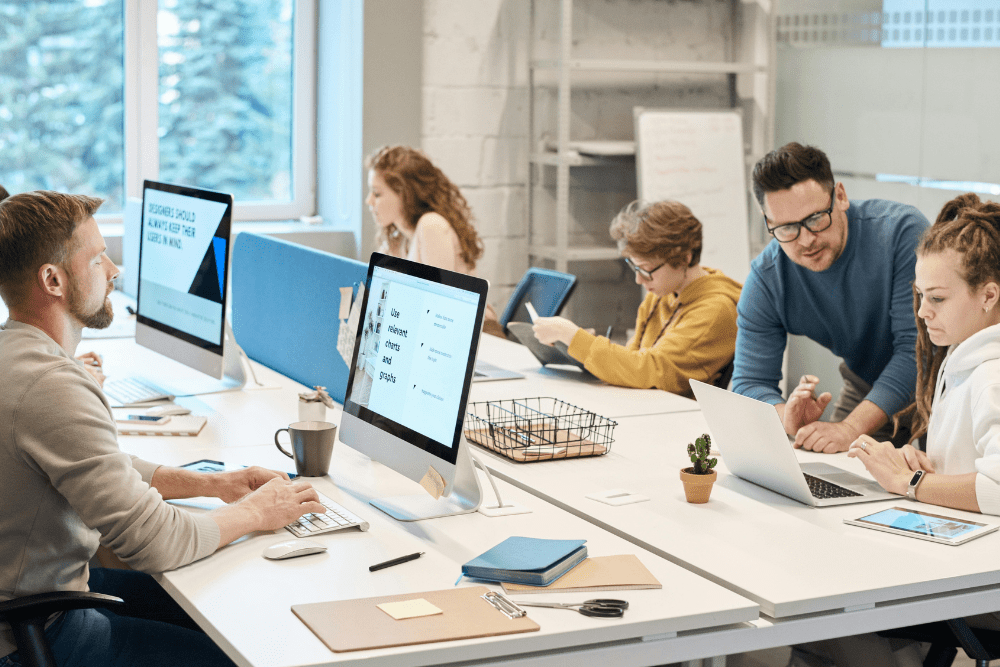
The open-plan office, once known to improve collaboration and creativity, has fallen out of favor. Employees have grown accustomed to the privacy and focus of working from home, and many are reluctant to return to the distractions and noise of an open office. As a result, companies are rethinking their office layouts, incorporating more private spaces, and embracing a more flexible approach to workspace design.