You exercise, eat well, and try to get your eight hours. But somehow, you still wake up tired. Even the healthiest people can wreck their sleep without even realizing it. Here are eight sleep mistakes that quietly ruin a good night’s rest.
8. Your Bedroom Is a Furnace
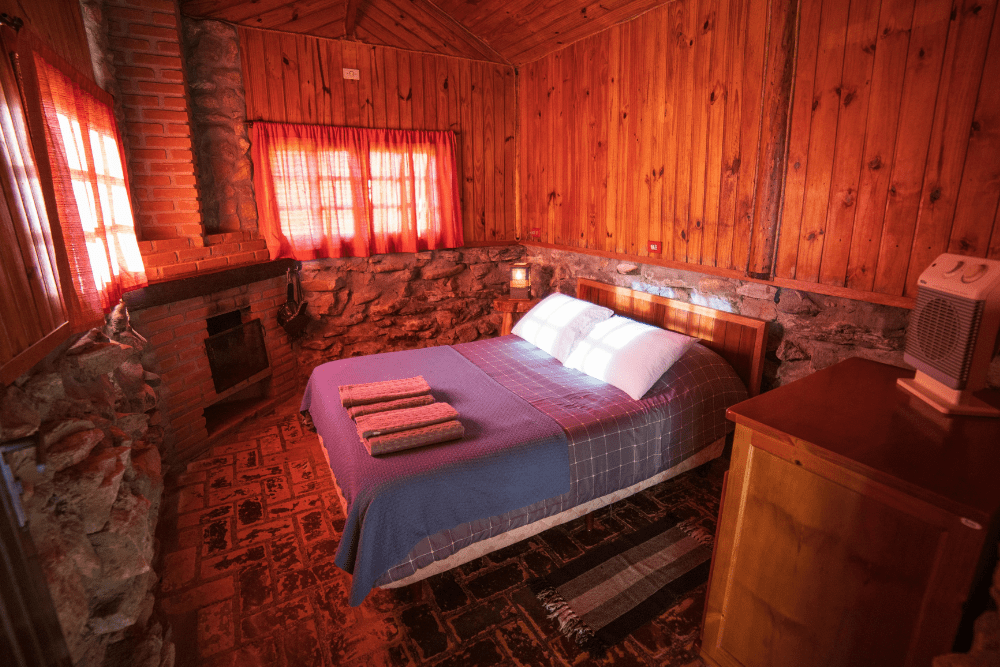
Your body’s temperature naturally needs to drop by two to three degrees Fahrenheit to initiate and maintain sleep. A warm environment actively prevents this, leading to more frequent awakenings. A 2024 study in Sleep Medicine Reviews confirmed that higher ambient temperatures are associated with degraded sleep quality and quantity worldwide. So, an immediate change you can make to your sleep environment tonight is to turn down the heat to unlock a deeper level of rest.
7. Your Nightcap Is Sabotaging Your Brain’s Reboot

It’s a common ritual: a glass of wine or a cocktail to relax before bed. However, this is a widespread sleep mistake. While alcohol is a sedative, the sleep it induces is shallow and far from restorative. A 2025 study in Sleep noted that alcohol suppresses REM sleep, especially in the first half of the night. This means that even if you get your eight hours, you’re waking up with a brain that hasn’t fully processed the day’s events or cleared out emotional baggage.
6. Your Late-Night Workout Is a Hidden Stressor

The common belief is that any exercise is good exercise, regardless of timing. But the reality is that strenuous evening exercise acts as a physiological alarm clock, telling your body it’s time to be active, not to wind down. This happens because intense exercise raises your body temperature, heart rate, and cortisol levels, all of which signal the opposite of being ready for sleep.
5. Your “Power Nap” Is a Failure
Most people believe a longer nap is more restorative, but the opposite is often true. Naps of 20-30 minutes are ideal for a quick boost in alertness. Once you nap for longer than 30 minutes, you’re more likely to enter deep, slow-wave sleep, and being wakened from this stage causes grogginess and disorientation.
4. You’re Treating Weekends as a Sleep “Credit Card”
You sleep in for hours on Saturday and Sunday, assuming you’re erasing the debt you’ve accumulated. But this practice is a physiological myth. Your circadian rhythm doesn’t have a “weekend mode.” It thrives on a regular cycle of light and dark exposure. When you shift your sleep and wake times, you’re sending confusing signals to your brain and body, leaving you feeling groggy and out of sync come Monday morning.
3. You’re Obsessed with Blue Light from Screens

A 2024 Harvard Health article highlighted that the blue light emitted from a smartphone is a tiny fraction of the blue light you get from a bright overhead light. Your brain’s circadian clock is mainly regulated by the overall brightness of your environment. When you’re exposed to bright room lighting in the hours before bed, you’re sending a “daytime” signal to your brain, which can delay your sleep.
2. You’re Missing Morning Sunlight
A powerful signal for setting a healthy circadian rhythm is exposure to natural light within the first hour of waking. A 2025 study in BMC Public Health found that morning light exposure is linked to improved sleep quality and a faster sleep at night. When you skip this step, you’re basically leaving your brain in a state of circadian confusion. It doesn’t get a clear “start” signal, which can lead to grogginess and not feeling sleepy at the right time at night.
1. You’re Trying to Force Sleep

An NPR article from November 2024 emphasizes that staying in bed while struggling to sleep reinforces a negative feedback loop. The more you try to force it, the more your body produces stress hormones like cortisol. One solution is the “20-minute rule.” If you can’t fall asleep (or fall back asleep) after about 20 minutes, get out of bed. Do something quiet and relaxing in dim light. The goal is to break the cycle of anxiety and return to bed when you genuinely feel sleepy again.