
Before you travel, make sure to research the rules in the country you’re heading to, as ignorance isn’t an excuse. Every country has its own cultural norms, historical context, and laws that might land you in serious trouble. These are the ten countries with strict rules that could catch unsuspecting tourists off guard.
10. Late Night Noise (Switzerland)
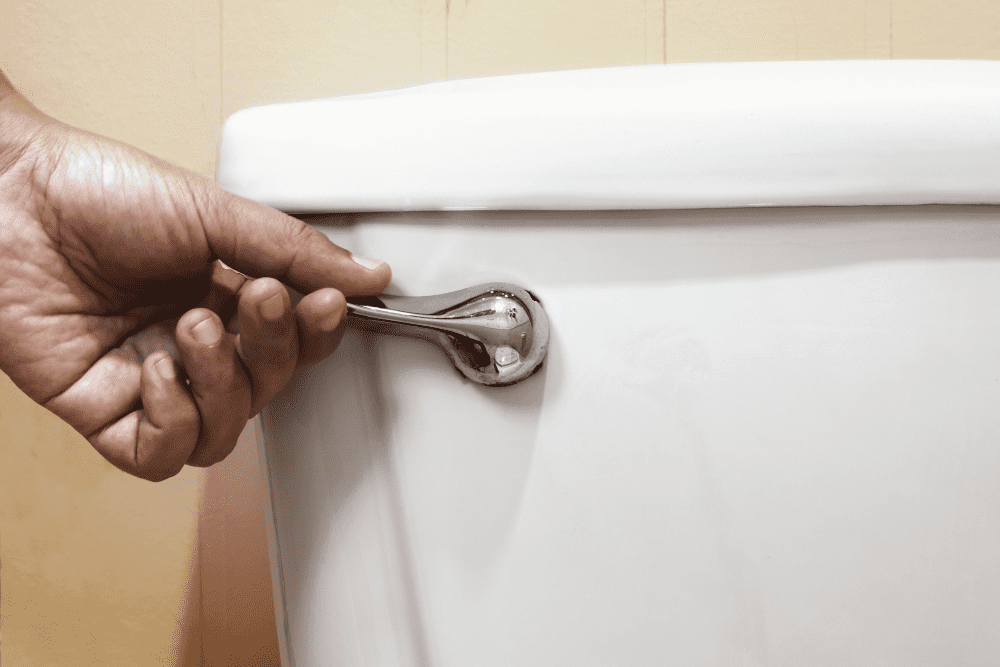
Many Swiss apartments have noise regulations strictly enforced. While the shocking “no toilet flushing” isn’t a national law, it’s still under their noise pollution after 10 PM. With that, you should make it a habit to check house rules if renting an apartment on Airbnb, and just respect their quiet hours.
9. Dirty License Plate (Russia)
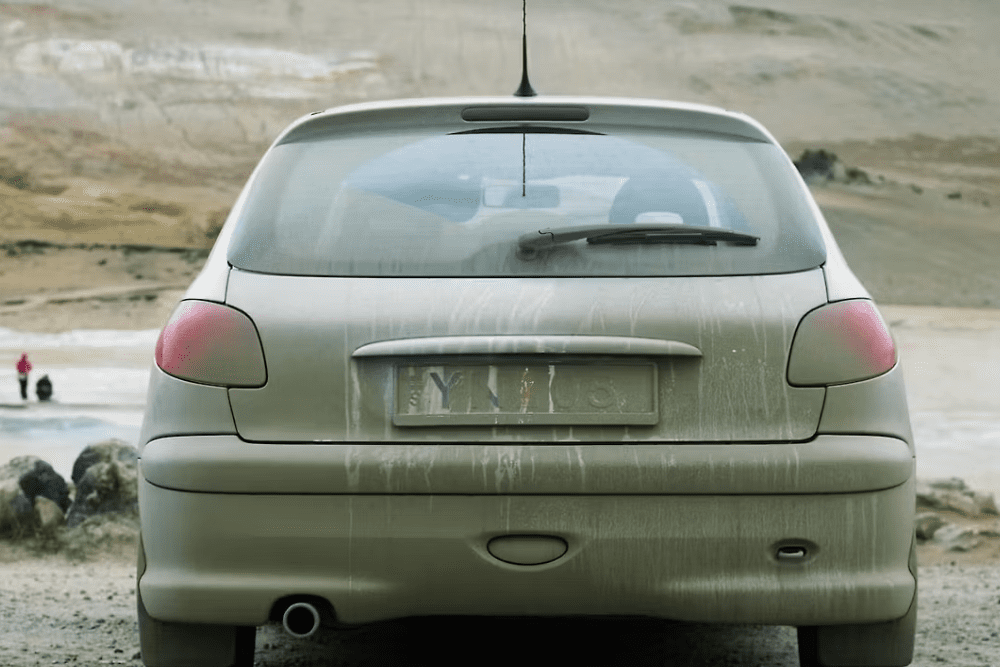
In Russia, driving a visibly dirty car will cost you a fine, particularly if your license plate is unreadable. The government implemented this law for road safety, as dirty plates can make it difficult for them to identify vehicles. With that, you should make sure that your rental car’s license plate is readable before you run it on the road.
8. Certain Over-the-Counter Medications (Japan and Greece)

Usual over-the-counter medicines like Sudafed and Vicks are prohibited in Japan and Greece. It includes Ambien, pain medications with tramadol or codeine, and attention-deficit medicines. Travelers should learn to research laws about the medicine they’re bringing abroad and consult medical guidance for substitute medications. Also, keep them in their original container and bring a prescription with you.
7. Public Displays of Affection (Dubai, UAE)

When traveling with your partner to Dubai, note that there are strict laws about public intimacy. While minimal holding hands is acceptable, hugging and kissing in public is not allowed. Once you and your partner are seen displaying affections, you’ll face fines, imprisonment, or deportation.
6. Driving Without a Shirt (Thailand)

While Thailand is a tropical country, tourists who are touring in a rental car, zipping on a scooter, or riding a bike without their shirt are illegal. This law aims to maintain the country’s public decency standards, so it’s best to follow and respect their local dress codes to avoid landing yourself in hot water.
5. Swimwear Away From the Beach (Grenada)

Many tourists head to Grenada to enjoy the beaches. While swimsuits are allowed by the ocean, stepping off the beach in your bikini will get you charged for indecent exposure. It’s a crime that carries a maximum sentence of six months in jail or a fine of $270. This law reflects the island’s conservative values and expectations that beachwear should only be worn at the beach.
4. High Heels at Historic Sites (Greece)

Greece has strict laws to protect its historical landmarks, and one of the rules is that it prohibits visitors from wearing high heels at archaeological sites. That includes the famous sites like the Acropolis, the Odeon of Herodes Atticus in Athens, and the Epidaurus Theatre in the Peloponnese region. The reason for this is that Greek officials think that heels will damage the monuments, which would lead to erosion. With that, tourists are encouraged to wear flat or rubber-soled shoes when visiting the sites.
3. Eating Near Monuments (Italy)

To help keep the city clean, officials ban eating in or near monuments in Rome. While tourists can still eat in the Eternal City, it should be away from the Spanish Steps, Colosseum, and other monuments. But there’s a loophole, as eating throughout the city is allowed as long as you’re walking. But if you stop, then you’ll be fined for up to 500 euros. Also, feeding pigeons in Venice’s St. Mark’s Square is not allowed, as the acidic pigeon droppings can cause damage to marble and stone structures.
2. Camouflage Clothing (Caribbean Nation)

Caribbean destinations like Antigua, Barbados, Grenada, Jamaica, and Saint Lucia have strict laws regarding camouflage clothing. Why? They reserve the pattern for military use, and if you’re seen wearing it, then you’ll be asked to change or face fines. You’ll even have your clothes confiscated. Particularly in Barbados, Saint Lucia, and Trinidad and Tobago, they have strict rules, as back in 1980, gang members impersonated soldiers. This applies even to accessories. In Barbados, you’ll receive a jail sentence for up to a year or a fine of up to $2,000.
1. Chewing Gum (Singapore)

The sale of chewing gum in Singapore has been illegal since 1992. It was introduced after vandals would stick gum on the door sensors of their Mass Rapid Transit trains, which caused disruptions to services and costly maintenance. Importing chewing gum will get you fined up to $10,000 or imprisoned for up to two years. If you commit this law for the second time, then that’s a $200,000 fine or imprisonment of up to 10 years. But note that it’s legal for travelers to bring just a few for personal use, only the sale and import are not allowed.