
The best city designs don’t just look good. They quietly make life better. Think pavements that reduce heat, superhighways for cycling, and 15-minute cities. These are the kinds of ideas that can change how people move, connect, and live for the better. Check out these 10 urban designs that are efficient and people-first.
10. Vertical Gardens
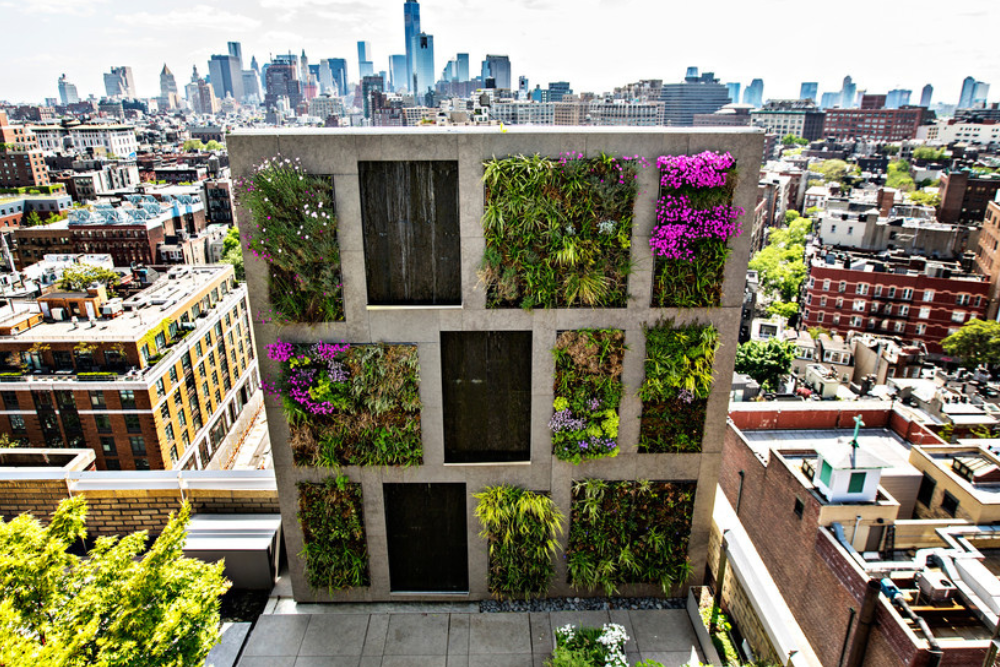
Imagine a city where skyscrapers are draped in lush greenery instead of cold concrete. That’s the beauty of vertical gardens. These installations can help improve air quality by filtering pollutants and reduce the urban heat island effect by providing shade and evaporative cooling. Vertical gardens can also create new habitats for birds and insects. This is how you turn a concrete jungle into an urban oasis.
9. Tactical Urbanism
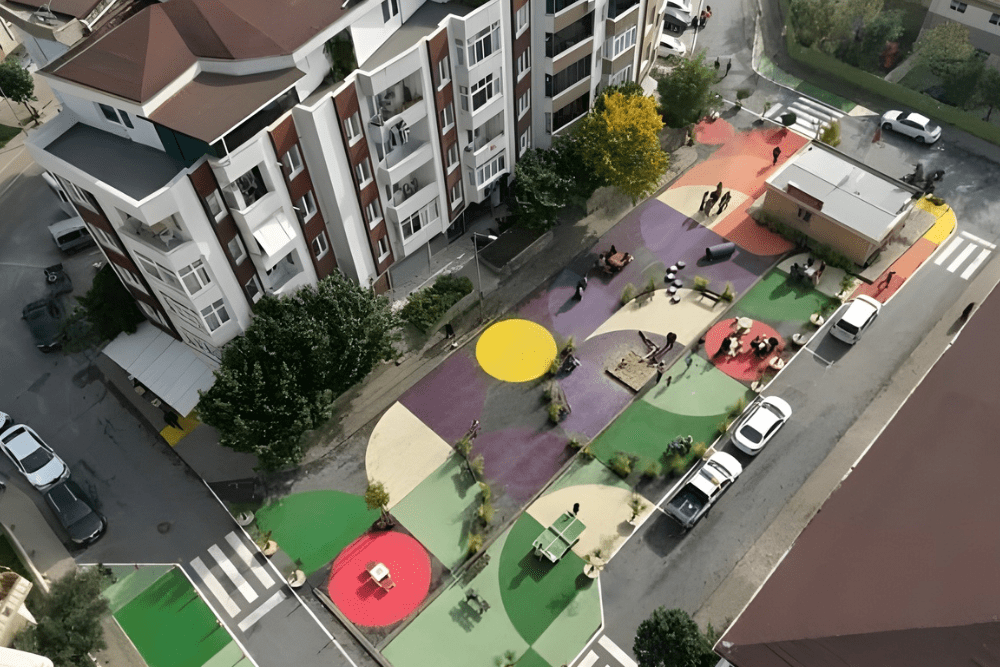
The idea behind tactical urbanism is to use low-cost, temporary projects to test out new ideas for public spaces. Think pop-up parks in parking spots (parklets) or temporary bike lanes and pedestrian plazas. These interventions allow communities to experiment with new ways of using their streets and gather feedback before committing to permanent changes.
8. Cool Pavements

On a scorching summer day, dark asphalt can reach 152°F (67°C), turning our cities into ovens. The fix? Cool pavements that reflect more sunlight and absorb less heat than traditional paving materials. These surfaces can stay 10-16°F cooler than their conventional counterparts. The temperature difference can lower energy consumption for air conditioning and improve air quality by slowing the chemical reactions that create smog.
7. Woonerf
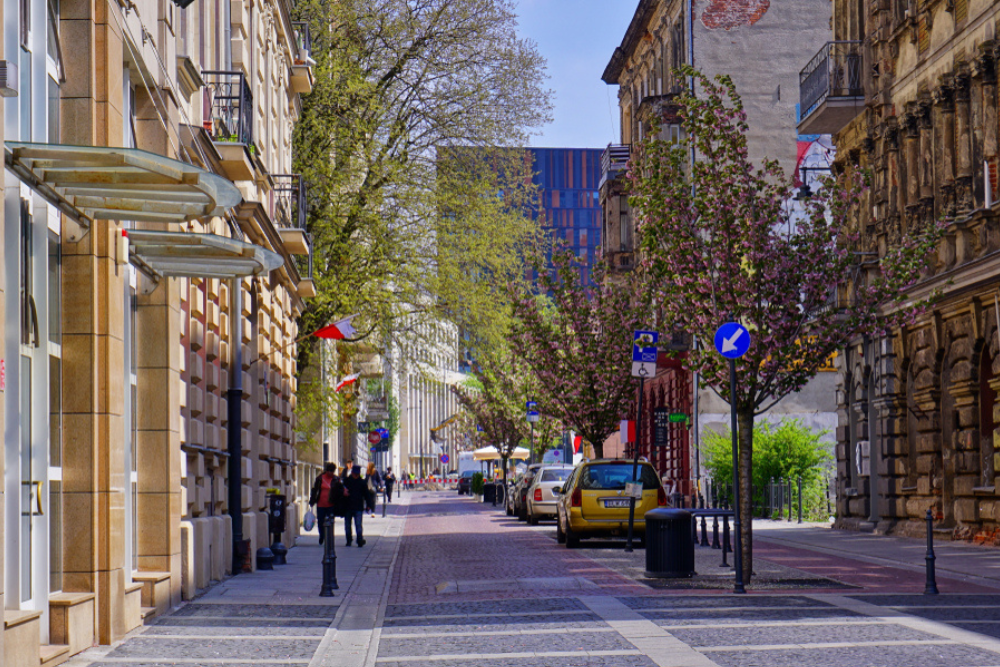
“Woonerf” is a Dutch word that translates to “living street.” It’s a concept that reimagines residential streets as shared spaces where pedestrians, cyclists, and cars all exist in harmony. By removing curbs, using traffic calming measures (planters and benches), and creating a park-like atmosphere, these streets force drivers to slow down and be more aware of their surroundings.
6. Cycle Superhighways
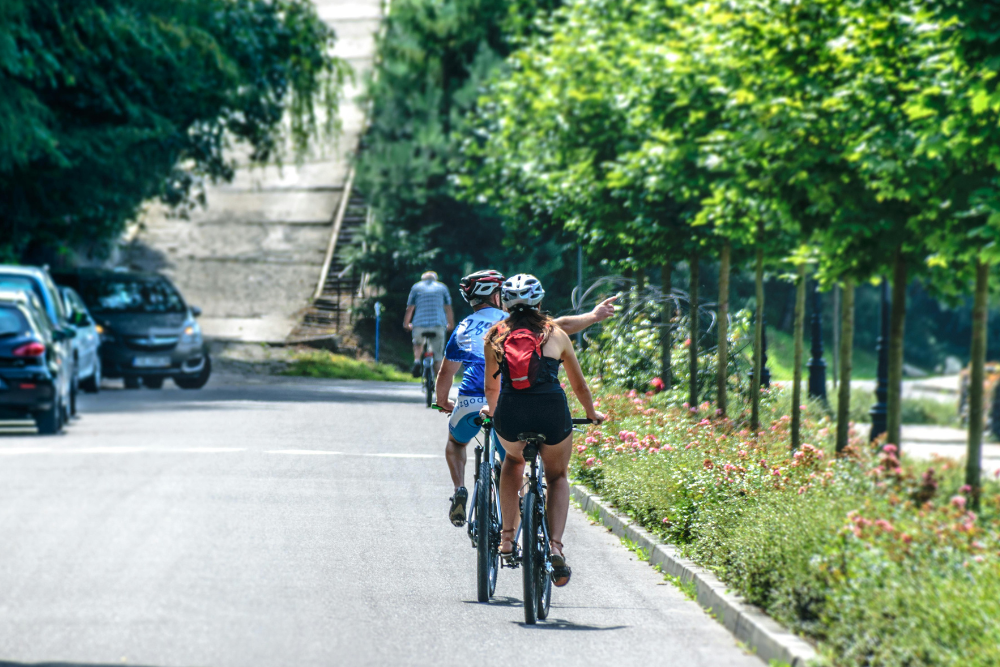
Copenhagen’s extensive network of cycle superhighways aren’t your average bike lanes. They’re wide and well-designed for long-distance commuting, featuring air pumps, safer intersections, and traffic lights timed to a cycling speed of 20 km/h. By making cycling the easiest and fastest option for getting around, Copenhagen has created a model for sustainable transportation that other cities are eager to follow.
5. Seoullo 7017 Skygarden
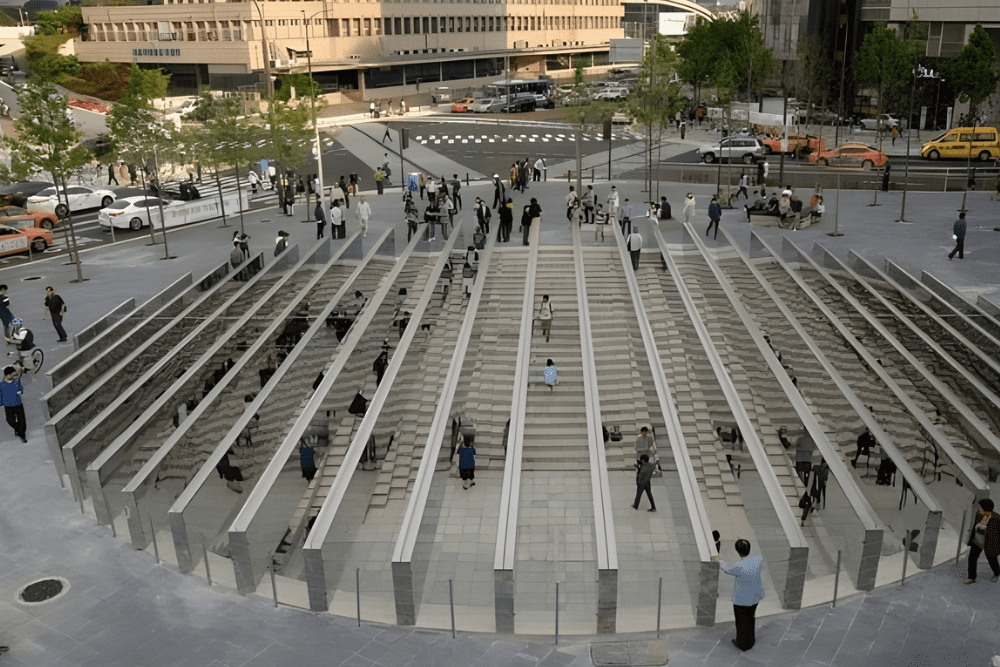
What do you do with an abandoned highway overpass in a bustling city? In Seoul, they turned it into a beautiful elevated park. Seoullo 7017, also known as the Skygarden, is a linear park that offers a unique pedestrian experience with over 20,000 plants from 139 different species. At the same time, it’s a social hub with cafes, libraries, and art installations that foster community and cultural exchange.
4. Pontevedra’s Car-Free City Center
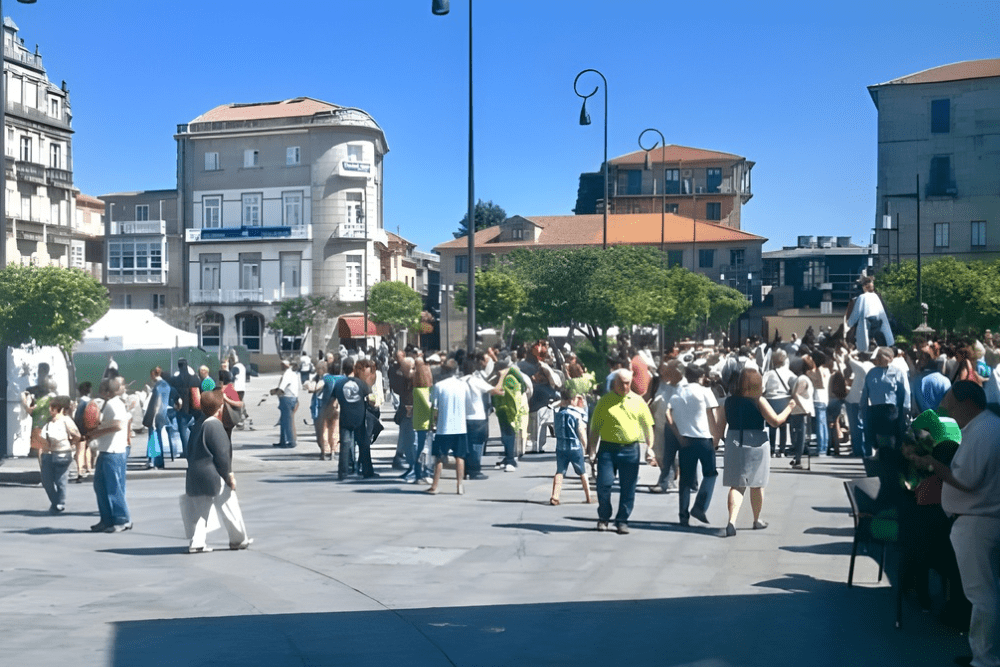
In the Spanish city of Pontevedra, the streets belong to the people, not the cars. Since 1999, the city has been removing cars from its 300,000-square-meter city center, creating a place where residents can walk, bike, and socialize without the constant noise, pollution, and traffic. The results? A 70% reduction in CO2 emissions, zero traffic-related deaths since 2011, and a thriving local economy.
3. The 15-Minute City
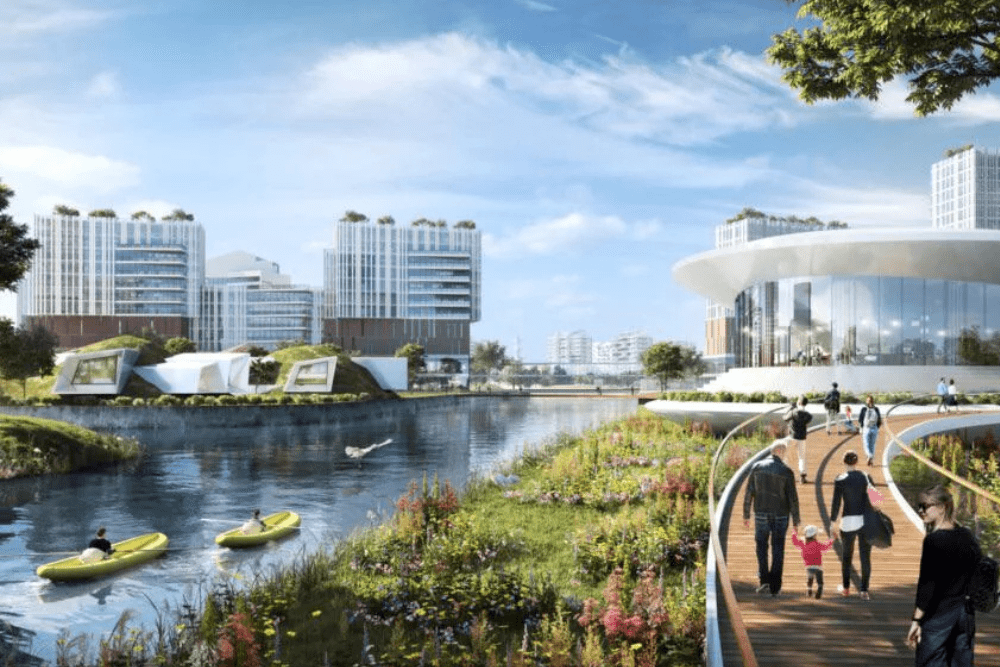
Imagine a city where your office, your doctor, and your kids’ school are all within a 15-minute walk or bike ride from your home. The vision of the 15-minute city is popular around the world, aiming to create neighborhoods where residents can access all their daily needs without relying on a car. By promoting mixed-use development, people can spend less time commuting and more time enjoying their communities.
2. Sponge Cities

What if cities could act like a sponge, soaking up rainwater? That’s the idea behind the sponge city concept, a term popularized by landscape architect Kongjian Yu. It involves the use of permeable pavements, rain gardens, green roofs, and urban wetlands to absorb, store, and purify stormwater. This innovative approach has the potential to turn a disaster into a valuable resource.
1. Barcelona’s Superblocks
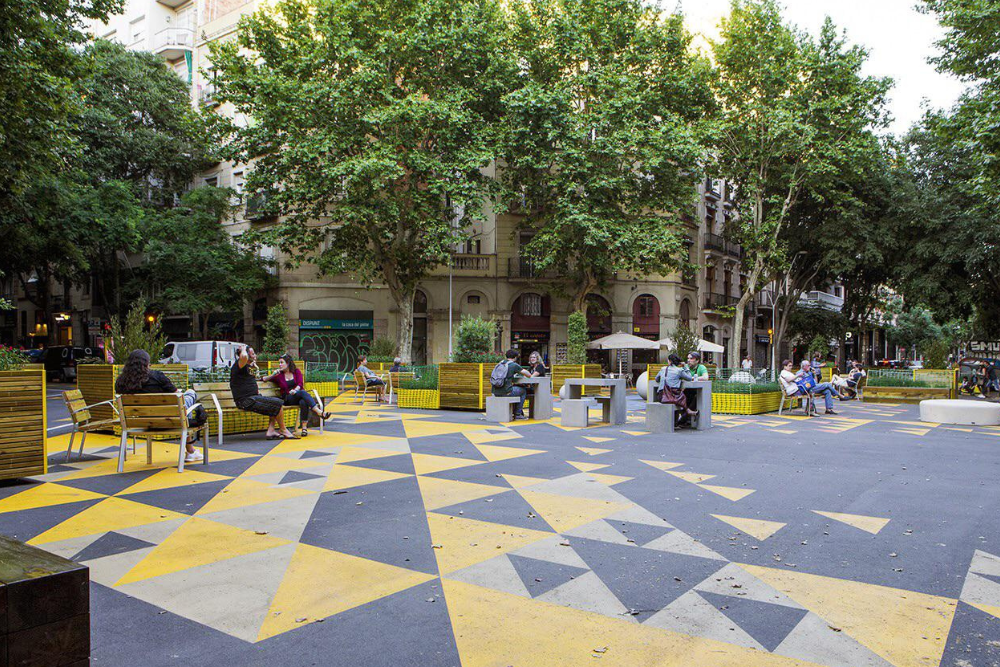
In Barcelona, a simple yet radical idea is transforming the city, one block at a time. It’s called the “superblock,” or “superilla” in Catalan, and it involves diverting traffic from a nine-block area, creating a mini-neighborhood where cyclists and pedestrians are prioritized. The city estimates that expanding the program could prevent almost 700 premature deaths annually. These superblocks show how we can reclaim our streets from cars and create a more humane and healthy future.