
Blowing out candles is just one way to celebrate a birthday. In other corners of the world, birthdays can be a little sillier or a lot more ceremonial. Here are nine birthday customs around the world, showing just how diverse growing older can be.
9. In Denmark, Unmarried 25-Year-Olds Get a Cinnamon Shower
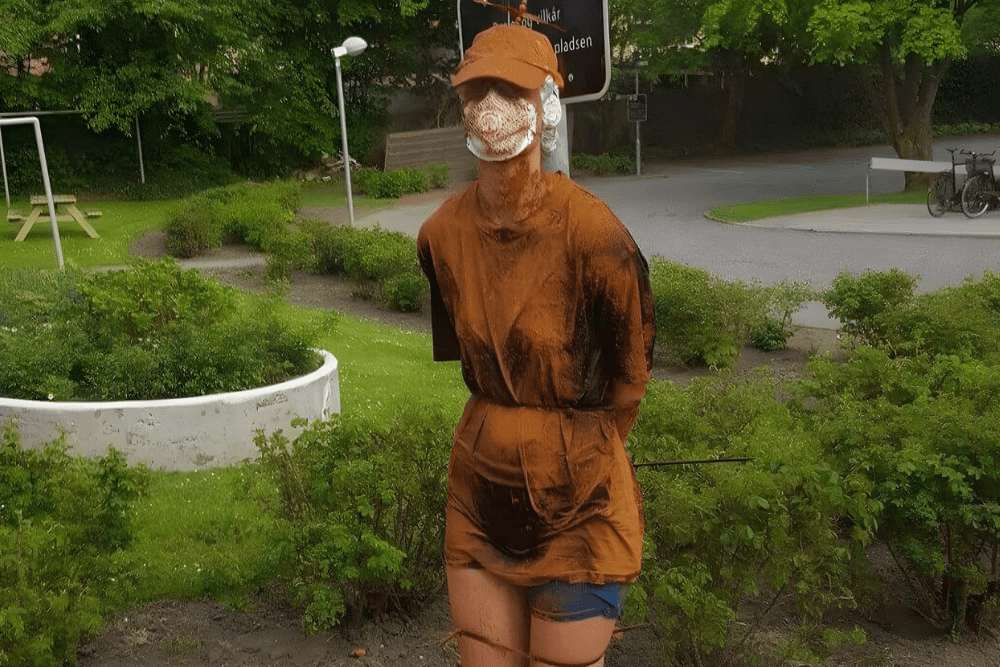
In Denmark, if you’re unmarried on your 25th birthday, your friends will douse you in the spice from head to toe! This weird tradition dates back to when spice salesmen, known as “Pebersvends” (Pepper Dudes), traveled so much they often remained single. The cinnamon shower is a playful reminder of this history, and it gets more intense at 30, when the spice is upgraded to pepper.
8. South Koreans Eat Seaweed Soup to Honor Their Mothers
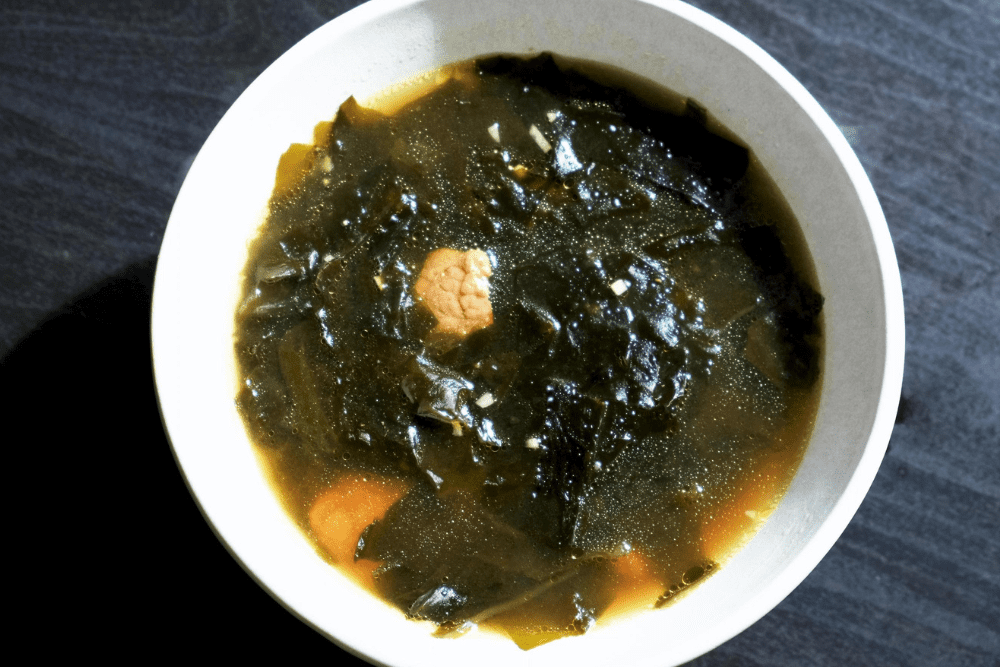
In South Korea, birthday celebrations start with a warm bowl of miyeok-guk (seaweed soup). Seaweed soup is rich in nutrients and is traditionally eaten by mothers for weeks after giving birth to help them recover. By eating it on their birthday, individuals honor their mothers and acknowledge the pain and love of childbirth.
7. Japan Celebrates Adulthood at 20 with a National Holiday

In Japan, turning 20 is a big deal. This milestone is celebrated with a national holiday called Seijin no Hi, or Coming-of-Age Day, on the second Monday of January. Young people dress in traditional kimonos and attend a formal ceremony at their local city hall. It’s a beautiful nationwide celebration of youth and responsibility.
6. In Vietnam, Everyone Turns a Year Older on the Same Day
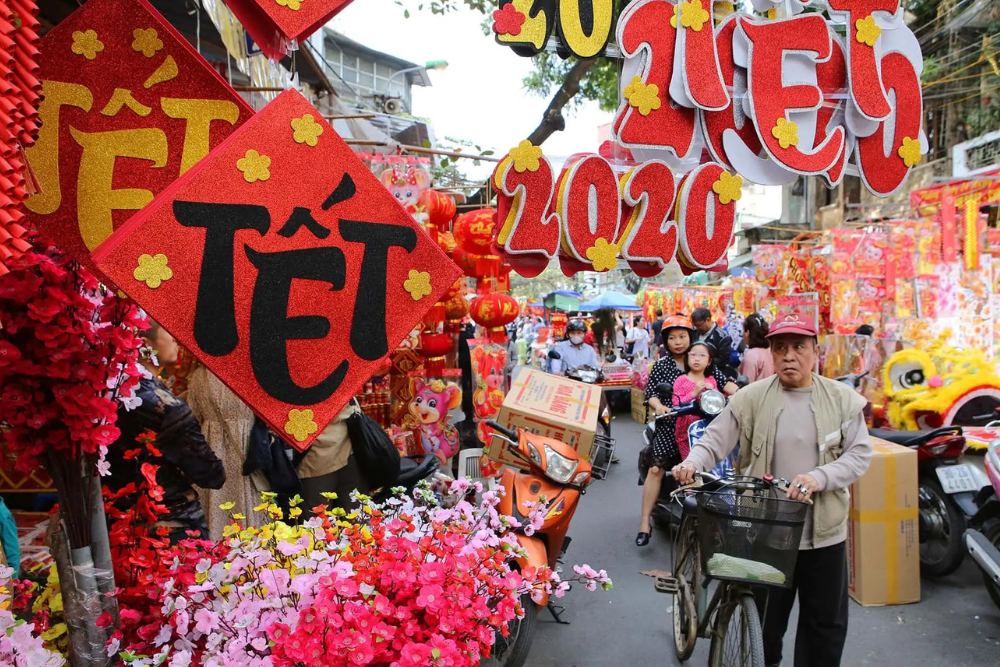
Imagine celebrating your birthday with everyone in your country! In Vietnam, individual birthdays aren’t a big deal. Instead, everyone collectively turns a year older on Tet, the Vietnamese New Year. While people still know their actual birth date, Tet is the day when age is counted. This unique custom emphasizes community and shared experience over individual celebration.
5. Chinese Birthdays Mean Long Noodles and Peach Buns for a Long Life
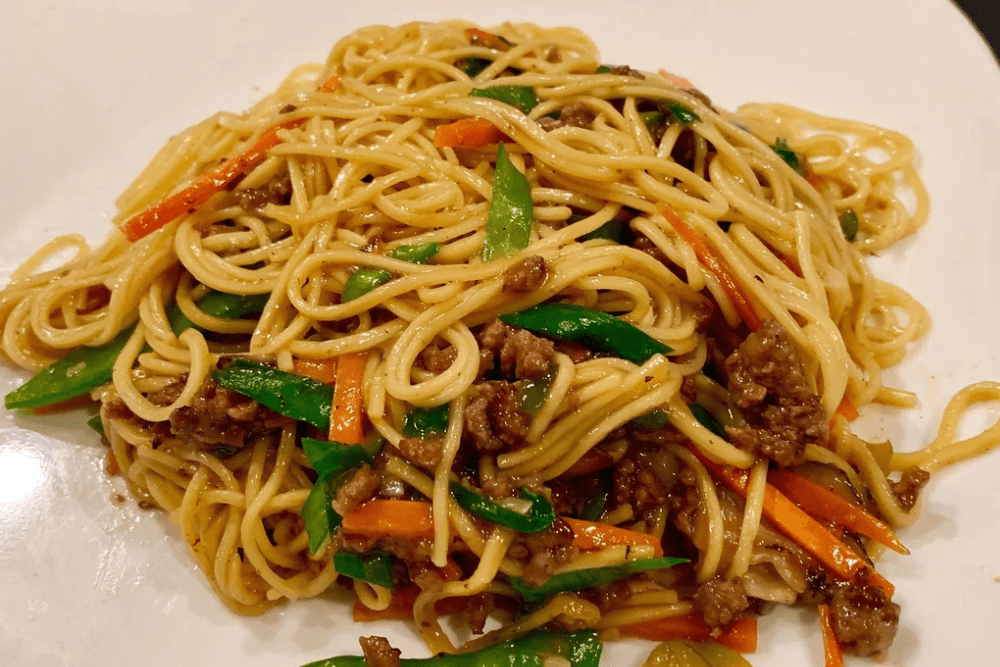
In China, birthday foods are symbolic. Instead of a sugary cake, you’ll likely have a bowl of “longevity noodles” (chang shou mian). These extra-long noodles represent a long and healthy life, and it’s considered bad luck to cut them. Another treat is the longevity peach bun, a steamed bun shaped and colored to resemble a peach, a powerful symbol of immortality in Chinese folklore.
4. In Malta, a Baby’s First Birthday Predicts Their Future Career
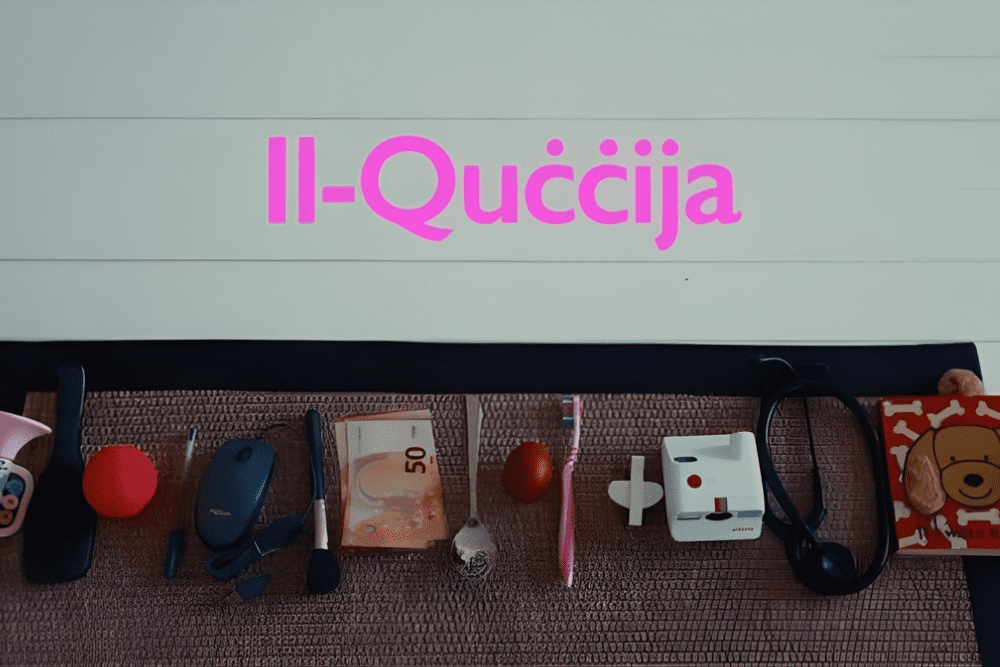
On a child’s first birthday in Malta, they participate in a tradition called the ‘Quċċija’ or a baby-sized career day. Various objects representing different professions (like a calculator for an accountant, or a paintbrush for an artist) are placed on the floor. Whichever object the baby picks up is believed to foretell their future career. It’s a fun-filled fortune-telling game for the whole family.
3. Canadians Get Their Noses Greased for Good Luck
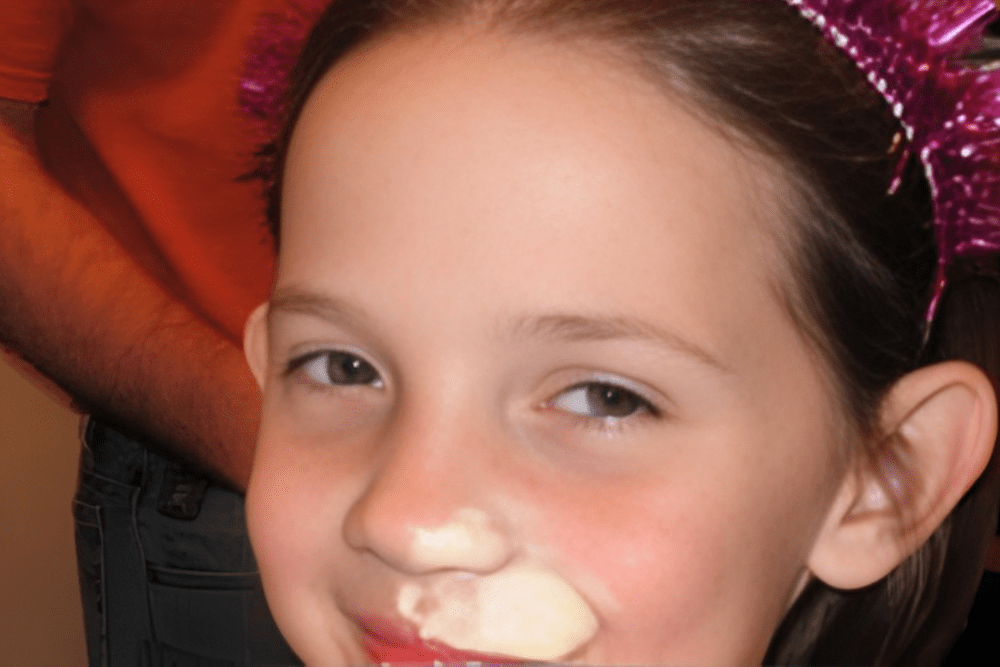
In parts of Canada, particularly the East Coast and Appalachia, it’s a tradition to grease the birthday person’s nose with butter. The belief is that a greasy nose is too slippery for bad luck to grab onto, ensuring a fortunate year ahead. It’s a playful way to wish someone well on their special day.
2. Australian Kids Celebrate with “Fairy Bread”
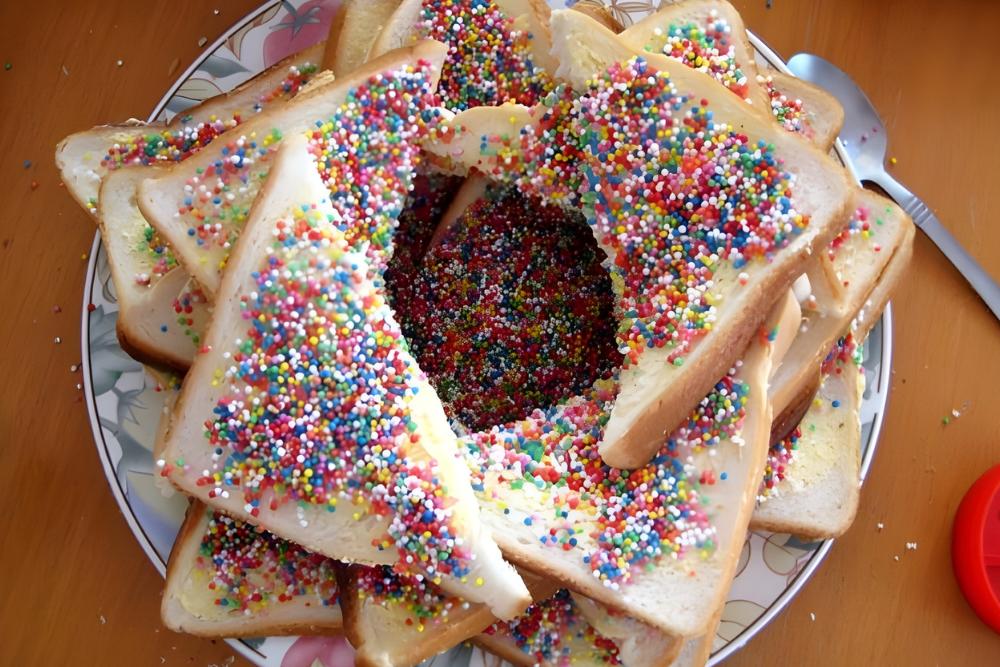
In Australia, when you combine white bread, butter, and rainbow sprinkles, you get a birthday party staple: fairy bread. This simple, sugary treat is a nostalgic icon of childhood birthdays Down Under. For Australians, these colorful triangles are a non-negotiable part of any kid’s birthday bash.
1. In Germany, It’s Bad Luck to Wish Someone a Happy Birthday Early
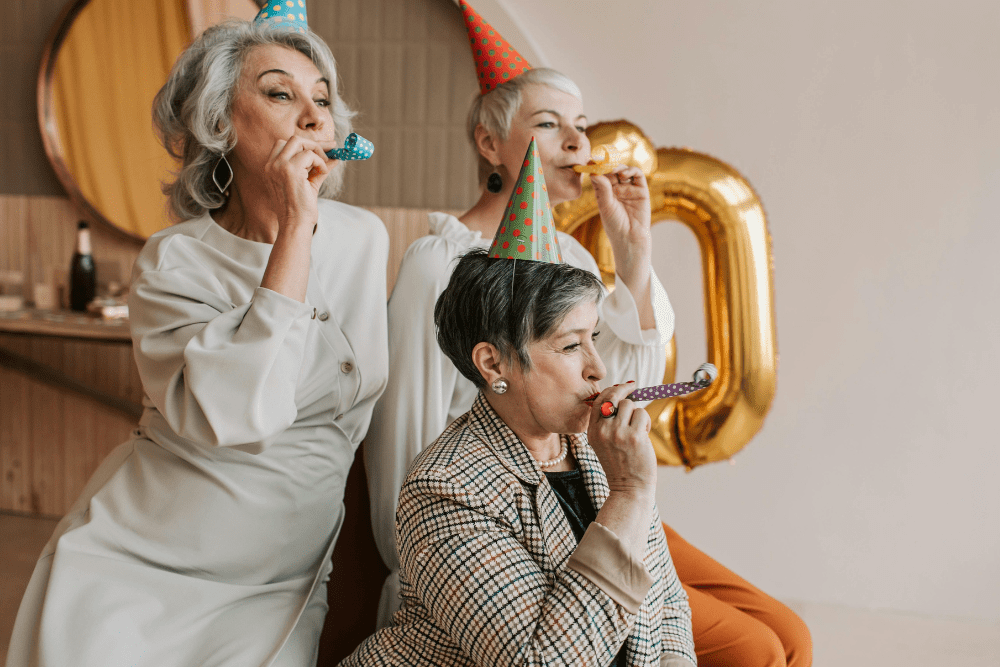
In Germany, a superstition known as “reinfeiern” dictates that offering birthday wishes before the actual day brings bad luck to both the well-wisher and the recipient. While you can celebrate on the eve of the birthday, the official congratulations must wait. This custom puts an emphasis on precision and the proper order of things.