
Most public transport are practical and honestly a little boring. But a few cities break the mold in the best way possible. These seven cities are turning everyday commuting into a full-on experience, complete with cable cars, river buses, and routs that double as sightseeing tours.
7. Tokyo, Japan
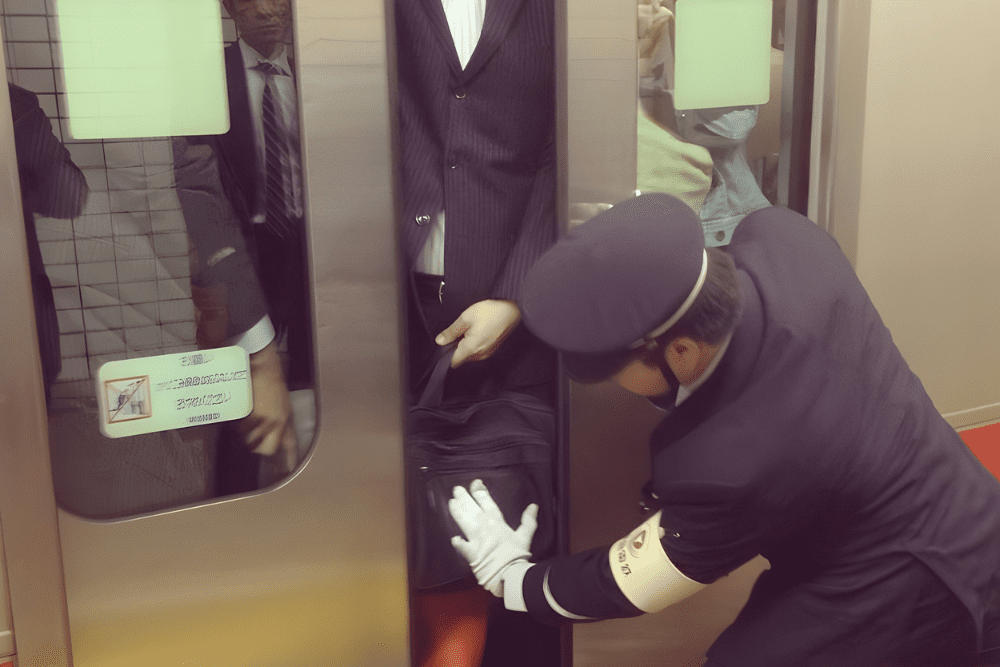
During rush hour, you’ll find uniformed attendants known as oshiya, or “pushers,” whose job is to shove as many passengers as possible into the overflowing subway cars before the doors shut. These white-gloved professionals ensure that trains, which run every two to three minutes, depart on time. While the experience can be intense, it’s a fascinating, real-life solution to a logistical challenge.
6. Chongqing, China
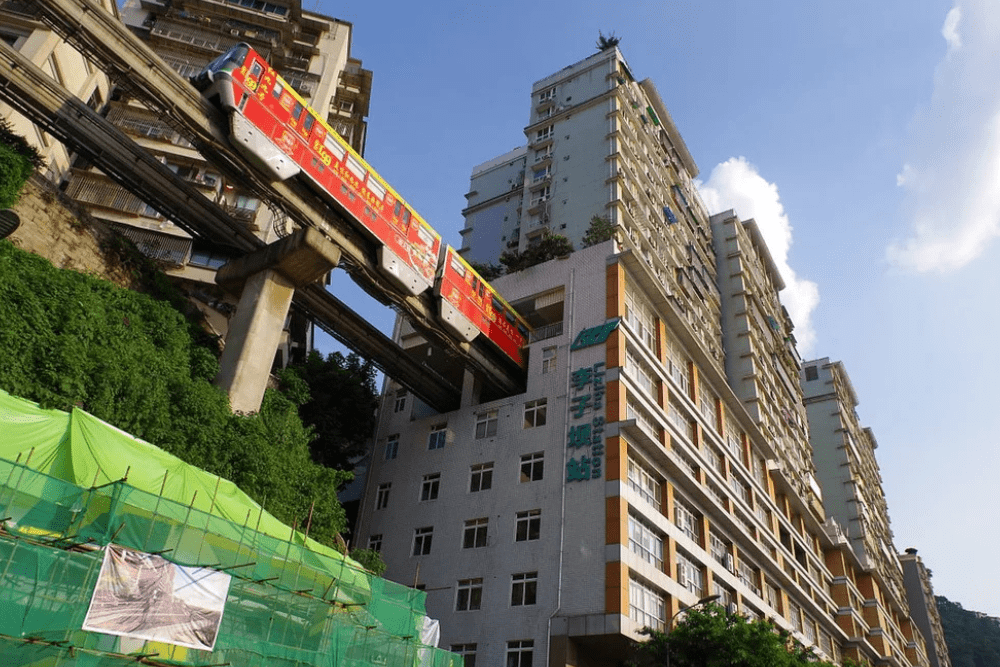
In the mountainous metropolis of Chongqing, urban planners had to get creative. Their solution? Run a monorail line through the middle of a 19-story residential building. At Liziba Station on Chongqing Rail Transit’s Line 2, the train enters the building at the eighth floor and exits from the sixth. The use of special noise-reduction technology ensures that residents aren’t disturbed by the trains passing through their homes.
5. Venice, Italy
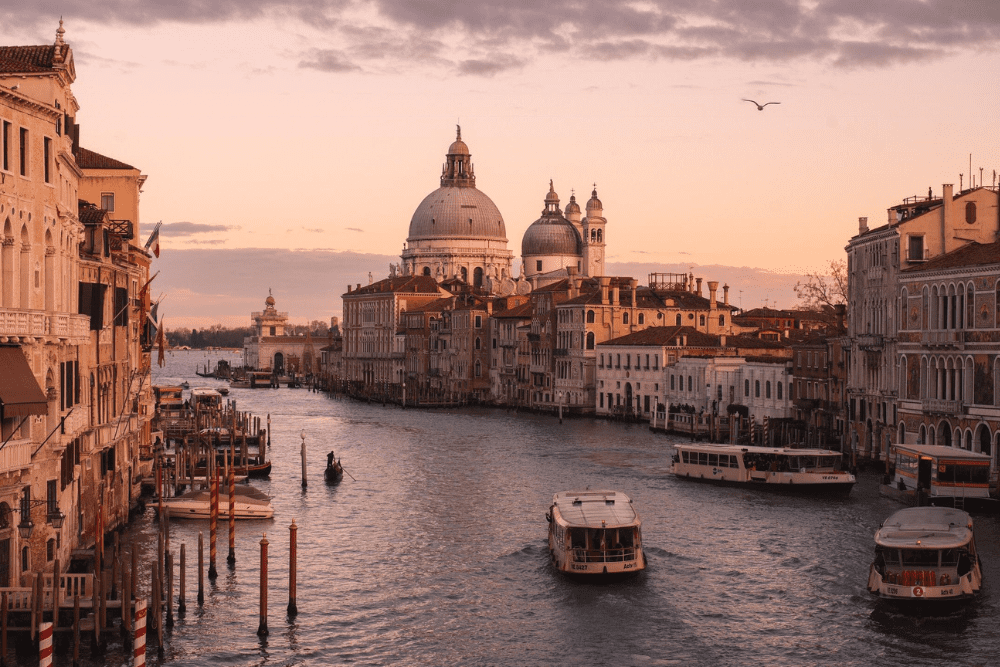
In a city without roads, how do you create a public bus system? Venice makes it float. The iconic gondolas are mostly for tourists; the locals rely on the vaporetto, a fleet of public water buses that serve as the city’s primary mode of transportation. These boats navigate the famous Grand Canal and connect the main island to other nearby islands like Murano and Lido.
4. Stockholm, Sweden
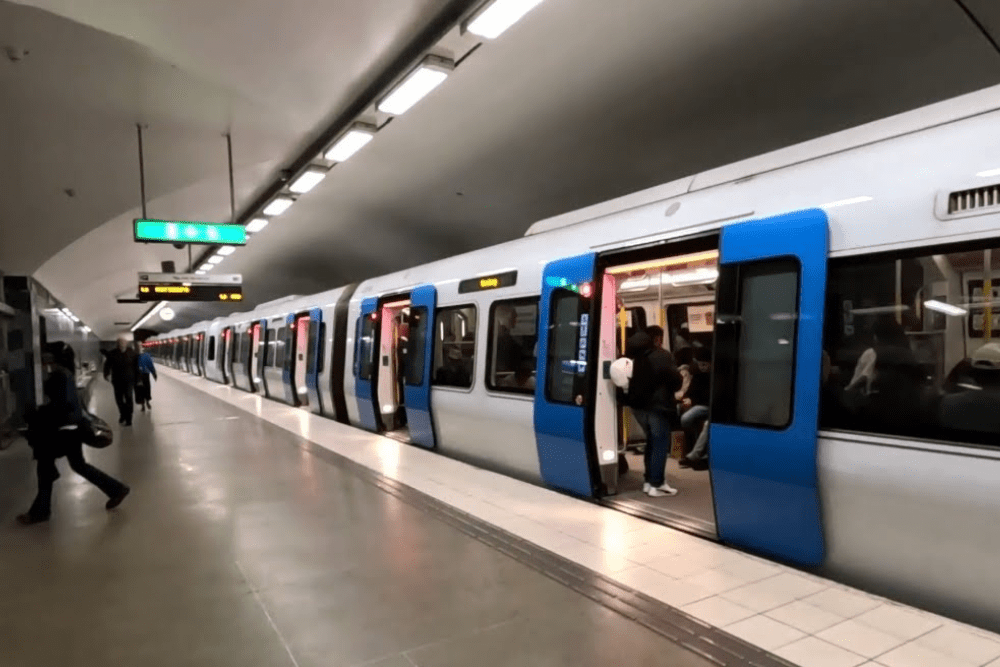
Imagine your daily commute taking you through the world’s longest art exhibition. That’s the reality for passengers on Stockholm’s subway, or Tunnelbana (T-bana). Over 90 of the 100 stations feature unique installations, mosaics, paintings, and sculptures by over 100 artists. Some stations, like Rådhuset and Solna Centrum, have been carved directly out of the bedrock, offering a cave-like atmosphere.
3. La Paz, Bolivia
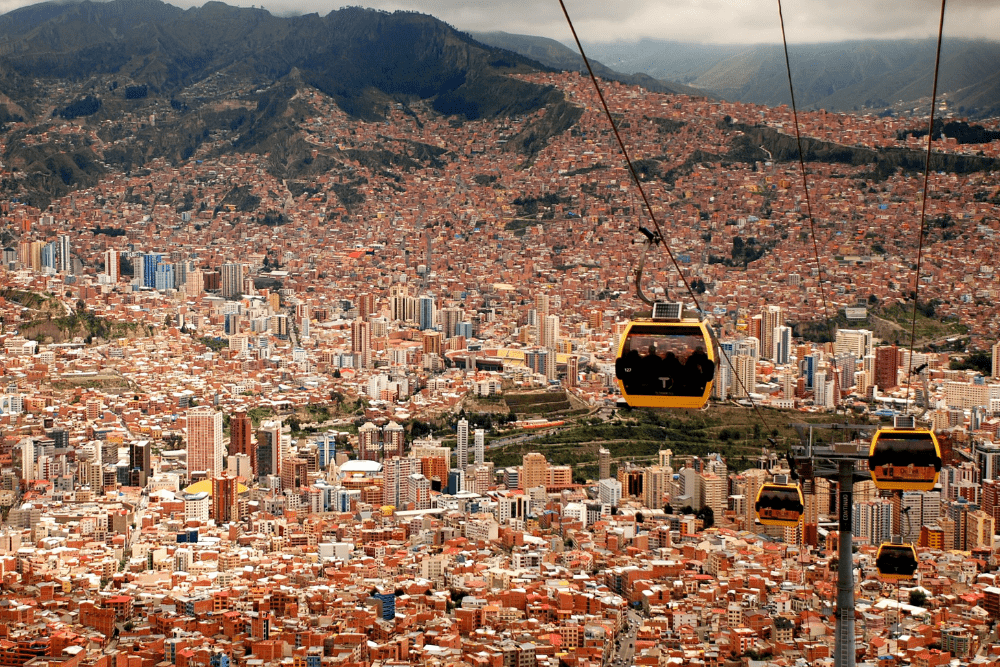
As the world’s highest capital city, La Paz’s steep geography presents a massive transportation challenge. The solution is the world’s largest urban cable car network, Mi Teleférico (“My Cable Car”). What started as a few lines evolved into a city-wide system that functions as the main mode of public transport, seamlessly integrated with buses.
2. Moscow, Russia
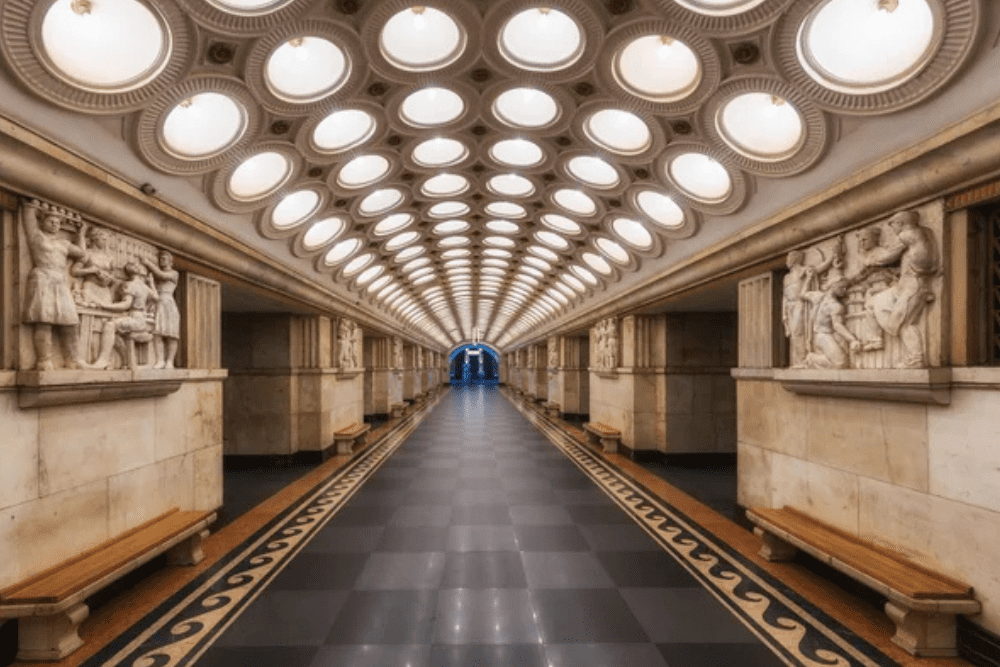
The Moscow Metro is both a transport system and a collection of subterranean palaces. Opened in 1935, nearly 50 of its 300+ stations are recognized as cultural heritage sites. Commuters travel through stations adorned with chandeliers, marble columns, mosaics, and bronze statues. Komsomolskaya station, for example, has a baroque-style yellow ceiling and grand chandeliers, while Mayakovskaya features stainless steel columns and ceiling mosaics.
1. San Francisco, USA
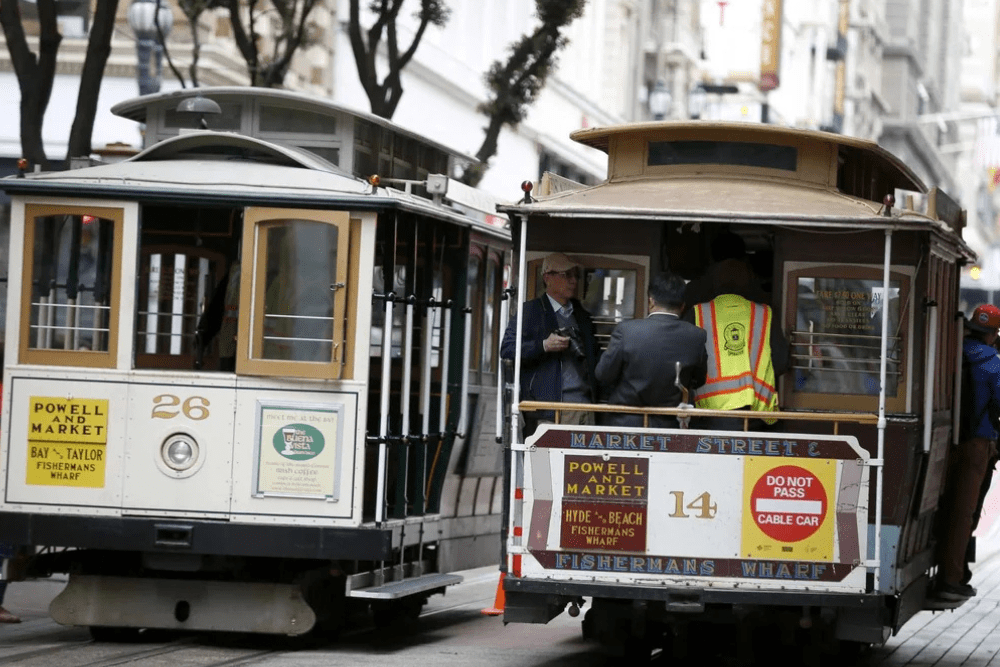
The San Francisco cable car system is the world’s last manually operated cable car system and was named a National Historic Landmark in 1964. Invented in the city in 1873 by Andrew Smith Hallidie, the system was designed to conquer the city’s steep hills. While only three of the original 23 lines remain, they’re still a functioning part of the city’s public transit network.