
The holiday season is here, and once again, it’s easy to overspend and start the new year with credit card bills. But we can change the narrative. With these nine strategies, you can celebrate fully without the post-holiday guilt weighing you down.
9. Create a “Dopamine Menu” to Combat Impulse Buying

A “dopamine menu” is a list of enjoyable, cost-free activities that give you satisfaction without draining your wallet. Examples are taking a walk, listening to music, calling a friend, or completing a workout. When the urge to shop impulsively hits, pick an activity from your menu instead. This habit can rewire your reward system and reduce unnecessary spending.
8. Use the 48-Hour Cooling-Off Period Before Purchasing
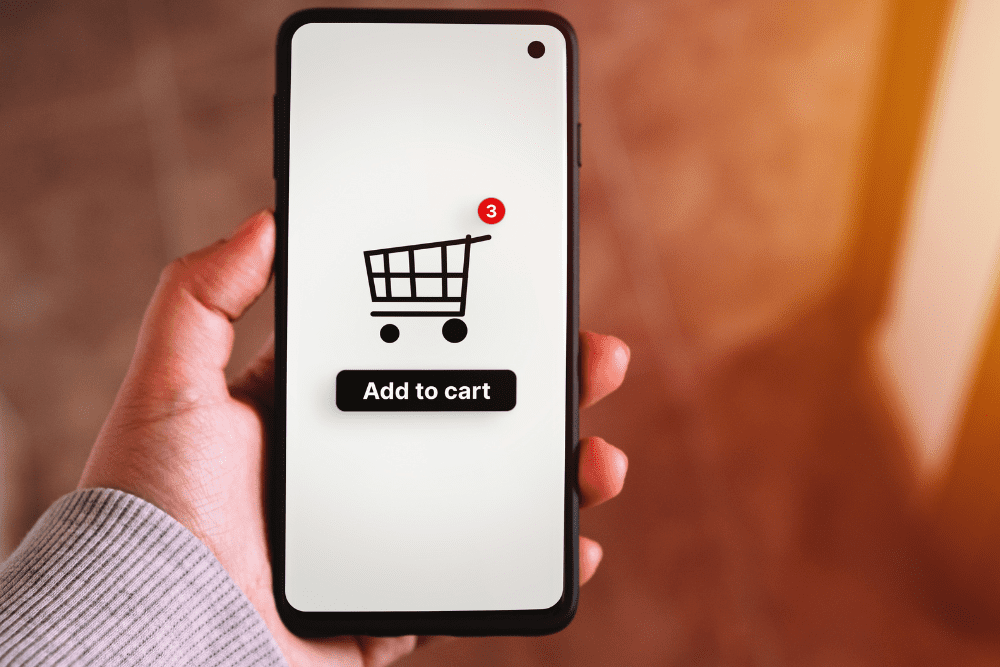
When tempted by a non-essential item, add it to your cart and wait 48 hours before buying. Emotional excitement often fades in this window. This pause also allows for price comparisons or finding better deals. Practicing this strategy helps you shop intentionally and guilt-free.
7. Master “Incentive Stacking” to Maximize Every Dollar

Combining coupons, cashback portals, and rewards programs can boost savings. For example, use a store coupon, pay with a rewards card, and shop via an online portal for extra rebates. This strategy may require planning but it allows you to buy quality gifts without overspending.
6. Start a “Sinking Fund” Six Months Before the Holidays
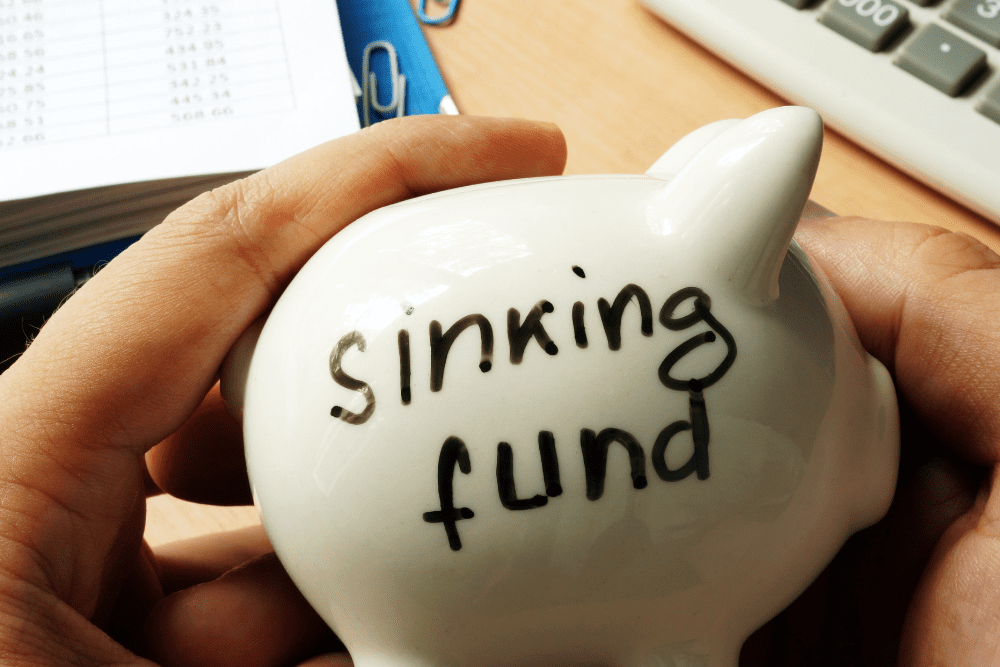
While this may be too late now…no harm in trying next year. A sinking fund is a dedicated account for predictable future expenses like holiday shopping. Start months in advance with automatic transfers. Even small contributions add up over time, giving you a ready fund for gifts, decorations, and parties.
5. Automate Savings with Round-Up Apps
Round-up apps simplify saving by automatically transferring spare change from daily purchases into a separate account. Each purchase rounds up to the nearest dollar, and the difference accumulates over time. Apps like Acorns or Bank of America’s Keep the Change can help you save effortlessly and build a holiday fund without conscious effort.
4. Beware the “Buy Now, Pay Later” Credit Score Trap
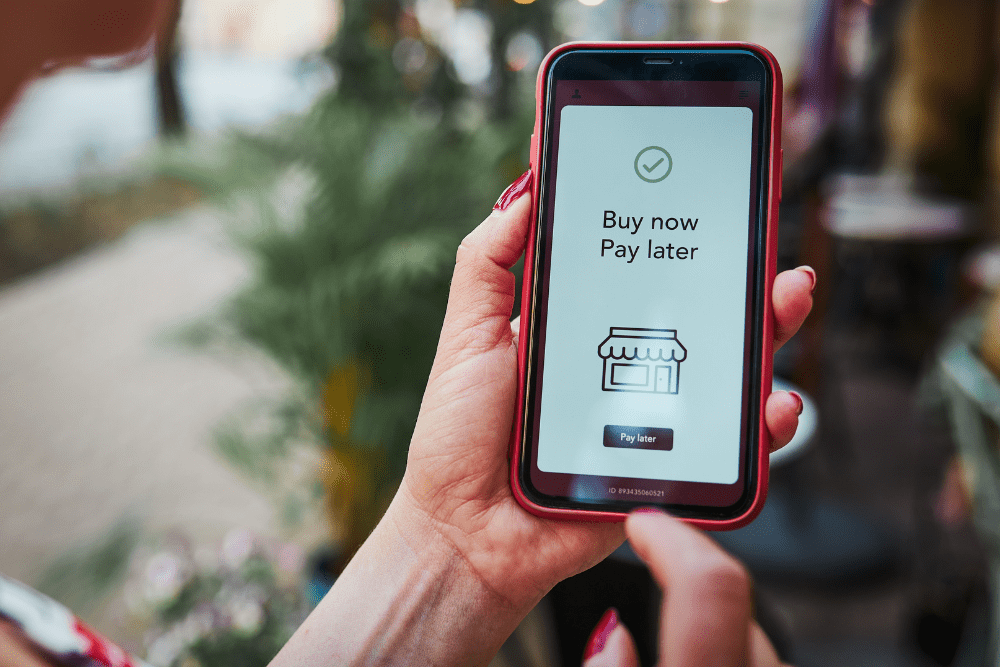
Buy Now, Pay Later (BNPL) services carry hidden risks. Missed payments or stacking multiple loans can impact your FICO score, as BNPL data is now being reported to credit bureaus. Before using BNPL, assess your budget and repayment plan carefully. Use it responsibly so you can enjoy holiday purchases while protecting your credit score.
3. Confront Your Money Wounds

Many people carry “money wounds” or emotional triggers rooted in family or upbringing that shape spending. These wounds can lead to guilt or anxiety. Reflect on questions like: “Which family messages influenced my spending habits?” and “Do I equate love or worth with spending?” Understanding these patterns allows you to enjoy the holidays in alignment with your values.
2. Give Experiential Gifts for Stronger Relationships

Experiential gifts like concert tickets, classes, or shared adventures can create deeper connections than material presents. These gifts prioritize presence over possessions, reducing clutter and supporting mindful spending. By focusing on experiences, you create meaningful moments that endure beyond the holiday season.
1. Try a No-Spend Challenge for a Financial Reset

A no-spend challenge means avoiding non-essential purchases for a week or month. This can reset financial habits and cultivate mindfulness. While challenging, it saves money and improves self-control, leaving you better prepared for holiday spending. This approach ensures that when you do spend, it’s meaningful and guilt-free.