
Your tech habits can quietly steal your money. That forgotten subscription, software you don’t update, and even the way you manage your passwords are burning a hole in your pocket. Here are nine tech mistakes that are costing more than you realize.
9. Letting “Energy Vampires” Suck Your Wallet Dry
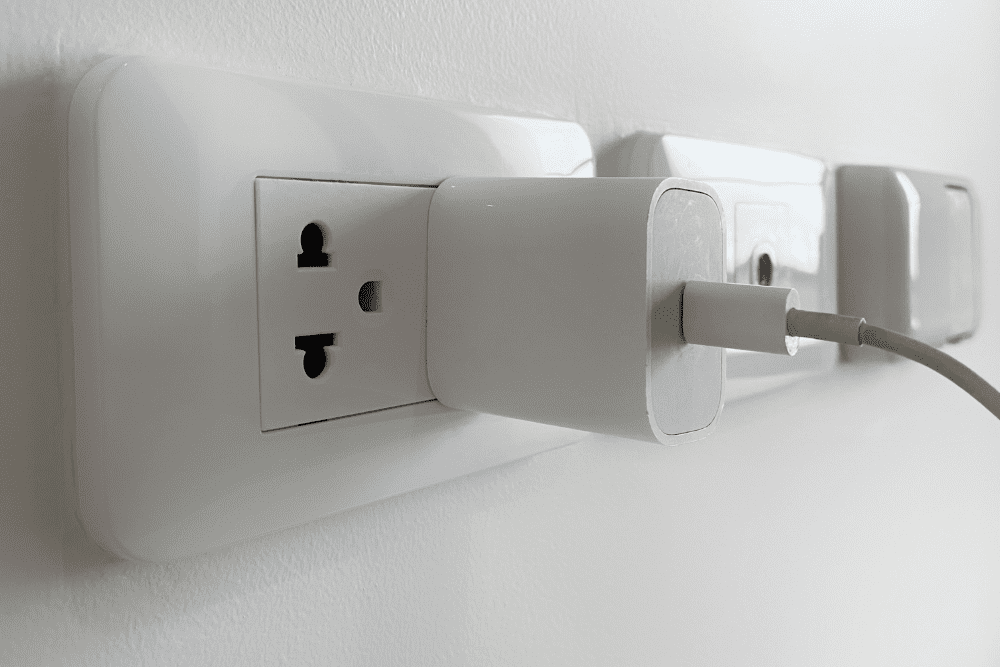
The simple act of turning off a device isn’t always enough. Devices left plugged in, even when switched off or on standby, constantly draw a small amount of “phantom power.” To fix this, use power strips for your computer setup and entertainment center. When you’re done, flip one switch to cut the power to multiple devices instantly.
8. Ignoring Software and Security Updates on Personal Devices
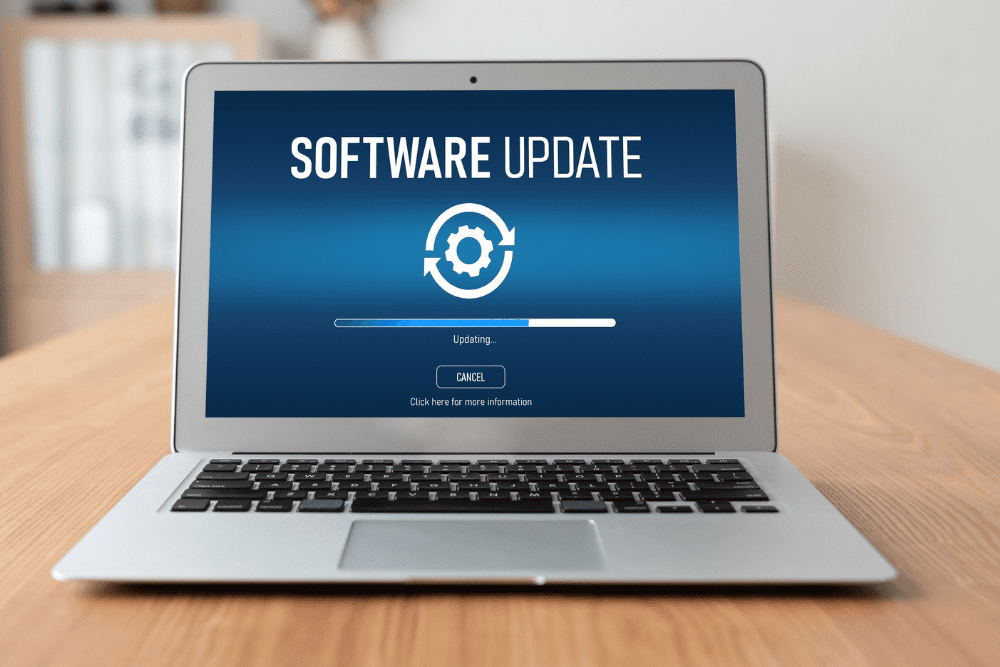
Postponing updates on your phone, tablet, or computer is one of the most common mistakes. Outdated operating systems and apps leave your personal data exposed to security vulnerabilities that hackers actively look for. If a single vulnerability leads to a breach or a ransomware attack, the financial cost can be devastating.
7. Trusting “Free” VPN Services with Your Data
When a Virtual Private Network (VPN) service is offered for free, remember the service provider still has a bottom line. They need to monetize somehow, and often, you’re the product. Many free VPNs collect and sell your browsing activity and personal data to advertisers and third parties. They also tend to have limited, slow servers and can increase your exposure to ads that contain malware or phishing links.
6. Keeping Obsolete Phones and Laptops Too Long

Obsolete hardware (more than three years old) runs slowly and is less compatible with new software. This creates a hidden cost in lost time, frustration, and eventual expensive repair bills. The money spent on repairs and maintenance on legacy devices can often cost more than upgrading to a modern system.
5. Relying on Single-Location or Manual Data Backups

Keeping your entire digital life (family photos, personal documents, and financial records) in one place is a risk. A physical disaster, theft, or a ransomware attack can wipe out both your primary files and any local backup. Consider adopting the 3-2-1 backup rule for your critical data: keep three copies on two different media types and one copy stored off-site.
4. Forgetting to Cancel “Free Trials” and Old Subscriptions

Subscription creep is an invisible drain on the average American’s monthly budget. Signing up for “free trials” and forgetting to cancel, or simply keeping unused services, means you’re wasting money. The fix is simple. Use a calendar reminder to cancel free trials a day before the charge hits. Periodically check your bank statements for services you haven’t used in three months or more.
3. Sending Sensitive Data Without Encryption

Sending documents with personal identifiable information, like tax forms, social security numbers, and medical records via unencrypted email is a security mistake. This opens the door to identity theft and fraud, which can cost you time, money, and years of credit repair. When sending sensitive documents, consider using secure file transfer service (like a password-protected cloud link) or a communication app with end-to-end encryption.
2. Leaving Smart Home Devices Wide Open to Attack

Smart TVs, thermostats, and other “Internet of Things” (IoT) devices often come with basic security settings or default passwords. Leaving these defaults offers an easy entry point for hackers to access your home network, leading to privacy breaches or installing malware to facilitate fraud. The solution is to change the default password on every new smart device immediately.
1. Being the Human Element in a Cyberattack
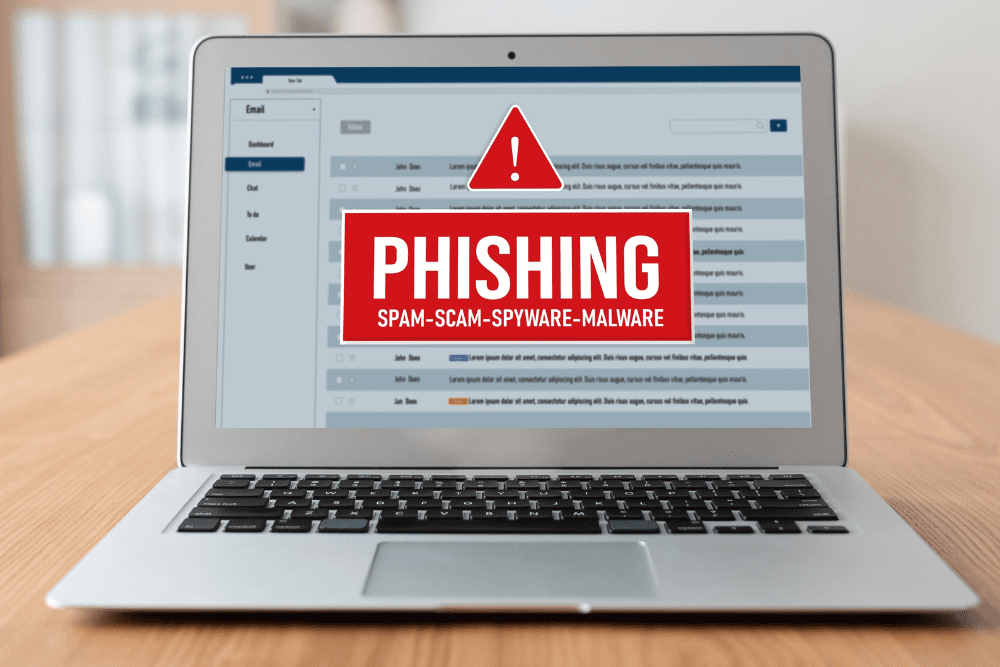
The most expensive tech mistake is relying too heavily on security software and underestimating your own personal role in defense. Human error is more common than you think, and this often leads to being tricked by criminals to give up passwords or financial records. Stay vigilant, use multi-factor authentication, and scrutinize every unexpected email, text, or phone call asking for your personal information.