If you’re looking for ways to unwind without feeling guilty or overcommitted, this list is for you. Low-pressure hobbies are the ones that don’t need to be a project or a performance. Here are nine of them that are easy to start and effective at calming the mind.
9. Adult Coloring Books

Here’s something that sounds simple but works. The repetitive motion of coloring requires modest attention focused outside yourself, taking you away from ruminating thoughts without demanding skill or creativity. Psychologists explain that coloring creates the same meditative state as cutting the lawn or knitting.
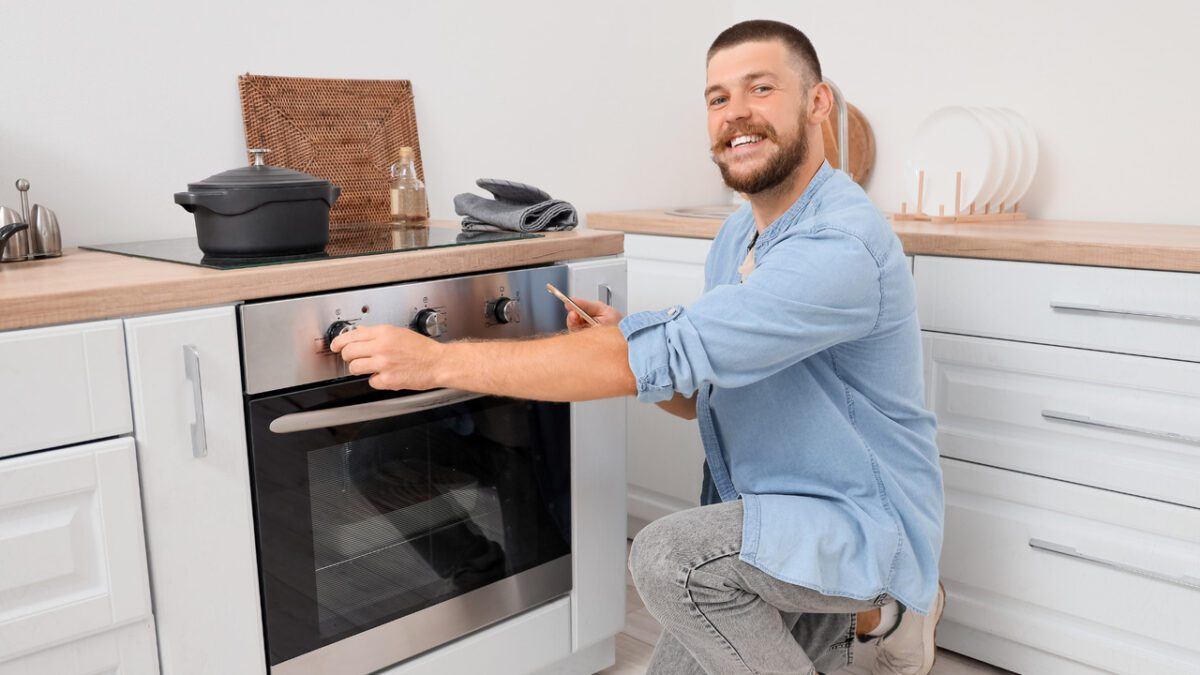
8. Cooking and Baking

Cooking and baking stimulates all five senses simultaneously while keeping your hands busy, triggering the release of dopamine and serotonin. The process creates what psychologists call “effort and reward” activities that boost self-esteem through tangible end products. Unlike other tasks that feel endless, baking a loaf of bread or preparing a meal offers clear beginning, middle, and end, which is crucial for people experiencing burnout.
7. Walking

Walking reduces overthinking by giving your brain something else to focus on. The repetitive motion has meditative qualities while the physical movement reduces muscle tension. Scientists found people who walked regularly reported feeling calmer and more grounded compared to sedentary individuals.
6. Reading

The cognitive escape into fictional worlds provides what psychologists call “psychological distancing” from your own problems. Reading before bed particularly benefits sleep quality since screens emit blue light that disrupts circadian rhythms, while books don’t. Reading also improves critical thinking and creativity while expanding knowledge.
5. Journaling

The idea of journaling is simple: translating chaotic thoughts and emotions into concrete words on paper. This removes the thoughts and emotions swirling in your head. Writing helps process traumatic events by organizing thoughts and releasing pent-up emotions, improving mental clarity and resilience.
4. Playing Musical Instruments

Listening to music has been linked to lower blood pressure, slower heart rate, and reduced anxiety. But actively playing an instrument can further amplify these benefits. The cognitive demands of reading music, coordinating hands, and producing sound engage multiple brain regions simultaneously, leading to “whole brain” activation. This mental engagement prevents rumination since your mind can’t simultaneously worry and play music.
3. Team Sports

Team sports combine multiple stress-reduction mechanisms: physical exercise releases endorphins, social connection combats loneliness, shared goals provide purpose, and scheduled commitment nurtures accountability. Even low-competitive recreational leagues deliver these benefits since the social connection and physical activity matter more than winning.
2. Gardening

Gardening encourages physical movement, sensory stimulation through touch and smell, responsibility for living things, and nature exposure. It’s an activity that provides “effortful control,” which means you’re actively doing something productive rather than passively consuming entertainment. You don’t need acres; container gardens on balconies can deliver similar benefits.
1. Knitting
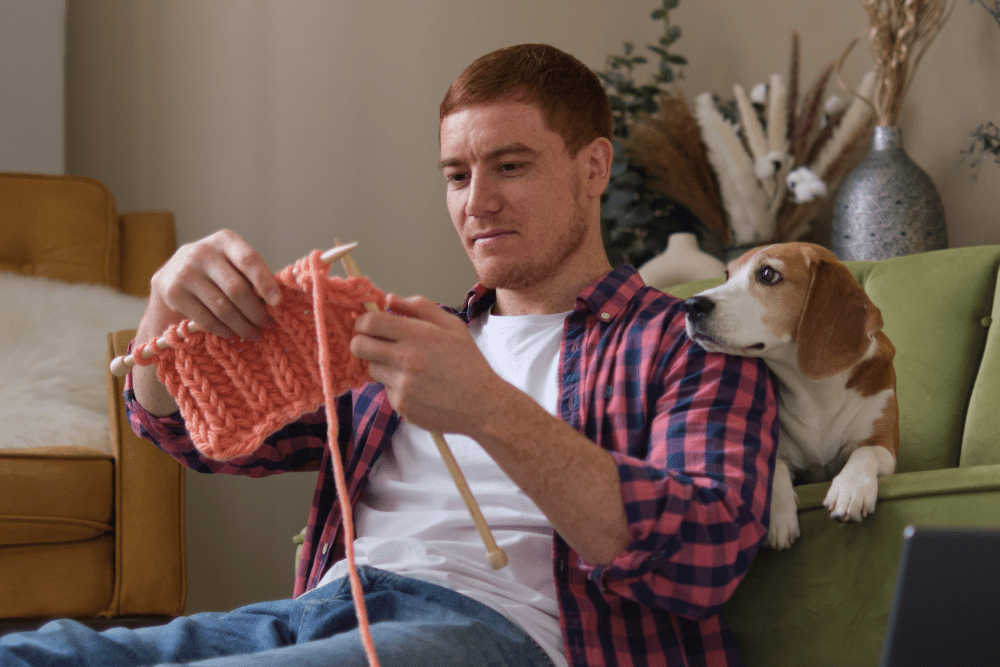
Knitting can induce an “enhanced state of calm” by lowering heart rate. The repetitive, rhythmic motions activate your parasympathetic nervous system (your body’s relaxation response), resulting in decreased blood pressure and reduced muscle tension. The tactile nature of this hobby anchors you to the present moment while the tangible progress provides satisfaction.