
Design rules exist for a reason. But let’s be honest, the most stylish homes we know rarely follow the rule in the book. Yes, it’s the new norm for houses designed to reflect their owners’ personalities. It’s reminiscent of how we used to design our teenage bedrooms with the poster of our favorite pop stars and bands. Today, we’re rounding up 7 interior design rules that everyone ignores for the better.
7. “Neutrals Are Essential for a Timeless Look”
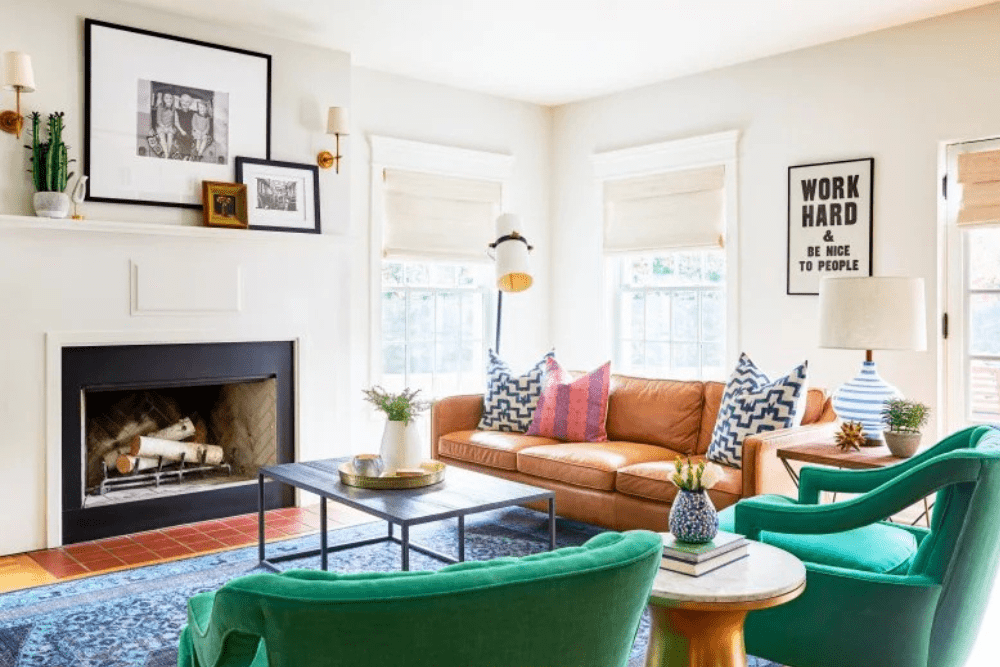
Many people believe that sticking to neutral colors is necessary for a timeless look. However, it doesn’t mean they’re always tan and beige. With that, people also incorporate bold colors that can feel timeless when used thoughtfully. Use colors that you truly love to make your space personal yet classic.
6. “Paint Ceilings and Trim White”

The default approach is always brilliant white ceilings and baseboards, regardless of the wall color. Some people paint their ceilings the same color as their walls to achieve a bold, monochromatic look. The ultimate power move for this one is to wallpaper their ceiling, adding a visual element to the space.
5. “Every Room Needs One Statement Piece”
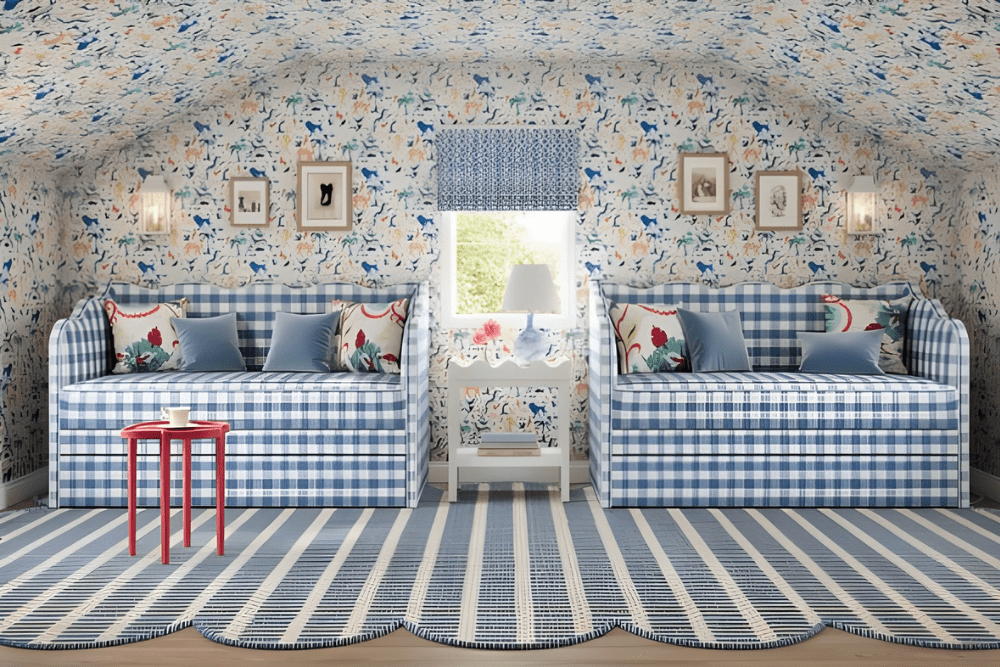
There’s a rule that every room should have one single statement piece. But what if the room is large enough, and if your style leans towards maximalism? In the right circumstances, you can go crazy by putting on strong pieces. Multiple focal points give off a layered look that a single one.
4. “Perfect Symmetry is Essential”
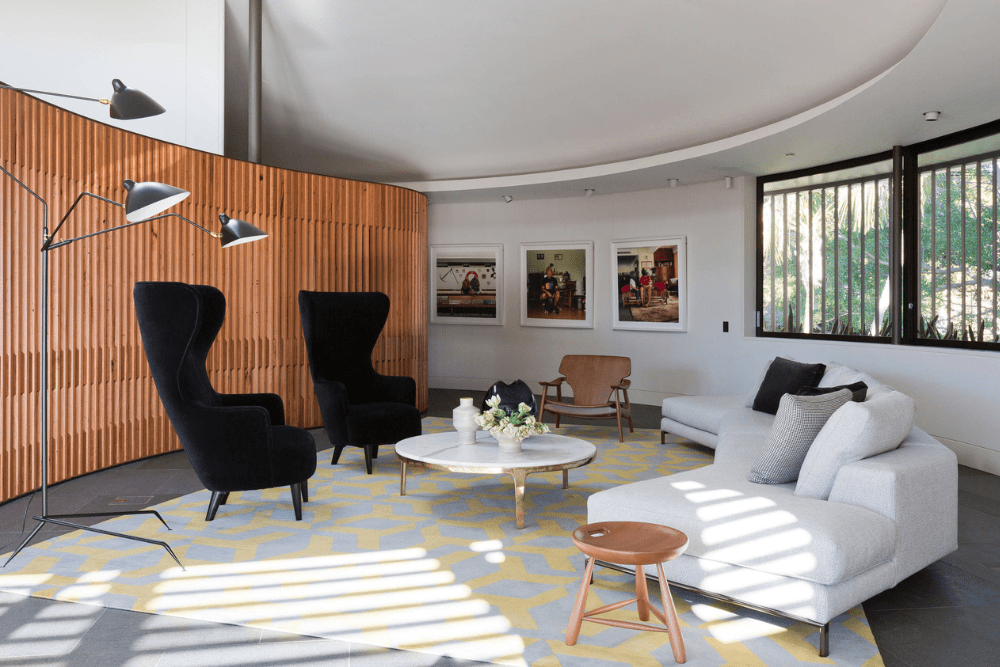
Traditional interior design favored mirrored arrangements, such as matching lamps on matching side tables and identical chairs around the fireplace. However, it gets a little too mundane for other homeowners. With that, they approach an asymmetrical element to create visual interest while still balancing. The key is balancing it all within the scale, not striving for perfect symmetry.
3.”Never Mix Patterns”
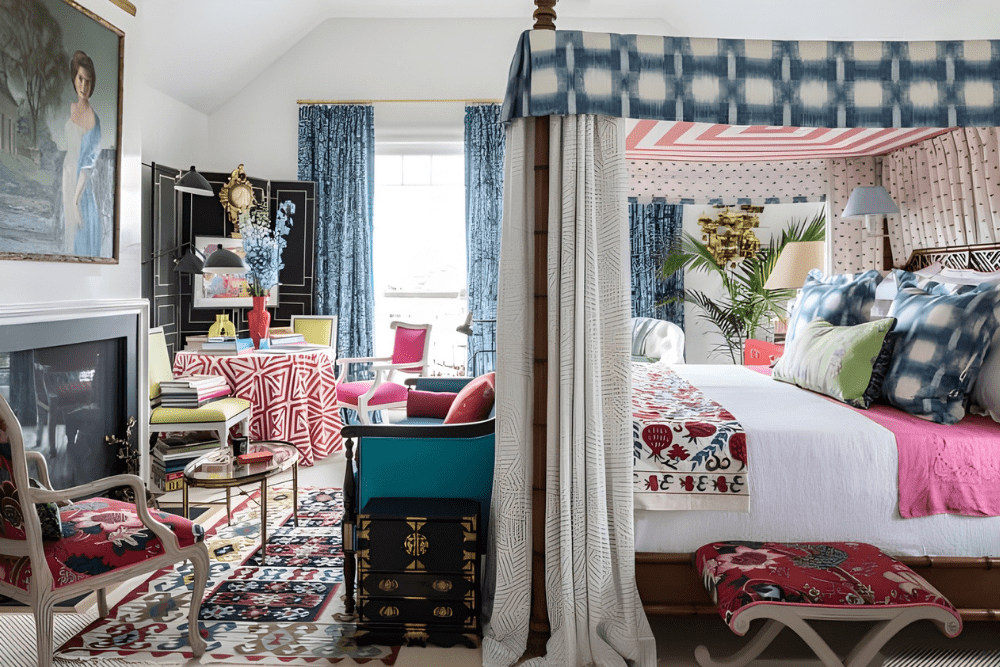
Conventional design wisdom suggests picking one pattern per room and sticking with it. But for some homeowners, they bend this rule by mixing patterns to serve as an accent. The key is to stay in the same color family and change scales between different patterns.
2. “Dark Colors Make Small Spaces Look Smaller”
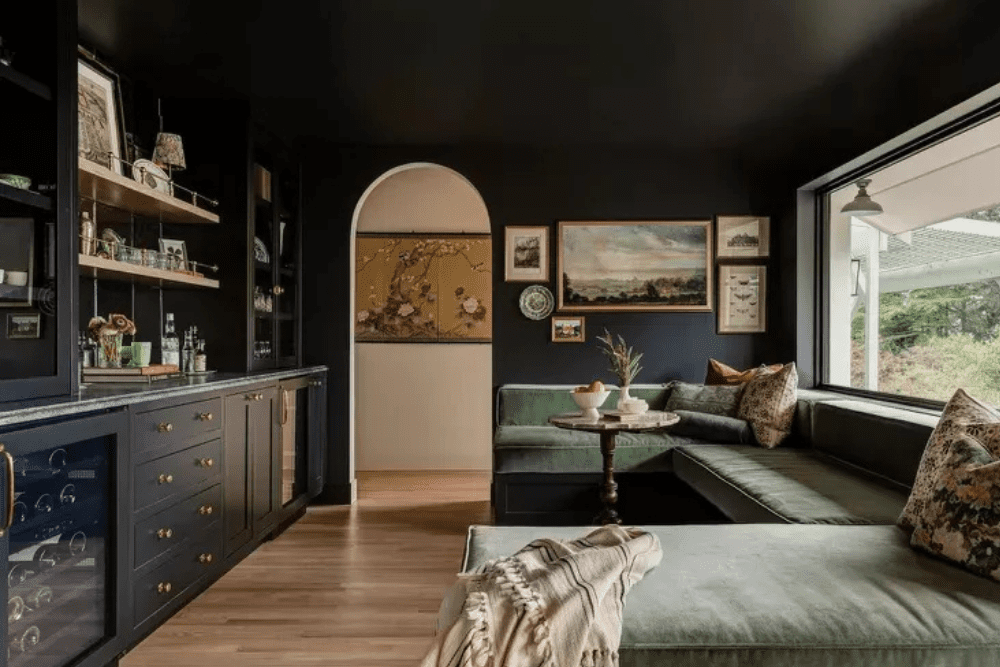
Traditional interior design says that dark colors make small spaces appear even smaller. However, some people choose to shrug, as we see their dark-painted room as rich in colorful tones. It’s not about making a space look bigger, but making it feel right for you. Just balance the dark colors with light features and decor to make the room stand out.
1. “Never Mix Metals”
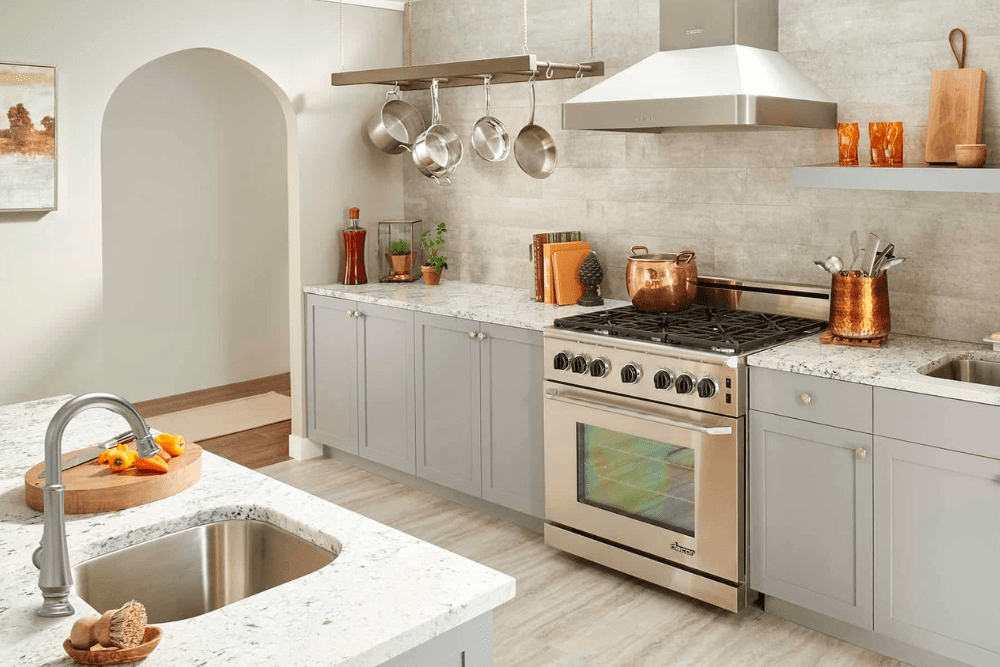
For years, we’ve known that all metal finishes in a room must match one another. However, some opted for a different approach by mixing metals to enhance the look of any room. In the kitchen, consider using black for light fixtures and cabinet pulls, paired with a brass faucet, to make it the jewel of your space. The key is choosing two or three finishes and using one continuously throughout the room so they connect.