
Every day, people unknowingly throw money away on purchases that seem reasonable. However, what you may not know is that it adds up to thousands of dollars annually without you getting the most out of it. From invisible monthly charges to some of the most clever marketing tactics. Here are the 8 things that you overpay for.
8. Subscription Services You Forget About
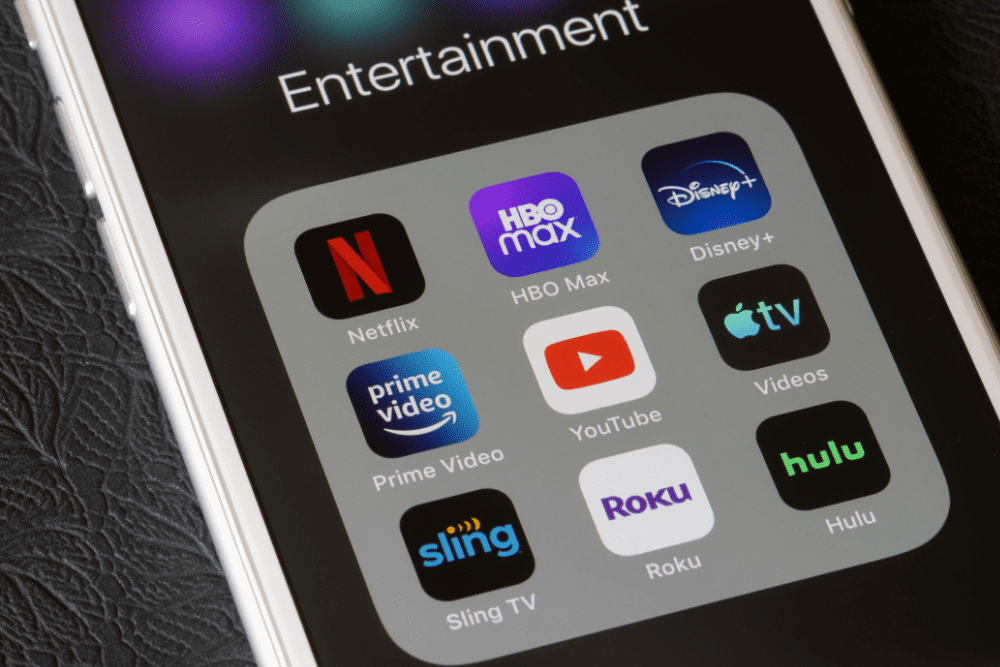
Almost everything these days requires a subscription to get full services. Sometimes, you just want to try a free trial for a fitness app, but after signing up, you forget to unsubscribe before the trial period ends. By the time you remember the app, it will have been about four months. With that, check your bank and credit card statements to identify all of your recurring expenses.
7. Brand-Name Groceries and Household Items

Groceries offer different brands of the same product or food item. Unless you notice the difference in taste or quality, don’t spend much on brand names. Why? Many of these generic products are made in the same factories as the name brands. The next time you’re shopping for groceries, try the less expensive brand.
6. Credit Card Interest and Fees
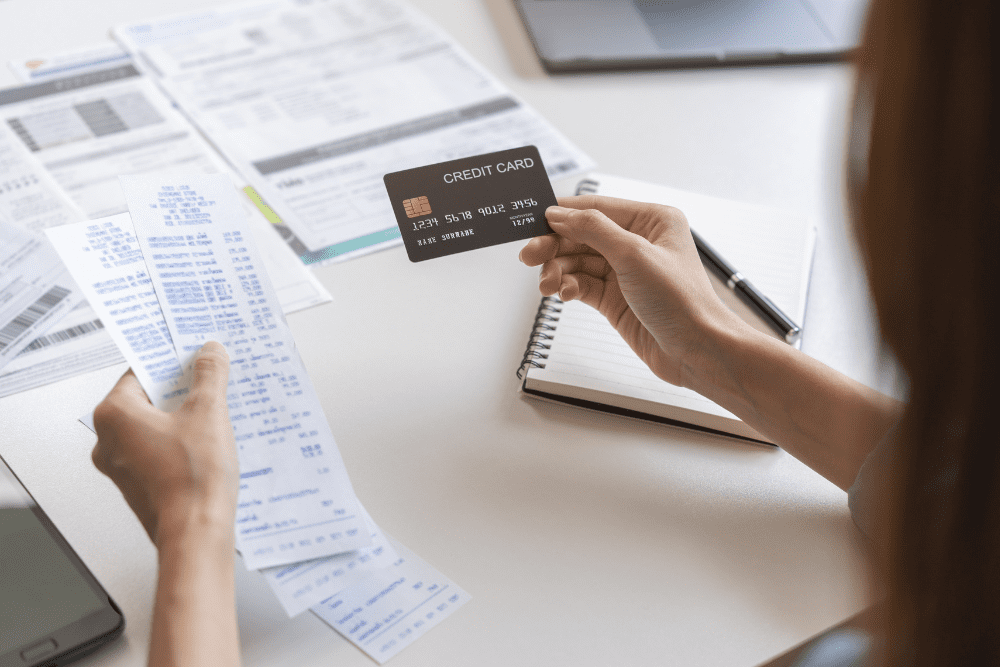
Credit cards are both convenient and expensive. People spend money on annual or monthly fees from cards that they hardly even use. Not to mention, those high-interest rates that carry a balance, which incur high interest fees. To ensure long-term savings, be sure to pay your balance each month. If you can’t afford to pay it, choose to pull money from your savings to pay it off rather than paying interest.
5. Unused Gym Memberships

Membership to a gym is another excessive expense that we spend on, especially if it remains unused. While we signed up with good intentions, we ended up not going for a long time because of other life priorities. Try trading it in for activities that you enjoy, such as biking or mountain climbing. You can also form fitness habits through home workout videos.
4. Bottled Water

While they’re fairly cheap, you’re paying for something that would cost you money in the long run. Not to mention the environmental downfalls that you’re contributing to. Instead, invest in a good quality reusable bottle when you’re outside and a home filtration system at home.
3. Convenience Store and Gas Station Purchases
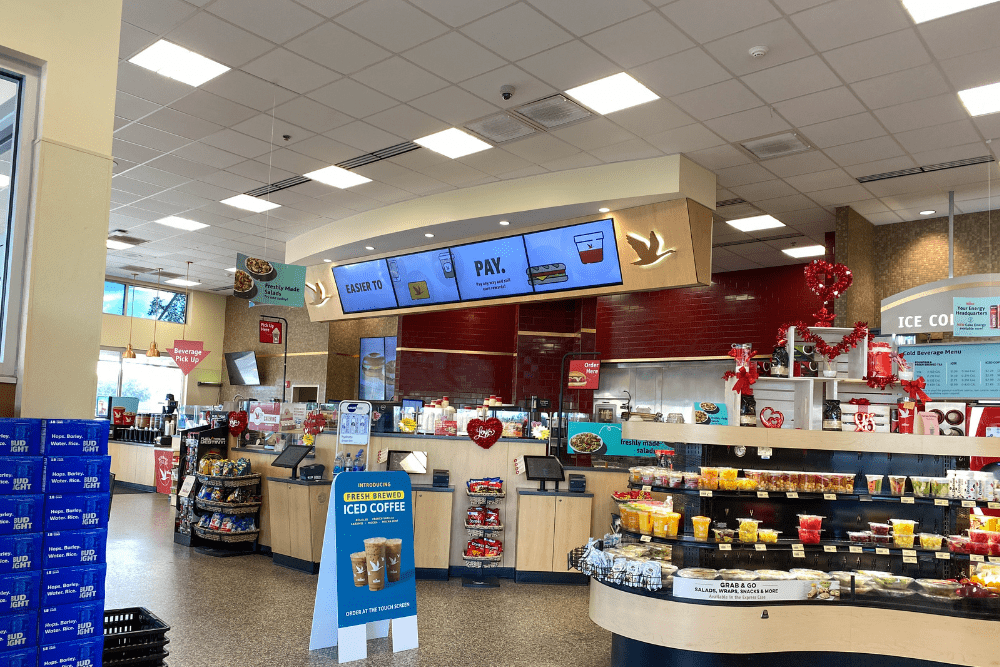
Purchasing items from convenience stores and gas stations can be costly. This applies equally to buying from fast-food drive-thrus. Instead, try making your own snacks at home. Plan ahead for your grocery trips and use the internet to search for recipe ideas that taste better and are healthier.
2. Food Delivery and Dining Out from Convenience

If you consistently order delivery, you’re likely to spend over $ 2,000 annually from your budget. Imagine you’re paying for your food that’s been marked up, plus the delivery fee and tips. Try meal prepping on weekends and reserve eating out for social occasions. That’s economical and healthier in the long run.
1. Extended Warranties on Electronics and Appliances

Retailers push extended warranties to consumers, retaining 50 percent of the amount charged. Instead of availing yourself of these extended warranties, consider keeping the money in your savings account and using it in case your gadget or appliance needs repair. Also, opt for reliable brands with good manufacturer warranties.