
It’s not always the big purchases that drain your wallet. Sometimes, it’s the small, automatic habits you do at home. These seven everyday moves could be costing you more than you think, and it’s time to put an end to that.
7. The Bulk Buying Trap
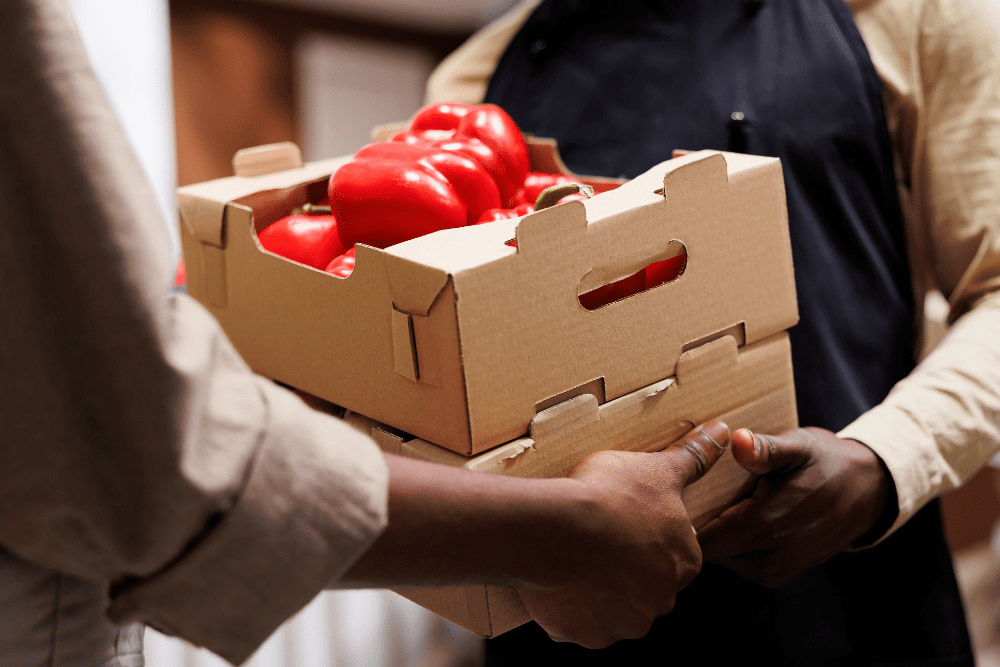
Buying in bulk feels like a smart move, but it can backfire. The allure of a good deal can lead to overbuying, especially perishable items. Before you load up your cart, be realistic about your household’s consumption and storage space to avoid turning potential savings into actual waste.
6. The Brand Name Devotion

Are you exclusively loyal to big-name brands? You could be paying a premium for no reason. Store brands are typically 15-25% cheaper than their national brand counterparts, with experts agreeing there’s often no sacrifice in quality. The food industry has become so adept at creating high-quality private-label products that many consumers can’t tell the difference.
5. The Ignored Drip
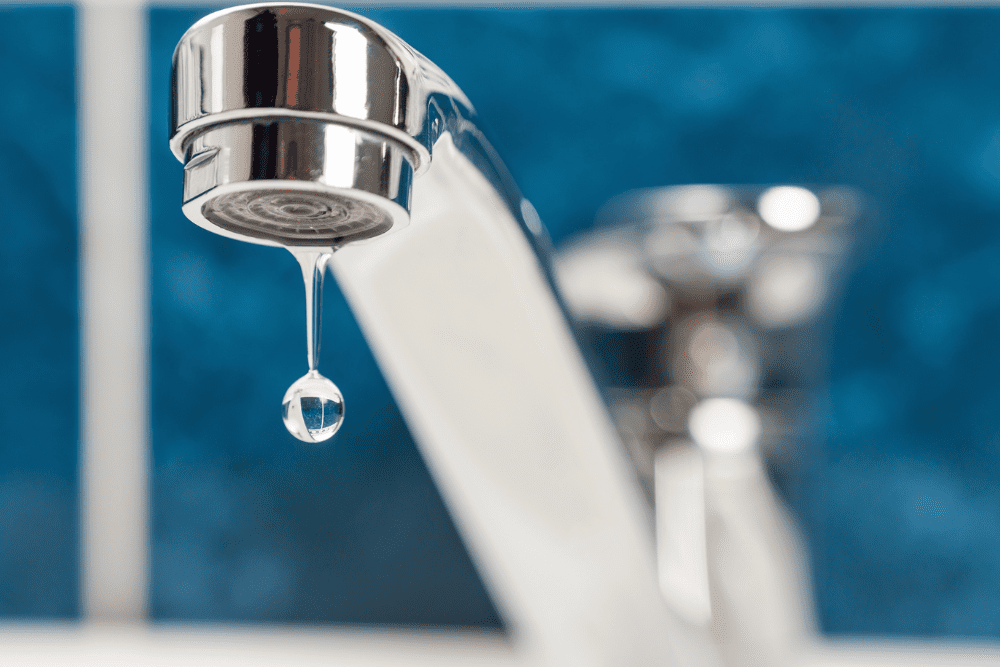
That constant drip, drip, drip from a leaky faucet is more than just annoying; it’s a money drain. A single faucet leaking at a rate of one drip per second can waste over 3,000 gallons of water per year, which can increase your water bill by over 10%. A leaky toilet is even worse, potentially costing you over $150 a month.
4. The Dirty Air Filter Dilemma
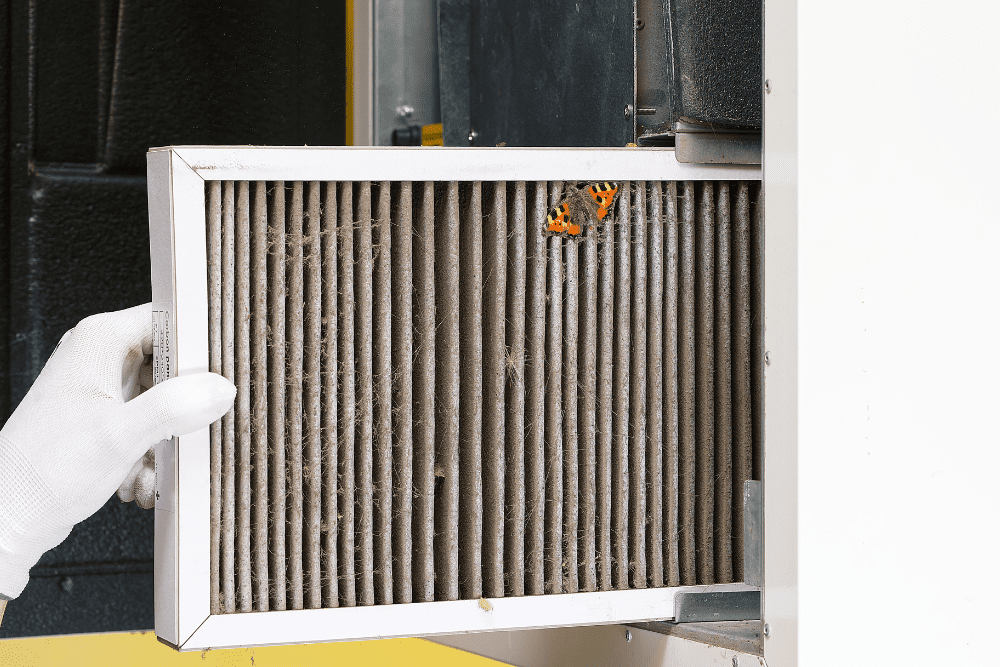
When was the last time you changed your HVAC filter? A dirty, clogged filter forces your heating and cooling system to work harder, which can increase your energy consumption. This simple, inexpensive maintenance task can significantly lower your energy bills and extend the life of your HVAC system.
3. The Forgotten Subscription Sinkhole

Are you paying for subscriptions you don’t even use? You’re not alone. The average US adult spends nearly $200 a year on unused subscriptions, according to a 2025 CNET article. A monthly audit of your bank and credit card statements can help you identify and cancel these recurring charges, putting that money back in your pocket.
2. The Revolving Debt Disaster

Carrying a balance on your credit card is one of the most expensive financial habits. Remember: a seemingly small balance can quickly balloon. Making it a priority to pay off your credit card balance in full each month is the single most effective way to avoid this costly debt trap.
1. The Great Food Waste Fiasco

The single biggest money-waster in most households is food waste. The average American household throws away an astonishing $2,913 worth of food each year, reflecting a consistent pattern of over-buying and under-using. Meal planning, shopping with a list, and properly storing food can cut down on this massive expense, making it the most impactful habit to change for your wallet.