
Traveling abroad is exciting until you accidentally break a rule you didn’t even know existed. To help you avoid “oops” moments, here are 11 of the weirdest and most surprising laws from around the world. Pack your bags, but read this first.
11. No High Heels at Ancient Sites in Greece

It might sound like a fashion critique, but Greece’s ban on high heels at its ancient wonders is all about preservation. Introduced in 2009, this law protects the country’s historical sites, like the Acropolis in Athens, from the damage caused by sharp heels. The pressure from stilettos can create tiny cracks and wear away at the delicate marble and stone surfaces that have stood for millennia.
10. Don’t Run Out of Gas on the German Autobahn

The German Autobahn is famous for its stretches with no speed limit, but with great speed comes great responsibility. It’s illegal to stop unnecessarily on the Autobahn, and that includes running out of fuel. The logic is that running out of gas is a preventable problem, and stopping for a non-emergency reason poses a safety risk to other drivers who are likely traveling at very high speeds.
9. No Chewing Gum in Singapore

Singapore is known for its cleanliness, and the country’s strict laws are a big reason why. One of the most well-known is the ban on chewing gum, which was enacted in 1992. The government implemented this law to eliminate the problem of gum litter on public transportation, in high-rise housing, and on the streets. Importing and selling gum can result in a fine of up to $1000 SGD.
8. No Camouflage Clothing in Barbados and Other Caribbean Islands

In several countries, including Barbados, Jamaica, St. Lucia, and Trinidad and Tobago, it’s illegal for anyone who isn’t a member of the military to wear camouflage. This law is strictly enforced, and tourists have been fined or even arrested for violating it. The reason? To maintain a clear distinction between the military and the general public.
7. It’s Illegal to Feed Pigeons in Venice

Feeding the pigeons in Venice’s St. Mark’s Square might seem like a classic tourist activity, but it’s against the law. The city banned the practice in 2008 to protect its historic buildings and monuments from the damage caused by the birds. If you’re caught feeding the birds, you could face a fine starting at €100.
6. Don’t Take Selfies with Buddha in Sri Lanka

In Sri Lanka, it’s considered disrespectful to turn your back on a statue of Buddha, and that includes taking a selfie with one. This act is seen as a sign of disrespect to the religious figure and can result in fines or even deportation. The country takes its religious customs very seriously, and tourists are expected to show the proper respect at all times.
5. It’s Illegal to Wear Just Swim Trunks in Public in Hawaii

While Hawaii is known for its beautiful beaches, there are still some rules you need to follow. One of the more surprising ones is that it’s illegal to be in public wearing only swim trunks. This law is not strictly enforced, but it’s still on the books. The idea is to maintain a certain level of decorum, even in a tropical paradise.
4. It’s Illegal to Cut Down a Cactus in Arizona

In Arizona, it’s illegal to cut down a cactus, and doing so can land you in jail for up to 25 years. This law is in place to protect the state’s iconic saguaro cactus, which can live for over 150 years and grow to be over 40 feet tall. These plants are a vital part of the desert ecosystem, and they’re protected by state law.
3. Don’t Bring Vapes or E-Cigarettes to Thailand

Thailand has some of the strictest anti-vaping laws in the world. It’s illegal to bring vapes or e-cigarettes into the country, and being caught with one can result in a hefty fine of up to 30,000 baht (~$900 USD) and a prison sentence of up to 10 years. The ban has been in place since 2014, and it applies to both tourists and locals.
2. It’s Illegal for Foreigners to Bring Satellite Phones into India
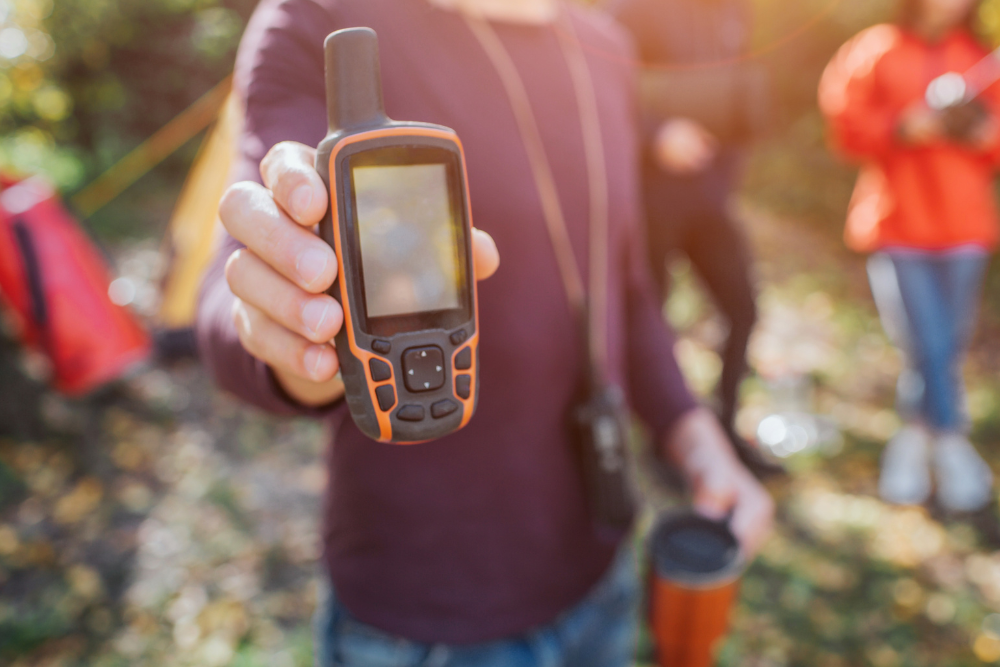
In India, it’s illegal for foreigners to bring satellite phones without a permit. This law was put in place after the 2008 Mumbai terror attacks, which were coordinated using satellite phones. The Indian government is very strict about this law, and being caught with an unauthorized satellite phone can lead to arrest and detention.
1. Many Prescription and Over-the-Counter Drugs are Illegal in Various Countries

Many prescription and over-the-counter drugs that are legal in your home country may be illegal in others. For example, drugs containing pseudoephedrine (found in Sudafed and Vicks inhalers) are banned in Japan. Even something as simple as a sleeping pill like Ambien is illegal in Nigeria and Singapore. Before you travel, it’s crucial to research the laws of your destination country regarding any medications you need to bring.