Some TV characters feel untouchable until one baffling storyline turns years of love into pure frustration. You watch them grow, root for every win, and then suddenly a rewrite makes them feel like strangers.
These are the characters whose charm, depth, or hard-earned arcs got wrecked by one awful creative decision. If you have ever yelled at a screen because a show betrayed its own best character, this list will hit hard.
1. Daenerys Targaryen
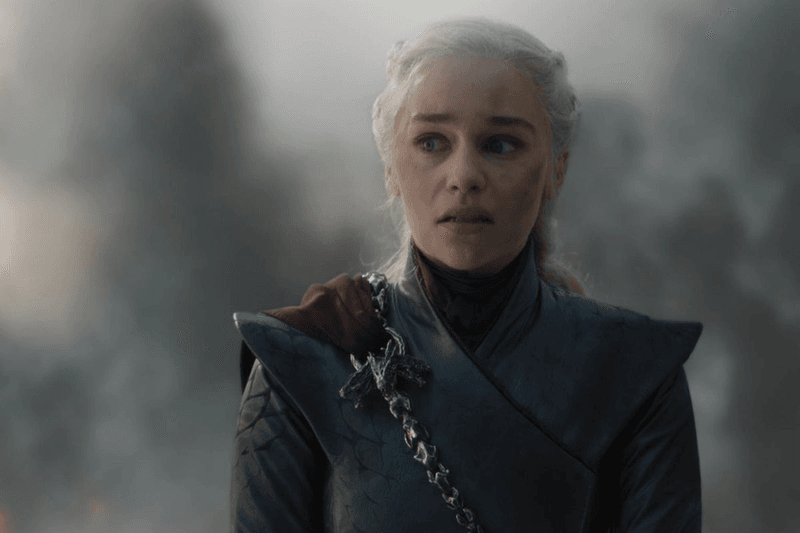
Daenerys Targaryen spent years feeling like one of television’s most layered revolutionaries. You watched her survive abuse, outthink enemies, free the oppressed, and slowly build the image of a ruler who might actually break a brutal cycle.
Her flaws were always there, but they were written with nuance, patience, and emotional logic.
Then the final rewrite pushed her into mass destruction so abruptly that it felt like the show skipped the very steps meant to make it believable. Instead of tragic inevitability, it landed like narrative whiplash.
What could have been a heartbreaking descent became a rushed twist, and that speed robbed one of TV’s most compelling women of the complexity that made people love her in the first place.
2. Andy Bernard
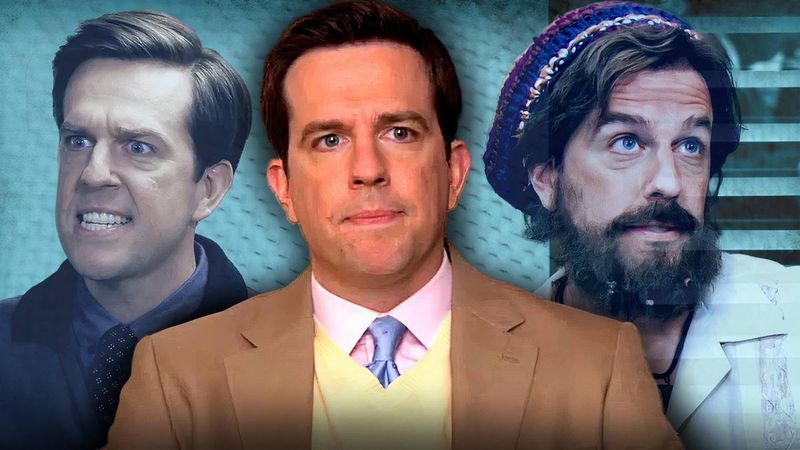
Andy Bernard was never the coolest guy in the room, and that was exactly why he worked. Beneath the Cornell jokes, anger issues, and desperate need for approval, he had a sweet underdog quality that made you want him to figure things out.
His later seasons even suggested real growth, especially in love and leadership.
Then the show suddenly turned him into a selfish, oblivious mess who abandoned responsibility and torched the progress he had earned. Instead of flawed but trying, he became unbearable and weirdly cartoonish.
The rewrite did not deepen his insecurities or test his growth – it simply erased it, making a formerly endearing disaster feel like a completely different character wearing Andy’s name tag.
3. Joey Tribbiani
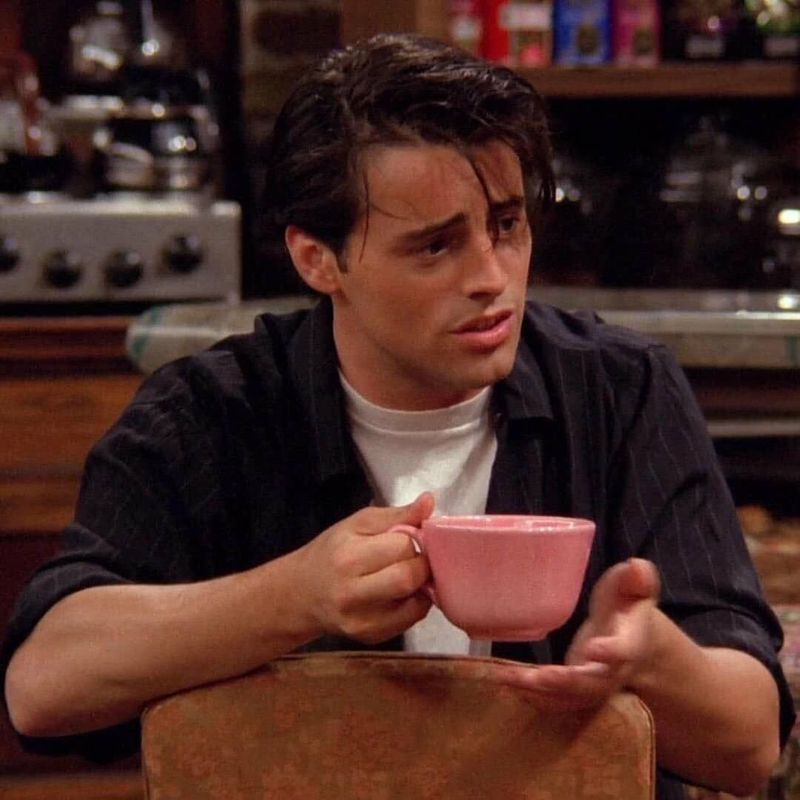
Joey started out as the warm, loyal friend who happened to be a little clueless. He was a flirt and a goof, but he still understood people, had emotional intelligence, and often grounded the group with surprising sincerity.
That balance made him far more than the handsome dumb guy archetype.
As the years went on, the writing leaned so hard into his stupidity that he became almost childlike. Instead of a charmingly uncomplicated actor, you got someone who sometimes seemed unable to function in basic conversations.
It is one thing to exaggerate a trait for comedy, but Joey’s rewrite flattened him into a punchline, and that robbed the character of the heart and humanity that once made him such an easy favorite.
4. Tyrion Lannister
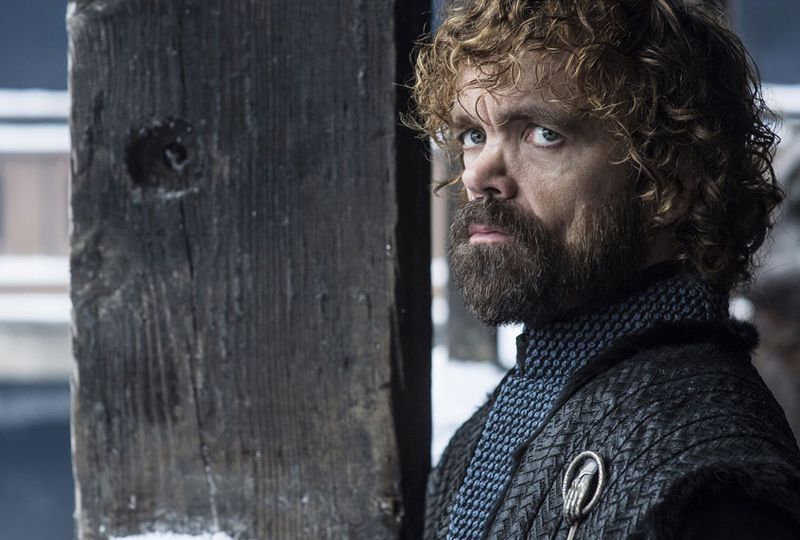
Tyrion Lannister earned audience love by being the smartest person in nearly every room. He was funny, wounded, strategic, and morally complicated, with dialogue sharp enough to cut through the darkest scenes.
Even when he made mistakes, they felt rooted in personality, trauma, and hard choices.
Later seasons stripped away much of that intelligence and replaced it with repetitive brooding and a string of bafflingly bad decisions. The man who once saw every angle suddenly seemed unable to read obvious threats or trust his own instincts.
You kept waiting for the old spark to return, but the rewrite left him reacting instead of driving the story. That shift turned one of television’s greatest survivors into a strangely passive shadow of himself.
5. Cordelia Chase
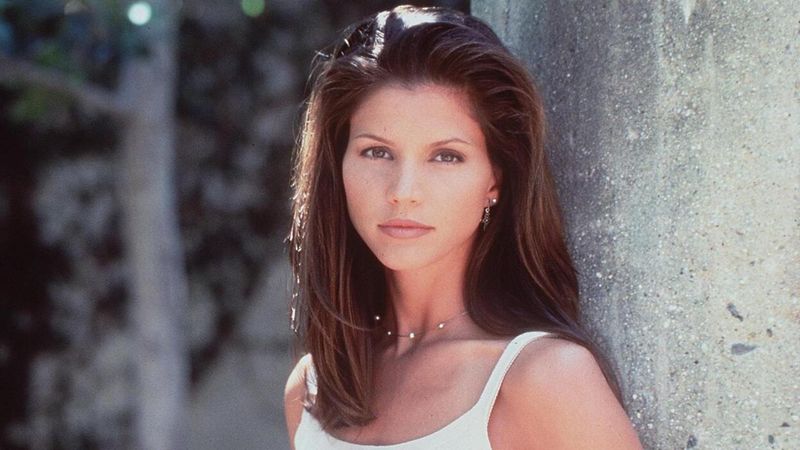
Cordelia Chase had one of the most satisfying transformations in genre television. She evolved from a hilariously shallow queen bee into a genuinely brave, compassionate force, without losing the bite and wit that made her unforgettable.
Watching her grow felt rewarding because the show actually honored where she started.
Then a late rewrite twisted her story into something cruel, confusing, and deeply out of sync with everything she had become. Instead of building on her strength, the narrative reduced her agency and used her for shock value.
Fans were not upset just because it was tragic – they were upset because it felt disrespectful. A character who earned her depth through years of development deserved better than being warped to serve a messy, uncomfortable plot.
6. Alex Karev

Alex Karev began as a rough, arrogant intern, but his long journey turned him into one of the most believable growth stories on television. He stayed prickly, but underneath that shell was loyalty, tenderness, and a fierce instinct to protect the people he loved.
That evolution felt earned over many seasons.
Then his exit rewrite detonated years of maturity in a single stroke. Instead of wrestling honestly with his past and present, the story had him vanish in a way that made him seem cowardly, impulsive, and emotionally careless.
You can accept painful choices when they fit a character, but this one felt built for convenience, not truth. It did not just end Alex’s story – it made his hard-won progress look meaningless.
7. Bellamy Blake
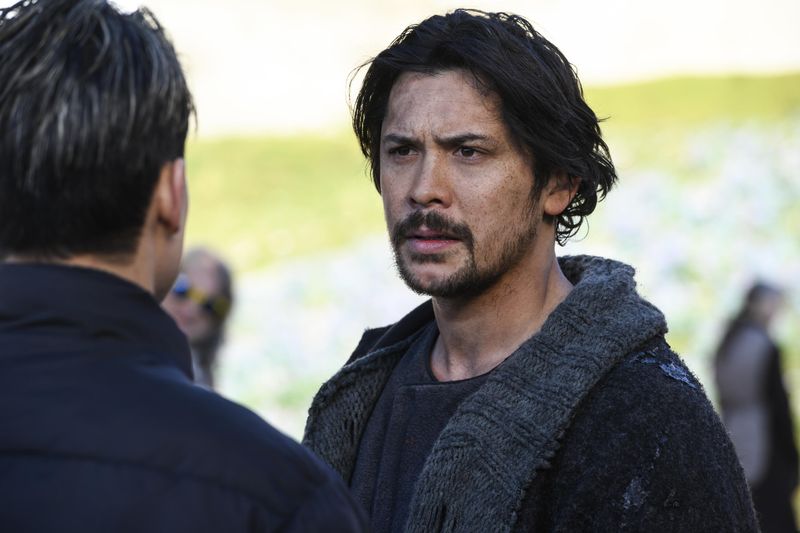
Bellamy Blake worked because his flaws and strengths were always inseparable. He could be impulsive, stubborn, and protective to a fault, but his love for his people gave his choices emotional weight.
Even when he messed up, you understood why, and that made his growth feel deeply human.
Then the writing suddenly pushed him into behavior that felt disconnected from his history, relationships, and hard-earned self-awareness. Instead of complex conflict, the show gave him an abrupt ideological turn that many viewers never bought.
The worst part was not that Bellamy changed – good characters should change. It was that the rewrite skipped the emotional bridge needed to make that change believable, leaving fans with a version of him that felt hollow and strangely disposable.
8. Stannis Baratheon
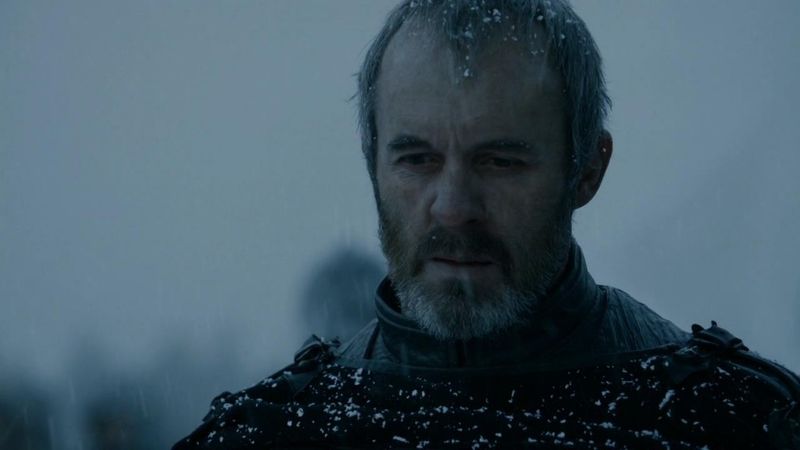
Stannis Baratheon was never written to be cuddly, but that seriousness was exactly what made him compelling. He felt like a man forged from duty, resentment, and rigid principles, someone whose every move came from a fierce belief in justice as he understood it.
You did not need to like him fully to respect him.
Then the show made a devastating choice that many viewers felt crossed from tragic into nonsensical. By pushing him into an act that seemed to violate the very code defining him, the writing shattered the internal logic that held his character together.
Dark turns can work when they emerge naturally, but this one felt designed for shock first. After that, Stannis no longer felt like a stern believer – he felt like a casualty of shortcut storytelling.
9. Kevin Malone
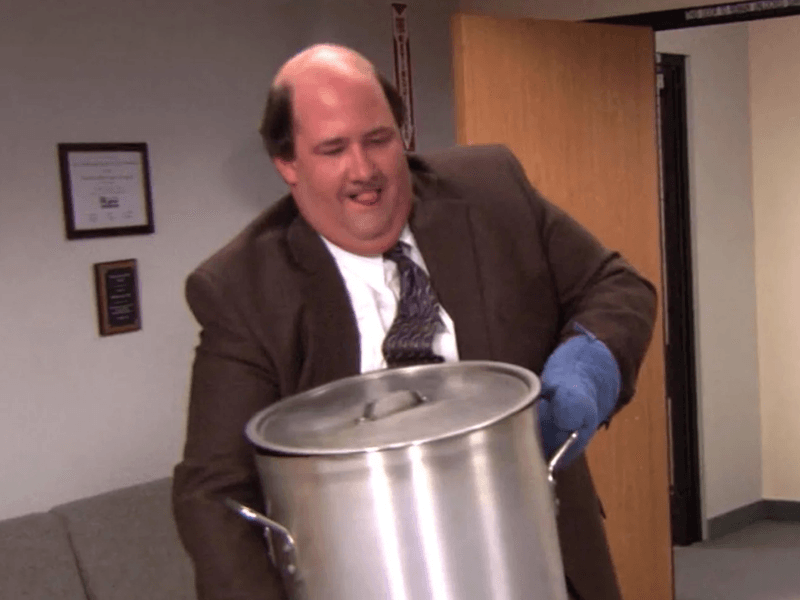
Kevin Malone started as a quietly funny office presence with odd timing, deadpan delivery, and just enough weirdness to keep every scene interesting. He was not a genius, but he also was not incapable of basic thought.
That subtle stupidity made the jokes land because they still felt grounded.
Later seasons turned him into an almost surreal caricature of incompetence. His speech slowed, his awareness vanished, and the show treated him less like a person and more like a walking punchline.
Exaggeration is common in long sitcoms, but Kevin’s rewrite pushed past funny into distracting. When a character stops feeling human, the comedy loses its charm.
What used to be endearing awkwardness became cartoon behavior, and the damage to his original appeal was hard to ignore.
10. Barney Stinson
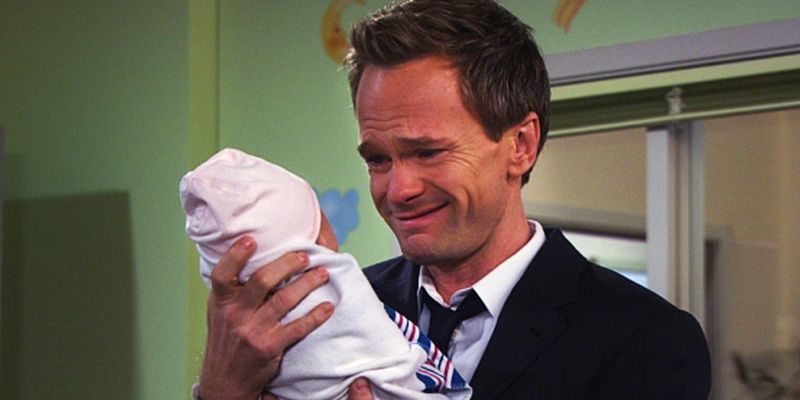
Barney Stinson survived for years as more than a catchphrase machine because the show let you see the insecurity under the performance. Beneath the suits, schemes, and outrageous confidence was someone deeply scared of rejection and intimacy.
That vulnerability gave his best episodes surprising emotional depth and made his growth feel possible.
Then the late rewrite seemed to yank him backward just when that growth mattered most. Instead of letting his hard lessons reshape him in a lasting way, the story leaned on old patterns for one last twist.
The result felt less like tragic realism and more like the show not trusting its own development. You can still enjoy classic Barney moments, but that final narrative decision made his evolution feel frustratingly temporary.
11. Robin Scherbatsky
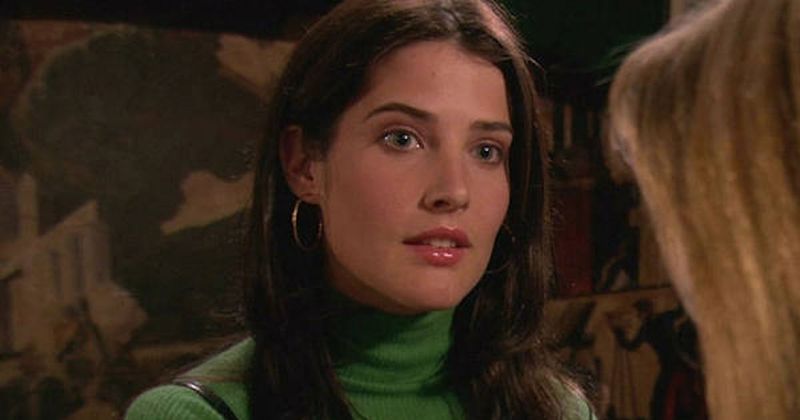
Robin Scherbatsky stood out because she did not fit the expected sitcom mold. She was ambitious, emotionally guarded, funny, and clear about wanting a life that did not revolve around traditional domestic dreams.
That perspective made her refreshing, and it gave the series an important counterbalance to its more sentimental instincts.
Then the ending reshaped her into a symbol for someone else’s long game, and many fans felt that cheapened everything unique about her. Instead of honoring her independence and choices, the rewrite made her seem like a prize waiting at the end of another character’s journey.
That did not just hurt the romance – it hurt Robin herself. A woman built with agency and specificity deserved a resolution that centered her, not one that repurposed her.
12. Jaime Lannister
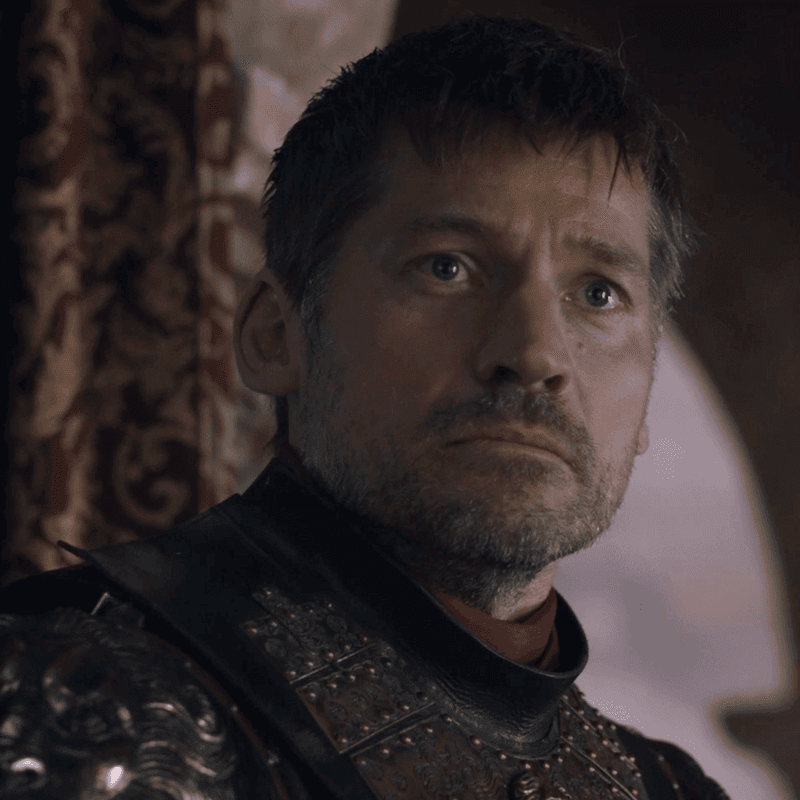
Jaime Lannister had one of television’s richest redemption arcs. He began as an easy villain to hate, then slowly unfolded into a wounded, self-loathing man capable of honor, tenderness, and real change.
Every revelation complicated your judgment, which made his journey unexpectedly moving and hard to look away from.
That is why his late rewrite hit so badly. Instead of letting his growth face a painful but coherent conclusion, the story seemed to dismiss years of evolution with a few lines and a sudden return to old impulses.
Tragedy was never the problem – he was always a tragic figure. The problem was how thinly that final turn was supported.
You were asked to believe regression without enough emotional groundwork, and the result felt hollow rather than heartbreaking.
13. Luke Danes
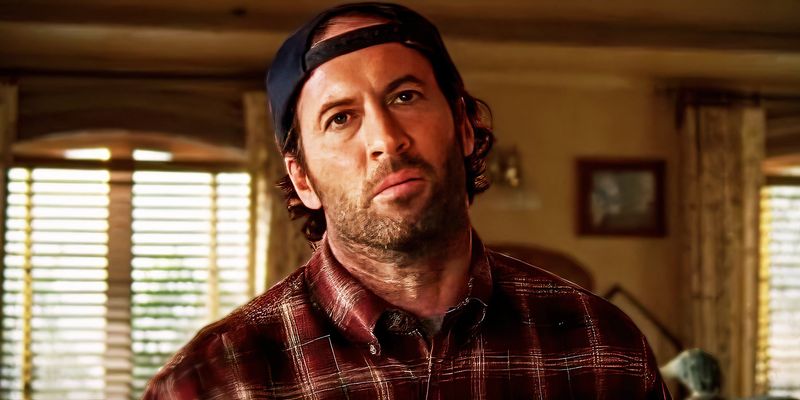
Luke Danes was the perfect grumpy softie, the guy who looked permanently annoyed but kept showing up for the people he loved. His chemistry with Lorelai worked because his care always felt practical, grounded, and sincere.
He was stubborn, yes, but never emotionally clueless to the point of absurdity.
Then later writing made him feel weirdly inarticulate and artificially stalled, especially when the story needed relationship conflict. Instead of the capable, quietly perceptive Luke viewers knew, you got a version who seemed unable to communicate basic truths for far too long.
That kind of rewrite is especially frustrating because it does not explode a character all at once – it slowly bends them out of shape. By the end, the charm remained, but the authenticity had taken a serious hit.
14. Rory Gilmore
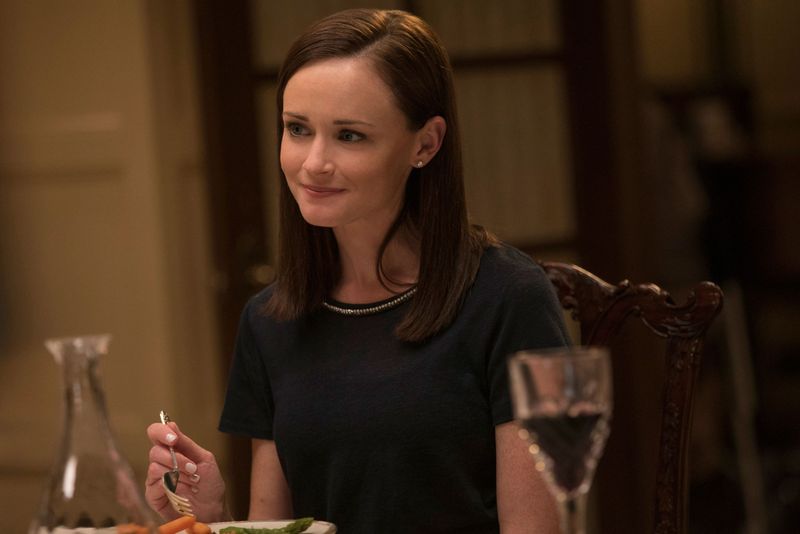
Rory Gilmore began as a smart, ambitious, and relatable young woman whose curiosity made her easy to root for. She was not perfect, but her flaws felt recognizable, and her bond with family gave the show much of its emotional warmth.
You could see a future for her that felt bright, messy, and believable.
Later writing, especially in her adult years, often confused stagnation with realism. Instead of showing a complicated but evolving woman, the story leaned into entitlement, indecision, and repeated mistakes without enough self-awareness to make the arc satisfying.
Characters are allowed to struggle, of course, but struggle needs shape. Rory’s rewrite left many viewers feeling like the writers had mistaken recognizable flaws for depth, and that misread dulled the affection people once had for her.
15. Debra Morgan
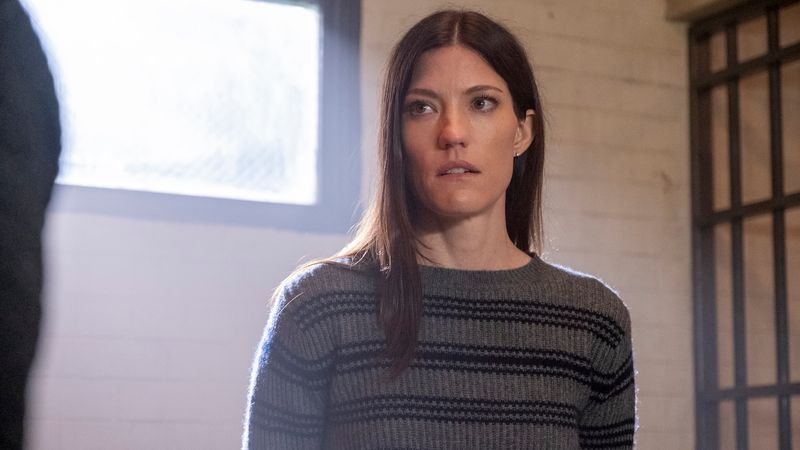
Debra Morgan was messy, loud, funny, and emotionally raw in a way that made her feel startlingly real. She brought heart to every scene, and her moral instincts often grounded a show built around darkness and secrecy.
Even when she spiraled, you felt her pain because the writing stayed close to who she was.
Then later choices pushed her into material that felt more shocking than honest, blurring core relationships and dragging her through misery without enough narrative care. The issue was not that Deb faced trauma – she was built to carry difficult stories.
The issue was that the rewrite often seemed more interested in twisting her than understanding her. By the end, a character who once felt fiercely alive had been reduced to a vessel for increasingly misguided dramatic decisions.