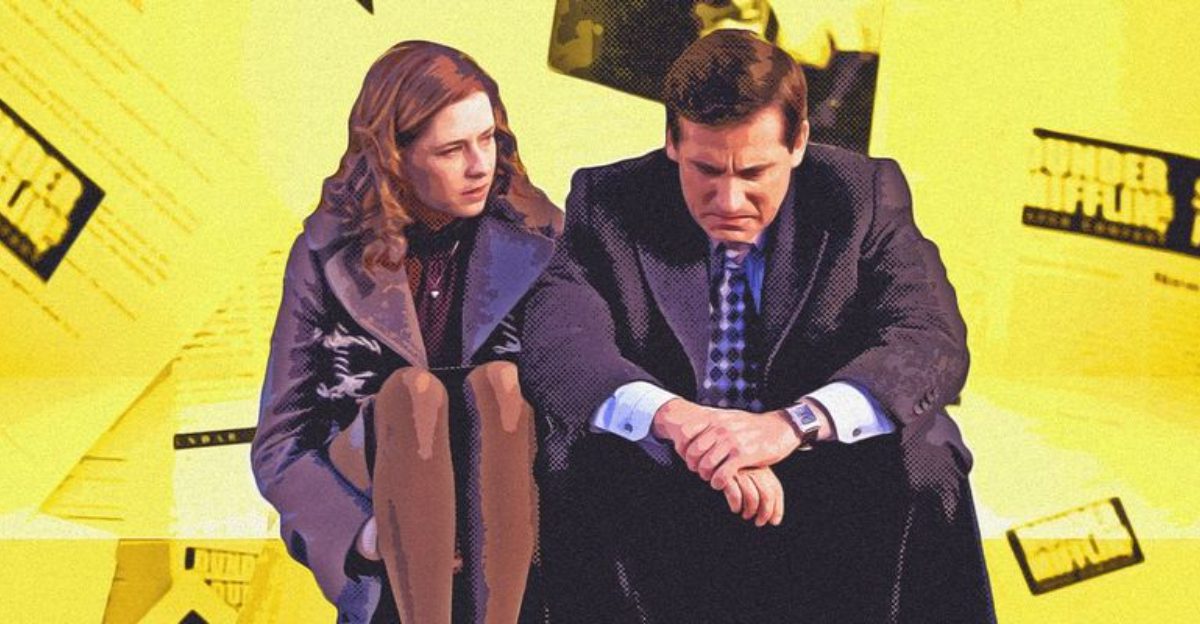
Michael Scott started as a cringe-inducing boss whose antics made viewers squirm more than laugh. Over time, the show dismantled that caricature and rebuilt him into a complicated, sympathetic figure you could root for.
This article traces the near-loss and slow humanization that turned an unbearable character into one of televisions most memorable creations.
Early Cringe and Selfishness

I remember the early Michael Scott as a study in cringe and selfishness, a man whose need to be loved drove tone-deaf choices that made you wince. You could feel the writers pushing boundaries to see how far he could fall before the audience turned away.
That discomfort was deliberate and necessary to set a baseline for growth.
Over seasons I watched the show carefully humanize him by revealing vulnerability and moments of genuine empathy. Small victories – a sincere apology, an awkward kindness, a failed ambition that revealed heart – started to reframe how you felt.
By the time he became lovable there was a sense of earned redemption that made earlier pain meaningful.
Watching him almost leave the show felt risky, but it ultimately redeemed him for viewers.
The Writers Push Boundaries

I remember the early Michael Scott as a study in cringe and selfishness, a man whose need to be loved drove tone-deaf choices that made you wince. You could feel the writers pushing boundaries to see how far he could fall before the audience turned away.
That discomfort was deliberate and necessary to set a baseline for growth.
Over seasons I watched the show carefully humanize him by revealing vulnerability and moments of genuine empathy. Small victories – a sincere apology, an awkward kindness, a failed ambition that revealed heart – started to reframe how you felt.
By the time he became lovable there was a sense of earned redemption that made earlier pain meaningful.
Watching him almost leave the show felt risky, but it ultimately redeemed him for viewers.
Cringe as a Baseline

I remember the early Michael Scott as a study in cringe and selfishness, a man whose need to be loved drove tone-deaf choices that made you wince. You could feel the writers pushing boundaries to see how far he could fall before the audience turned away.
That discomfort was deliberate and necessary to set a baseline for growth.
Over seasons I watched the show carefully humanize him by revealing vulnerability and moments of genuine empathy. Small victories – a sincere apology, an awkward kindness, a failed ambition that revealed heart – started to reframe how you felt.
By the time he became lovable there was a sense of earned redemption that made earlier pain meaningful.
Watching him almost leave the show felt risky, but it ultimately redeemed him for viewers.
Moments of Vulnerability

I remember the early Michael Scott as a study in cringe and selfishness, a man whose need to be loved drove tone-deaf choices that made you wince. You could feel the writers pushing boundaries to see how far he could fall before the audience turned away.
That discomfort was deliberate and necessary to set a baseline for growth.
Over seasons I watched the show carefully humanize him by revealing vulnerability and moments of genuine empathy. Small victories – a sincere apology, an awkward kindness, a failed ambition that revealed heart – started to reframe how you felt.
By the time he became lovable there was a sense of earned redemption that made earlier pain meaningful.
Watching him almost leave the show felt risky, but it ultimately redeemed him for viewers.
The Turning Points

I remember the early Michael Scott as a study in cringe and selfishness, a man whose need to be loved drove tone-deaf choices that made you wince. You could feel the writers pushing boundaries to see how far he could fall before the audience turned away.
That discomfort was deliberate and necessary to set a baseline for growth.
Over seasons I watched the show carefully humanize him by revealing vulnerability and moments of genuine empathy. Small victories – a sincere apology, an awkward kindness, a failed ambition that revealed heart – started to reframe how you felt.
By the time he became lovable there was a sense of earned redemption that made earlier pain meaningful.
Watching him almost leave the show felt risky, but it ultimately redeemed him for viewers.
Near-Loss and Creative Risk
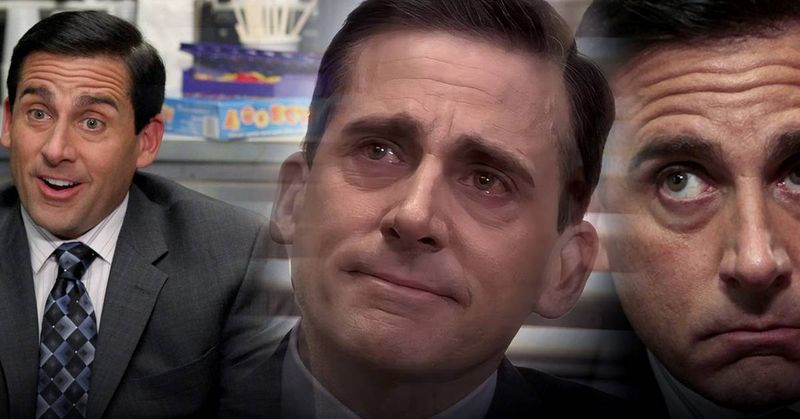
I remember the early Michael Scott as a study in cringe and selfishness, a man whose need to be loved drove tone-deaf choices that made you wince. You could feel the writers pushing boundaries to see how far he could fall before the audience turned away.
That discomfort was deliberate and necessary to set a baseline for growth.
Over seasons I watched the show carefully humanize him by revealing vulnerability and moments of genuine empathy. Small victories – a sincere apology, an awkward kindness, a failed ambition that revealed heart – started to reframe how you felt.
By the time he became lovable there was a sense of earned redemption that made earlier pain meaningful.
Watching him almost leave the show felt risky, but it ultimately redeemed him for viewers.
Earning Redemption
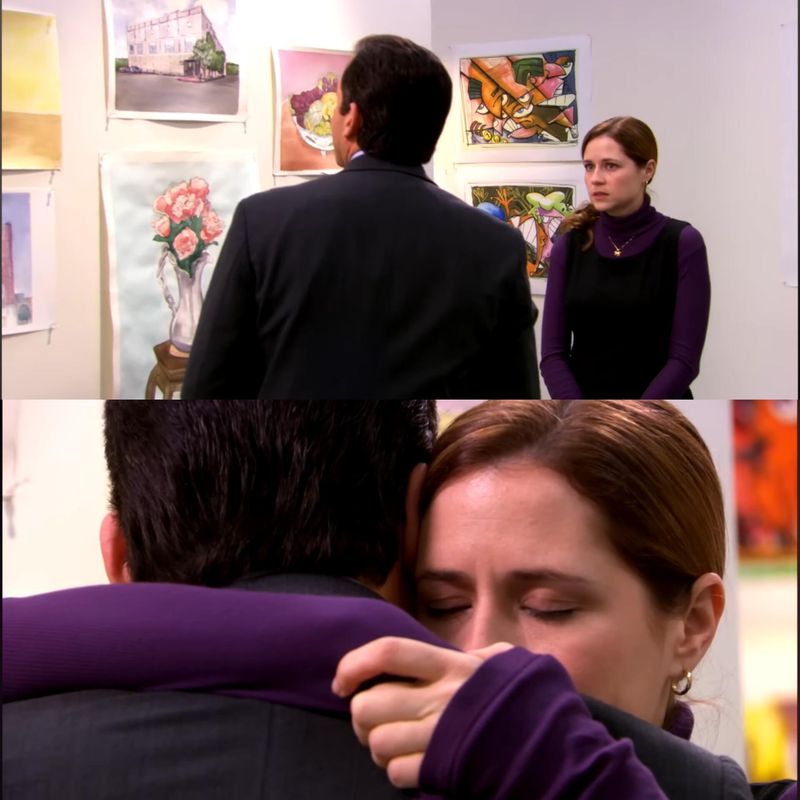
I remember the early Michael Scott as a study in cringe and selfishness, a man whose need to be loved drove tone-deaf choices that made you wince. You could feel the writers pushing boundaries to see how far he could fall before the audience turned away.
That discomfort was deliberate and necessary to set a baseline for growth.
Over seasons I watched the show carefully humanize him by revealing vulnerability and moments of genuine empathy. Small victories – a sincere apology, an awkward kindness, a failed ambition that revealed heart – started to reframe how you felt.
By the time he became lovable there was a sense of earned redemption that made earlier pain meaningful.
Watching him almost leave the show felt risky, but it ultimately redeemed him for viewers.
Fan Reaction and Acceptance

I remember the early Michael Scott as a study in cringe and selfishness, a man whose need to be loved drove tone-deaf choices that made you wince. You could feel the writers pushing boundaries to see how far he could fall before the audience turned away.
That discomfort was deliberate and necessary to set a baseline for growth.
Over seasons I watched the show carefully humanize him by revealing vulnerability and moments of genuine empathy. Small victories – a sincere apology, an awkward kindness, a failed ambition that revealed heart – started to reframe how you felt.
By the time he became lovable there was a sense of earned redemption that made earlier pain meaningful.
Watching him almost leave the show felt risky, but it ultimately redeemed him for viewers.
Legacy as a Character Study

I remember the early Michael Scott as a study in cringe and selfishness, a man whose need to be loved drove tone-deaf choices that made you wince. You could feel the writers pushing boundaries to see how far he could fall before the audience turned away.
That discomfort was deliberate and necessary to set a baseline for growth.
Over seasons I watched the show carefully humanize him by revealing vulnerability and moments of genuine empathy. Small victories – a sincere apology, an awkward kindness, a failed ambition that revealed heart – started to reframe how you felt.
By the time he became lovable there was a sense of earned redemption that made earlier pain meaningful.
Watching him almost leave the show felt risky, but it ultimately redeemed him for viewers.
Why the Arc Still Resonates

I remember the early Michael Scott as a study in cringe and selfishness, a man whose need to be loved drove tone-deaf choices that made you wince. You could feel the writers pushing boundaries to see how far he could fall before the audience turned away.
That discomfort was deliberate and necessary to set a baseline for growth.
Over seasons I watched the show carefully humanize him by revealing vulnerability and moments of genuine empathy. Small victories – a sincere apology, an awkward kindness, a failed ambition that revealed heart – started to reframe how you felt.
By the time he became lovable there was a sense of earned redemption that made earlier pain meaningful.
Watching him almost leave the show felt risky, but it ultimately redeemed him for viewers.