15 Actors Who Turned Failure Into a Full-Blown Empire
Hollywood loves to pretend failure is a brief, inspiring detour. In real life, it is usually more humiliating than that. A bombed movie. A pile of tax debt. A stretch of terrible roles. A public breakdown. A business that flops before anyone notices it existed. What separates the people on this list is not grit in the motivational-speaker sense. It is ownership. When the acting career hit a wall, they stopped relying on casting calls alone and started building companies, brands, studios, and deals that paid them long after the comeback narrative wore off.
Tyler Perry
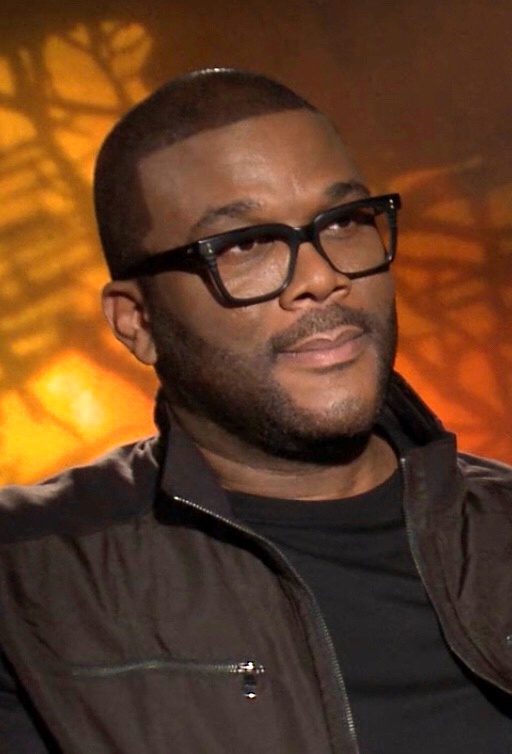
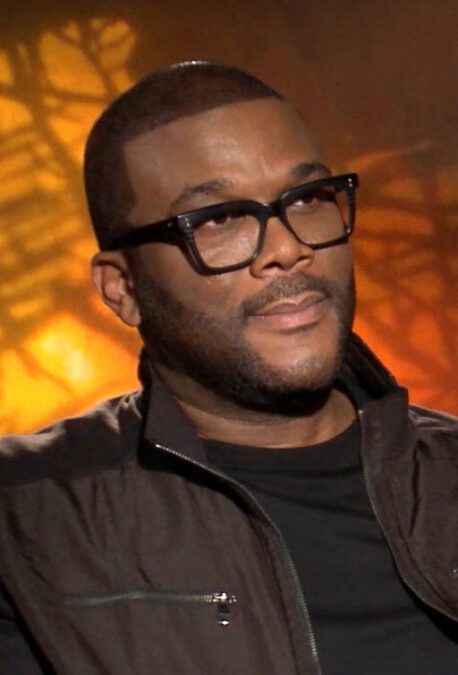
Tyler Perry’s first version of I Know I've Been Changed was a money-losing disaster. He has said the flop left him broke and effectively homeless before he rebuilt the play, found an audience, and turned that humiliation into a blueprint. That blueprint eventually became a vast content library he still owns, plus Tyler Perry Studios, the Atlanta production complex that made him something far rarer than a movie star: a fully self-contained factory. The empire did not rise out of success. It rose out of learning what failure costs when you do not control the work.
Reese Witherspoon
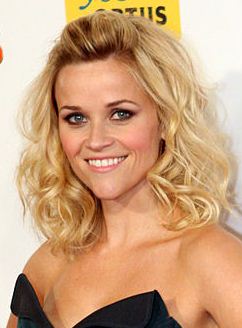
Reese Witherspoon’s frustration was less spectacular but just as decisive. She got tired of being offered decorative roles, the kind where the woman exists to react to the man and disappear. Instead of waiting for Hollywood to improve, she started producing. That move became Pacific Standard, then Hello Sunshine, the company built around female-driven stories and book adaptation muscle. By the time Candle Media bought Hello Sunshine in 2021 at a reported $900 million valuation, the old insult was obvious: the industry had spent years underusing one of its sharpest operators.
Ryan Reynolds
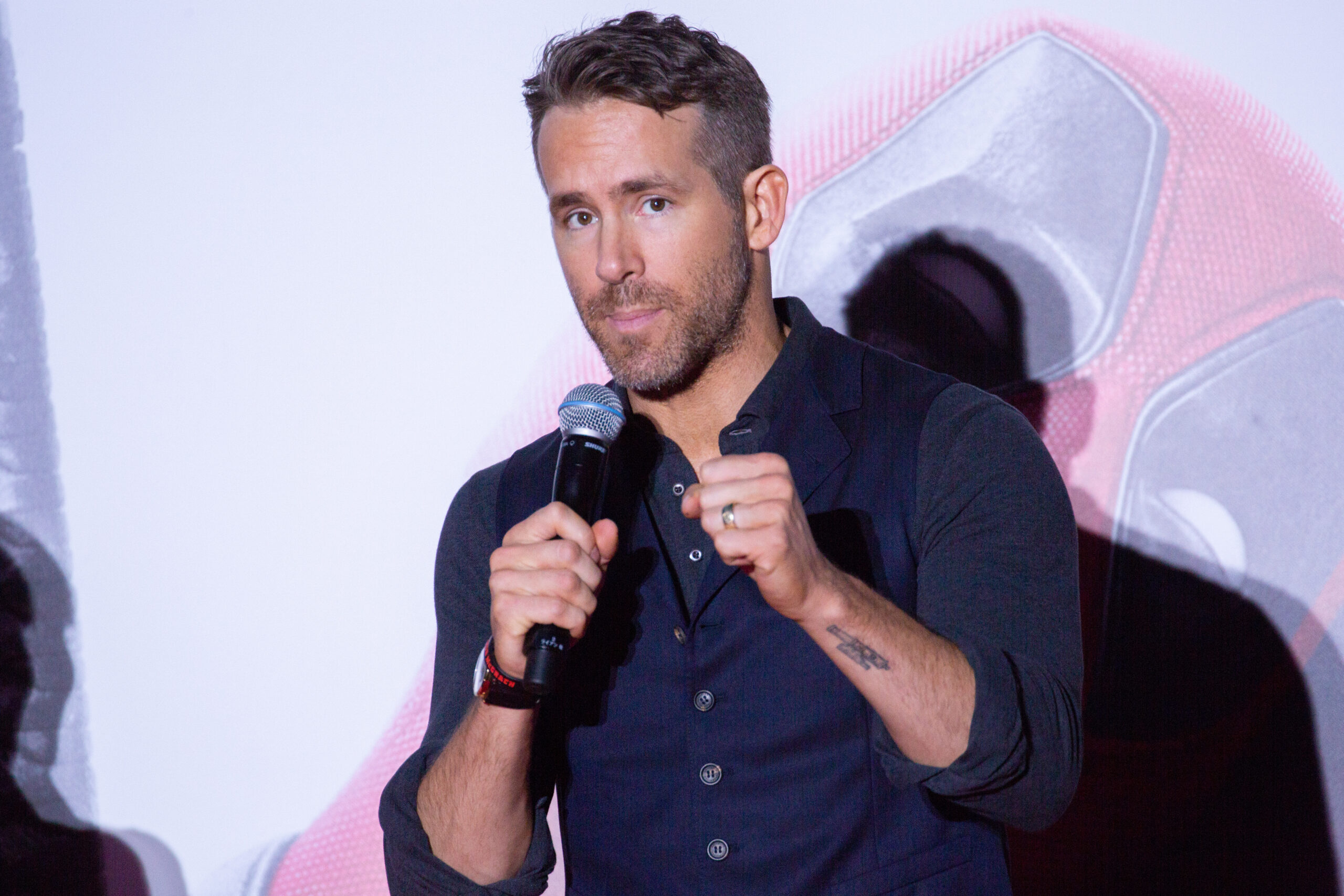
Green Lantern still hangs around Ryan Reynolds like a punchline, and he has been unusually honest about what he learned from it. Big budgets can hide dead ideas. Scale can smother personality. He took that lesson and pushed in the opposite direction, building a business style around voice, speed, and self-aware marketing. Aviation Gin, Mint Mobile, and Maximum Effort all run on that instinct. What looked like a superhero embarrassment ended up teaching Reynolds the value of tone control, and tone control turned into real money when those bets sold for nine-figure and ten-figure sums.
Jessica Alba

Jessica Alba’s pivot came from disgust. After Fantastic Four: Rise of the Silver Surfer, she described direction on set that made her question whether she even wanted to keep acting. That kind of career nausea can end people. In her case, it rerouted her. Alba co-founded The Honest Company and spent years dragging it through lawsuits, skepticism, and the usual celebrity-brand suspicion before it reached the public markets in 2021. The empire matters because it was not built on a clean inspirational arc. It survived turbulence, and that makes the win feel earned instead of branded.
Robert Downey Jr.

Robert Downey Jr. did not hit a simple rough patch. He detonated his own career. Addiction, arrests, jail time, and insurer panic turned one of Hollywood’s most gifted actors into a risk nobody wanted to underwrite. The comeback through Iron Man is famous. The more interesting part is what followed. Team Downey gave him and Susan Downey a company built to make films and series on their own terms, which is a very different life from begging the industry to trust you again. In his case, empire does not mean the biggest balance sheet on this list. It means turning a near-fatal collapse into leverage that lasts beyond the role.
Drew Barrymore
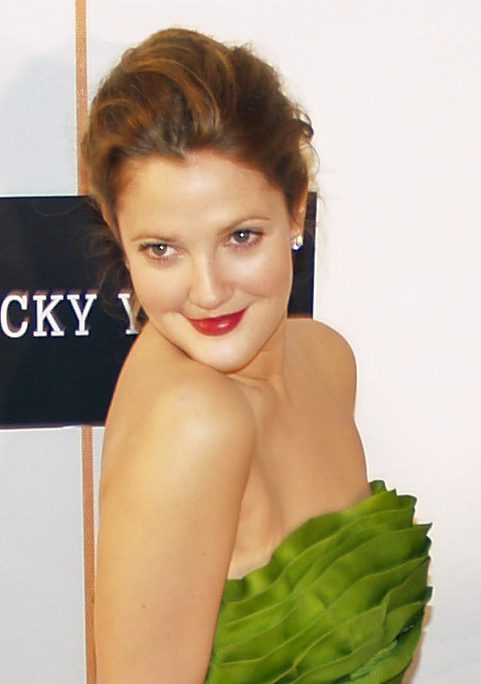
Drew Barrymore’s failures were public before she was old enough to vote. Drug use, rehab, institutionalization, the whole child-star collapse package was attached to her name early. The comeback everyone remembers is emotional, but the business story is what gives it weight. Barrymore built Flower Films into a real production vehicle and later stretched her name across beauty, home, and daytime television. Not every branch lasted forever, and that honesty actually helps the point. An empire is not one perfect product. It is the ability to keep turning relevance into infrastructure after most people assumed the story would end badly.
Ashton Kutcher
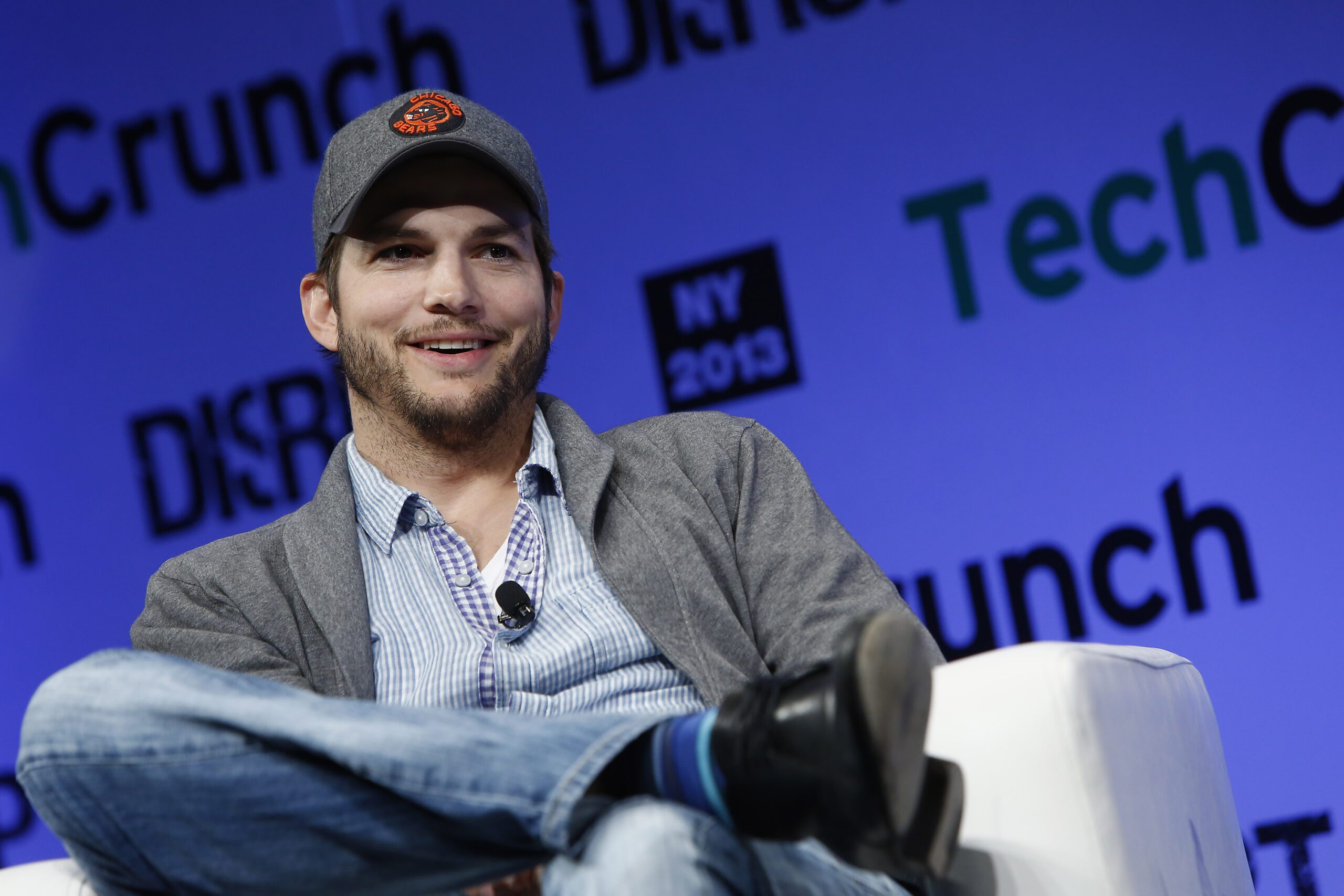
Ashton Kutcher’s empire did not start with a brilliant win. It started with a flop. He told Forbes that an early web venture, Blah Girls, failed, but the failure shoved him into the right rooms with technologists and investors. Kutcher paid attention. That matters. Plenty of celebrities wander into Silicon Valley and emerge with a press release. Kutcher turned the experience into A-Grade Investments and later Sound Ventures, becoming one of the few actors whose side business grew into a serious investing operation. The lesson was simple and expensive: a failed startup can still be tuition if you learn faster than your ego.
Mark Wahlberg
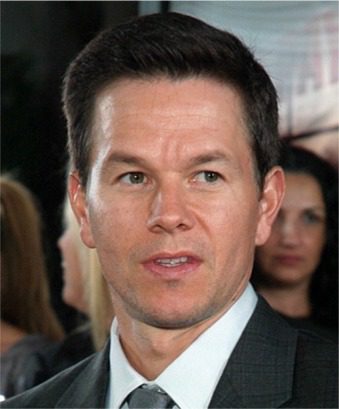
Mark Wahlberg’s origin story is rough enough that any polished version feels dishonest. Jail, violence, and a record that still follows him are not colorful backstory. They are the reason his later discipline matters. The empire did not come from one magic brand but from a repeated move: convert visibility into equity before the spotlight shifts. Wahlburgers made the family name commercial. Fitness and supplement bets extended the body-brand logic. Production work gave him another lane entirely. The interesting thing about Wahlberg is not reinvention. It is the cold practicality of refusing to let one business or one public identity carry the whole load.
Gwyneth Paltrow
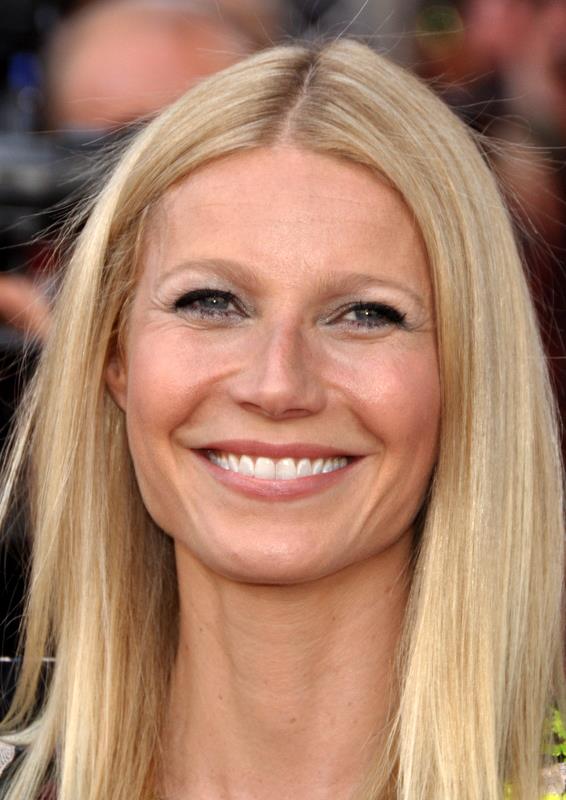
Goop was not merely criticized. It was ridiculed as if mockery alone should have killed it. Paltrow kept going through wellness backlash, a misleading-claims settlement, and years of being treated like Silicon Valley’s least serious founder. That is what makes the business result harder to dismiss. Forbes valued Goop at $250 million in 2020 because there was an actual company underneath the eye-rolling: products, retail partnerships, editorial, beauty, fashion. Paltrow’s trick was not charm. It was endurance. She proved that if a mocked brand keeps shipping, expanding, and selling, the joke eventually starts working for the business.
Eva Longoria
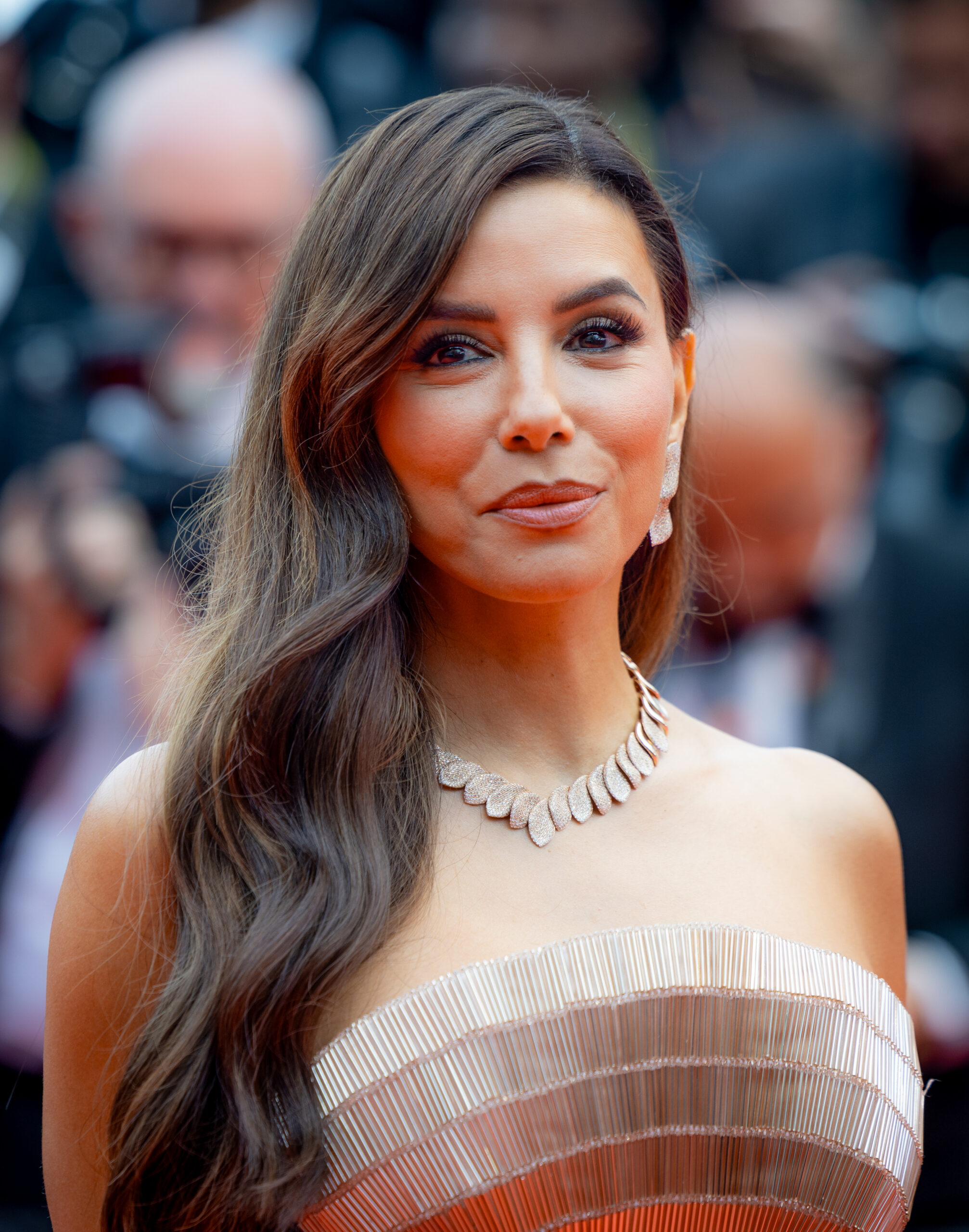
Eva Longoria’s wall was not obscurity. It was getting close enough to power to see how little of it she actually had. Fame from Desperate Housewives brought visibility, but not much control over what got made, who got funded, or how Latina stories were valued. So she stopped treating acting as the end of the road. Her producing work expanded into Hyphenate Media Group, built with Cris Abrego to develop and own projects instead of forever pitching them uphill. That shift from performer to gatekeeper is the only version of this entry that matters. Longoria belongs here because she treated the industry’s ceiling as a business problem, not a personal insult.
Selena Gomez
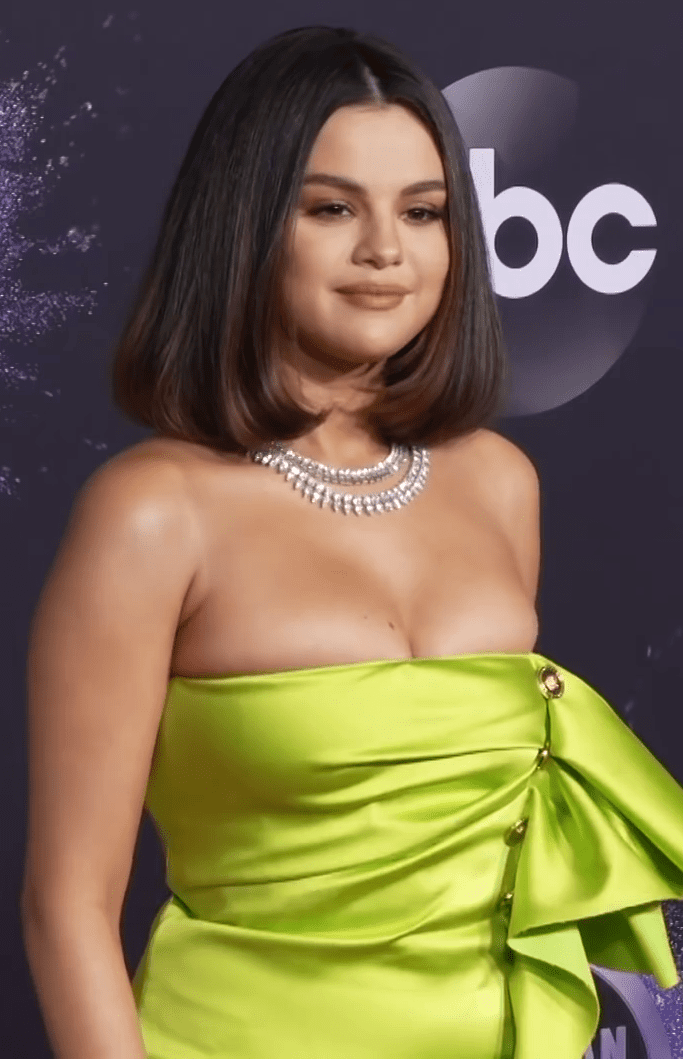
Selena Gomez’s public struggles with burnout, lupus-related health issues, and mental health changed the way people talked about her, but they also sharpened the way she built. Rare Beauty is not just another celebrity cosmetics label that appears in a launch party and vanishes into discount bins. Forbes reported roughly $370 million in 2023 revenue and valued the business at about $1.3 billion. Gomez’s stake is what turns the story from endorsement to empire. She used vulnerability, candor, and a carefully managed image reset to build a company with actual scale, not just a licensing check.
Kevin Hart
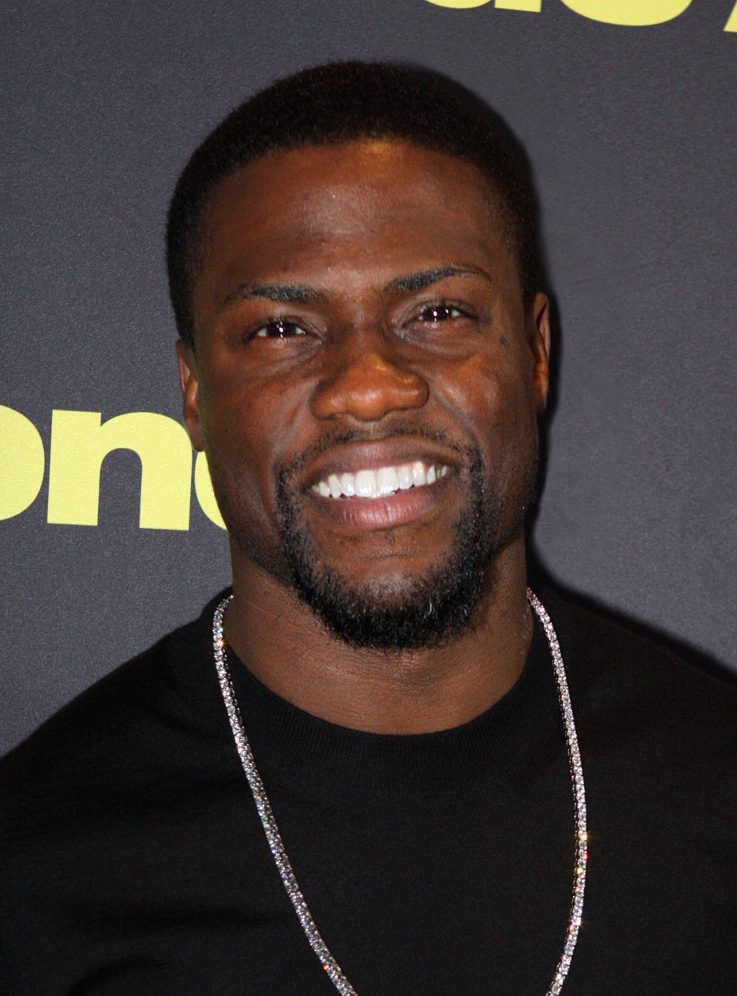
Kevin Hart likes to talk about bombing early in stand-up because it taught him a ruthless lesson: stop performing what you think people want and start owning your voice. That idea eventually got bigger than comedy. Hartbeat, backed by a $100 million investment deal, turned Hart from talent into platform. Production, distribution, branded content, podcasts, live events, all of it points toward the same goal of building an ecosystem instead of collecting paychecks one job at a time. Early failure taught Hart how fragile applause is. The company he built afterward is an attempt to make the applause optional.
Jennifer Lopez

Jennifer Lopez survived one of the most public movie humiliations of the 2000s. Gigli became shorthand for a bomb, and the tabloid frenzy around Bennifer made her seem overexposed, overhyped, and easy to dismiss. She kept building anyway. Nuyorican Productions gave her a long-term vehicle in film and television, while the fragrance line that started with Glow became a commercial monster. Forbes and later reporting tie that empire to beauty, licensing, footwear, and other deals that turned the old celebrity overkill narrative into a pretty flimsy insult. The career wobble was real. So was the business discipline that followed it.
Sofia Vergara

Sofia Vergara’s health scare belongs here because it changed the scale of the story. She has described the shock of learning she had thyroid cancer at 28, then undergoing surgery and long-term treatment. Forbes later reported that she and manager-partner Luis Balaguer had built Latin World Entertainment into a multi-pronged machine spanning talent, licensing, marketing, and production. Her fortune also swelled through licensing deals structured to give her a real stake in product sales, not just a face on an ad. That distinction matters. Vergara did not simply endorse brands. She learned to participate in the upside.
Will Smith
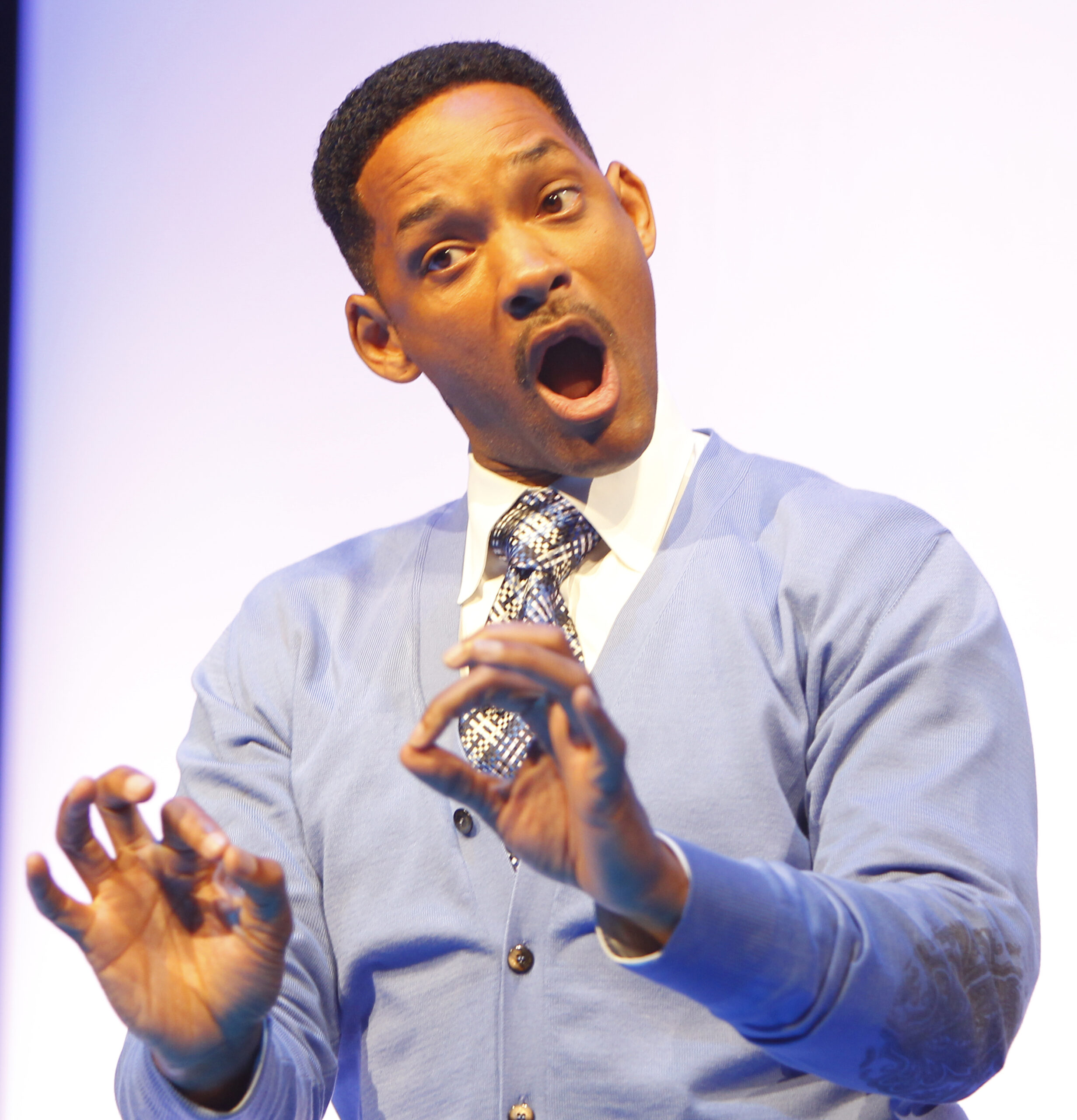
Before The Fresh Prince of Bel-Air, Will Smith has said he was buried in IRS debt after his early rap success curdled into a tax nightmare. Network television restored his earning power, but it also taught him the limit of being paid well by someone else. Overbrook was the first real step away from that dependency, a way to package and control projects instead of waiting for them. Westbrook turned the same logic into a broader media company with outside investors and multiple revenue lines. Smith’s story works because the debt crisis is not just a dramatic prologue. It explains why ownership would start to matter more than celebrity.
What ties these people together is not inspiration. It is distrust. At some point each of them learned that applause is unstable, casting is fickle, and relevance expires faster than anyone admits. So they moved closer to the part that lasts: the company, the rights, the deal structure, the stake. Some built studios. Some built beauty brands. Some built investment firms or media shops. The details changed, but the instinct was the same. After failure, they stopped asking Hollywood for another chance and started invoicing it from the other side.