You keep the house running, yet somehow you still feel like you can never catch up. If you live with a narcissist, that feeling might not be an accident. Certain jobs get left undone on purpose, quietly landing on your plate so the exhaustion and the blame stay yours. Once you see the pattern, you can stop measuring your worth by a mess that was never really yours to fix.
1. The Dishes That Sit Until You Cave
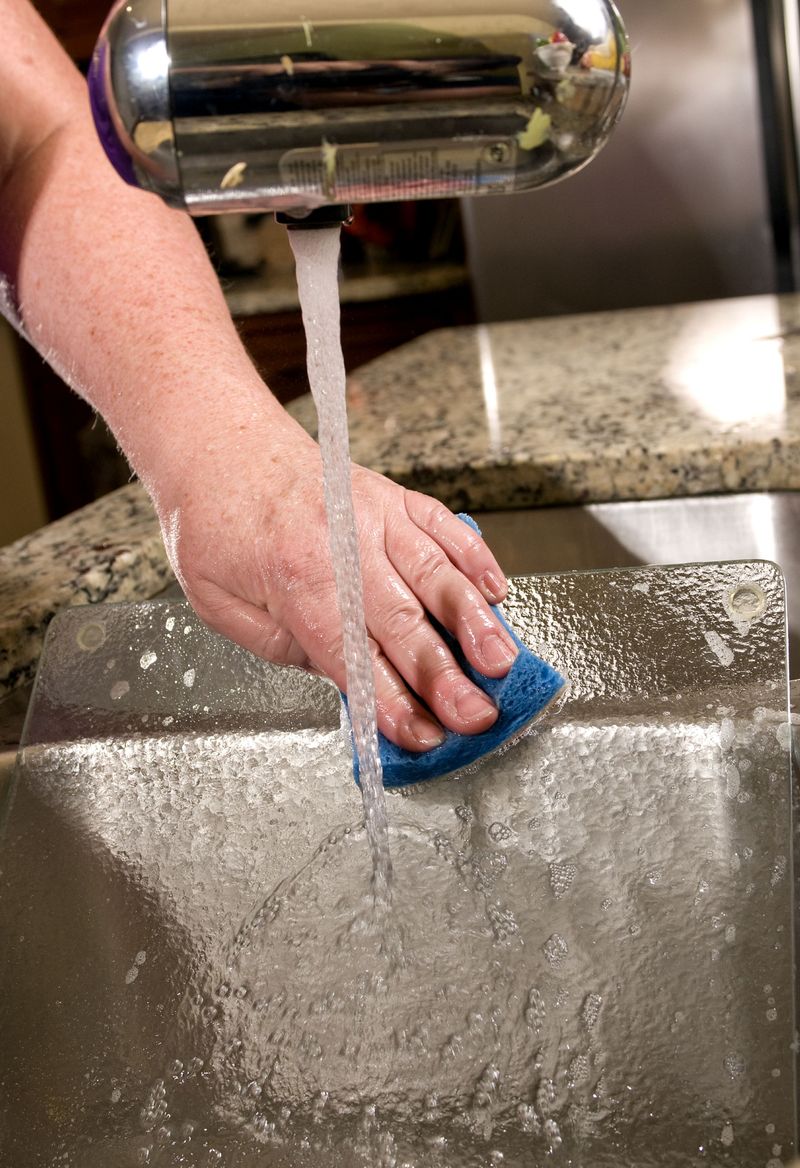
Picture a sink piling higher through the evening while he scrolls his phone, fully aware you can see it. He knows you will crack before he does, and that quiet standoff is the whole point.
Psychologists sometimes call this a waiting game, where one person simply outlasts the other by refusing to feel the discomfort. You end up washing every plate not because it is your turn, but because your tolerance for a messy kitchen was always lower than his. Over time your nervous system learns that if you want peace, you handle it, alone.
What makes dishes such a common flashpoint is how visible and constant they are. Meals happen three times a day, so the reminder of who gave in never stops. Naming this out loud, even just to yourself, can loosen its grip. You are not lazy or disorganized.
You are responding to a setup designed to make caving feel like your only option.
2. Trash That Overflows Until It’s an Emergency
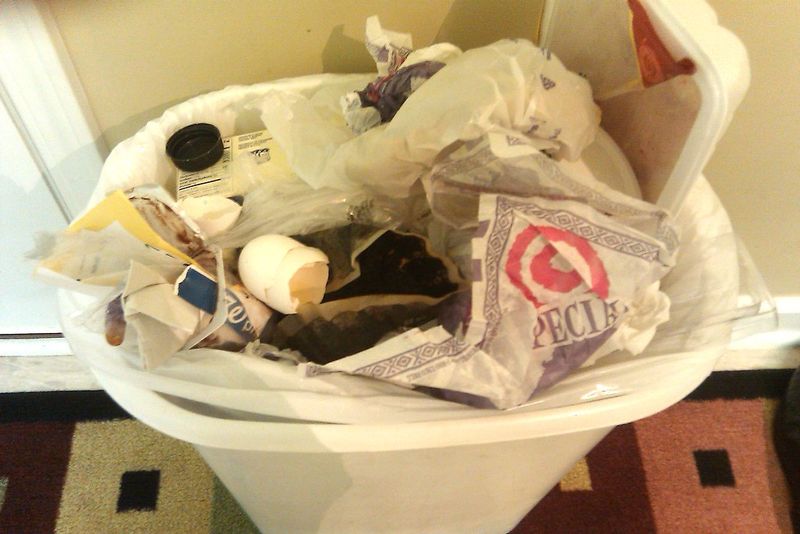
There is a strange kind of theater in a trash can that keeps getting one more item balanced on top of it. He walks past it a dozen times, adds to it, and never once ties the bag.
Garbage works well as a control tool because it eventually becomes urgent, and urgent things fall to whoever cares first. That person is almost always you. By the time it smells or spills, you are already apologizing for a problem you did not create.
The deeper sting is the implied message that this task is somehow beneath him and naturally yours. Chore research often points out that invisible household labor tends to get assigned by who notices, and narcissistic partners can weaponize that by simply refusing to notice anything. When you stop rushing to rescue the situation, you may feel real anxiety at first. That reaction is worth sitting with, because it shows you how trained you have become to absorb what he drops.
3. Laundry Left in Limbo

Half-finished laundry has a way of haunting a home. A wet load sours in the washer, a dry load wrinkles in the basket, and somehow it all becomes your project to finish.
He might start a load just often enough to say he helps, then abandon it at the exact moment it needs follow-through. That partial effort is clever, because it lets him claim credit while leaving the real burden with you. You are left refolding, rewashing, and quietly seething.
Clothing is personal, so this one cuts a little deeper than most. When your kids show up in the same shirt twice or you scramble for clean work clothes, the failure feels like it lands on your name, not his. That is exactly the emotional weight a manipulative partner counts on. Recognizing the incomplete-help pattern can help you stop chasing his half-done tasks and start noticing how consistently the finish line ends up being your responsibility alone.
4. The Mental Load of Remembering Everything

Not every abandoned chore is something you can see. The biggest one is often invisible: the running list in your head of appointments, birthdays, permission slips, and when the milk runs out.
He leaves this undone entirely, then acts surprised when a deadline sneaks up, as if remembering were a magic trick only you can perform. Psychologists describe this hidden work as the mental load, and it drains people quietly for years. Because nobody can point to it on a counter, it rarely gets credited, which is exactly why it makes such a useful control tool.
When something is forgotten, the blame flows straight to the person who usually carries it, and that person is you. You start to believe you are scattered or unreliable, when in truth you are managing the memory work of two adults. Saying that plainly can be a relief. The forgetting is not a flaw in you.
It is a job he quietly decided was yours to hold forever.
5. Bathroom Cleaning He Pretends Not to See
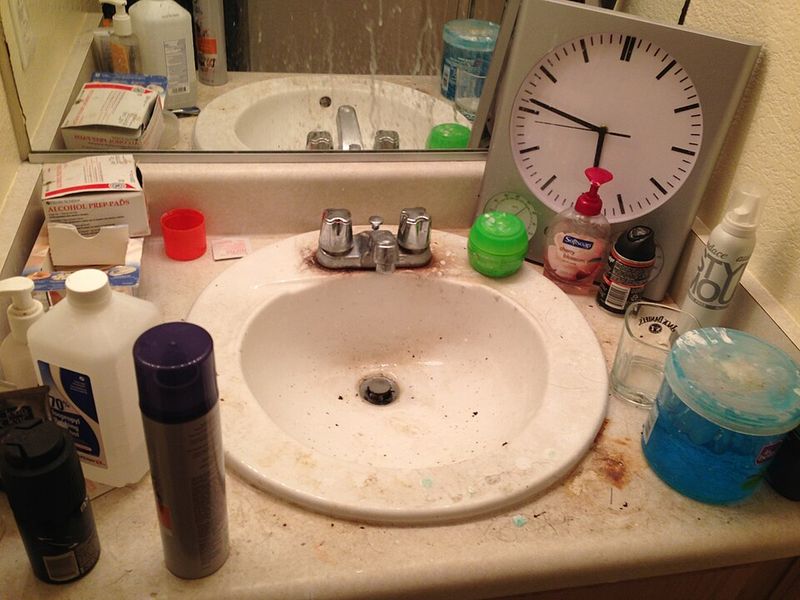
Few rooms expose the game like the bathroom. It gets dirty in ways that are hard to ignore, yet he can walk past a grimy sink for weeks without a flicker of concern.
The trick here is selective blindness. He genuinely can leave it, because your standards are the ones being tested, not his. Eventually you clean it, and in that moment the unspoken rule gets reinforced: hygiene is your department, and his comfort is your job.
What stings is how it can flip into criticism. Let it slide to prove a point, and suddenly he has a comment about how the place looks, conveniently forgetting he lives there too. That double bind, where doing it earns no thanks and not doing it earns judgment, is a hallmark of manipulation. You are allowed to name it for what it is.
A shared space is a shared responsibility, no matter how convincingly one person pretends not to notice the mess.
6. Meal Planning That Somehow Never His Job

Ever notice how the question What’s for dinner? only ever seems aimed at you? Feeding a household is a daily marathon of deciding, shopping, prepping, and cleaning, and a narcissistic partner can quietly opt out of every step.
He may cook once in a while to great fanfare, but the ongoing planning stays untouched. That gap matters, because meals never stop. The relentlessness is what wears you down, not any single dinner.
Here is a small piece of history worth a smile: for generations, meal duty was simply assumed to belong to women, and some partners lean hard on that old script when it serves them. When you skip planning to see what happens, you might find takeout appears and the blame still circles back to you for not stocking the fridge. Watching that pattern can be eye-opening. It reveals that the labor was never truly shared, only invisible enough that you carried it without applause.
7. Tidying Up After Shared Spaces

The living room tells a story every night. His shoes, his cups, his clutter spread across a room you both use, waiting for hands that are never his to clear them away.
General tidying is the perfect low-effort control because it is endless and easy to ignore. He leaves it, you circle the room collecting his things, and the arrangement calcifies into a routine neither of you questions out loud. Slowly, the space stops feeling like yours at all.
Guests make it worse, because a cluttered home reads as your failure to visitors, even when the mess is mostly his. That public judgment is another lever, nudging you to keep everything tidy so you are not the one who looks careless. Relationship experts often note that fairness in a home is less about splitting tasks perfectly and more about both people caring that the load is shared. When only one of you carries it, the imbalance is the message.
Seeing that clearly is the first quiet step toward refusing to keep proving yourself in a game rigged against you.