
Have you ever noticed that a certain someone in your life just can’t seem to let you go to the doctor by yourself? At first, it might feel like sweet, caring concern. But over time, being watched at every checkup can start to feel less like love and more like control. Let’s look at the appointments a narcissistic partner often insists on joining, and why understanding this pattern can help you feel more in charge of your own health and your own life.
1. Your Yearly Physical or Wellness Checkup

Something as routine as a yearly physical seems like the last place anyone would need company. Yet this is often the very first appointment a controlling partner asks to tag along to, framing it as wanting to “stay in the loop” about your health.
The trouble is, a wellness visit is where you and your doctor talk openly about sleep, stress, mood, and how life at home is going. When someone is always sitting beside you, that honest conversation quietly disappears. You might find yourself saying you feel “fine” because the truth feels unsafe to speak out loud.
Psychologists note that this kind of constant presence can slowly chip away at your sense of having a private inner world. Your yearly checkup is supposed to be one hour that belongs entirely to you and your well-being. If you feel a knot in your stomach at the idea of going alone, that feeling is worth listening to, not brushing aside.
2. Appointments About Your Mental Health

Nothing makes a manipulative partner more nervous than the idea of you talking freely with a therapist or counselor. A mental health visit is a space built entirely around your feelings, and that can feel threatening to someone who prefers to control the story of your relationship.
So the insistence shows up dressed as support. “I just want to help you get better,” they say, or “You get confused, so I should be there to explain.” What actually happens is that you can no longer describe your home life honestly, because the person shaping that life is sitting right next to you.
Therapists often see how a partner’s presence changes everything a client is willing to share. Real healing tends to need privacy, and your feelings deserve a room where they can breathe without an audience. Wanting to attend your own therapy alone is not selfish. It may be one of the healthiest boundaries you ever set for yourself.
3. Your Gynecologist or Reproductive Health Visits

Few appointments are as personal as a visit to the gynecologist, which is exactly why a controlling partner may push hardest to be there. Birth control, family planning, and intimate health are deeply private matters, and they are also areas where control can quietly take root.
When someone insists on hearing every word about your reproductive choices, they gain influence over decisions that should be yours alone. You might feel pressured to agree with things you would question if you had a moment to think privately.
Doctors have long understood how important it is for patients to speak freely in these rooms. Some clinics even step in on purpose, asking a partner to wait outside so they can check that everything at home is okay. If that offer ever comes your way, know that it is not an insult to your relationship. It is a small door held open for your safety, and you are allowed to walk through it.
4. Specialist Referrals and Second Opinions

Getting sent to a specialist usually means something needs a closer look, and that uncertainty can be scary all on its own. A caring partner reassures you. A controlling one uses the moment to insert themselves even deeper into your medical world.
By attending every specialist and second-opinion visit, they position themselves as the one who “really understands” your condition. Soon they are answering questions on your behalf, deciding which treatments sound right, and even suggesting you don’t need that second opinion after all.
Here is the quiet danger: your health choices slowly stop feeling like yours. Psychologists point out that this pattern can leave a person feeling helpless and dependent, unsure they could manage their own care alone. You are far more capable than that story suggests. Seeking a second opinion on your own terms is your right, and a supportive person would encourage it rather than talk you out of it.
5. Emergency Room and Urgent Care Trips
Picture a stressful late-night trip to the ER, when you are frightened and just want someone to hold your hand. In a healthy relationship, that support is a genuine gift. With a narcissistic partner, even a crisis becomes a stage where they must be the central figure.
They may talk over you as you try to explain your symptoms, correct the nurse, or turn the focus onto how hard your emergency is on them. Meanwhile, the actual patient, you, fades into the background of your own scary moment.
Emergency staff are quietly trained to notice these dynamics, and there is a reason they sometimes ask a partner to step out for a minute. It gives you a chance to speak plainly about what happened and how you feel at home. If you have ever left an ER feeling unheard while your partner got all the attention, that experience was real, and it mattered.
6. Follow-Up Appointments for Ongoing Conditions
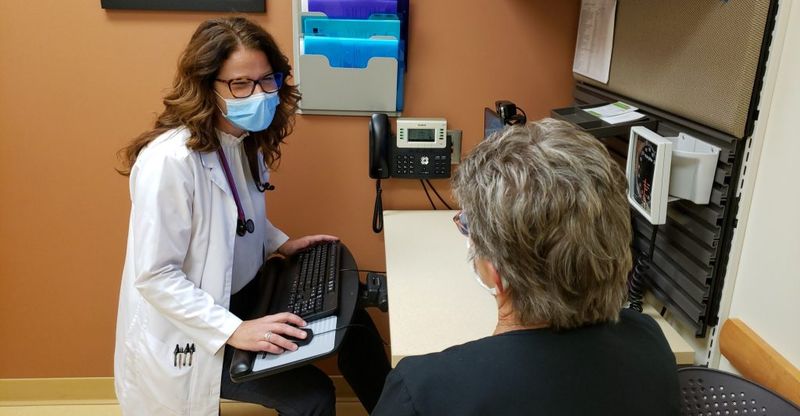
Living with a long-term condition means a steady stream of follow-up visits, and each one is another chance for a controlling partner to stay woven into your daily care. What sounds like devotion can slowly become a leash.
Over months and years, they learn your medications, your test results, and your treatment plan better than you feel allowed to. If you ever try to go alone, the pushback appears fast: “But I always come with you,” or “You’ll forget to ask the important things.”
The message underneath is that you cannot be trusted with your own health, and hearing that often enough can make you start to believe it. You can absolutely manage your own care, take your own notes, and speak for your own body. Reclaiming even one solo follow-up visit is a small, powerful reminder that your health belongs to you.
7. Dental and Cosmetic Procedure Consultations

You might be surprised to see the dentist or a cosmetic clinic on this list, since these visits feel low-stakes and everyday. That is precisely why a controlling partner’s presence here can be so telling. When someone needs to attend even your teeth cleaning, the pattern is about access, not the appointment itself.
Cosmetic consultations add another layer, because they touch on how you look and feel about yourself. A narcissistic partner may steer these choices, praising changes that suit their image of you and criticizing the ones that don’t.
Little by little, decisions about your own face and body slip out of your hands. It is a quiet form of control that hides behind ordinary errands. Noticing it is not about blaming yourself for missing it sooner. It is about honoring the part of you that always sensed something felt off, and trusting that instinct as you decide what you want next.