
You crawl into bed exhausted, but somehow sleep never feels like it belongs to you. If you have ever felt like your nights were quietly managed by someone else, you are not imagining it. Psychologists have noticed that some partners rearrange the small rituals around bedtime in ways that keep you off balance, awake, or waiting for permission to rest. Here are seven of those patterns, so you can name what has been happening and start reclaiming the quiet that should be yours.
1. Starting Serious Conversations Right Before Sleep

Nothing steals rest quite like a heavy talk dropped on you the moment your head hits the pillow. You were finally winding down, and suddenly there is a confrontation about money, loyalty, or something you supposedly did wrong three days ago.
Psychologists point out that timing like this is rarely random. When a partner saves the big emotional grenades for bedtime, it can leave you lying awake replaying the argument while they drift off untroubled. Your mind spins, your heart races, and the night you needed slips away.
What makes this one so draining is that it turns your safest hours into a minefield. Over time, you may start bracing for bedtime instead of looking forward to it. That quiet dread is a signal worth paying attention to, because rest is not something you should have to earn by surviving a late-night interrogation.
2. Controlling the Lights, Screens, and Noise

Ever notice how the TV stays blaring or the overhead light stays on long after you have said you are exhausted? Small environmental choices can carry a surprising amount of weight when one person always wins the negotiation.
Maybe the phone glows in the dark while they scroll, or a podcast plays at a volume you never agreed to. When your requests to dim, mute, or turn off get brushed aside, the message underneath is that your comfort ranks below their preference.
Sleep researchers agree that light and sound shape how quickly we drift off, so this is not a petty complaint. A partner who consistently overrides your basic sleep environment may be reminding you, in a quiet way, whose needs come first. You deserve a room that lets your body settle, not one arranged entirely around someone else’s whims.
3. Rewriting Your Sleep Schedule to Match Theirs

There is a strange kind of tiredness that comes from living on someone else’s clock. Your body wants to sleep at ten, but they want you up until one, and somehow their timeline always becomes the household timeline.
It might start small. They ask you to stay up for company, then guilt you for going to bed early, then act wounded when you slip off before they are ready. Bit by bit, your natural rhythm gets erased.
Psychologists note that constantly overriding a person’s sleep needs can leave them foggy, irritable, and easier to influence during the day. When you are chronically exhausted, you tend to argue less and go along more. Reclaiming your bedtime, even by fifteen minutes, is a small act of remembering that your body’s needs are valid and yours to honor.
4. Turning Bedtime Into a Test of Loyalty

Picture wanting to sleep and being made to feel selfish for it. Some partners frame rest as rejection, treating your need for sleep like proof that you do not care enough.
You say you are tired, and suddenly you are cold, distant, or not really committed. So you stay up to prove otherwise. The next night, the bar moves again, and you are still trying to pass a test that keeps changing.
What sets this pattern apart is how it tangles love and exhaustion together. You start associating rest with guilt, which is a heavy thing to carry into your own bed. Experts who study manipulation say this kind of loyalty tax often leaves people apologizing for having ordinary human limits. Your tiredness is not a betrayal, and needing sleep does not make you any less devoted.
5. Creating Middle-of-the-Night Emergencies
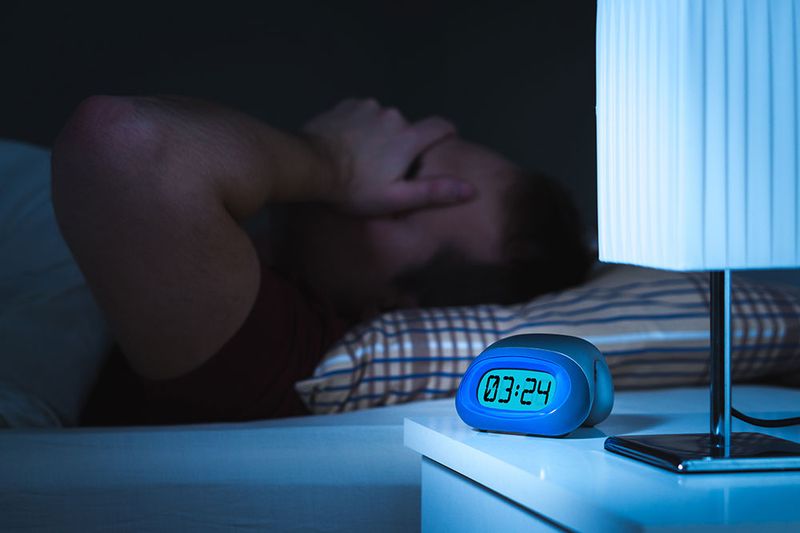
Just as you finally sink into deep sleep, you are shaken awake for something that could have waited until morning. A sudden question, a manufactured crisis, a mood that demands attention right now.
Interrupted sleep is uniquely disorienting. When it happens again and again, you never reach the restorative rest your brain craves, and you wake up feeling like you never slept at all.
Psychologists observe that some people use these nighttime disruptions to keep a partner dependent and reactive. If you are always half-awake and scrambling, you have less energy to notice patterns or push back. The cruelest part is how normal it can start to feel. Waking up rested should not be a rare gift.
If your nights are routinely broken by someone else’s urgency, that is worth gently questioning.
6. Withholding Affection or Peace Until You Comply

Warmth that vanishes the second you set a boundary has a way of following you to bed. You ask for the light off or the conversation to wait, and suddenly the air goes icy.
The silent treatment at night is its own kind of pressure. Lying beside someone who has decided to punish you with coldness makes real rest almost impossible, because part of you stays braced for the tension to break.
Relationship specialists describe this as using peace itself as a bargaining chip. You learn that comfort only comes when you give in, so you stop asking for what you need. Over the weeks and months, that trade quietly reshapes you. A calm, safe place to sleep is not a reward for good behavior.
It is something you are allowed to want without paying for it in affection.
7. Making You Feel Watched While You Sleep

Rest requires a sense of safety, and it disappears fast when you feel monitored. Some partners hover, comment on how you sleep, or track your rest like it is their business to manage.
Maybe they wake you to point out that you were snoring, or they scrutinize how long you slept as if it were evidence of something. You start to feel self-conscious in the one place you should be able to let your guard down completely.
Experts say this constant sense of being observed can keep your nervous system on low alert even when your eyes are closed. Your body simply cannot fully relax while it feels watched. Bedtime is meant to be the moment you exhale and stop performing. If you feel like you are still being evaluated after the lights go out, your instinct that something is off deserves to be trusted, and your rest deserves to be truly your own.