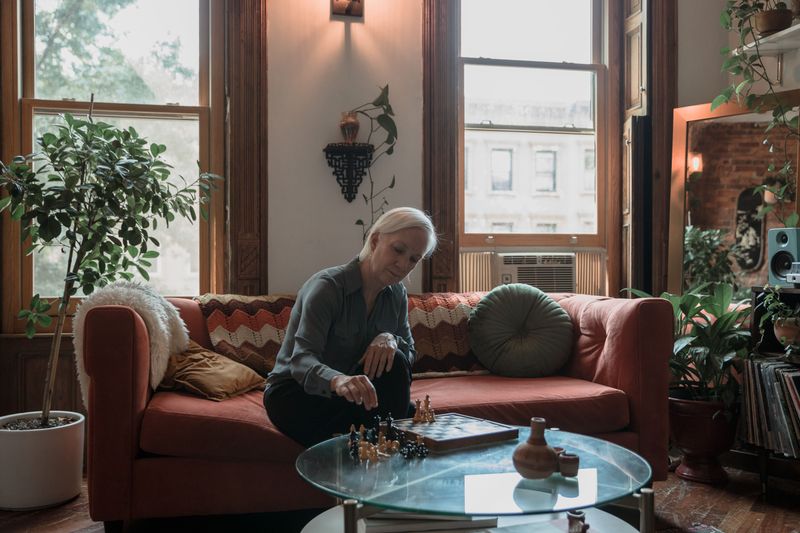
For years, maybe your whole life, someone else’s needs shaped your days. Now the house is quiet, the schedule is yours, and the first year of living alone stretches out in front of you. Psychologists say something surprising happens during this stretch: women often discover freedoms they never knew they were missing. Here are seven of them, and why they can quietly change how you see yourself.
1. The Freedom to Follow Her Own Clock
Nobody is waiting for dinner at six. Nobody sighs when the lights stay on past midnight or when breakfast happens at ten. For the first time in decades, the day belongs entirely to the woman living it.
Psychologists who study late-life transitions note that reclaiming your own rhythm can quietly lower daily stress. When you no longer bend your sleep, meals, and quiet hours around another person’s mood, your body often settles into something more natural. It is a small thing on paper and a huge thing in practice.
Many women describe a strange guilt at first, as if resting or lingering over coffee needs to be earned. That fades. The clock stops being a negotiation and starts being a gift, and she begins to trust that her own timing was worth honoring all along.
2. The Freedom to Take Up the Whole Space

Her books can stay on the couch. The thermostat lands exactly where she likes it. The kitchen gets arranged the way that makes sense to her, not the way someone else insisted on for years.
There is something deeply telling about a home that finally reflects one person’s taste. Researchers who look at environment and well-being suggest that a space shaped fully by you can strengthen a sense of identity, especially after a long stretch of compromise. The paint color, the music, the clutter or the calm, all of it becomes an honest mirror.
Some women hesitate to touch the shared decor at first, half-expecting a comment that never comes. Then a picture gets moved. A wall gets painted the color someone once vetoed. Little by little, the rooms stop being a compromise and start being hers, and that quiet ownership can feel like coming home to herself.
3. The Freedom to Feel Her Own Feelings
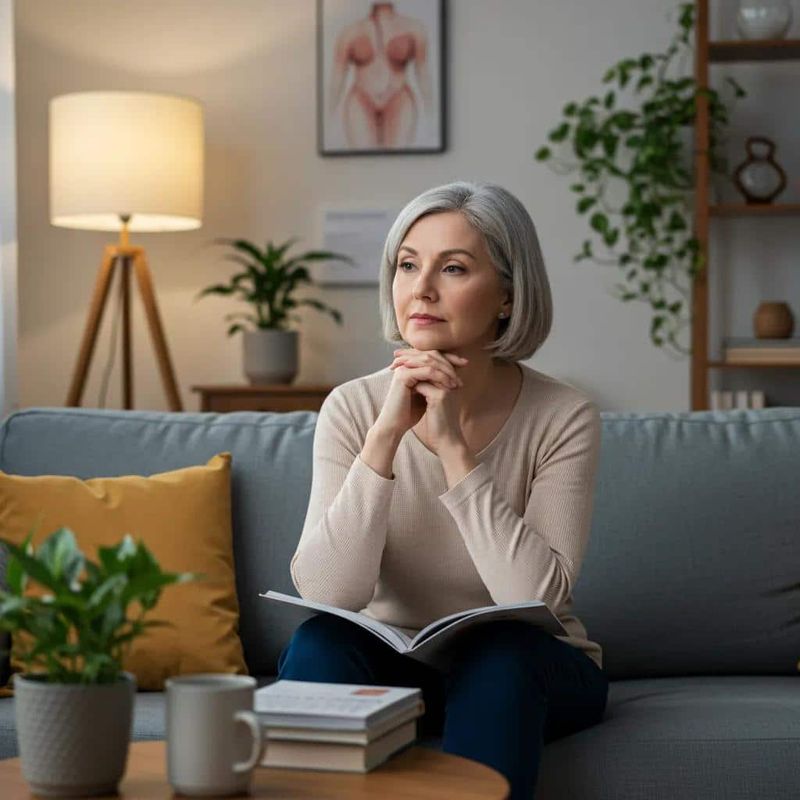
Crying at a sad movie without explaining herself. Laughing loudly at nothing. Sitting with a hard memory instead of tucking it away so it does not upset the room.
Living alone can hand a woman back her full emotional range. When you spend years managing someone else’s reactions, your own feelings often get muffled to keep the peace. Psychologists point out that having private space to feel things without an audience may make it easier to actually process them rather than perform being fine.
She might notice moods she has not felt clearly in ages. Grief and relief sometimes show up on the same afternoon, and that is allowed now. No one is monitoring her face or asking why she seems off. That unguarded privacy is where a lot of quiet healing tends to happen, on her own terms and at her own pace.
4. The Freedom to Spend Without Explaining
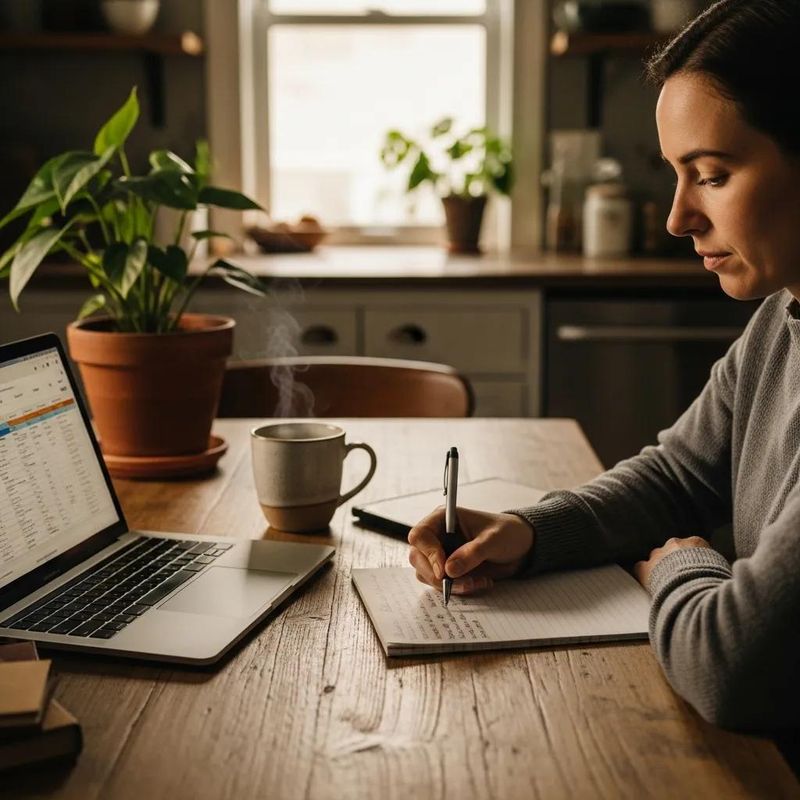
A small splurge on good sheets. A class she always wanted to try. Groceries chosen for one person’s cravings with nobody questioning the receipt.
Money carries emotional weight, and for many women it came with quiet permission-seeking inside a relationship. Deciding alone how to spend, save, and treat herself can restore a sense of competence that may have been chipped away over the years. It is not about extravagance. It is about the dignity of a choice that needs no defense.
Fun to sit with: studies on financial autonomy in later life link it to higher confidence and lower anxiety, not because women suddenly have more, but because they finally control what they have. She learns her own priorities. Maybe she values travel over a fancy car, or comfort over appearances. Whatever it is, the answer is hers, and answering to no one about it feels like exhaling.
5. The Freedom to Choose Her Own Company

Friends over for a loud, late night, or a whole weekend of glorious solitude. Both are now completely her call.
One of the quieter surprises of living alone is discovering how much say she truly has over who enters her orbit. No more hosting people she never warmed to, or shrinking her friendships to fit someone else’s comfort. She can nurture the relationships that fill her up and gently release the ones that drained her.
Solitude changes character too. Being alone stops meaning lonely and starts meaning chosen. Psychologists distinguish between isolation, which wears people down, and comfortable solitude, which many women grow to crave once they taste it. She learns she is decent company for herself, and that realization tends to make her warmer and more present with the people she does invite in.
6. The Freedom to Meet Herself Again

Who was she before the roles piled up? Before wife, mother, caregiver, the one everyone leaned on? Living alone often cracks that question wide open.
With the daily noise of other people’s needs turned down, old interests and forgotten parts of her personality start resurfacing. Maybe she paints again. Maybe she signs up for something impractical and delightful. Experts on identity in later life suggest that rediscovering personal interests can boost a sense of purpose that caregiving years sometimes buried.
It rarely happens all at once. A curiosity flickers, then another, until one day she realizes she is building a self that is genuinely her own rather than a leftover of everyone else’s expectations. That reunion with the woman she used to be, plus the wiser one she has become, can be the most moving freedom of the whole year.
7. The Freedom to Set Her Own Standards
No one to measure herself against inside her own four walls. No running commentary on the meal, the outfit, the tidiness of a drawer that only she opens.
Perhaps the deepest freedom is release from constant comparison and quiet criticism. Women who lived under a critical eye, even a subtle one, often carry an inner voice that keeps grading them long after. Living alone gives that voice fewer things to feed on, and over time it can soften into something kinder.
She gets to decide what good enough actually means. Maybe the bed stays unmade because it simply does not matter today. Maybe she reheats leftovers and calls it a fine dinner. In these small acts of self-permission, a bigger truth settles in: her worth was never up for debate, and she does not need anyone’s approval to feel at home in her own life.
That is the freedom that tends to stay long after the first year ends.