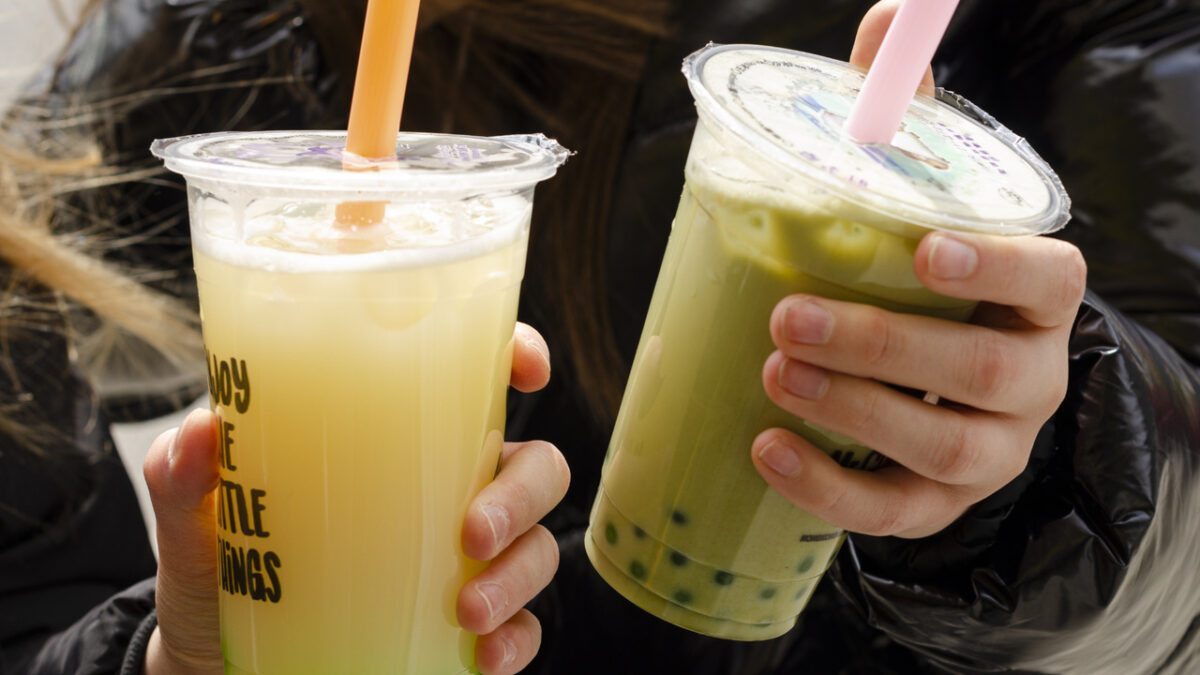
Not to burst your bubble, but if you’re a boba tea fan, there’s something important you need to know. A growing body of research revealed several health risks linked to bubble tea, turning it into a cause of concern. While the 2025 Consumer Reports investigation that found lead in boba pearl samples is the widely discussed today, there are other health risks to be aware of, including obesity risk and even mental health issues.
Lead Contamination in Boba Pearls
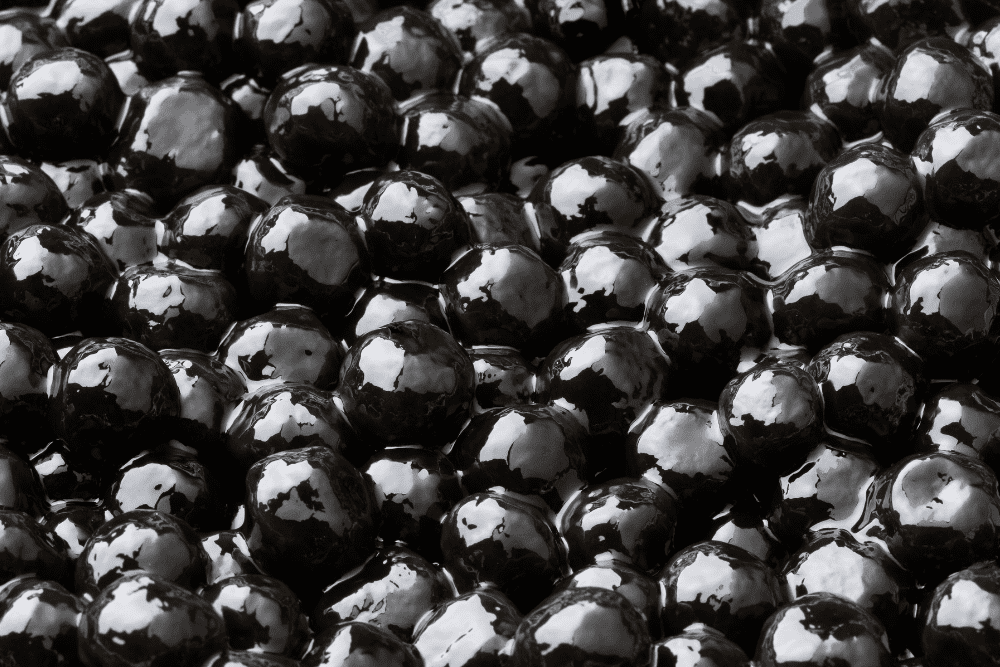
Bubble tea is everywhere and it’s quite impossible to miss its chewy little tapioca pearls. Tapioca is made from cassava, and recent tests by Consumer Reports revealed that cassava-containing products sometimes had high levels of lead. This prompted safety experts to run a test on boba pearls to see how much lead they contain.
After testing the pearls from bubble tea at two popular chains, Gong Cha and Kung Fu Tea, and two packaged boba products from WuFuYuan and Trader Joe’s, the experts discovered that every sample contained lead. The good news? None of the samples tested above Consumer Report’s level of concern for lead. Although it’s worth noting that Trader Joe’s Instant Boba Kit received the highest level of concern for lead at 83%, while WuFuYuan Tapioca Pearl (black sugar flavor) had the lowest at 29%.
According to James Rogers, PhD, director of food safety research and testing at Consumer Reports, the lead levels found weren’t so high that they’d tell people to completely avoid bubble tea. However, since three out of five boba samples contained over 50% of their level of concern for lead, this makes bubble tea unfit to be an everyday staple.
The Sugar Shock from Bubble Tea
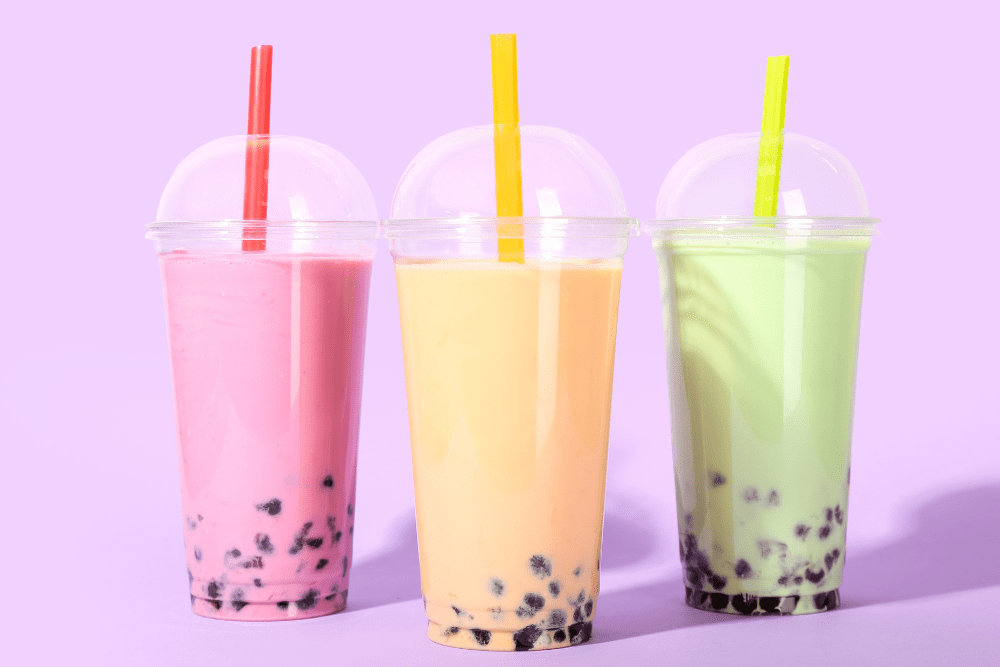
Dietitians also agree that bubble tea must be treated as an occasional treat for another reason: sugar. Standard bubble tea recipes combine sweetened condensed milk or high-sugar syrup and carbohydrate-dense tapioca pearls, resulting in a drink that’s nutritionally comparable to a large soft drink.
A 2016 study published in the Journal of Food Science and Nutrition noted that a 16-ounce serving of bubble tea can contain up to 57 grams of sugar. This single serving can exceed the upper limit of added sugar intake recommended by the US Dietary Guidelines Advisory Committee. The study also highlighted that the high amount of sugar didn’t just come from the milk tea itself (often mixed with sweeteners), but also from added ingredients like tapioca pearls, jelly, and egg pudding.
The Centers for Disease Control and Prevention (CDC) has been encouraging Americans to consume fewer added sugars, as too much of them can contribute to health problems like obesity, type 2 diabetes, and heart disease. The CDC also named sugar-sweetened beverages, snacks, and desserts as the leading sources of added sugars in the US diet.
Emerging Link to Mental Health Issues

As stress levels continue to rise across the globe, consumers have turned to bubble tea, not just for flavor, but for self-regulation and emotional comfort. However, recent studies are showing different results.
A cross-sectional study in China published in 2025 found that higher consumption of bubble tea among young adults was significantly associated with higher risk of depressive symptoms. In the US, research on sugar-sweetened beverages shows higher consumption is correlated with depressive symptoms in adolescents and adults.
Although the larger pattern of sugary, caffeinated drinks and negative mental-health outcomes is showing, it’s worth noting that recent findings only show an association and cannot prove causation. The debate is whether high-sugar drinks directly impact mood or people with existing mental health issues are more likely to seek out these drinks as a form of comfort.
The Boba Industry’s Response
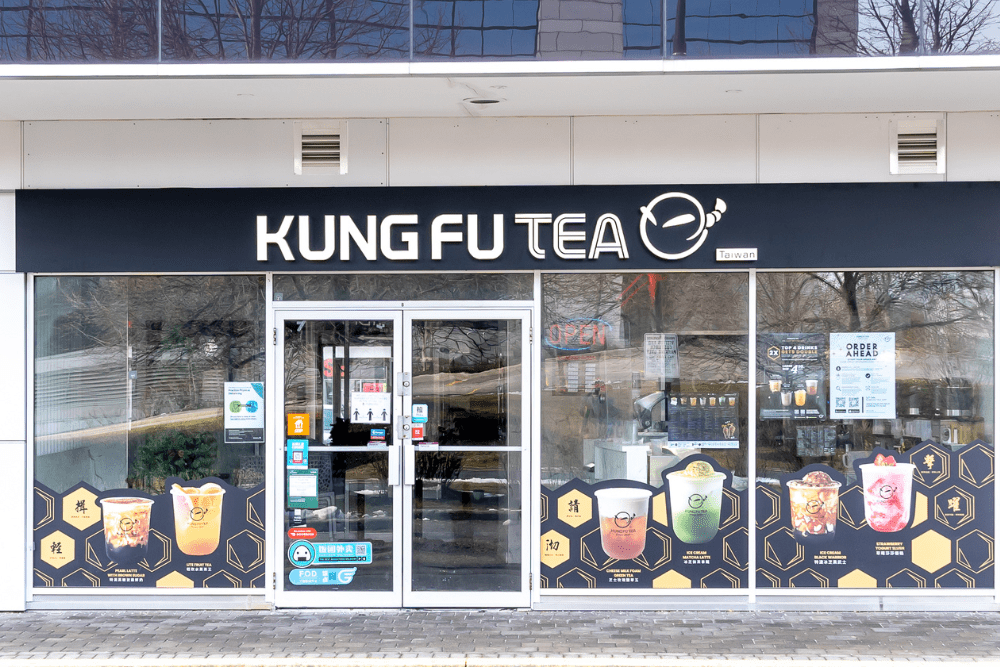
With recent reports finding traces of lead and high sugar levels in some bubble tea products, many US shops are rethinking how they serve the trendy drink. Trader Joe’s reportedly pulled its Instant Boba Kits from the shelves, potentially due to safety tests that showed lead content. Meanwhile, local shops are adapting by giving customers control over sweetness, offering 70%, 50%, and even zero-sugar options.
For those who are looking to enjoy health-conscious boba choices, there are easy ways to do this. Choose a lower sugar level (whenever possible) or skip calorie-heavy toppings like brown sugar pearls or pudding. Opting for a smaller cup or treating bubble tea as an occasional treat can also help reduce your sugar and metal exposure without giving up the comfort of the drink.