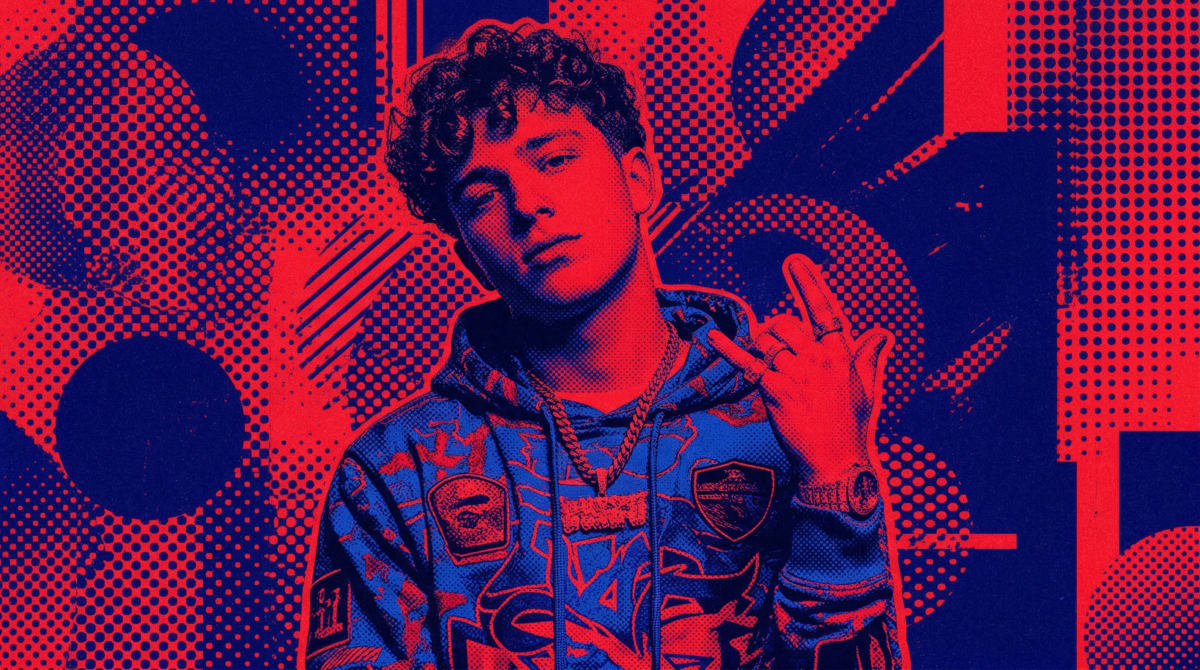
Three years ago, Jack Harlow was inescapable. “First Class” sat atop the Billboard Hot 100, his face was plastered across festival lineups from Coachella to Governors Ball, and his particular brand of charm—part frat-boy charisma, part genuine lyrical dexterity—had turned a Louisville kid into one of rap’s biggest mainstream draws. He was the guy who could turn a Fergie sample into the song of the summer without breaking a sweat.
Then he disappeared.
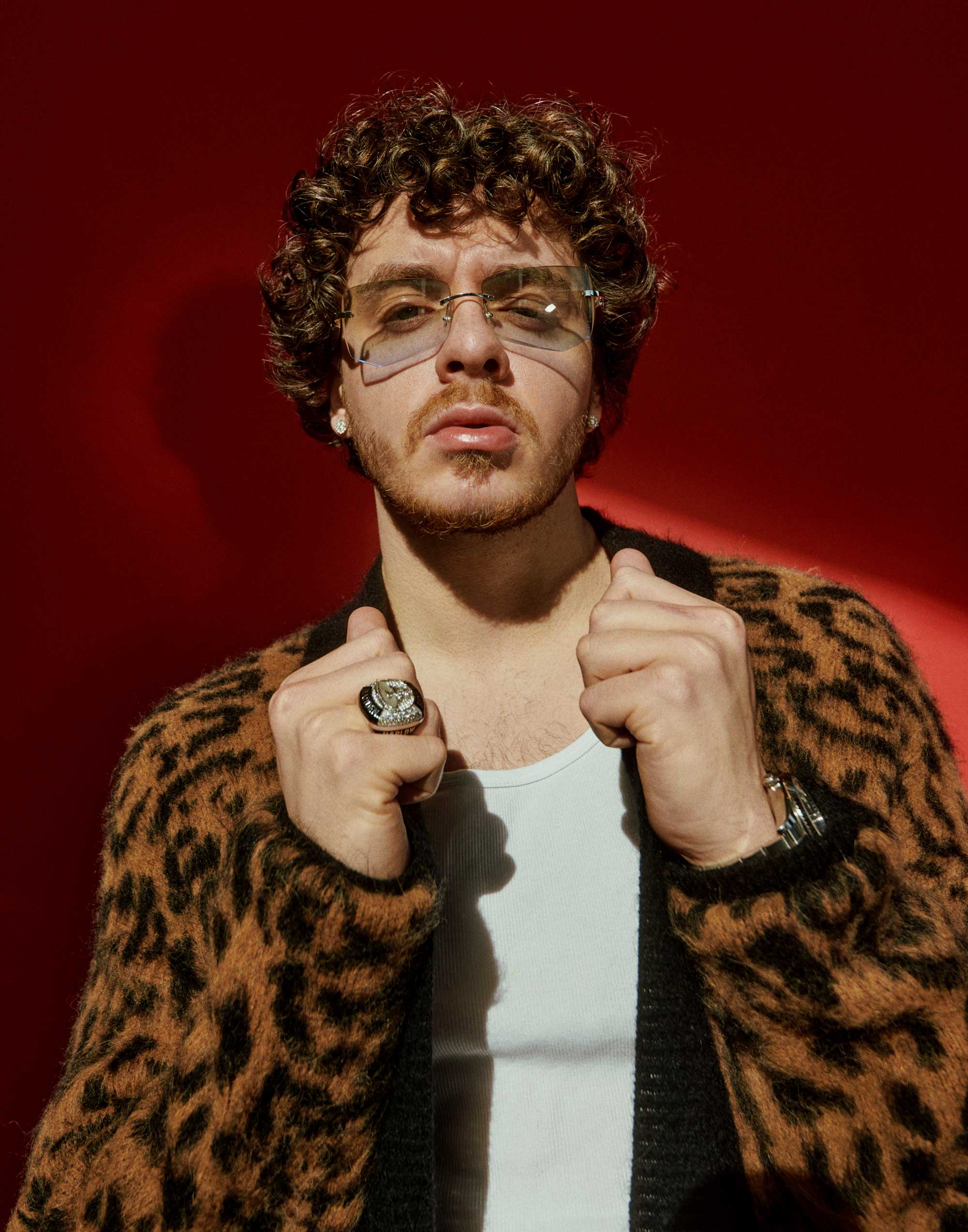
Not dramatically. Not with a public meltdown or a cryptic Instagram post. Harlow simply went quiet, packed up his life in Los Angeles, and moved to New York City. He started spending his evenings at jazz clubs instead of industry parties. He grew a beard. He listened to D’Angelo’s Voodoo on repeat until the grooves wore permanent pathways into his brain. And when he finally emerged this week with Monica, his fourth studio album released on his 28th birthday, the Jack Harlow who showed up was almost unrecognizable from the one who left.
The Album He Threw Away
Here’s the detail that tells you everything: Harlow scrapped an entire album. Two years of work, discarded. Not because it was bad—by most accounts, it was a perfectly competent continuation of the sound that made him famous. He scrapped it because it bored him.
“It just struck me that I would want to do something a little more egoless,” Harlow told the New York Times in an interview timed to Monica‘s release. “As I’m getting older, I’m having more trouble reconciling being braggadocious on record.”

That sentence deserves to sit with you for a moment. In hip-hop, braggadocio isn’t just a stylistic choice—it’s the architecture. From Biggie’s Versace verses to Drake’s “Started From the Bottom,” the genre’s DNA is wound tight around the art of self-mythologizing. For a 28-year-old rapper at the peak of commercial viability to say he’s tired of bragging is roughly equivalent to a Wall Street trader announcing he’s lost interest in money. It’s either deeply authentic or career suicide. Possibly both.
Electric Lady and the Ghost of D’Angelo
If the decision to abandon rap sounds impulsive, the execution was anything but. Harlow recorded Monica at Electric Lady Studios in Greenwich Village—the legendary space built by Jimi Hendrix and later sanctified by the Soulquarians, the loose collective of neo-soul architects including Questlove, Erykah Badu, and D’Angelo who practically lived there in the late ’90s and early 2000s.
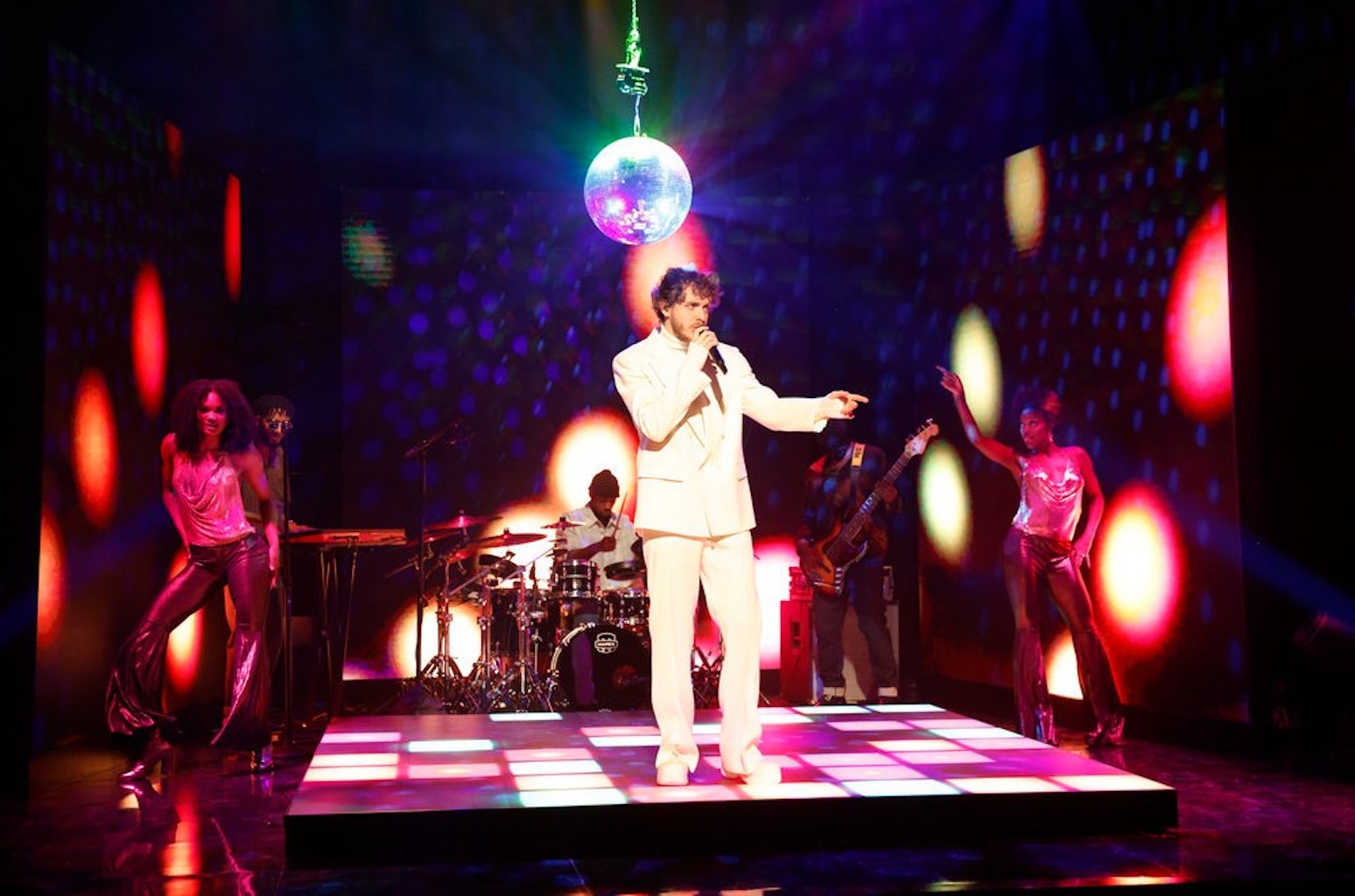
The studio choice wasn’t accidental. Working with executive producer Aksel Arvid, bassist Jermaine Paul, and pianist Robert Glasper—a living bridge to that neo-soul tradition—Harlow built something that sounds less like a rapper’s vanity project and more like a genuine love letter to a genre he’s worshipped privately for years.
“I love softer, more melodic stuff,” he explained. “More than anything, I think I made this out of, ‘What do I want to hear?'”
The nine-track album features guest appearances from Mustafa, Ravyn Lenae, and Omar Apollo—artists who exist in the twilight space between R&B, soul, and indie, none of whom you’d find on a typical mainstream rap record. Monica has Rhodes piano where there used to be 808s. Groove where there used to be bounce. Vulnerability where there used to be punchlines.
“I Got Blacker”
Of course, a white rapper pivoting to soul music was never going to be a clean narrative.
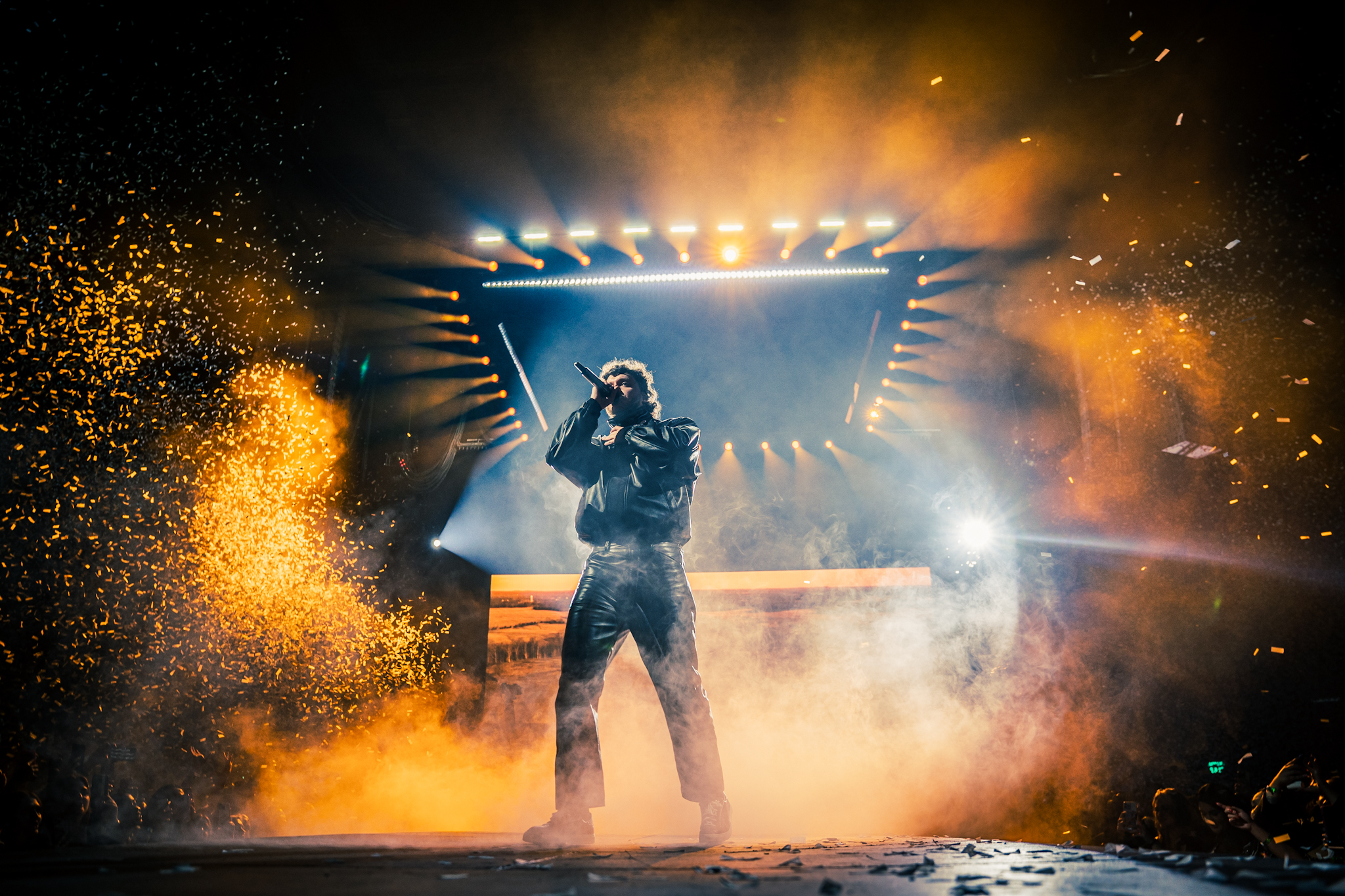
In his Popcast interview with Jon Caramanica and Joe Coscarelli, Harlow deployed a phrase that immediately lit up the internet: “I got Blacker.” He was drawing a contrast with other white rappers who’ve pivoted away from hip-hop—Post Malone’s swerve into country, Machine Gun Kelly’s pop-punk reinvention—into what he called “safer landing spots.” Where his contemporaries moved toward whiter genres, Harlow moved deeper into Black musical tradition.
“I love Black music. I’m hyper aware of the politics,” he said, acknowledging that he understood exactly how loaded his artistic choice was.
The internet, predictably, was not unanimous in its enthusiasm. The ghost of the Brandy incident—a viral moment where Harlow appeared not to recognize the R&B legend on a radio show—still haunts his credibility in certain corners of music Twitter. For skeptics, a white artist with that track record making a neo-soul record feels less like evolution and more like appropriation with better production values.
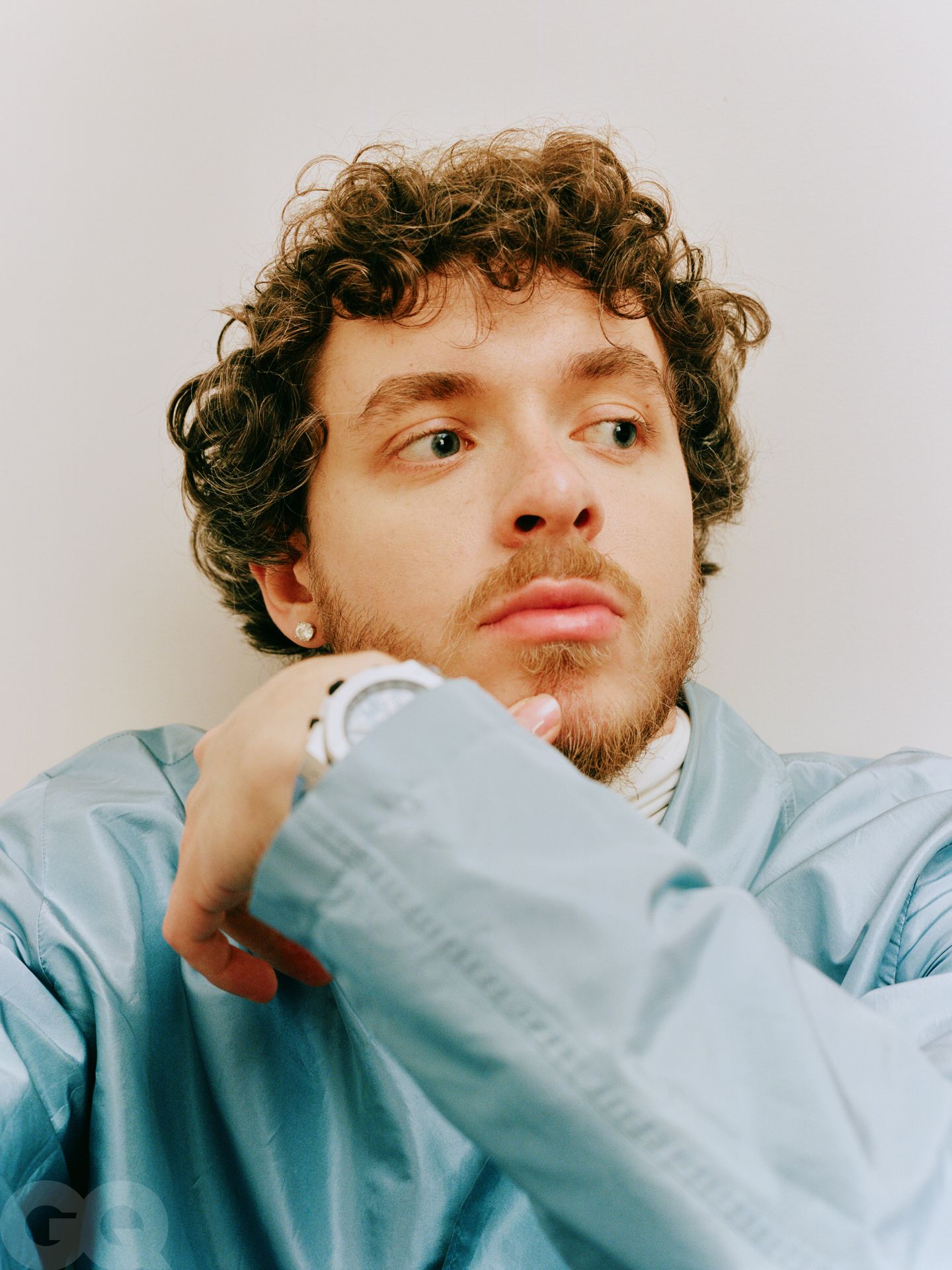
But here’s what makes Monica harder to dismiss than you’d expect: it doesn’t sound like a tourist attraction. Variety compared it to Voodoo—warm, soulful, groove-driven, deeply personal. Multiple reviewers have noted that the album works best played front-to-back, a rare quality in the age of playlist singles and algorithmic consumption. It has the texture of something lived-in rather than studied.
The Uncomfortable Question
Whether Harlow earns this pivot—whether any artist truly “earns” the right to traverse genres—is a question that Monica raises without entirely answering. What it does establish, convincingly, is that Harlow’s restlessness is genuine. This isn’t a calculated brand extension. You don’t throw away two years of finished music for a strategic play. You do it because the old version of yourself no longer fits.
“When I move somewhere new, I start seeing myself differently,” Harlow told Rolling Stone about his relocation to New York. It’s the kind of statement that could read as vapid if the music didn’t back it up. But Monica does back it up—track by track, in the space between the Rhodes chords and the understated vocals, in the deliberate absence of anything resembling a flex.
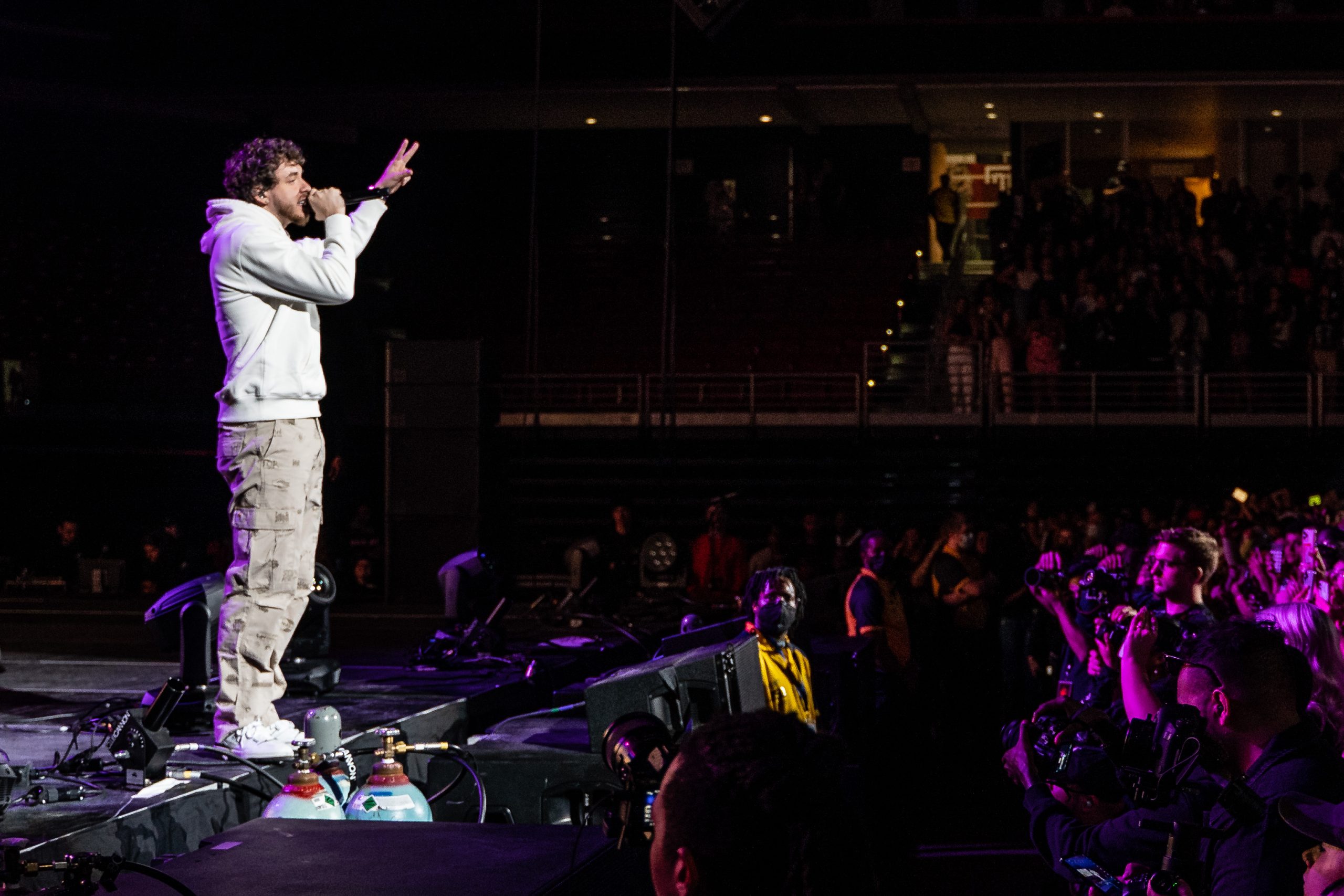
Jack Harlow was a chart-topping rapper. Past tense. What he is now—soul singer, genre pilgrim, earnest student of a tradition he wasn’t born into—is still taking shape. Monica isn’t a definitive statement so much as an opening paragraph. Whether the story it begins is one of genuine artistic transformation or a fascinating misfire depends entirely on what comes next.
But give the man this much: in an industry that rewards repetition, he chose reinvention. In a genre built on confidence, he chose humility. And in a cultural moment where every career move is optimized for maximum algorithmic impact, he made a nine-track soul record named after a woman and released it on his birthday.
That’s not bragging. That’s something rarer. That’s betting on yourself with the volume turned all the way down.