
Throughout history, books have helped shape people’s minds in the way that they understand themselves and how their world works. There are even books that started some of the greatest historical events we know! Whether through scientific theories, philosophical knowledge, or simply classic narratives, these are the 10 books that changed how man thinks.
10. Sapiens: A Brief History of Humankind (2011) – Yuval Noah Harari
In this book, Harari argues that the real secret to Homo Sapiens’ world domination isn’t actually tools or fire. It’s in their unique ability to create and believe shared myths, like money, laws, and gods. This allowed them to cooperate on a massive scale, which transformed apes into rulers. This book reframes our understanding of human history.
9. Silent Spring (1962) – Rachel Carson

This book made readers think about a future spring where no birds sing. It’s written by marine biologist Rachel Carson, who exposed the devastating effects of synthetic pesticides like DDT on the environment and human health. It was a time when chemicals were seen as progress. But with Carson’s research and powerful prose, it awakened the world to also look at the dark side of advancement. The book is credited with starting the modern environmental movement, which led to the creation of the U.S. Environmental Protection Agency.
8. Thinking, Fast and Slow (2011) – Daniel Kahneman
Nobel laureate Daniel Kahneman reveals how the internal tug-of-war can govern our choices. It goes as system 1, as the hero of the story, making snap judgments that are surprisingly accurate. However, it’s also the source of our cognitive biases and mistakes. There’s also system 2, which is slow and deliberate. Understanding this dual process model gives readers a framework for making better decisions both in their professional and personal lives.
7. The Communist Manifesto (1848) – Karl Marx & Friedrich Engels
Who could have forgotten this book that opened the world in existing societies and the history of class struggles? Marx and Engels introduced a radical new view of history, not as a story about great men or a nation, but as the conflict between the bourgeoisie (owners) and the proletariat (workers). They argued that capitalism is unstable and would be replaced by a classless and communist society. It’s just a short pamphlet that becomes the most influential document of all time.
6. The Interpretation of Dreams (1899) – Sigmund Freud
Freud presented the idea that our dreams aren’t nonsense, but rather a secret language. According to him, it’s the language of our mind that is filled with repressed wishes and desires. Freud introduced a structured method for dream analysis, which argues that by decoding symbolism, we unlock hidden conflicts that drive our behavior. It changed how people view themselves and popularized the idea of an inner world beneath the surface.
5. The Wealth of Nations (1776) – Adam Smith
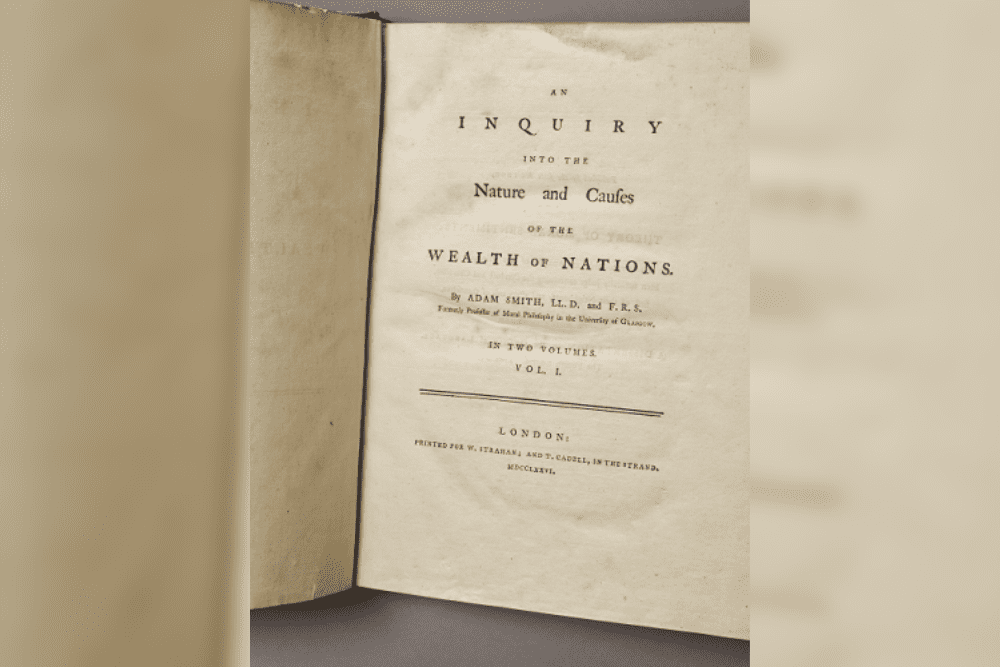
It was Adam Smith who introduced the invisible hand, which is a concept that shaped modern economics. Smith argued that when individuals act in their own self-interest, they promote the economic well-being of society. This book gave way to free markets, division of labor, and limited government intervention. It shifted economic thinking away from mercantilism to free trade and competition that dominates our global economy.
4. The Social Contract (1762) – Jean-Jacques Rousseau
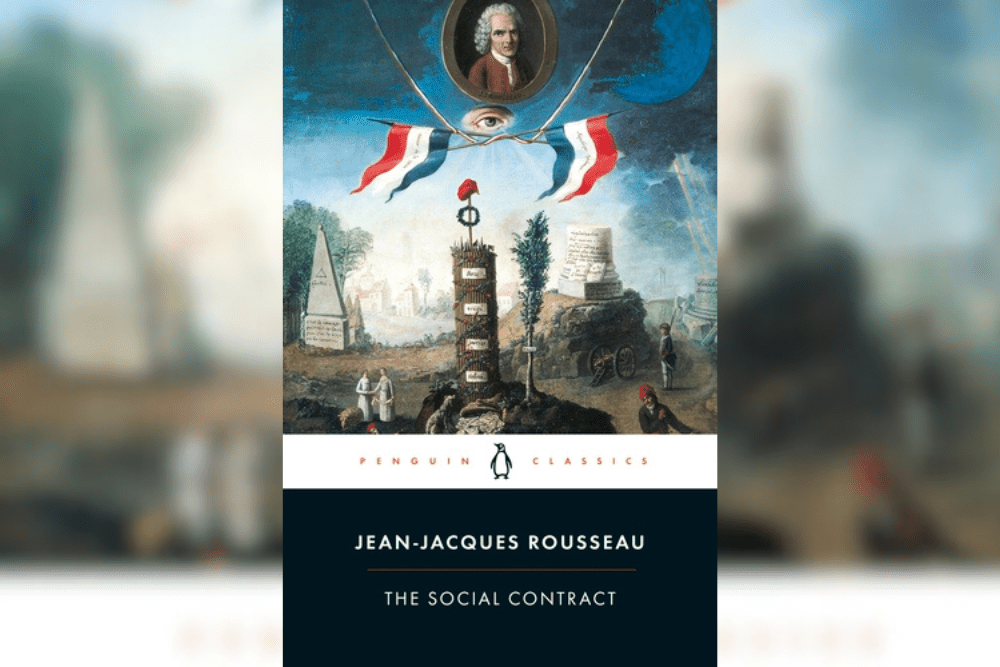
In this book, Rousseau challenged the rights of kings with the idea that the government’s right to rule comes not from God. Rather, it’s a consent from the governed. He argued that humans join in a social contract to form society and voluntarily give up individual freedoms in exchange for security and the benefits of the general will. It gave way to the modern democratic thought, which influenced the American and French revolutions.
3. Principia Mathematica (1687) – Isaac Newton
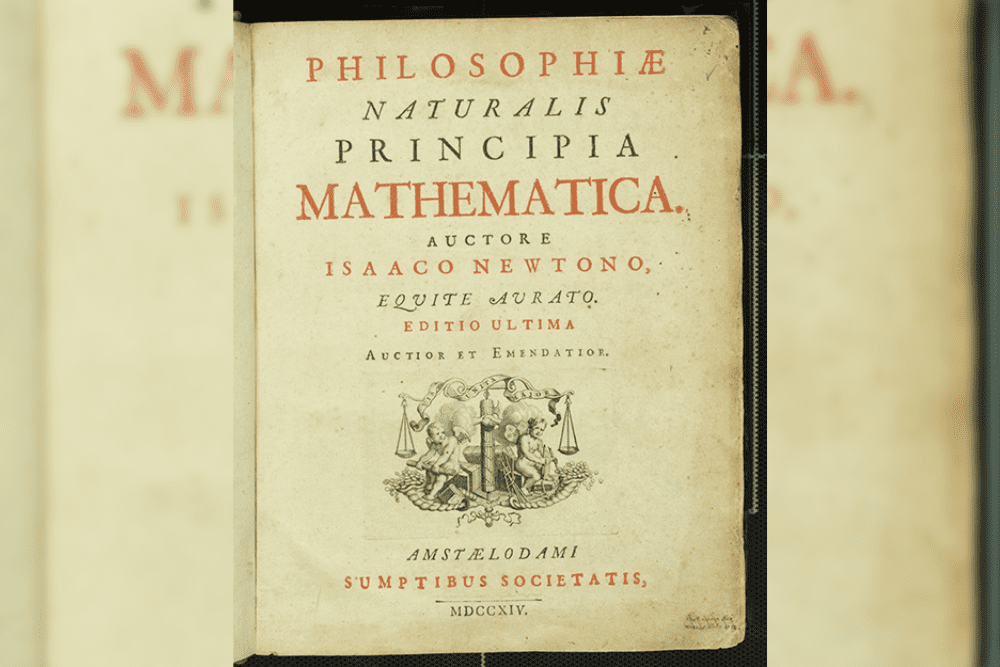
This book just introduced the rational laws that we know of. Newton’s Principia actually laid out all three laws of motion and the law of universal gravitation that unites the heavens and Earth in a mathematical framework. Yup, it explained the movements of planets and the falling of an apple that fall under one principle. His work created the model for scientific inquiry, which proves the universe is knowable and predictable.
2. The Republic (c. 380 BC) – Plato
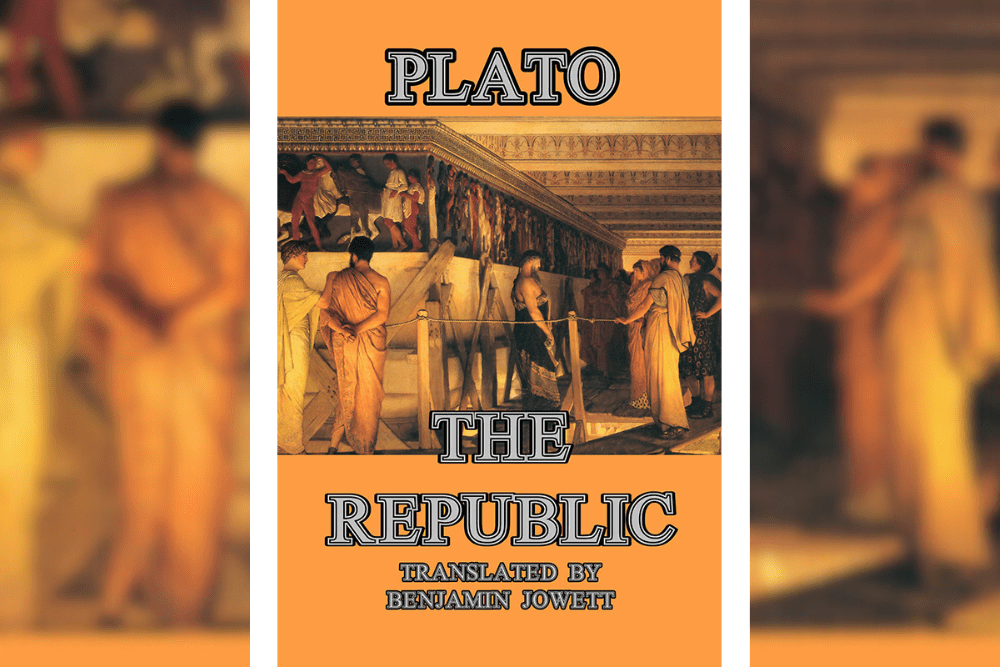
The Republic is the foundational text of Western political philosophy. With the Socratic dialogue, Plato explains the nature of justice and constructs a vision of a utopian society that is ruled by philosopher-kings. His famous one is the Allegory of the Cave, which talks about the world of appearances and the world of true knowledge.
1. On the Origin of Species (1859) – Charles Darwin
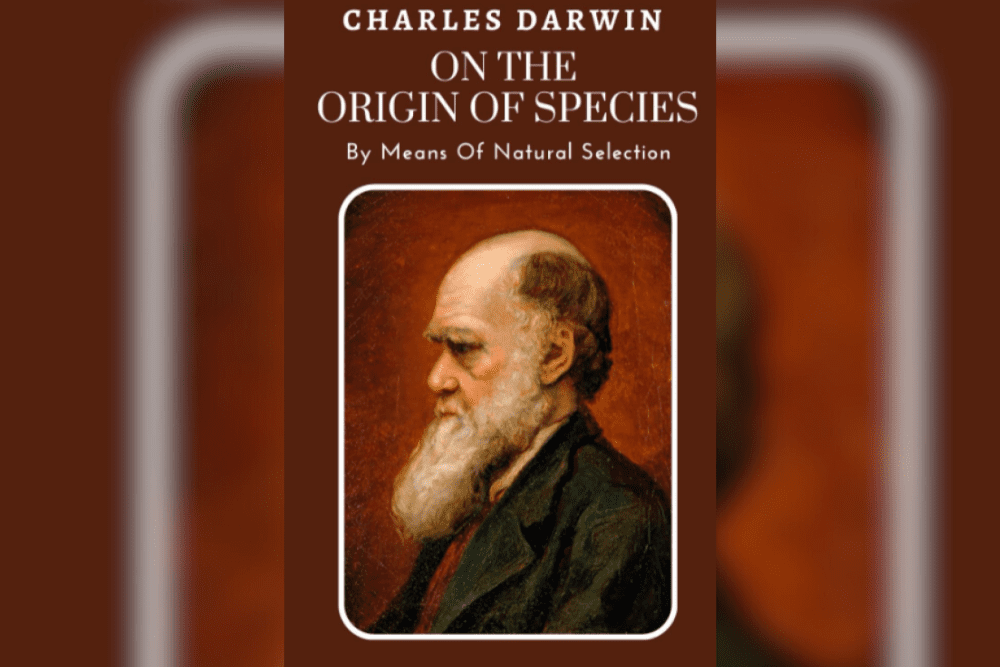
Darwin’s work didn’t just propose that humans evolved from apes. It introduced the theory of evolution by natural selection, in which Darwin demonstrated that all life on Earth is connected through the tree of life through branching and adaptation. The idea removed humanity from the center of creation and placed us instead within the natural world.