We’ve all heard the headlines about AI stealing people’s jobs. But here’s the twist: while some jobs are evolving, others are emerging. There’s a whole new wave of roles popping up, reshaping what’s possible for humans. Here are 10 of the most exciting career paths to watch out for.
10. AI Conversation Designer

Ever argued with a chatbot that just didn’t get it? That’s the kind of problem that AI Conversation Designers can solve. These professionals write the scripts, define the conversational flows, and collaborate with UX designers and linguists to make automated interactions feel less robotic and more human. The goal for them is to create conversations that make you forget you’re talking to a machine, making technology less frustrating for everyone.
9. AI Content Moderator

The rise of AI-generated content has a dark side: misinformation, spam, and harmful content. AI Content Moderators are basically the digital gatekeepers, ensuring the integrity and safety of online platforms. They do this by training AI models to detect harmful content and manually reviewing cases that require human judgment.
8. AI Accessibility Specialist
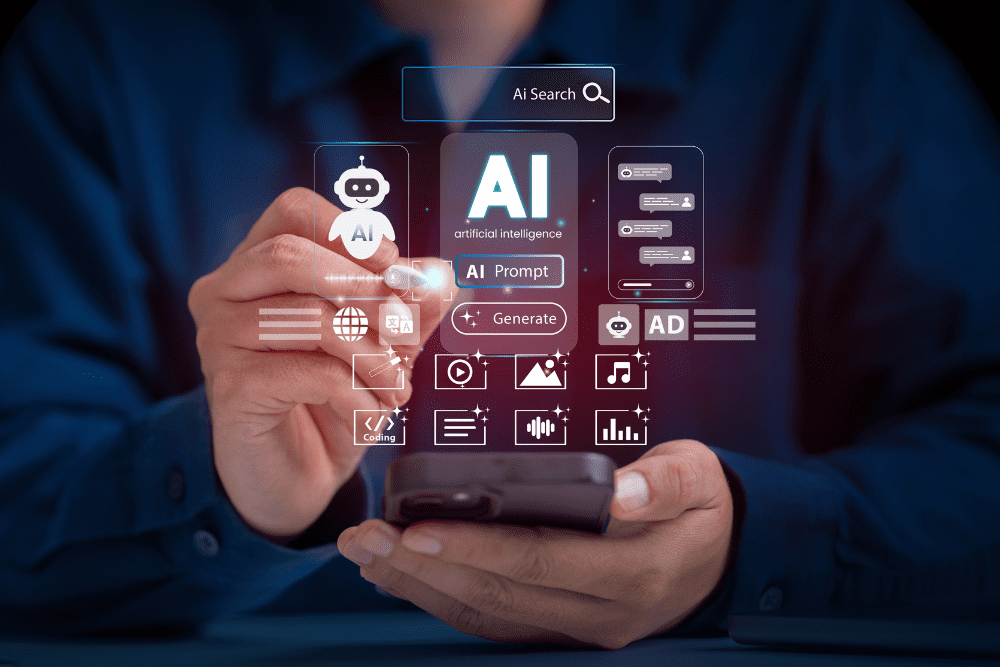
AI has opened up new frontiers in digital accessibility, and AI Accessibility Specialists are leading the charge. They ensure that AI-powered products are usable by everyone, regardless of their abilities. This work involves designing AI-powered screen readers that can interpret images and developing voice command systems for those with motor impairments.
7. AI Trainer or Data Annotator

AI Trainers and Data Annotators are the unsung heroes of the AI revolution. They label images, transcribe audio, and categorize text to create datasets that power everything from medical diagnostic tools to self-driving cars. According to Second Talent, the market for data annotation is projected to reach $8.2 billion by 2030, reflecting the need for human intelligence to guide and refine AI systems.
6. Prompt Engineer

Prompt Engineer is one of the most talked-about roles in the AI landscape, with salaries that can climb well into six figures. Prompt Engineers craft highly specific and effective instructions (prompts) to get the most accurate and relevant outputs from AI systems like ChatGPT and DALL-E. This role blends art and science, requiring an understanding of the AI system’s architecture, a creative mindset, and openness to experiment.
5. AI Integration Specialist

The real value of AI is unlocked when it’s woven into the fabric of a company’s existing workflows. This is the job of an AI Integration Specialist. They’re like the plumbers and electricians of the AI world, ensuring that AI tools and platforms work seamlessly with a company’s existing IT infrastructure. It’s a hands-on, problem-solving role that helps turn AI potential into tangible business results.
4. AI Bias Auditor & Ethicist

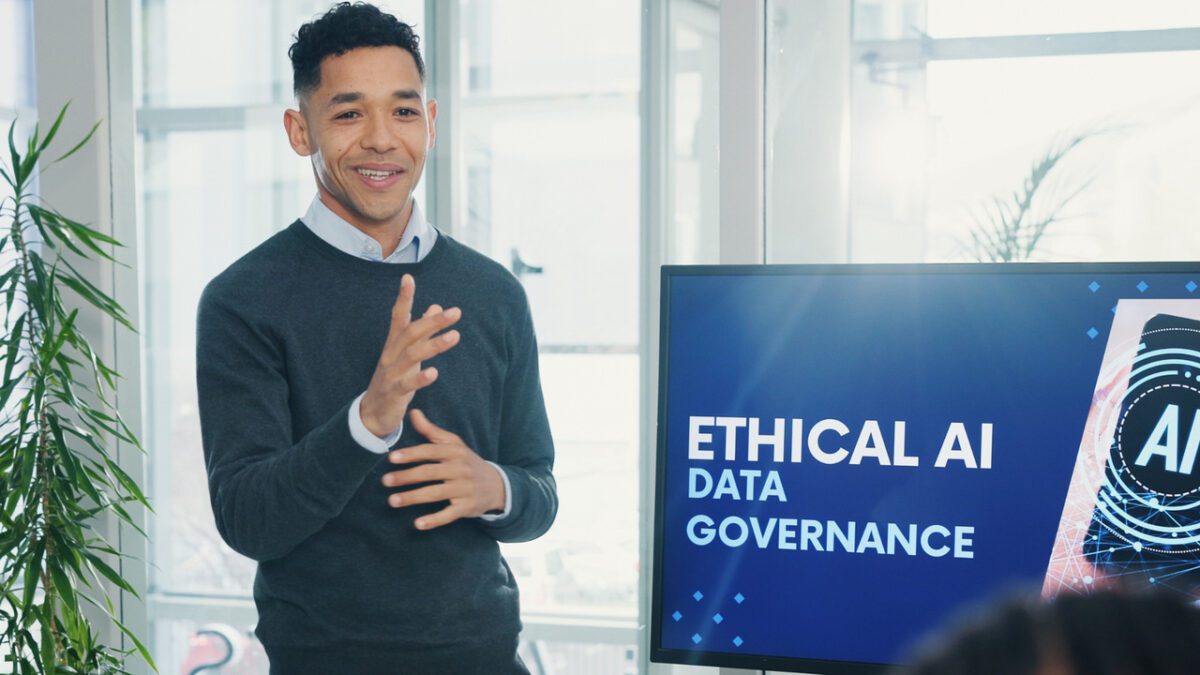
As companies deploy AI in everything from hiring to loan applications, here’s a critical question: who is making sure these systems are fair? An AI Bias Auditor or AI Ethicist is the answer. This role is now one of the most important in the tech industry, with responsibilities like developing governance frameworks, conducting fairness audits, and ensuring AI systems align with legal standards and the company’s ethical values.
3. MLOps Engineer

MLOps, or Machine Learning Operations, is the practice of applying DevOps principles to the machine learning lifecycle. MLOps Engineers build and manage the infrastructure that allows data scientists to train, test, and deploy their models. MLOps Engineers are the architects of the AI world, ensuring that the transition from prototype to production is smooth, scalable, and secure.
2. AI Product Manager

The AI Product Manager is a new breed of product leader who can identify problems and determine how AI can solve them. Unlike traditional product managers, AI PMs must understand the nuances of machine learning, including model uncertainty and probabilistic outputs, while also having the business acumen to translate those capabilities into a compelling product vision.
1. AI Orchestrator or Strategist

If individual AI models are like members of an orchestra, the AI Orchestrator would be the conductor. This professional figures out how different AI agents (some in Slack, some writing code, some analyzing data) can work together in harmony to achieve business goals. As companies move from using isolated AI tools to building integrated systems, the AI Orchestrator will be the master planner who transforms a collection of tools into a truly intelligent organization.