
Japanese homes are known for being calm, clean, and intentional. The secret? Habits. The Japanese have perfected daily routines that keep life running smoothly. If you’ve been wanting to make your home feel less chaotic, these 10 Japanese habits might be the fix you need.
10. Mindful Bathing Ritual (Ofuro)

The Japanese ofuro is a full-body, full-mind ritual. Instead of bathing in the tub, people wash thoroughly outside it first, then soak in clean, hot water for relaxation. This creates a spa-like moment at home. Adopting even a simplified version of this practice helps Americans separate hygiene from restoration. Think of it as a peaceful rest after a long, stressful day.
9. Sleep on Futons (or Floor Mats) Instead of Big Beds

Traditional Japanese futons are placed on tatami mats at night and folded away during the day. While not everyone will switch to floor sleeping, the concept offers advantages: more living space, better airflow, and a simpler bedroom layout. Even adopting a hybrid version like a minimalist bed frame can make bedrooms feel calmer and more spacious.
8. Practice “Wabi-Sabi” and Appreciate Imperfection
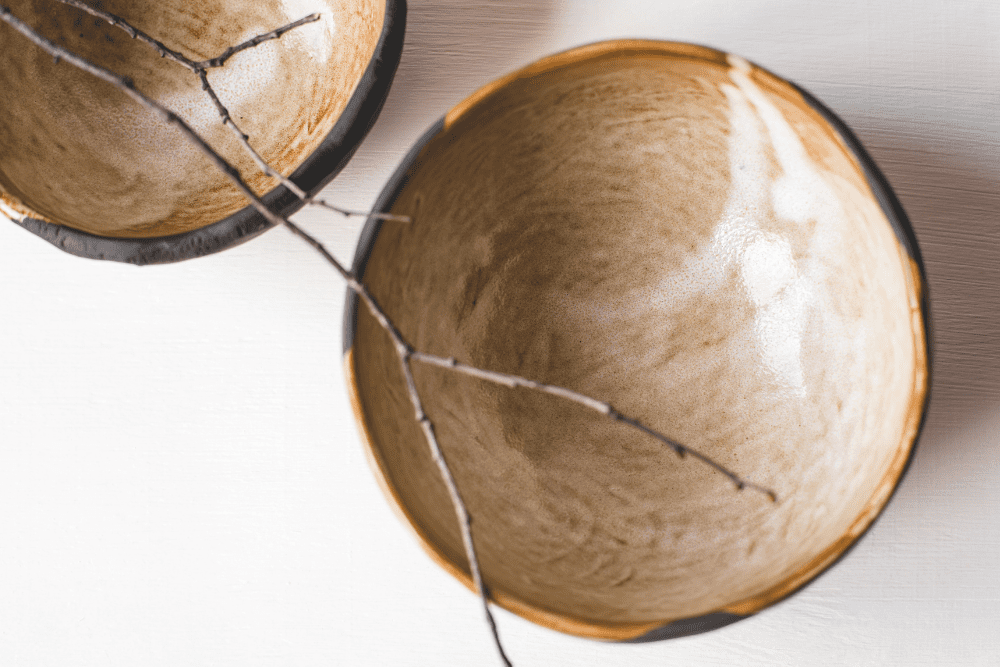
Wabi-sabi is the Japanese philosophy of embracing imperfection and the natural passage of time. Wabi-sabi encourages appreciating character, like a chipped mug you love or a wooden table gaining soft patina. For Americans used to fast décor trends, this mindset can be life-changing. It reduces pressure to buy more and helps you enjoy what you already own.
7. Use Low, Multi-Purpose Furniture (Like Chabudai)

The chabudai (a low table used for eating, studying, or socializing) reflects a core Japanese principle: one space can serve many functions when furniture is flexible. Low-level, movable furniture creates more open floor area and encourages relaxed living. When rooms transform based on the moment (mealtime, work time, or playtime), you maximize your home’s square footage without the need for remodeling.
6. Use Natural, Homemade Cleaning Solutions

Many Japanese families rely on simple, homemade cleaning solutions using baking soda, vinegar, and citric acid. These gentle ingredients break down grease, deodorize surfaces, and remove stains while being safe around kids and pets. They also cost less and reduce exposure to irritants often found in commercial cleaners.
5. Embrace Minimalist Storage and Clutter Control

Japanese homes rely on minimalist storage solutions that make everyday life smoother. Think hidden cabinets, labeled bins, and drawer dividers. The goal isn’t having less. It’s about ensuring every item has a designated home. When Americans adopt this practice, even large homes can feel calmer and easier to manage.
4. Seasonal Deep Cleaning (Ōsōji)

Ōsōji, the Japanese tradition of year-end deep cleaning, is about clearing both physical and mental clutter. Families scrub, sort, and fix their homes together in preparation for a new beginning. Adopting this habit in American homes can look like this: a quarterly Ōsōji, wherein you clear expired pantry items, wipe vents, reorganize closets, and air blankets to create a home that feels lighter.
3. Sun-Dry and “Beat” Your Futon Regularly

Japanese households often take their futons outside to sun-dry and lightly beat them. Sunlight naturally disinfects and kills odor-causing bacteria. Meanwhile, gently beating the fabric loosens trapped dust and allergens. Even if you don’t sleep on a futon, airing out pillows, blankets, or mattress toppers once in a while can boost freshness.
2. Wash Hands and Gargle Right After Coming Home

In many Japanese households, washing hands (and sometimes gargling) right after walking through the door is a routine. Kids learn it early, and adults do it automatically. This ritual stops germs before they spread to kitchen counters, phones, and shared surfaces. It’s a simple, low-effort habit Americans can easily adopt, especially during cold and allergy seasons.
1. Take Off Shoes at the Door (“Genkan” Habit)

Removing shoes at the door is one of the simplest Japanese habits Americans can practice, yet it can transform the entire home. Outdoor shoes collect germs, dirt, and city grime that cling to carpets and floors after you walk in. Setting up a small genkan-style entryway will keep your home noticeably cleaner with less effort.