
Your home might look spotless, but hidden beneath the scent of air freshener and the cozy sofa could be a mix of toxins messing with your skin, hormones, and overall health. In this roundup, we’ll expose 10 hidden toxins quietly lurking in your home.
10. Dryer Sheets
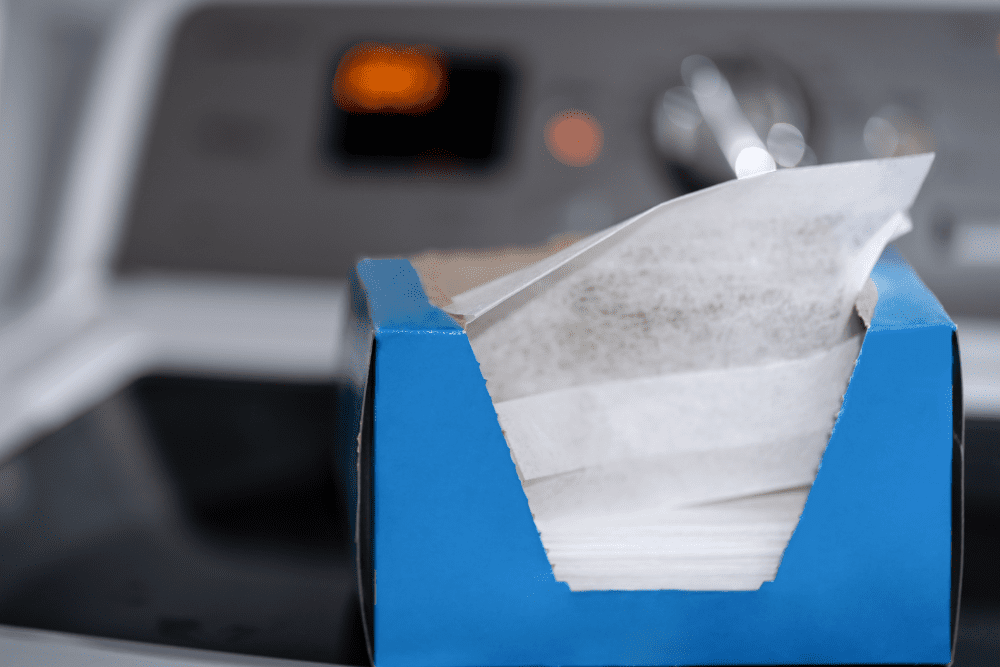
Dryer sheets and liquid fabric softeners have volatile organic compounds (VOCs) that vent out of your home and into the environment. These chemicals can trigger respiratory issues and hormonal disruptions. A 2011 study highlighted how dryer vents can introduce harmful compounds into the air, which means your laundry routine could be silently impacting your family’s health.
9. Receipts

Think twice before taking that paper receipt. The thermal paper they’re printed on is often coated with Bisphenol A (BPA) or Bisphenol S (BPS). These are chemicals that can be absorbed directly through your skin. They’re known endocrine disruptors linked to obesity, reproductive problems, and even attention issues.
8. Incense

That stick of incense could be quietly harming you. A 2023 article in Psychology Today revealed that burning incense releases a cloud of tiny particles known as PM 2.5, which can penetrate into your lungs and enter your bloodstream. PM 2.5 exposure has been linked to an increased risk of depression and dementia.
7. Air Freshener

That plug-in, spray, or scented candle is often packed with VOCs, including known carcinogens like formaldehyde and benzene. Instead of eliminating odors, they mask them while releasing a mist of potentially toxic particles. To truly freshen your air, try simmering herbs and spices on the stove instead.
6. Cooking Smoke
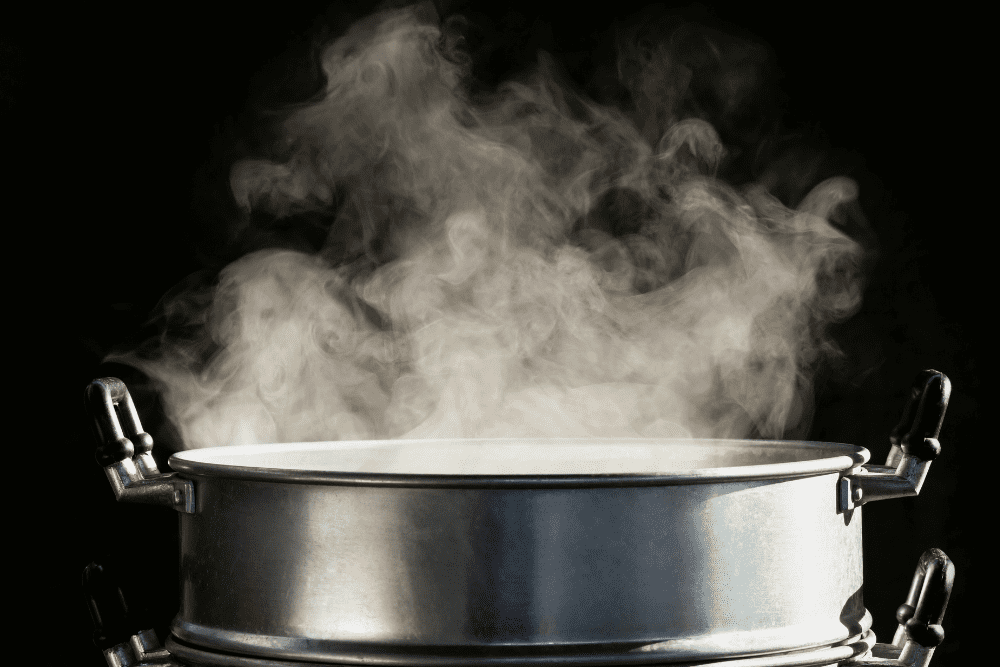
The simple act of cooking, especially at high heats, is among the top contributors to indoor air pollution, a known risk factor for declining brain function. The debate over gas stoves is also heating up, with new findings suggesting that electric and induction cooktops may be better options from an air-pollution perspective.
5. Your New Furniture
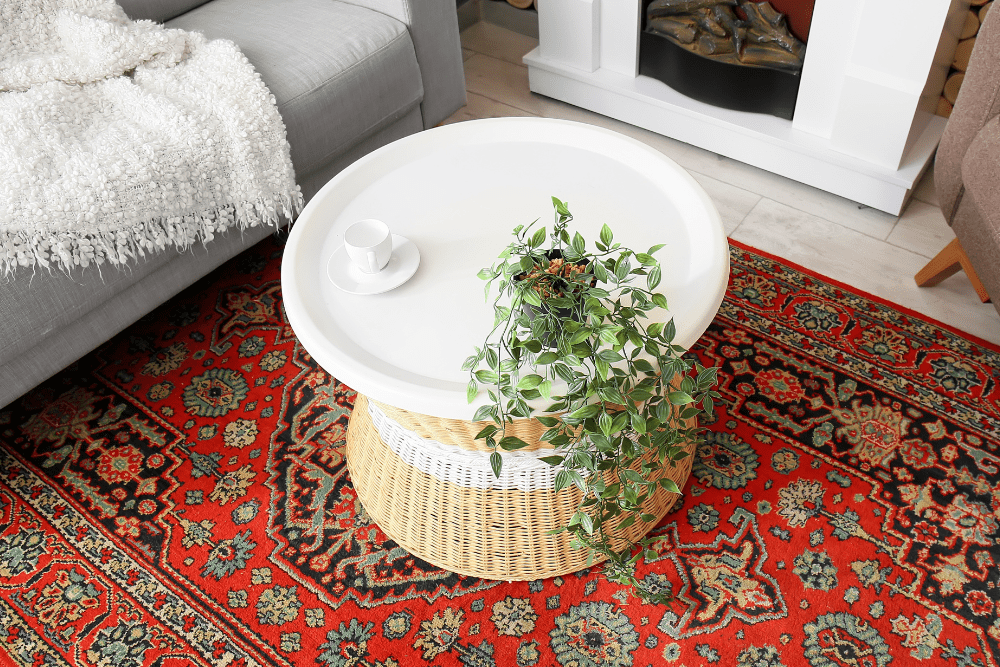
The excitement of a new carpet, mattress, or bookshelf could be dampened by the knowledge that they are “off-gassing” VOCs into your home. These chemicals, often found in pressed-wood furniture and paints, can lead to that foggy-headed feeling you can’t shake. To minimize risk, let new items air out in a well-ventilated space or garage for a few days before bringing them inside.
4. Black Plastic Spatula

That black plastic spatula could be shedding tiny threats into your meals. A June 2025 article from UCLA Health specifically called out black plastic cooking utensils as a source of microplastics. These can leach into your food, especially when heated. The microscopic plastic particles have been linked to an increased risk of some cancers, heart disease, and hormone disruptions.
3. Nonstick Pan
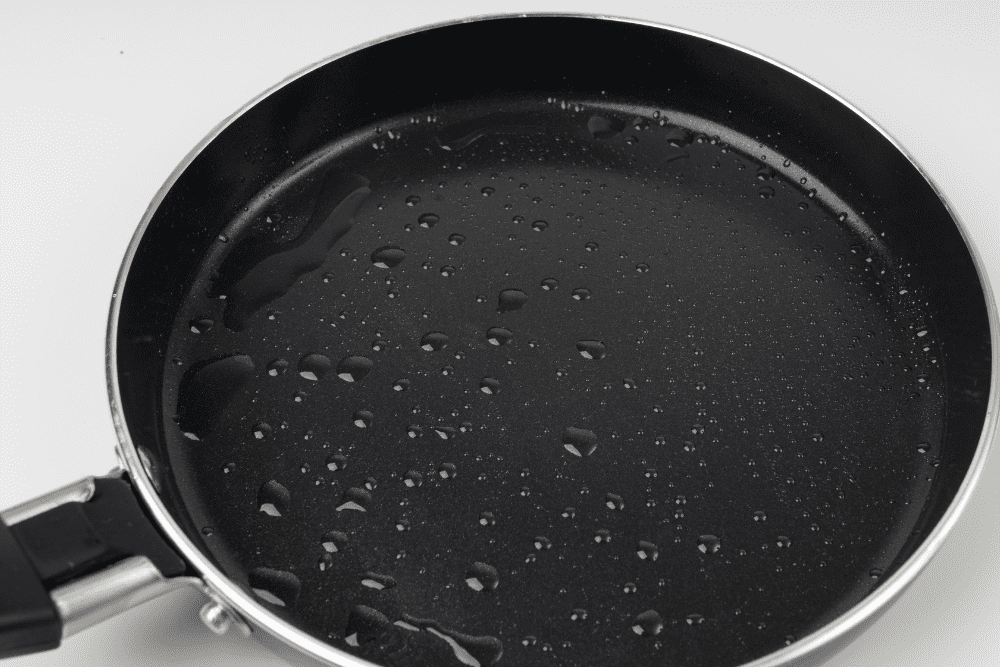
That convenient nonstick pan is likely coated with PFAS, also known as “forever chemicals,” because they don’t break down in your body or in the environment. While you cook, these chemicals can leach into your food and accumulate over time. According to a 2025 UCLA Health report, long-term exposure has been linked to health issues like birth defects and severe liver and kidney damage.
2. The Invisible Gas in Your Basement

You may know radon is the second leading cause of lung cancer, but 2024 research from the National Institute of Environmental Health Sciences uncovered a shocking new risk: stroke. As per the study, this colorless, odorless radioactive gas is linked to an increased risk of ischemic stroke in middle-aged and older women. Since you can’t see or smell it, testing is the only way to know if your home has dangerous levels.
1. The Foam in Your Couch
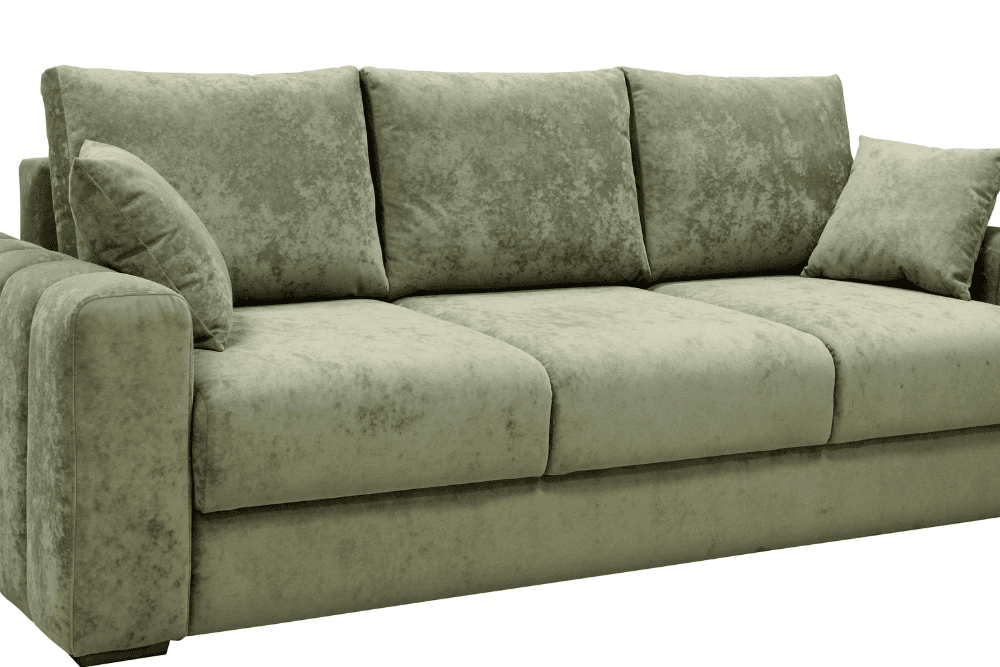
The very furniture you use every day could be your most significant source of toxic exposure. Upholstered furniture, including sofas and mattresses, is often treated with flame retardant chemicals that you can absorb through your skin. The chemicals have been linked to cancer, neurotoxicity, thyroid dysfunction, and even reproductive problems.