
Owning a home also comes with a big responsibility. There’s an endless to-do list of paying bills, cleaning, and repairs. With that, it’s easy to overlook the simple task until it causes you big problems. Here are the 14 home maintenance tasks you’re probably neglecting. Check them out before it’s too late.
10. Testing the Water Heater Pressure Relief Valve

The pressure relief valve of your water heater releases water if pressure or temperature gets too high. It also prevents explosions, so testing the valve annually is crucial. Neglecting to check can lead to damage or, in unfortunate cases, an explosion. Besides, it’s easy to check them, just lift the valve’s lever halfway and let it snap back. You should hear the water guarding and check for discharge from its overflow pipe. If nothing happens, then the valve is probably stuck and in need of replacement.
9. Testing Smoke Detectors

Those smoke detectors come first in line to your defense in emergencies. Not checking them regularly can put you and your family’s safety at risk, as it reduces safety by not providing early warnings that it can sense. You’re also looking at some potential legal consequences for failing to maintain a working detector. Test them at least monthly by pressing the test button and replace their batteries once a year.
8. Checking Attic Ventilation

Problems with attic ventilation can lead to issues like shingle deterioration, mold growth, wood rot, and inefficiency. Check them to see if they’re still serving their purpose by observing the attic’s temperature. Ideally, it should be close to the outdoor temperature, but if it feels hotter or cooler than the outside, then your ventilation system is not functioning properly. Also, ensure that your soffit vents are free from debris for proper airflow and to prevent moisture buildup.
7. Cleaning Window Wells

If you haven’t experienced problems with your window wells, then you may never think of cleaning them up. But after a rainfall, the clogged gutter can dump water in your window well, where leaves act like the pool line to prevent drainage. It causes the water level to rise until it breaks the basement windows. Keep them clean and consider installing covers to prevent debris accumulation.
6. Inspecting and Cleaning the Chimney

If your home happens to still feature a chimney, then you need to check it even if you don’t get to use it frequently. Heating equipment like this is one of the causes of home fire fatalities, as it contributes to heating fires. Over time, all of the smoke, gases, and particles from the fires you’ve burned create a buildup called creosote, which is extremely flammable. With that, the National Fire Protection Association recommends professional chimney inspection and cleaning every year. And yes, even gas fireplaces require annual inspections.
5. Cleaning Dryer Vents

You may clean the lint trap after every load, but the dryer vent gets forgotten. If they become clogged, they can increase the risk of fire. They can also result in higher energy bills. Cleaning them ensures that your appliance works well. Have them professionally cleaned at least once a year.
4. Testing Your Sump Pump

Your sump pump becomes your first line of defense against flooding, especially in areas that are prone to it. Many homeowners and business owners rely on them to keep water out of their basements in case of a storm. Without proper maintenance, they may fail to do the task. Sump pumps should be tested twice a year, preferably in spring when there’s melting snow and rain, and in late fall.
3. Checking Window Weep Holes
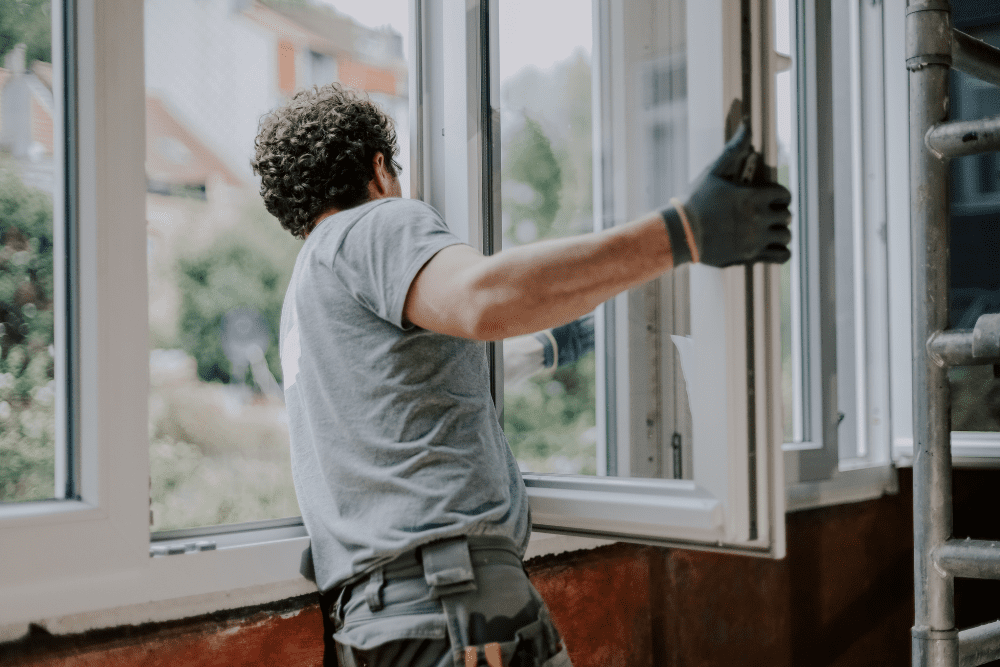
Many sliding windows and vinyl replacement windows have weep holes on their exterior bottom of the frame. They’re designed to drain rainwater that collects in the bottom channel of the frame. A weep hole can get plugged by bugs and debris, which would fill up the channel and spill into your house. To check your weep system, pour a glass of water in the track. If the water doesn’t drain properly, then use a pipe cleaner to clear it.
2. Draining Your Water Heater

Your water heater is tucked in the corner of your basement or utility closet. With that, we assume that they’re maintenance-free. But when debris accumulates at the bottom of the tank, your water heater works overtime, which could give off a poor performance, higher energy bills, or an inconsistent hot water distribution.
1. Cleaning Refrigerator Coils
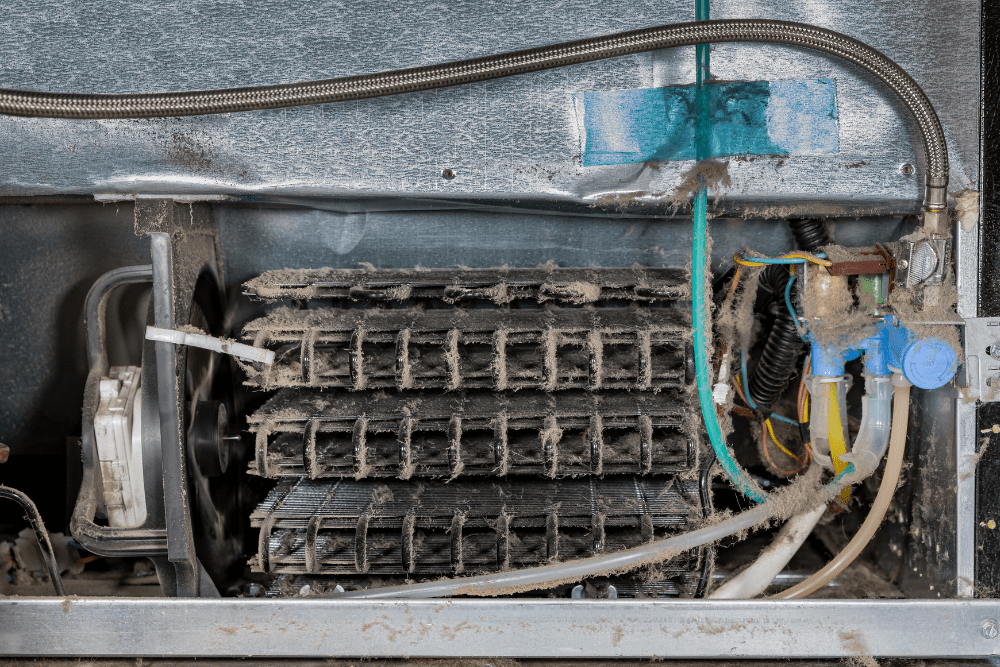
Those dirty coils from your refrigerator increase your energy consumption and electricity bills. It could also lead to failure, which would require a costly replacement and spoiled food. These coils are located in the back or bottom and can get dust, pet hair, and debris over time. Many manufacturers recommend cleaning them every six months by vacuuming the coils with an attached brush.