The world of medicine is a never-ending revolution from different innovations made by the field of science. We’re talking about cures for genetic diseases to AI that actually diagnoses illness before you can even feel the symptoms of your sickness. In the next 15 years, get ready to see these medical breakthroughs at your local hospital.
10. A Nasal Spray to Stop Deadly Allergic Reactions
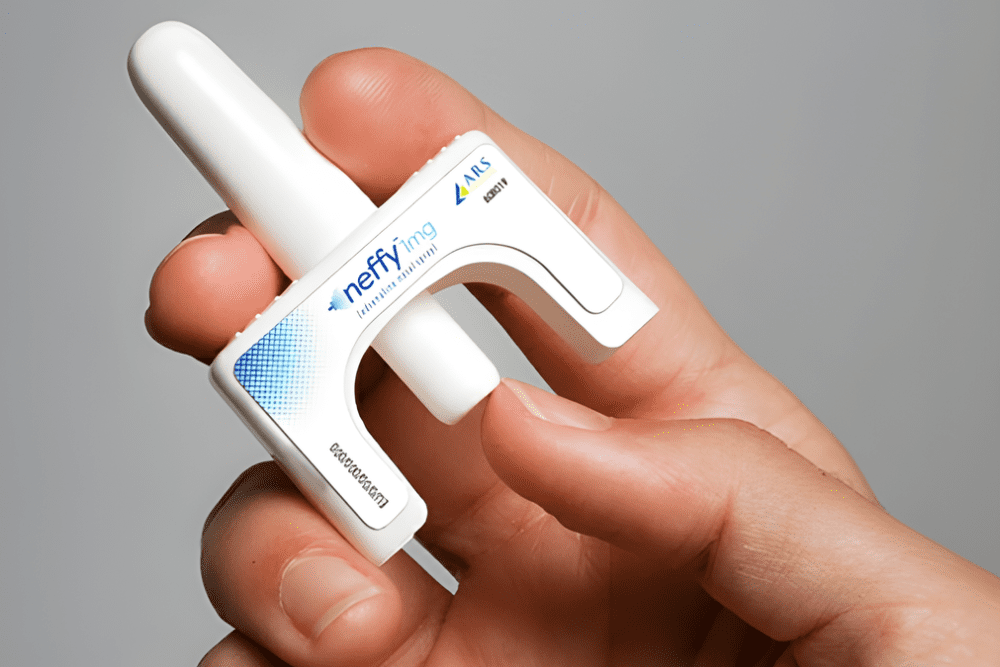
For millions of people, allergies have been a life-threatening occurrence in their lives. Not to mention, the fear of anaphylaxis, which can cause your throat to close up in just minutes. While the auto-injector EpiPen exists, many people don’t use it due to a fear of needles. With that, the nasal spray has been approved by the FDA in early 2025. It’s called Neffy, also known as ARS-2, which delivers epinephrine without a single needle. It’s also more portable than the EpiPen, making it easier to bring with you.
9. The End of Daily HIV Pills
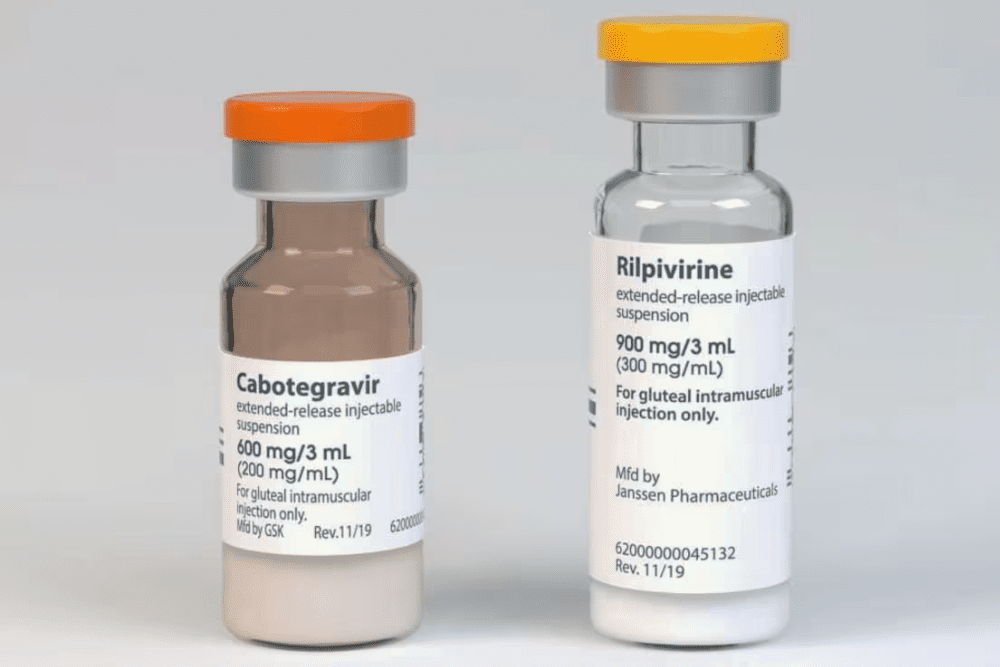
For decades, HIV treatment has involved a strict and lifelong regimen of daily pills. Just missing a few doses can allow the virus to rebound and become resistant to medications. The future is now bright with Lenacapavir, which has the brand name Sunleca. It’s the first ever capsid inhibitor that works by disrupting the virus’s protective shell. It involves a simple injection that patients take once every six months. Another option is a combination of Cabotegravir and Rilpivirine (brand name Cabenuva), which is a monthly shot. These treatments feature a stable and suppressive medication for an extensive period.
8. A New Era for Weight Loss and Chronic Disease

Believe it or not, Ozempic and Wegovy are just the tip of the iceberg. A new medication includes a powerful GLP-1 agonist like semaglutide and a more potent dual-agonist tiszepatide (Mounjaro). Studies show that these medications can effectively bring 5% or more in weight loss, with many achieving 15-20%. Surprisingly, they also treat chronic diseases since they’re originally developed for diabetes. But now, they show protective effects for the heart and kidneys by reducing risk for heart attacks, strokes, and kidney failure.
7. The First Real Treatments to Slow Alzheimer’s
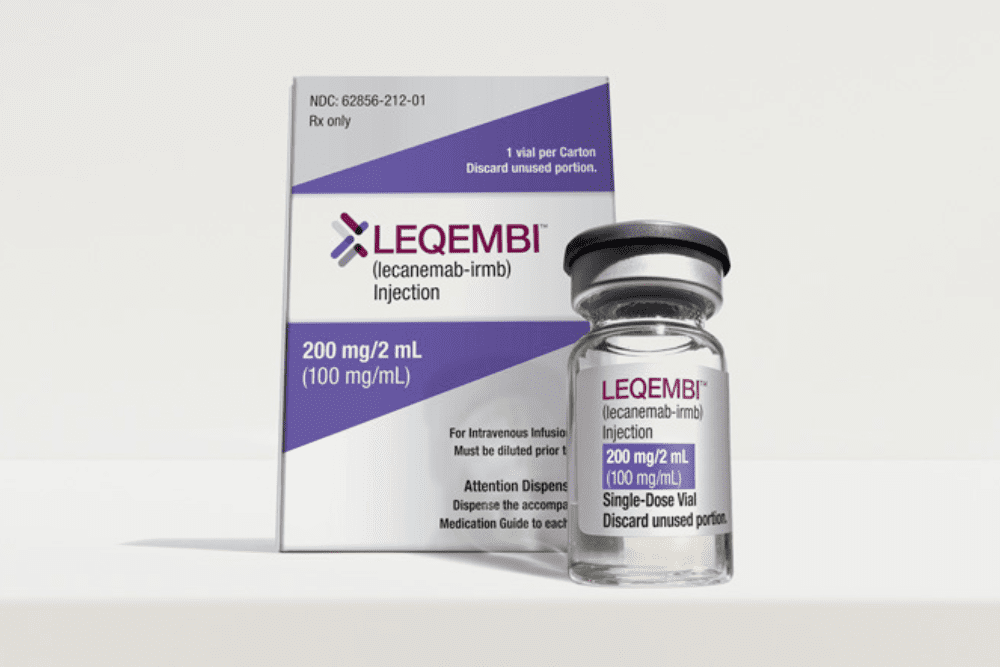
Alzheimer’s has been a devastating diagnosis for patients and their families. While treatments can help manage the symptoms of it, nothing can stop its progression. That can finally change with an immunotherapy medication, which includes the recently approved Lecanemab (Leqembi) and Donanemab. They’re proven to slow down the cognitive decline brought by Alzheimer’s as they remove the amyloid plaques. They’re these sticky protein buildup of clumps are found in the brains of patients. During their large-scale clinical trials, patients showed a slowing of decline in memory and cognitive function as they had the ability to perform daily activities.
6. A Living Heart Valve That Grows With a Child
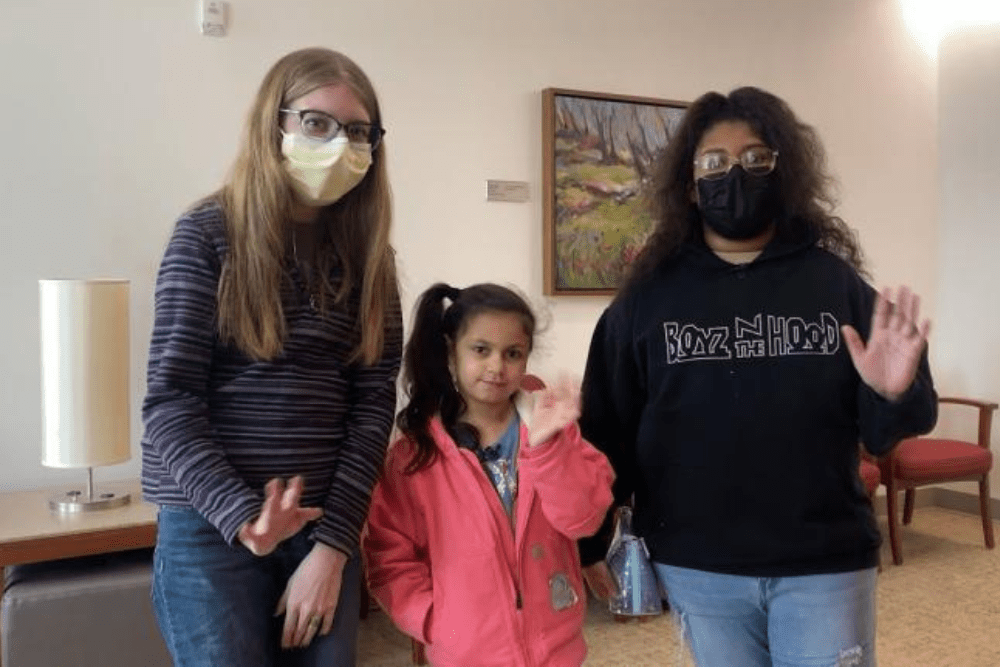
Children born with a defective heart valve face a future of high-risk replacement surgeries even before they reach adulthood. But during a world-first procedure at Duke Health in February 2025, surgeons were able to transplant a living mitral valve from a donor. The procedure was part of a “domino” surgery, where an 11-year-old who received a full heart transplant donated her healthy heart valves to two other young patients. The living valve then functioned perfectly as soon as it was transplanted, and it’s expected to grow and strengthen the patient.
5. A Blood Test That Finds Cancer Before You Have Symptoms
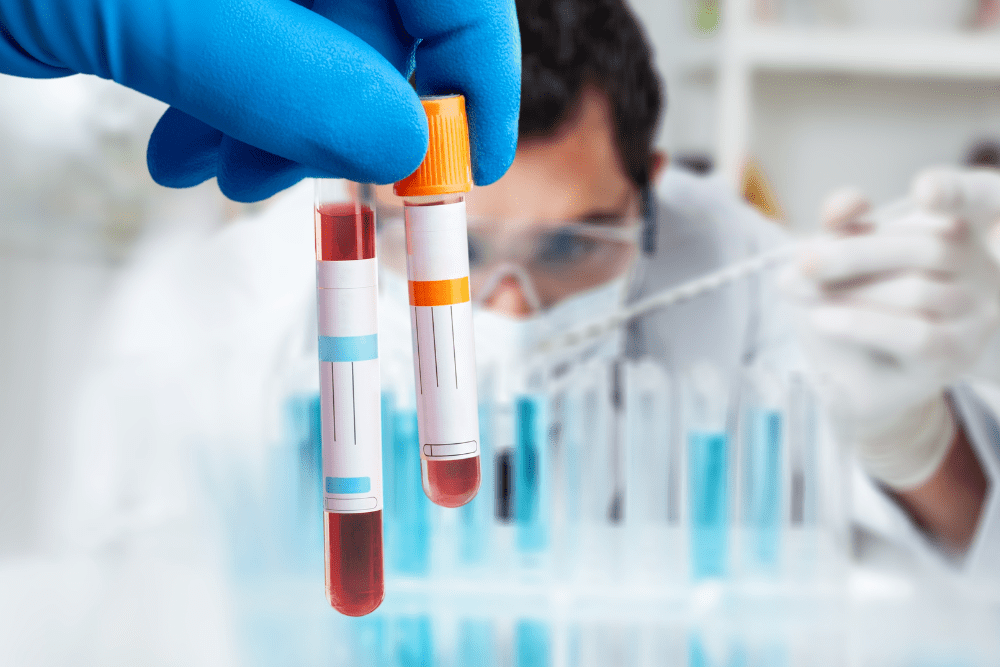
Soon, there will be a routine blood test that can detect cancer before the tumor grows large. That’s the liquid biopsies for you. Researchers from Stanford Medicine developed a blood test that analyzes small fragments of messenger RNA floating in your bloodstream, which includes cancer cells. In six years of development, their test can already identify the presence of lung cancer with a 73% accuracy rate even in its earliest stages. Surprisingly, the test can even identify when a cancer is becoming resistant to treatment by detecting changes in gene expression.
4. Personalized Vaccines That Teach Your Body to Kill Cancer
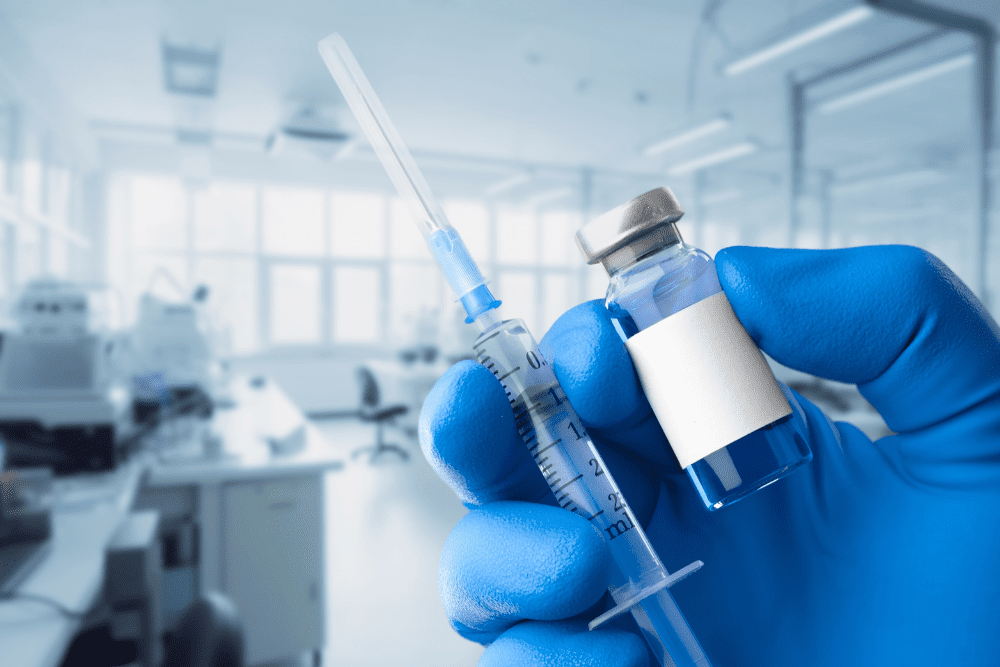
For decades, cancer patients have undergone chemotherapy, which is brutal because of its slash-and-burn approach, eventually causing immense collateral damage. The new era of cancer treatment, called personalized mRNA vaccines, can teach your immune system to hunt down and destroy cancer cells through surgical precision. Unlike those preventive vaccines, these are therapeutic as they’re created just for the patient. In 120 clinical trials, the vaccine showed a reduction in risk of cancer recurrence or death by 44%. This includes the tough-to-treat pancreatic and brain cancers. While the cost is high at over $100,000 per patient, commercial approval is expected to roll out by 2029.
3. Giving a Voice to the Voiceless with Brain Implants
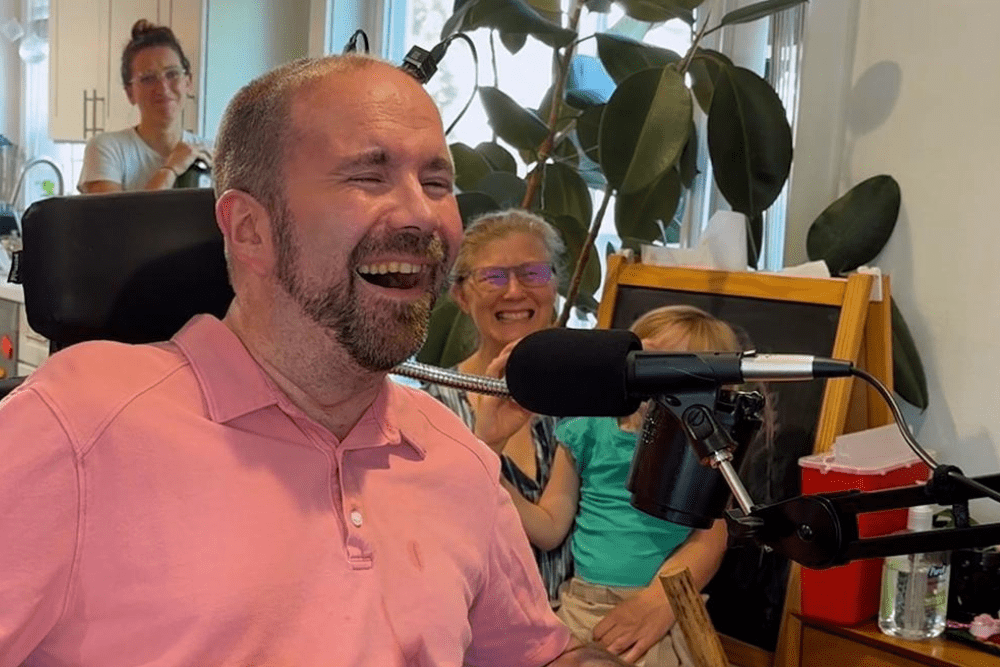
For Casey Harrell, ALS took away his ability to communicate. But with a brain-computer interface (BCI), he can now speak again with his own voice. That’s a procedure brought by UC Davis Health where surgeons implanted four small electrode arrays in Harrell’s brain. It detected the complex nerve impulses that are associated with forming words. Through an advanced AI system, it translated signals into speech that’s spoken by a voice synthesized from an old podcast recording of Harrell before his illness. The system showed a 97.5% accuracy rate and a vocabulary of about 125,000 words, which is twice the average of a college graduate.
2. The World’s First Successful Whole-Eye Transplant
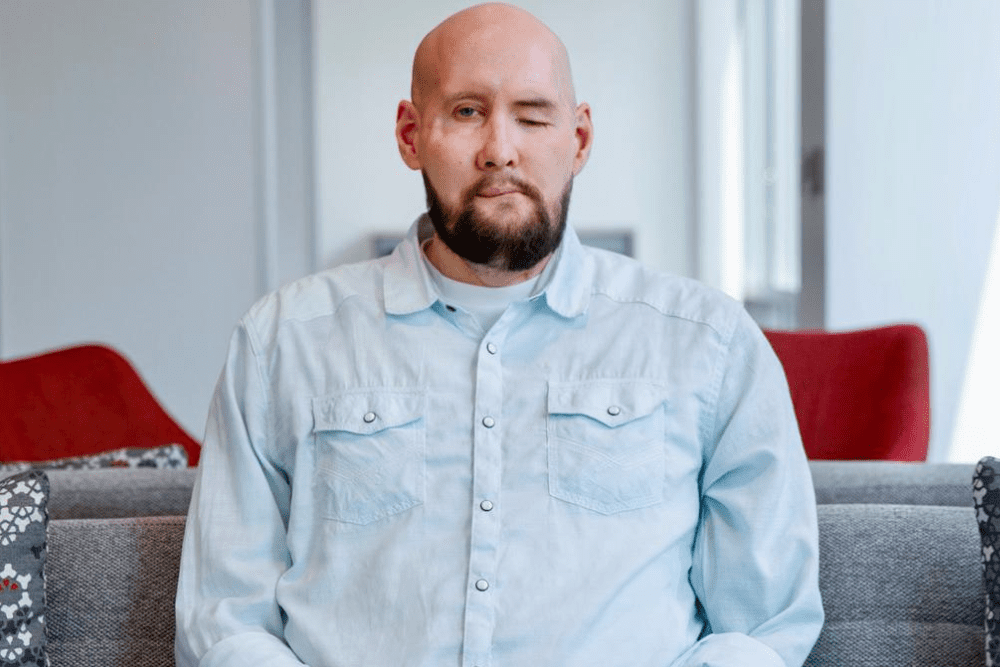
Transplanting a human eye has been one reconstructive surgery that’s considered impossible. But in 2023, surgeons from NYU Langone performed the world’s first-ever whole eye and partial face transplant on a 46-year-old lineman who survived a 7,200-volt electric shock that destroyed his face. It’s a 21-hour surgery that comprises 140 medical professionals. His vision has not been restored yet, but the transplanted eye has been good with a healthy blood flow, a healthy retina, and normal pressure. It’s an achievement since many experts believe that the eye would just shrink to raisin size and die.
1. Curing Genetic Diseases by Editing Your DNA
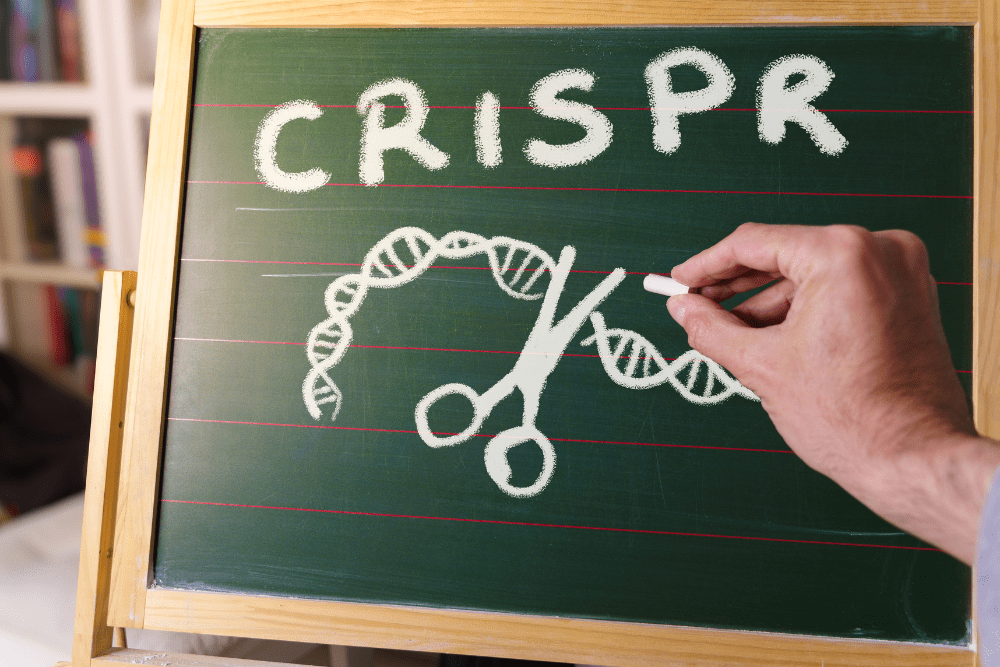
It’s no science fiction novel, as for the first time, we can cure our inherited genetic disease by rewriting a faulty code in our DNA. It’s called CRISPR, which is a system that finds and replaces a tool for the genome. In early 2024, the first-ever CRISPR-based medicine called Casgevy was approved as a one-time cure for sickle cell disease and beta-thalassemia, which are blood disorders. The mind-blowing part also happened last year when scientists at the Innovative Genomics Institute and associated hospitals created and gave a personalized CRISPR therapy to an infant with a rare genetic disease in only six months. Even early results from trials for heart disease are also positive, along with liver editing.