
In the world of urbanization and the rise of AI, the world is now filled with forward-thinking cities that aim to tackle age-old problems. Yup, we’re talking about traffic congestion, pollution, and resource management. The smart cities are equipped with cutting-edge technologies to help operate a liveable urban environment. Today, we’re bringing you the 10 cities that are living in the future.
10. Oslo, Norway
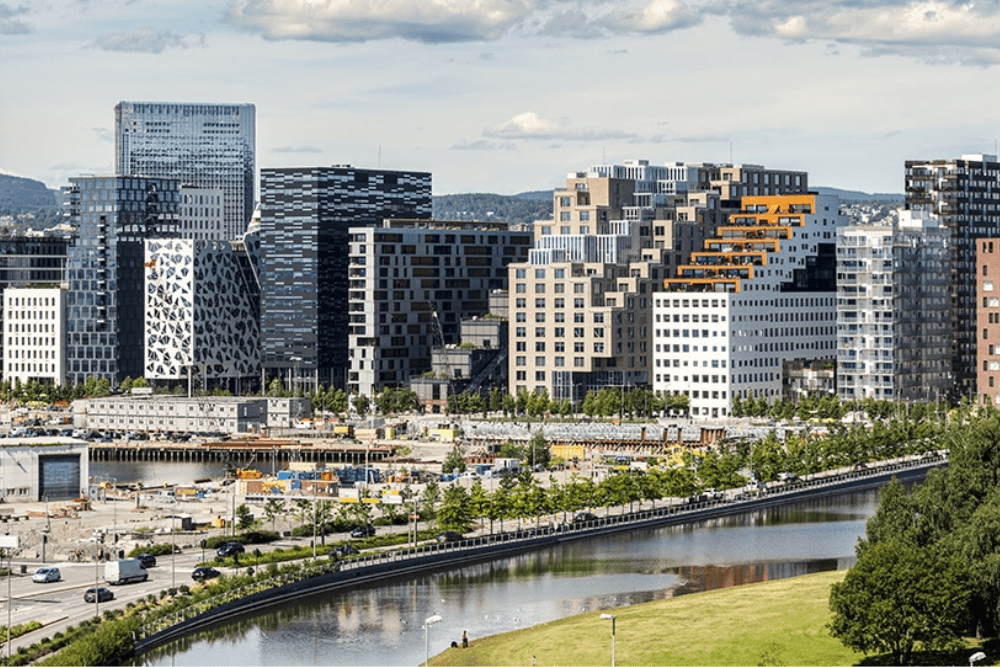
In case you didn’t know, the city of Oslo ranked number two globally by IMD in 2025 for citizen satisfaction. It has an uptake on their digital services, where over 80% of residents engage with at least one online tool. The city also turned its climate ambition practical with its renewable energy initiatives and smart solutions. Oslo reduces its carbon footprint with its green spaces, renewable energy, and electric vehicle infrastructures, which make it a model for cities worldwide.
9. Paris, France

Paris established itself as a smart city with their advanced traffic management technology. They also deployed a citywide network of sensors that can track noise and air quality. This French capital also houses the third-highest number of IoT companies and AI companies that are headquartered in the city. Paris also centers on a 15-minute city concept with an average of an 8-minute walk to essentials like shops, healthcare, and schools.
8. Helsinki, Finland
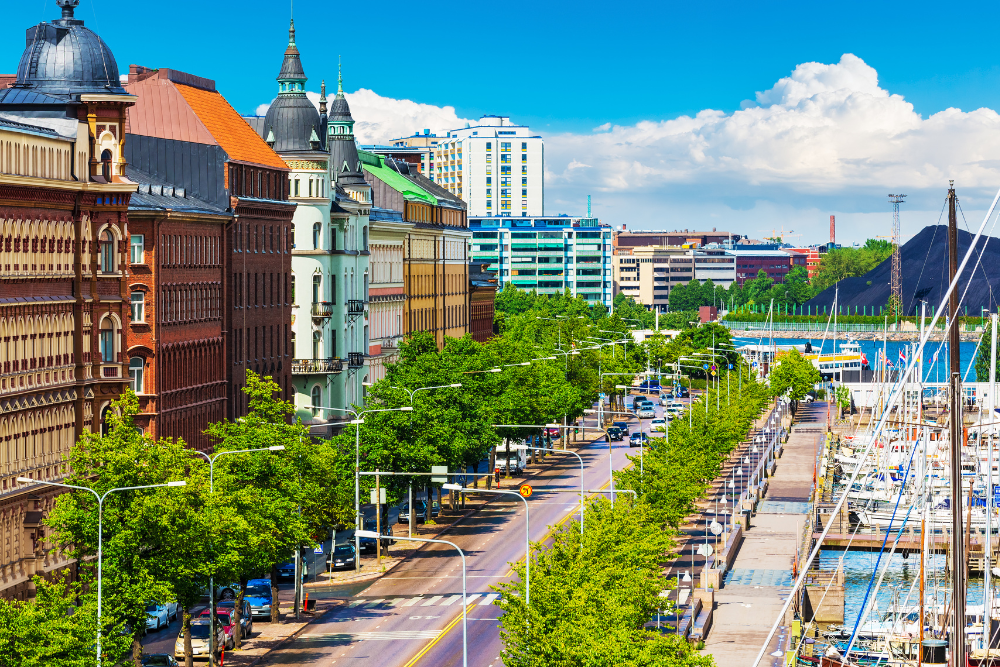
Helsinki sets an example for cities worldwide for its citizen-driven innovations. They actually use a 3D+ project with digital twins to improve their urban planning. This allows planners to test scenarios and optimise their infrastructure. The city has even developed a network of transportation, utilizing apps that link public transportation, bike rentals, and electric cars, while relying on renewable sources of energy. Nokia enhances the city’s connectivity with an advanced telecommunications infrastructure, allowing residents to easily access their digital services.
7. New York City, USA

New York City has been using data sharing since 2013. They’re even tackling EV charging blackspots with 5G and IoT to support their net-zero emissions move. This encourages the adoption of EVs and CO₂ monitoring with air quality sensors. The city uses big data to improve its services, with IBM leading projects about data analytics and AI integration. They have plans to expand the network of air quality sensors and deploy smart building technologies to reduce their energy use.
6. Barcelona, Spain
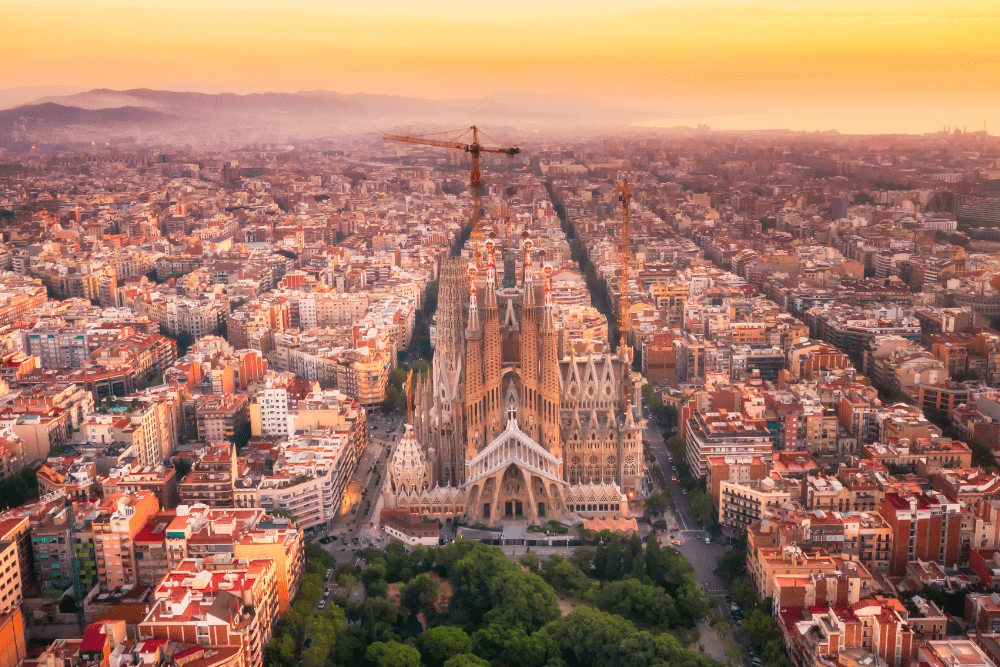
Barcelona has actually transformed itself to be a model smart city with its use of IoT sensors, plus an open data initiative. There’s also their smart lighting system, where they adjust illumination from pedestrian presence. They also have a smart parking app to guide drivers to available spaces and reduce the congestion of traffic. Cisco is playing a role in this transformation as it has chosen Barcelona as the epicentre of its smart city projects.
5. Copenhagen, Denmark
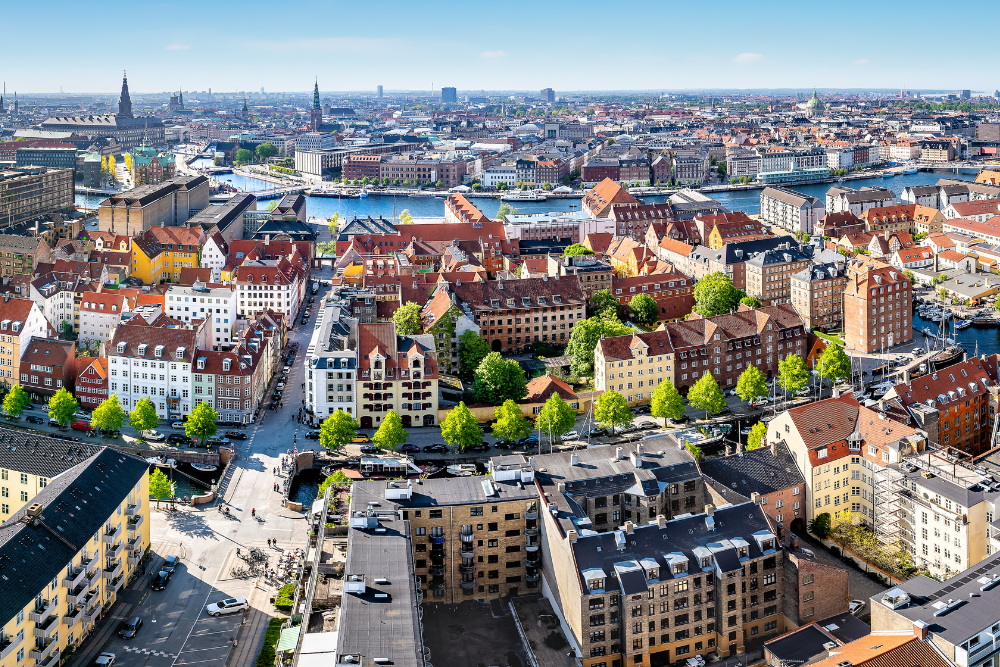
Copenhagen has a climate plan to reduce its emissions by more than a million tonnes. With that, their city district’s heating system used waste heat from power plants. Siemens is also upgrading the train network through advanced control technology to increase capacity and safety. They even have driverless trains which can operate automatically.
4. Seoul, South Korea
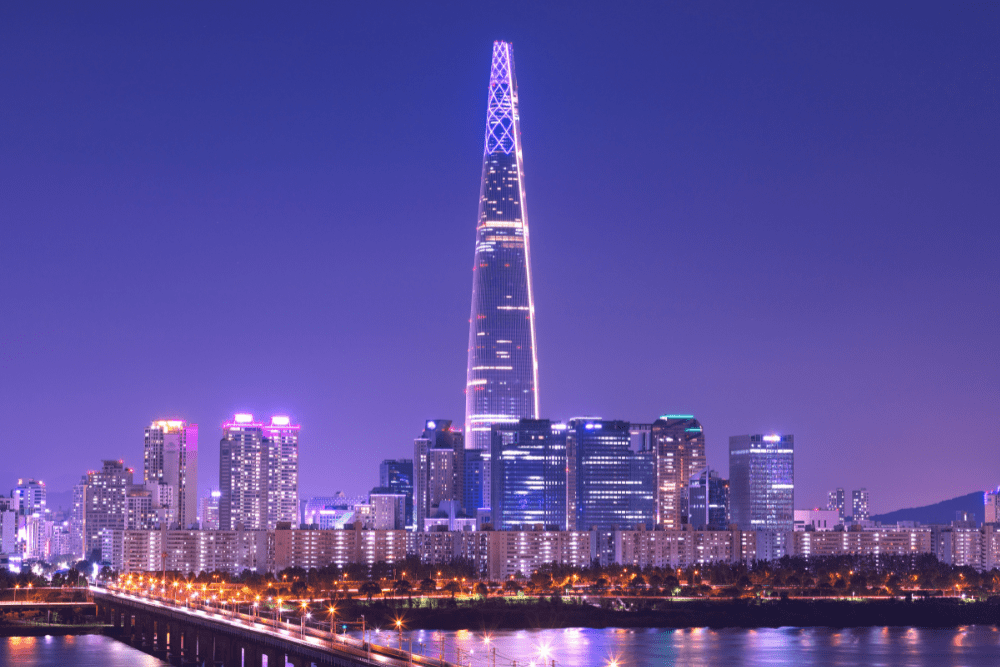
Seoul combines its digitized government with citizen services. In fact, in 2023, Seoul launched its Metaverse Seoul, which is a virtual city where residents can file their tax returns, attend meetings, and access city services in their homes. Seoul has an aim to broaden AI in public services and create more platforms to let citizens collaborate. South Korean-born Samsung is sponsoring the evolution of the city with its latest AI-enabled apartment complexes with electric vehicle fire response systems and built-in earthquake-resistant technologies.
3. Zurich, Switzerland
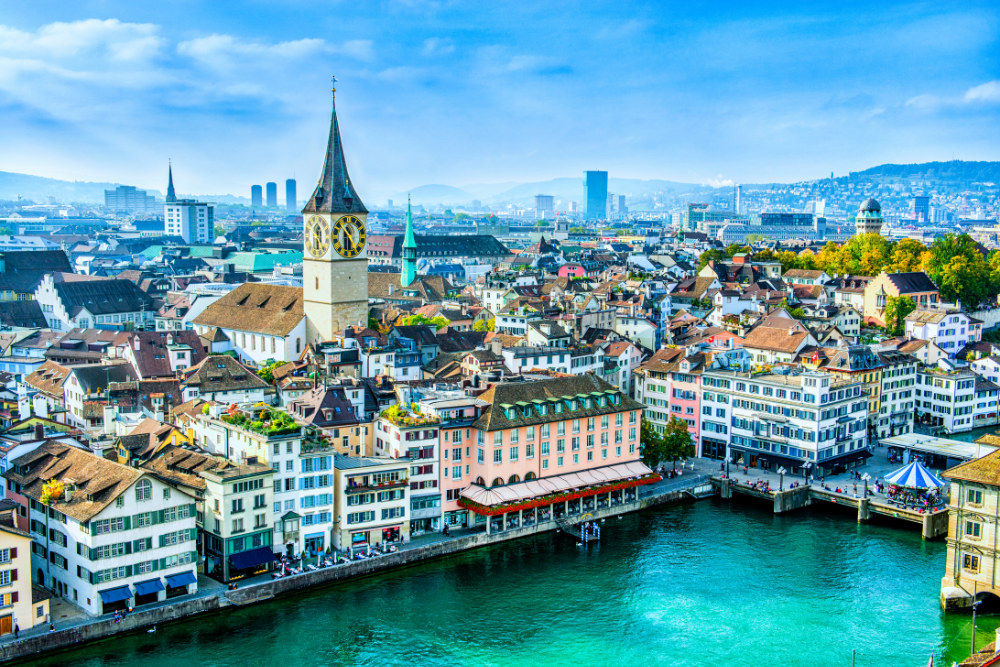
With Zurich, residents get an accessible public space with ways for people to work towards the city’s future. There’s a digital portal that will let citizens give feedback and co-design improvements. The city has also mapped out every pavement to show wheelchair-friendly routes in real time. There’s also smart lighting, waste management, and traffic systems. Not to mention, their high-speed internet for remote work. Zurich Airport also runs with electric shuttles as it tests future public transport without drivers.
2. Dubai, United Arab Emirates
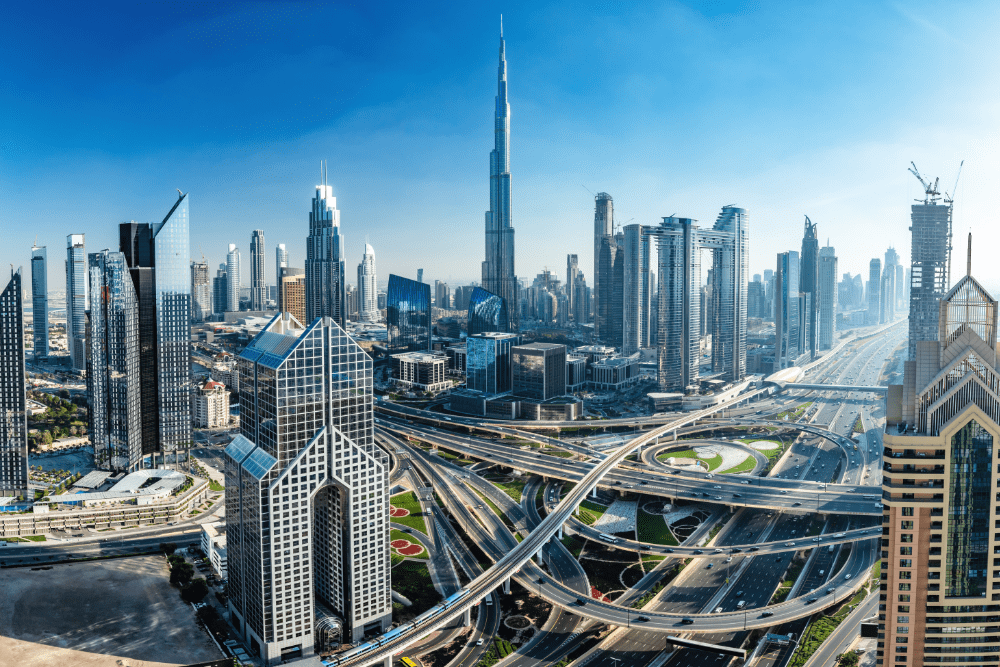
Dubai has transformed into a digital-first city with ambitions for AI and IoT implementation. In 2024, Dubai was the first city in the world to go 100% paperless for all government services. They use the Digital Dubai platform to handle everything from paying bills and booking doctors, all in just one app. There are also driverless taxis and AI-powered healthcare systems. The smart surveillance and AI work hand in hand for city safety and traffic control. The city also boasts renewable energy projects like the massive Mohammed bin Rashid Al Maktoum Solar Park.
1. Singapore
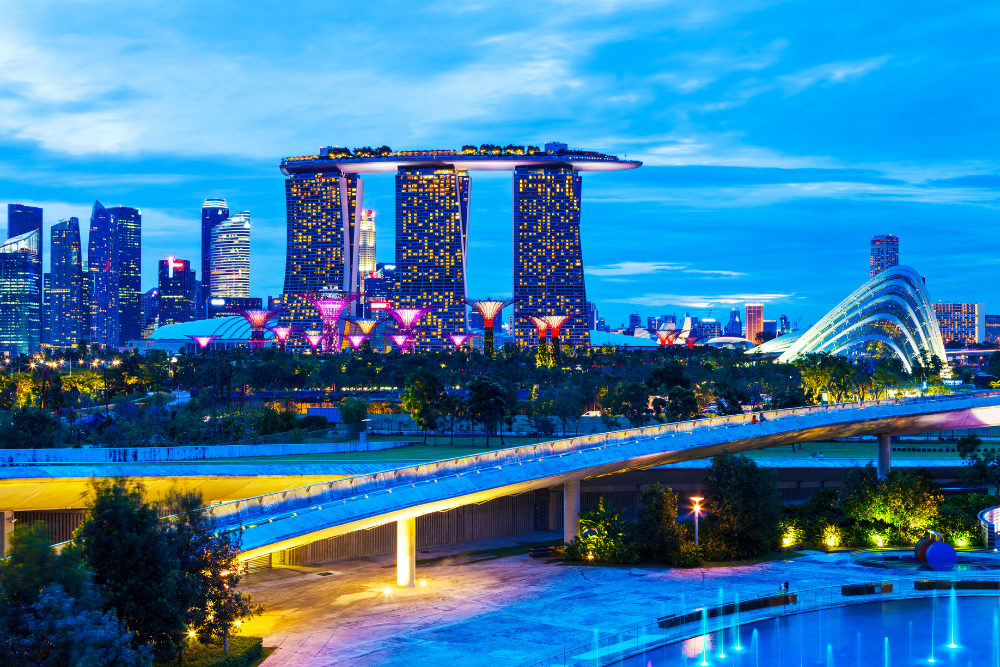
Singapore is known to be one of the world’s smartest cities for a reason. This island nation launched its Smart Nation initiative in 2014, where it transformed everything systems in a digital-first society. There’s the Smart Nation Sensor Platform that tracks and analyses data related to housing, amenities, and public infrastructure. In housing estates, the sensor monitors utilities and health for a secure and comfortable living for their residents. There are also driverless taxis and AI-powered healthcare diagnostics.