
Technology promises to simplify our lives, but the reality is far more complicated. While we celebrate innovations that save time and increase efficiency, we rarely acknowledge how these same tools have created new frustrations. With that, here are 10 ways technology has quietly made life harder in other aspects.
10. The Password Management Nightmare

With people using ever more password-protected accounts, anxiety over lost passwords is slowly creeping in. We’re stuck in a situation where we get to remember dozens of unique passwords, but using the same password everywhere is a security disaster. You can keep a small notebook of all your passwords, but ensure it’s hidden in a secure location where only you can access it.
9. Constant Software Updates Breaking Things

The level of complexity is an issue for all operating systems. Updating them is important for security and performance reasons. However, with the addition of numerous third-party programs, the likelihood of update errors and problems has increased. Other software vendors. You’re forced to update for security reasons, but each update carries the risk of breaking something that was working perfectly.
8. Everything Requires an Account
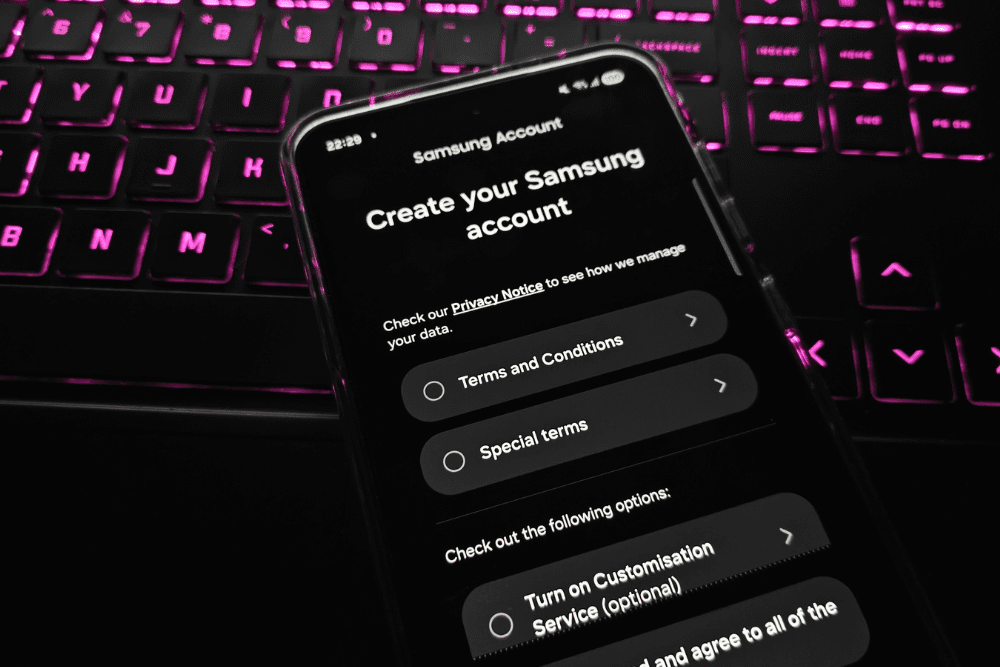
Want to buy something? Create an account. Read a news article? Create an account. Turn on a new appliance? Create an account. These mandatory account creation for basic tasks creates digital exhaustion. You see, each account needs another email to manage, another newsletter to unsubscribe from, or another company holding your personal data.
7. Tech Support Has Vanished

Outside of operating systems and some heavily used products, consumer software is generally not great, or it’s nonexistent. What’s worse is that most of the profit is based on who can get their software to consumers first. The time wasted troubleshooting tech problems often exceeds the time the technology was supposed to save.
6. Nothing Is Repairable Anymore

When new pieces of tech need repair, you can’t really fix them. You’re left with the decision to discard the piece of equipment altogether for a new device or a lengthy process just to find someone to assist you. Modern devices are designed to be replaced rather than repaired. Sealed components and software locks ensure that when something breaks, your only option is to purchase a new one.
5. Social Media Has Complicated Relationships

Social media turned relationships into performative displays. This creates the familiar FOMO (fear of missing out) and makes comparison of our interactions. We know too much about too many people, and the constant stream of updates creates obligation without connection. This is what pressures people to post about their day or an exciting life update to wow others and monitor those who have seen it.
4. Attention Spans Have Collapsed

With short-form videos taking over, our attention span seems to have collapsed. We’re all too used to one post informing us of what happened or giving context on things we should research. Brands and influencers are also doing everything to keep us entertained with their content before we lose our attention.
3. Technology Made Us Sedentary

From ordering Domino’s Pizza from your couch to using your phone to turn on your TV, technology has made us lazy. You can do almost everything from your phone that we literally never have to leave to get our business done. This produced people who no longer have the incentive to move around. The convenience that technology provides comes at the cost of our physical health, which can be dangerous in the long run.
2. Blurring Boundaries

Technology promised flexibility, but expected constant availability from us. It gives us anxiety that email on phones means work follows you everywhere. Messaging apps also blur the line between personal and professional time. We’re expected to be online 24/7, so we no longer have rest from the demands of work and life.
1. Every Service Requires Subscription Management
What once required a single purchase now demands monthly subscriptions. Yup, we’re talking about streaming services and tracker apps that operate on recurring payments. Managing these subscriptions becomes a part-time job, and canceling forgotten services would cost us in the long run. Basically, we’re trapped in a cycle of payments where nothing is free.