
If your energy bills are creeping higher, this list is for you. Fortunately for the many of us, a full-blown renovation isn’t required to cut costs and keep our spaces comfy. Here are 10 simple ways to shrink your energy bill without breaking the bank.
10. Master Your Ceiling Fan’s Secret Settings
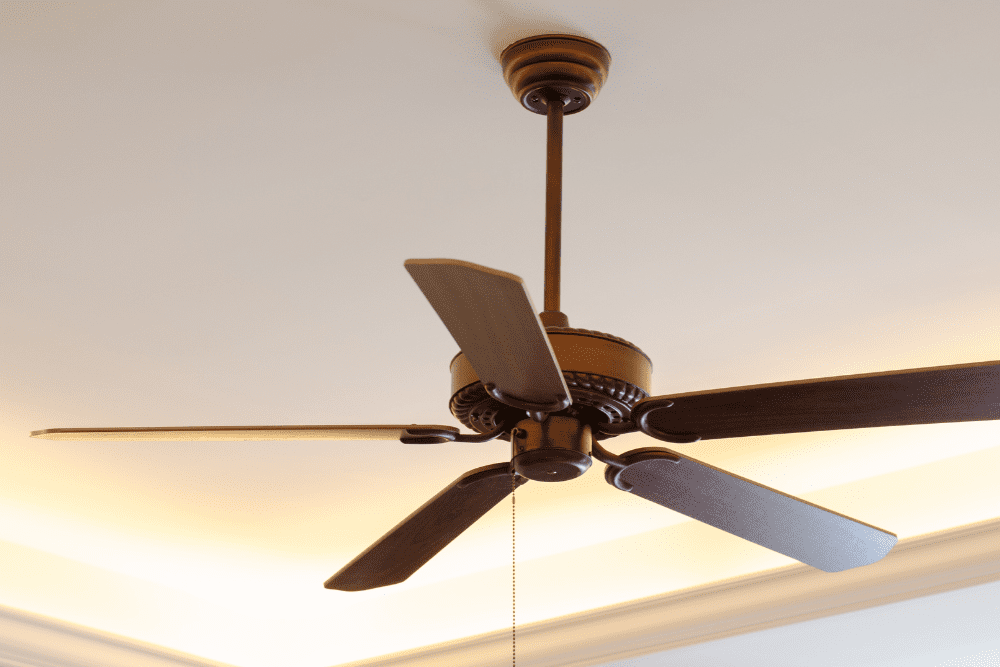
Most people see their ceiling fan as a one-trick pony for summer cooling, but it has a hidden winter function. By reversing the fan’s direction, you can manage your home’s airflow year-round. In the summer, your fan should run counter-clockwise to create a cooling downdraft. In the winter, switching it to clockwise will create an updraft, pulling cool air up and pushing the warm air that rises back down into your living space.
9. Defeat the Phantom Load

That little red light on your TV? It’s costing you. “Phantom load” or “vampire power” is the electricity consumed by devices even when they’re turned off but still plugged in. According to the U.S. Department of Energy, this silent energy drain can cost the average household up to $100 per year. The simplest solution is to unplug devices when not in use, but for a more practical approach, use smart power strips.
8. Clean Your Refrigerator’s Coils
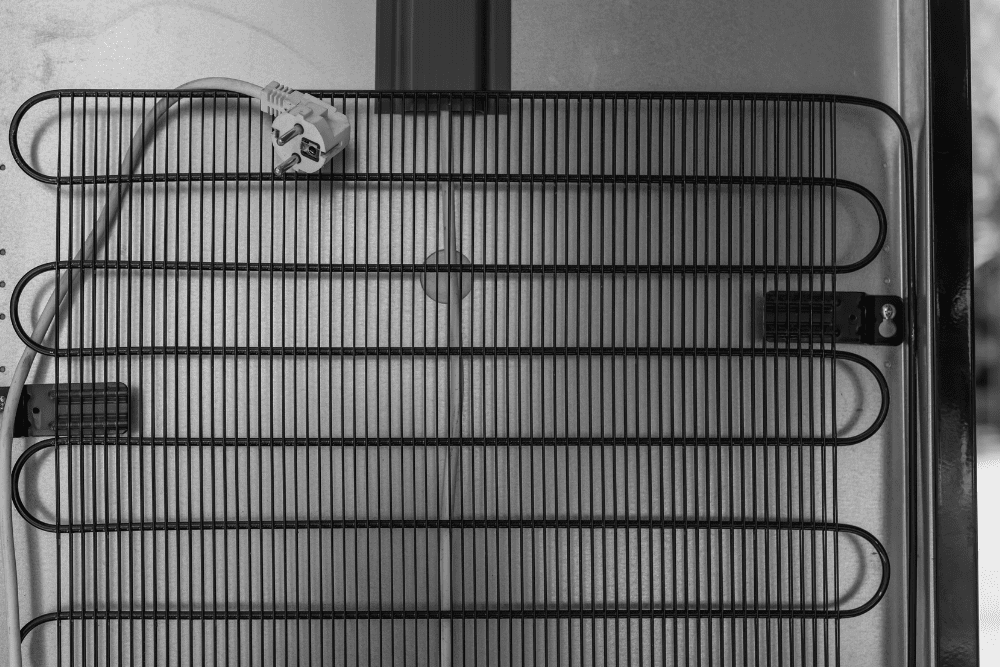
Your refrigerator is one of the hardest working appliances in your home, running 24/7. Over time, its condenser coils (often at the back or bottom of the unit) can become caked with dust, pet hair, and debris. This forces the refrigerator to work harder to release heat, increasing its energy consumption. Cleaning the coils once or twice a year with a brush or vacuum can improve your fridge’s efficiency.
7. Optimize Your Laundry and Dishwashing Routines

Modern dishwashers are remarkably efficient, using less water and energy than washing dishes by hand. For laundry, the hidden energy hog isn’t the washer, but the dryer. A clogged lint trap or dryer vent can increase energy usage by restricting airflow and forcing the machine to run longer. Regularly cleaning the lint trap after every use and ensuring the external vent is clear annually can cut your energy use.
6. Rethink Your Cooking Methods
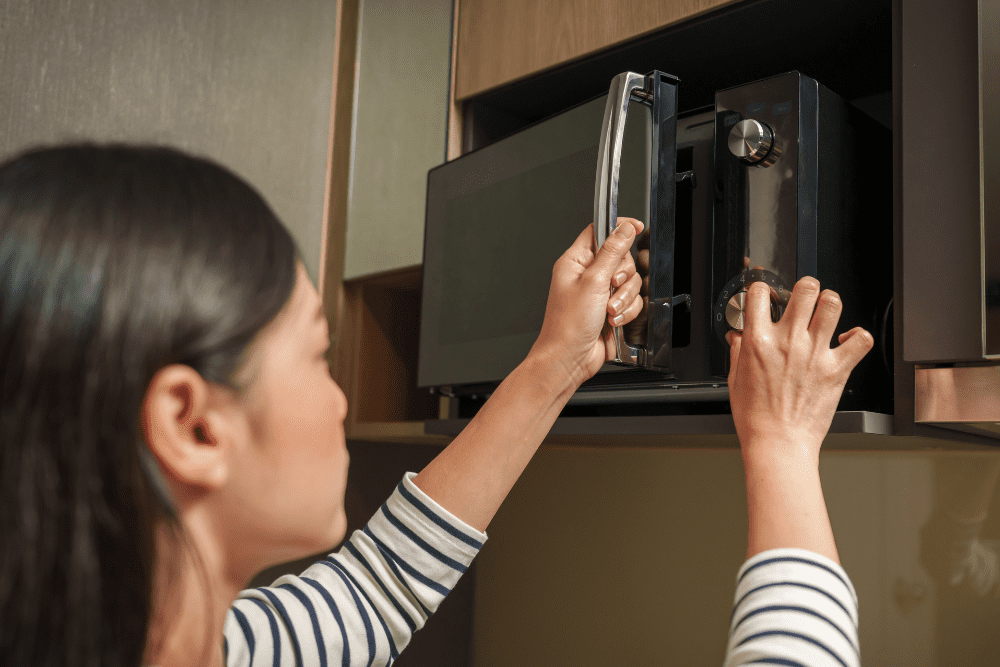
While a conventional oven is a kitchen staple, it’s often an energy-intensive choice for smaller meals. A microwave, by contrast, can cook or reheat small portions of food using as little as 20% of the energy of an oven. For tasks like baking a potato or reheating leftovers, the microwave isn’t just faster, but also more energy-efficient.
5. Choose Your Computer Wisely

Laptops are designed for efficiency, consuming a mere 30-70 watts of power on average. Desktops, on the other hand, are power-hungry beasts, using between 200-500 watts. This means a laptop can be up to 80% more energy-efficient than its desktop counterpart. If your computing needs don’t require the raw power of a desktop, opting for a laptop as your primary work machine is a simple switch that yields continuous savings.
4. Seal the Leaks Around Doors and Windows

Small cracks and gaps around your doors and windows can lead to big energy losses. These leaks, often called drafts, allow your expensive heated or cooled air to escape and the outside elements to creep in. The solution is simple: weatherstripping for movable components like doors and windows, and caulk for stationary cracks.
3. Upgrade Your Light Bulbs to LEDs

Modern LED bulbs use at least 75% less energy than traditional incandescent bulbs and last up to 25 times longer. While the upfront cost of an LED bulb is higher, its lower energy consumption and long lifespan make it a clear financial winner, saving you significant money over the life of the bulb.
2. Turn Down Your Water Heater
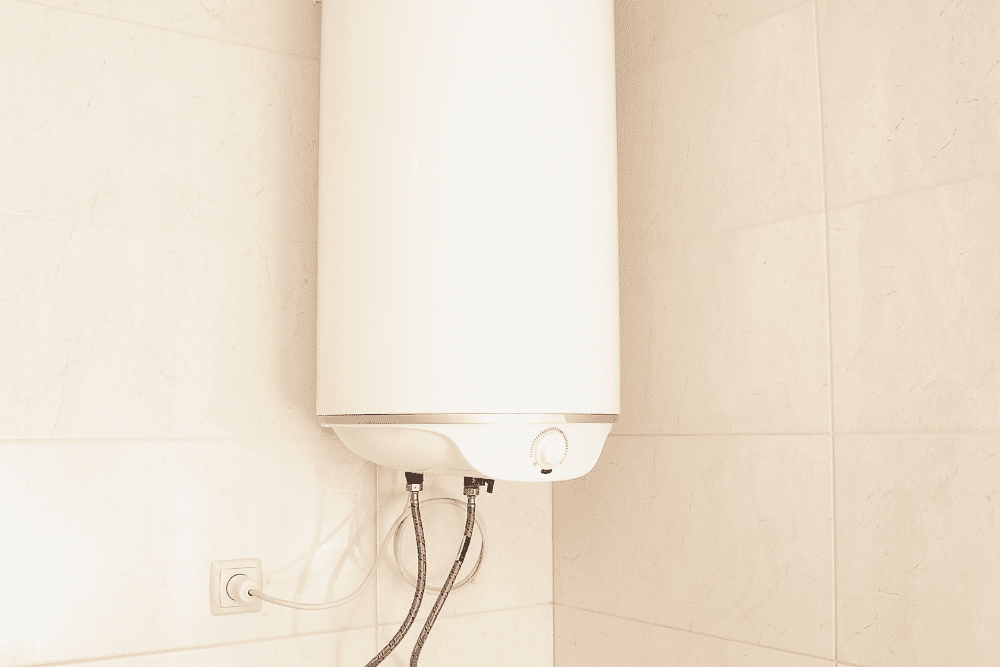
Most water heaters are set to a default temperature of 140°F, which is hotter than most households need and poses a scalding risk. By simply lowering the thermostat to 120°F, you can reduce your water heating costs. This single adjustment saves money by reducing standby heat loss or the heat that escapes from the tank into the surrounding area.
1. Use Your Thermostat Strategically
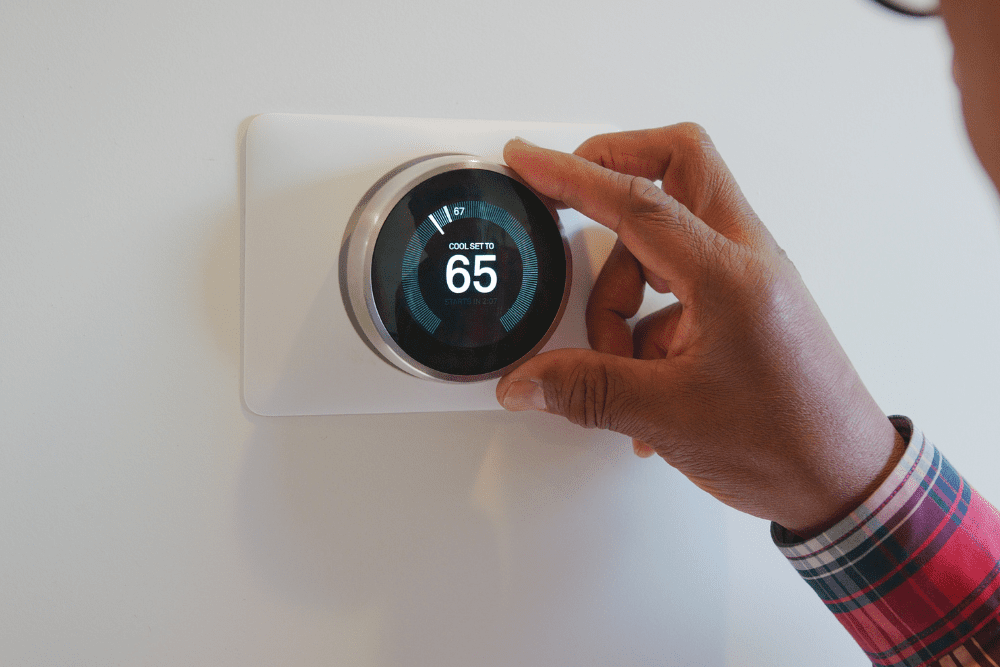
Slash your energy bill without renovation by rethinking your relationship with your thermostat. By simply turning your thermostat back 7°-10°F for 8 hours a day (such as when you are asleep or away at work), you can save as much as 10% a year on heating and cooling costs, according to the U.S. Department of Energy. For a typical household, this could translate into hundreds of dollars per year for a simple behavioral change.