
If your utility bill jumps even when you haven’t changed your routine, the culprit might be your own habits. Simple things like washing laundry with warm water or how you run your dishwater can silently drain your wallet. Here are 11 behaviors that could be hiking your monthly costs.
11. Leaving the Ceiling Fan Running When You Leave the Room
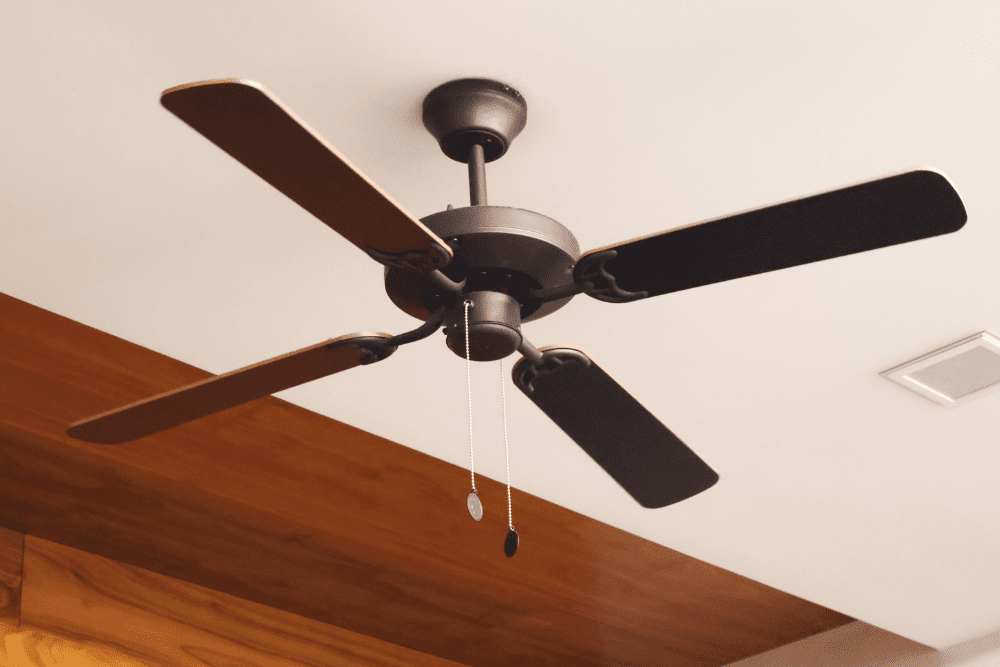
Most people believe ceiling fans cool a room, but they only create a wind chill effect that cools people by evaporating moisture from the skin. If a fan is running in an unoccupied room, it’s just wasting electricity and not changing the actual temperature of the space.
10. Browsing the Refrigerator with the Door Open

Standing in front of your refrigerator while thinking what to eat is one of the easiest ways to waste energy. Every time you open the door for an extended period, the cool air rushes out, and the appliance pulls extra electricity to recover the lost temperature, forcing the system to work harder.
9. Relying on Standby Mode for Your Cable Box or Game Console

Devices that use a remote control or have “instant-on” settings are considered energy vampires. A set-top box or DVR, in particular, can be a massive power drain, using constant energy to wait for a command. Surprisingly, your cable box can consume as much energy as your refrigerator.
8. Charging Your Phone or Laptop Past 100%
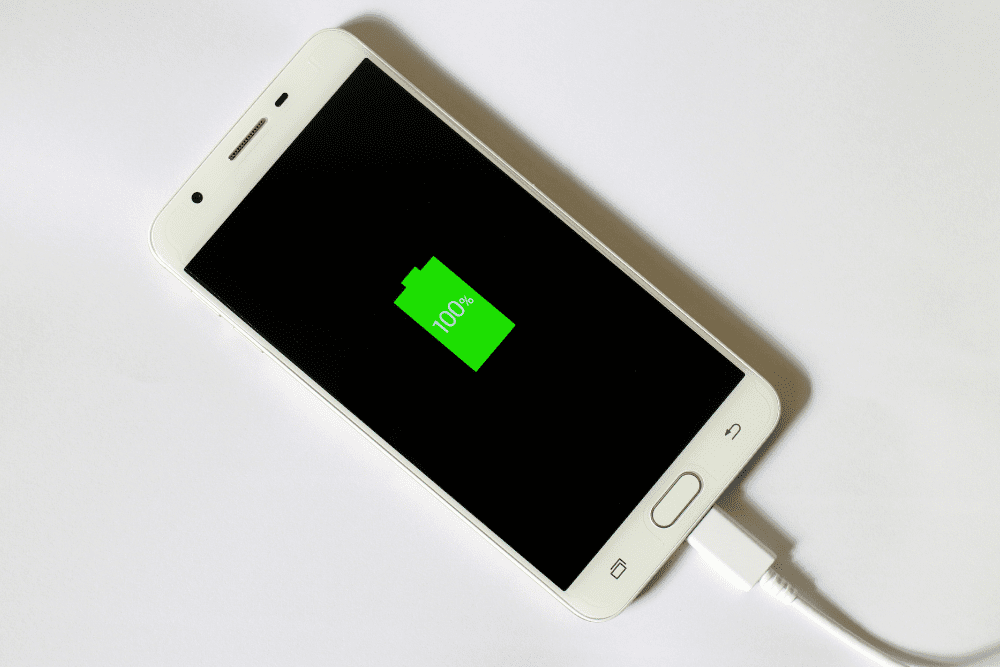
Leaving your phone or laptop plugged in overnight is convenient, but once the battery reaches 100%, the device still draws power to maintain a full charge. This wastes electricity and can even degrade your device’s long-term battery life. The easy fix is to unplug the charger from the wall and the device once fully charged.
7. Closing Interior Vents or Doors with Central Air
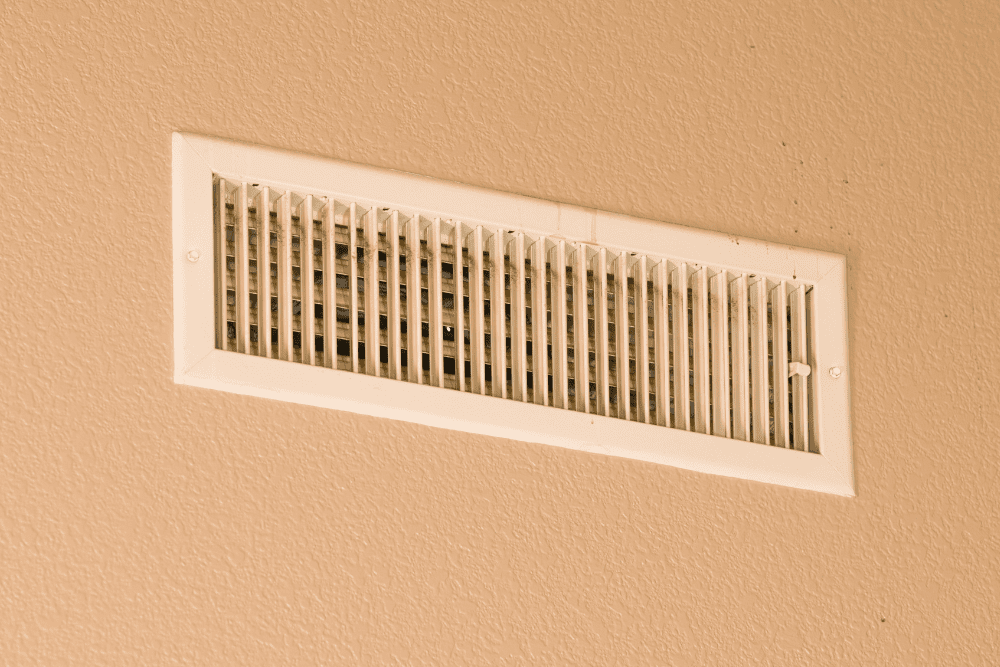
It may seem logical to close vents to unused rooms to “contain” the heating or cooling, but doing so is an energy-saving myth. Central HVAC systems are designed to work efficiently across the entire house. Closing off too many doors or vents increases the air pressure within the duct system, making the blower fan work harder and therefore increasing energy use.
6. Cranking the Thermostat Way Up or Down
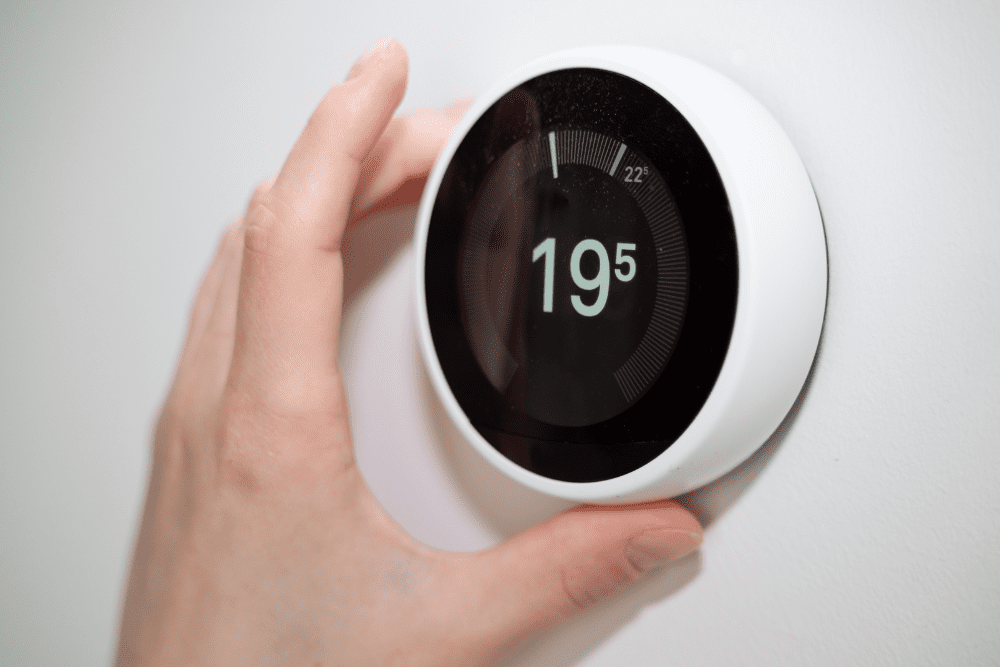
Your heating or cooling system generates heat/cool air at a steady, fixed rate. Setting the thermostat to an extreme temperature (like setting it to 80°F to heat a room to 70°F faster) will not speed up the process. It will just cause your system to work harder and waste substantial energy.
5. Washing Laundry with Warm or Hot Water
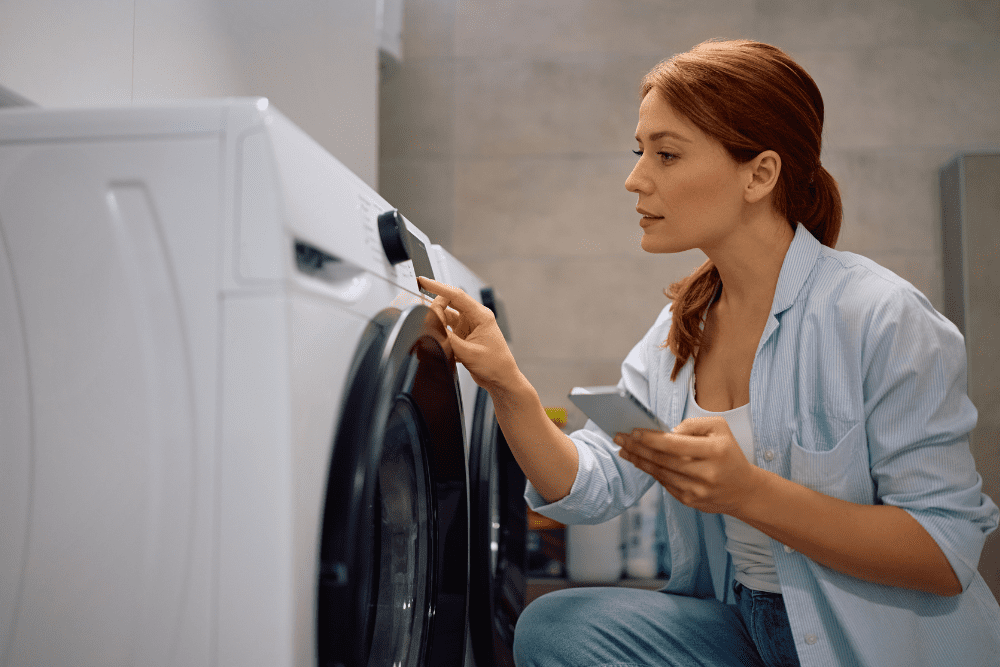
For most average washes, the use of hot water is unnecessary, as modern detergents are effective with cold water. By switching to cold water washes, you can conserve electricity by not forcing your water heater to replenish its supply of heated water.
4. Keeping Your Water Heater Temperature Too High
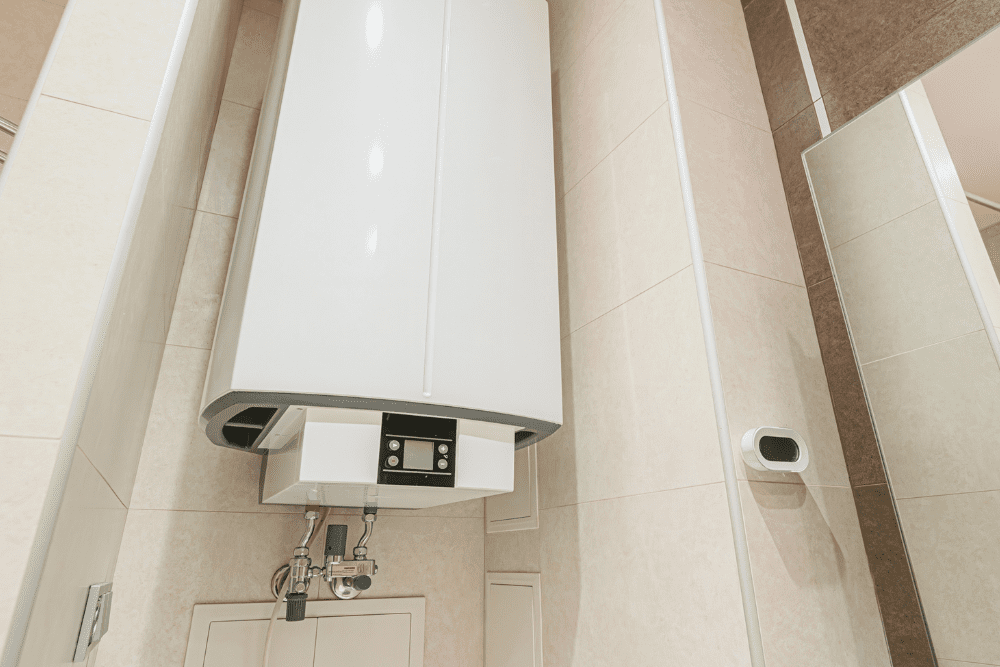
Most water heaters default to a setting of 140°F. However, turning your hot water thermostat down to 120°F is enough for bathing and dishes. This small change can save energy, prevent wear and tear, and also reduce mineral buildup and corrosion within the tank.
3. Washing a Full Sink of Dishes by Hand

While it’s more efficient to wash a few dishes in the sink, trying to wash a full load by hand can be less energy-efficient than using a modern, full-cycle dishwasher. Washing by hand often wastes far more water, as well as the energy used to heat that water.
2. Neglecting Your Refrigerator’s Condenser Coils
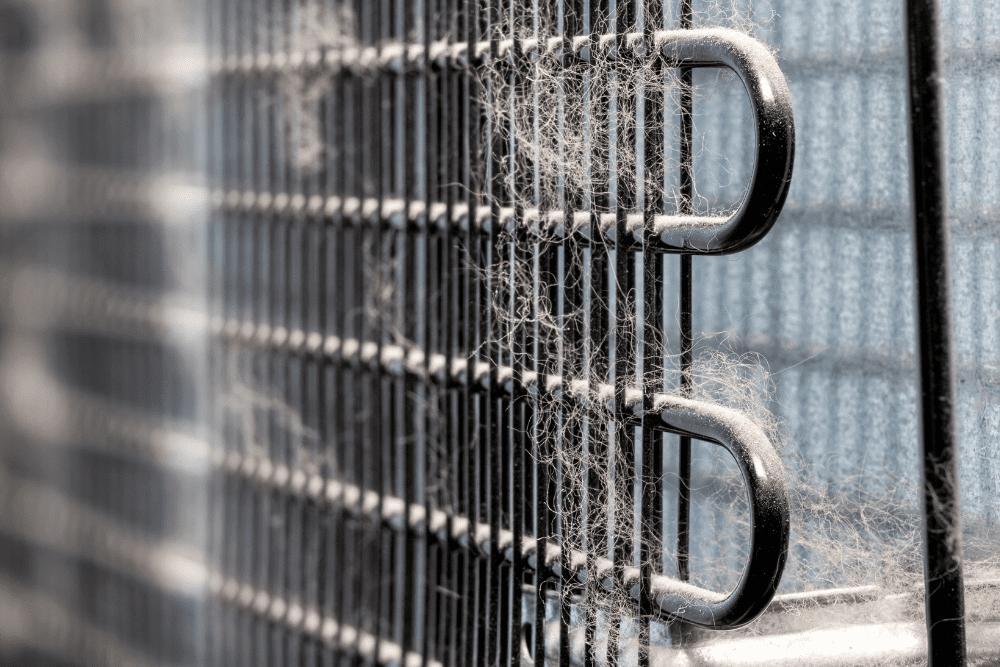
Dirt, dust, and pet hair buildup on your refrigerator’s condenser coils can limit its ability to function properly. A dirty coil forces your fridge to work harder and longer to maintain its temperature, which can result in a spike in your energy bill.
1. Leaving Lights on for Less Than 15 Minutes
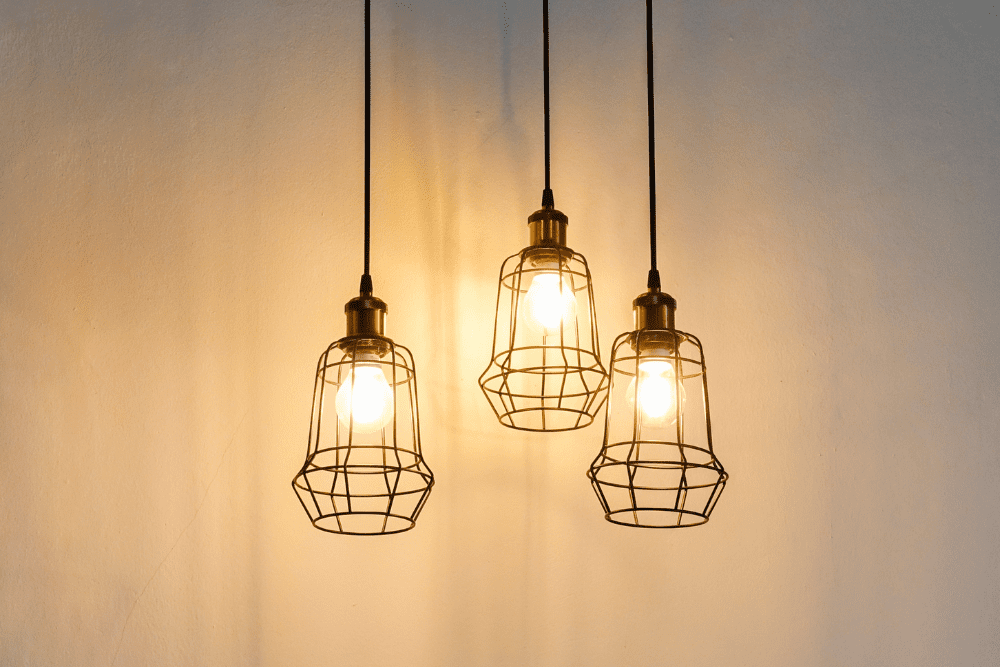
It’s true that turning a light on causes a surge of energy, but this burst lasts only a fraction of a second. The U.S. Department of Energy suggests that if you’ll be out of the room for more than 15 minutes, it’s more energy-efficient to turn off the light than to leave it on. Otherwise, the energy lost by leaving it on can be outweighed by the surge of turning it back on.