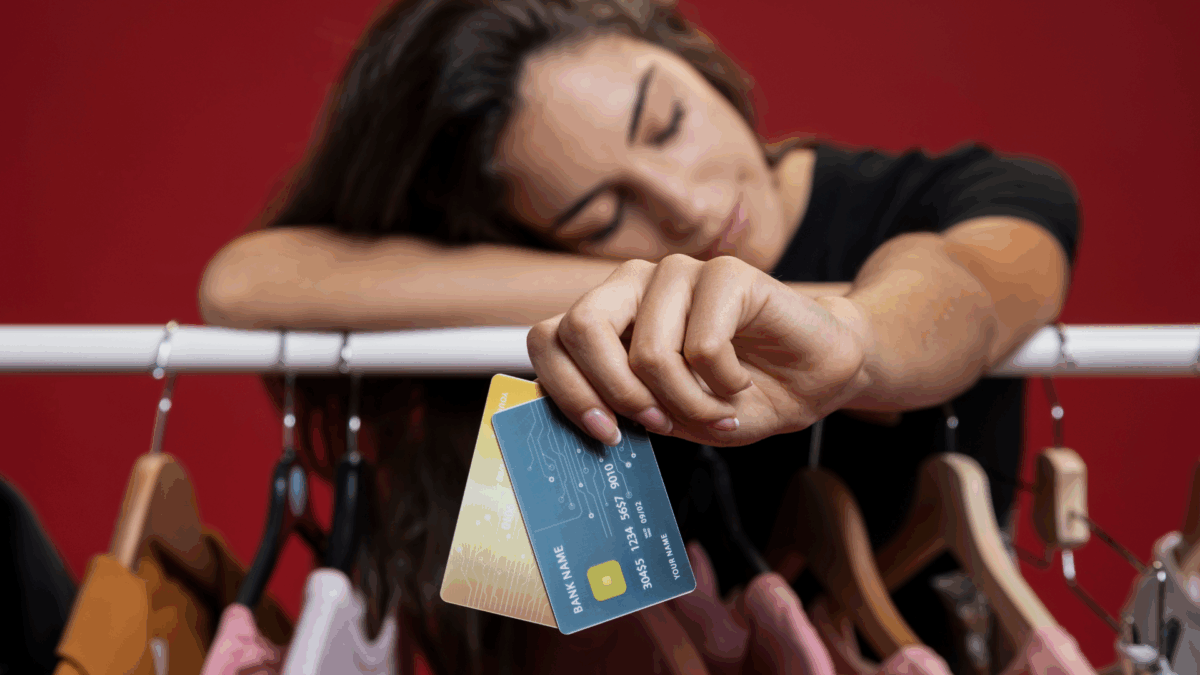
Love shopping? Here’s something you might want to know. You might be surprised to learn how money vanishes from your bank account. Yup, there’s no one to blame but your shopping habits. We’re covering the psychological tricks that retailers use to silently drain your bank account. Don’t fall prey to these 11 shopping mistakes that waste your money.
11. The Emotional Escape

Have you ever bought something that instantly cheers you up? That’s retail therapy speaking, as it gives you a temporary mood boost with a long-term financial cost. However, this habit of spending emotionally can lead to impulse buys and overspending. Eventually, this short-lived dopamine will hit when the purchase fades, as it will leave you with remorse and debt.
10. Payment Pain Paradox

We’re all too familiar with this. Swiping your credit card or using a mobile payment app can feel like we’re not spending actual money, and that’s the problem. We’ll only realize this once we get our monthly credit card statement, or just by checking our bank account balance. If you want to lessen our spending, then pay with cash to trick your brain that you’re actually paying for something with your hard-earned money.
9. Free Shipping Fallacy

Don’t let that free shipping promo get to you, as it isn’t really free. It’s just a psychological trick brands use to make you spend more on their products. Usually, retailers set a minimum spending threshold to qualify for free shipping, which will make buyers add more to their cart to take advantage of the free shipping. But in reality, the extra items cost more than the shipping fee.
8. The “Extended Warranty” Waste

Salespeople will push you to extend warranties to protect your purchase, but it’s just a waste of money. Why? They’re unreasonably overpriced and rarely used. For many products, the cost of the warranty is close to or more than the cost of repair. With this, retailers set commissions on these plans. Just put you’re money in your bank account to cover any potential repairs.
7. Brand Loyalty Blind Spot

Sticking to your favorite brands or those you’ve used since then is one costly mistake. Why not try to compare the prices with other brands and make a smart switch? You could potentially pay more for a product with the same quality. If you think about it, it’s like paying extra for the brand name.
6. The Hunger Games

Never shop for groceries on an empty stomach. That’s a familiar recipe to get you to overspend. That hunger will make you desire all kinds of food, even those you won’t pick up on a daily basis. The trick is to make sure that you’ve had a meal or even a snack that’s enough to fill you up for your grocery trip.
5. The Unit Price Illusion

If you assume that the bigger package is always the better deal, then you’re wrong. While buying in larger quantities will make us think that we’re buying cheaper per unit, it’s not always the case. Retailers can price smaller, promotional-sized items more aggressively, which would lead to a lower cost per ounce or gram. To be sure, always check the unit price on the shelf tag so you do not overpay for groceries.
4. Bulk Buying

We’ve all seen this from our parents. They tend to bulk buy as they feel like they’re saving money, but in reality, they lead to waste. Why? They tend to be unused items in your cabinet over time, which would contribute to the annual waste. Just think about it, you won’t be getting a good deal when you end up throwing them in the trash due to expiration dates.
3. Rewards Rush

Trust us, chasing your credit card rewards while carrying a balance is a losing game. Why? It’s as simple as you’re spending more while you’re still in debt. Now, the interest that you pay on that debt will outweigh the minimal cash back or points that you will earn. It doesn’t really make sense to chase something that would put you into more debt. It’s just a trick to make you use your card more often.
2. Scarcity Trap

This may seem funny to you, but it works. While online shopping, you might see the “Only 2 left in stock” label attached to an item. That’s just a psychological trick to make you buy the item for fear that they won’t get to restock it again. This causes a sense of urgency that will affect our decision-making. This tactic might be combined with the proof of “12 people are viewing this item.” Do yourself a favor by taking your time to decide whether you need the item before making a purchase.
1. Subscription Sinkhole

One silent drainer we can credit is the forgotten subscription. Many consumers underestimate their monthly subscription spending, with the actual amount being three times higher than what they think. Well, companies make it easier for consumers to sign up, but difficult to cancel as they profit from subscribers’ forgetfulness. Be smart and aggressively cancel subscriptions you aren’t using.