
America loves convenience but sometimes that convenience ends up in the trash. Meanwhile, people in other countries are turning those “throwaway” items into money-saving, eco-friendly tools. Here are 12 things Americans ditch that other countries repurpose in smarter ways.
12. Tires Into Railway Innovation
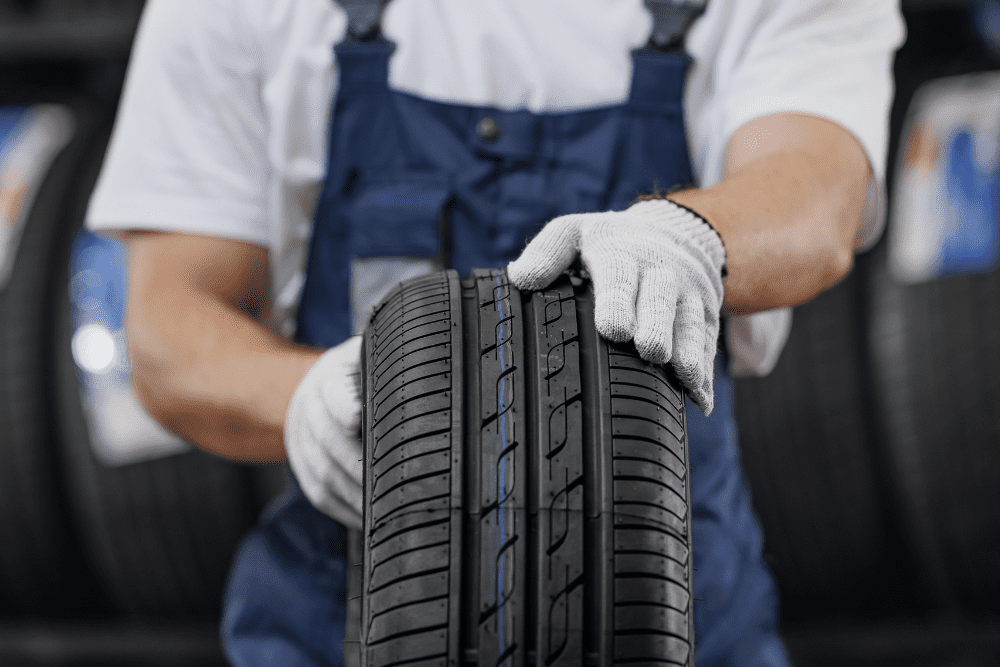
While America sends tires to landfills or ships them overseas, Europe and developing nations are getting creative. In Europe, one out of every two truck tires is retreaded, extending their life up to four times. Italy’s Greenrail company went further, developing railway sleepers made from used tires that are quieter than traditional materials and reduce concrete demand.
11. Coffee Grounds Into Biofuel
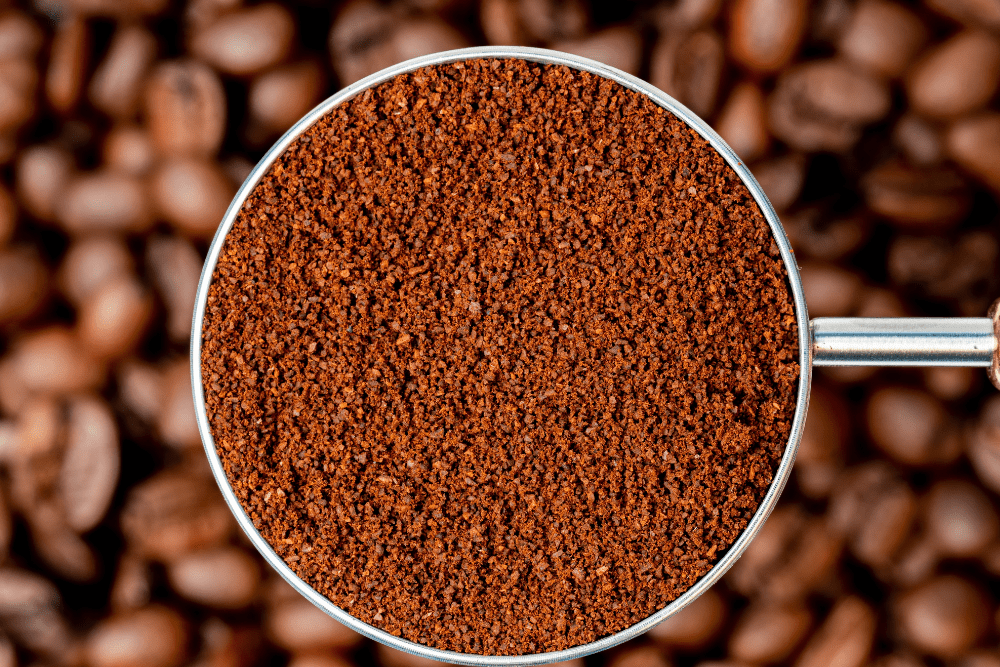
Companies in the UK, Denmark, South Korea, and Finland have developed systems to convert spent coffee grounds into biodiesel with a calorific value comparable to coal. The UK’s bio-bean company collects coffee waste from shops and factories, processing it into biomass pellets and bio-oil.
10. Furniture Into Municipal Assets

Copenhagen and Aarhus in Denmark have revolutionized municipal waste with centralized furniture reuse warehouses. Instead of sending old desks and chairs to landfills, these cities collect, refurbish, and redistribute office furniture across government departments. Meanwhile, 80% of Danish municipalities now operate repair cafés where residents can fix furniture for free.
9. Food Scraps Into Animal Feed
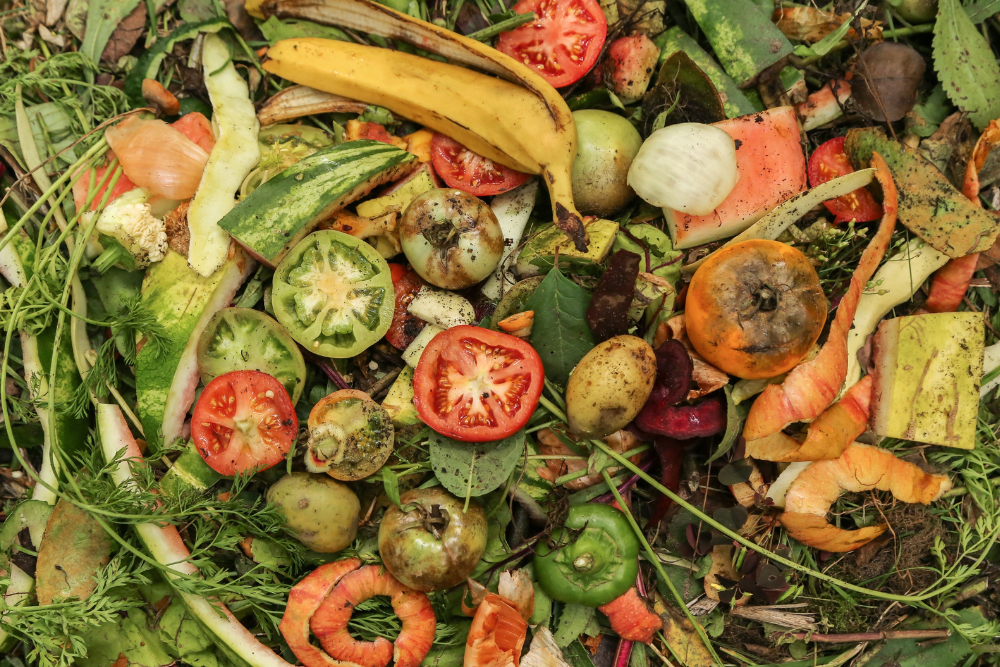
South Korea has turned food waste management into an art form. Their Weight-Based Food Waste Fee system uses RFID-equipped bins that weigh your food waste and charge accordingly. The collected waste is converted into biogas, livestock feed, and compost. This system reduced food waste in Seoul by 10% (300 tons daily) in just four years.
8. Glass Bottles Into Closed Loops
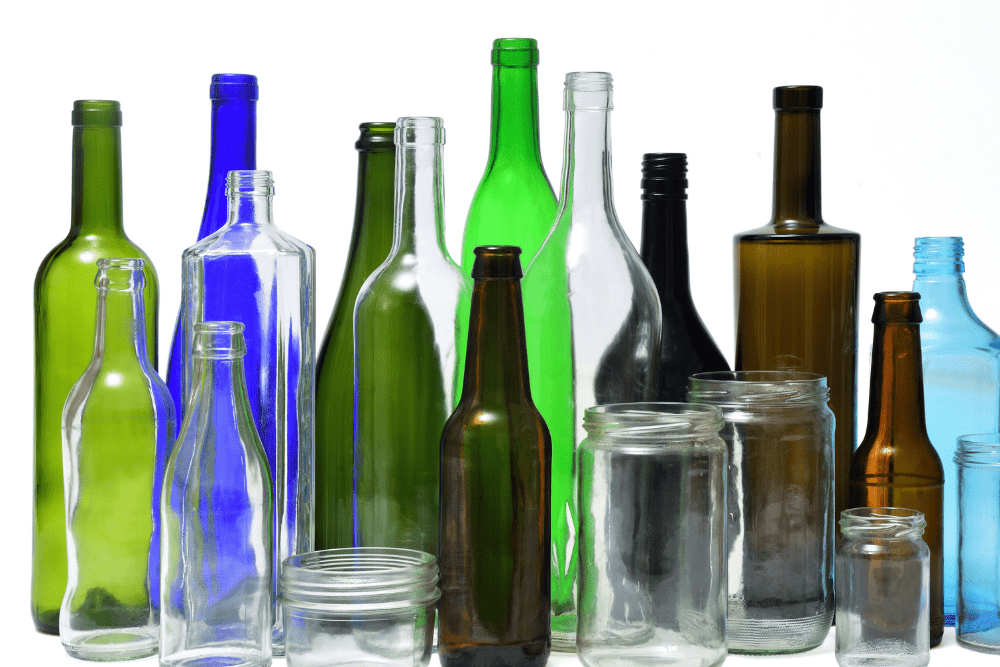
Germany, Norway, and Finland have perfected the art of glass bottle reuse. Germany’s deposit system, operating since the 1970s, charges €0.25 for single-use bottles and €0.08-0.15 for reusable glass bottles. These reusable bottles circulate through the system 25-30 times on average, with Finland achieving a 98% glass collection rate.
7. Electronics Into Repairability Scores

France revolutionized consumer electronics with mandatory repairability indexes. Since 2021, smartphones, laptops, and household appliances must display scores from 1-10 showing how easy they are to repair, including spare parts availability and price. The government also offers repair bonuses of €15-60 on 73 product categories, directly reducing consumer repair bills.
6. Textiles Into Global Relief

While the U.S. sends 11 million tons of textiles to landfills annually, Japan’s UNIQLO has built a sophisticated reuse system. Their RE.UNIQLO program collects used clothing in stores, sorts items for reuse versus recycling, and delivers wearable garments to refugee camps and disaster zones through partnerships with UNHCR.
5. Construction Waste Into New Roads
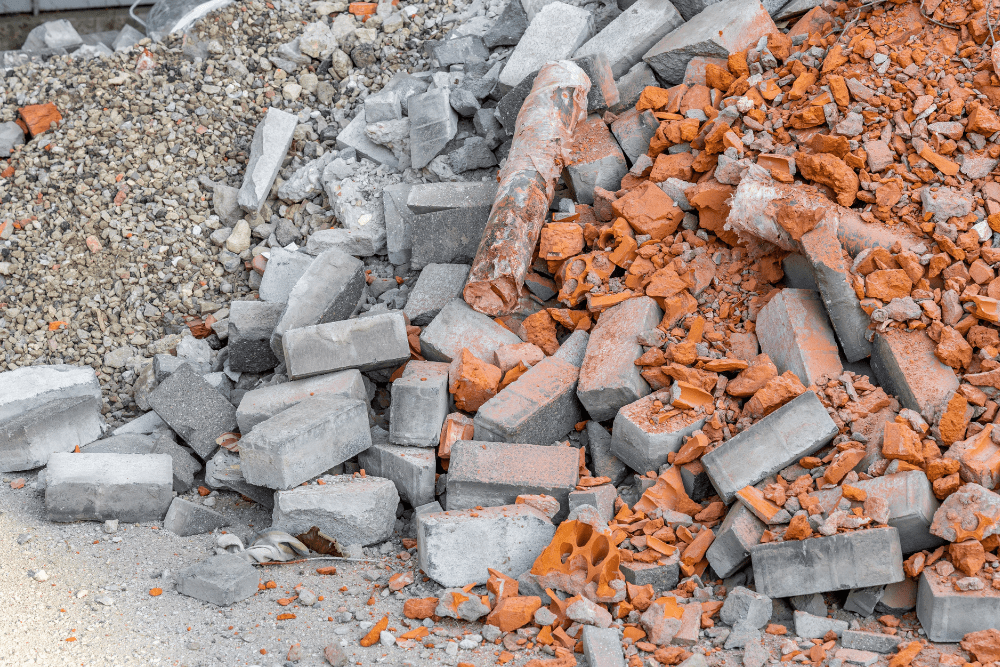
The Netherlands and Belgium have mastered construction waste recycling at rates exceeding 90%. The Dutch use demolished concrete as aggregate for new construction and roadbeds, while old asphalt gets reprocessed into new asphalt. Belgium’s system is so efficient that contractors are required by law to use minimum percentages of recycled materials in public works projects.
4. Disposable Chopsticks Into Manufactured Goods
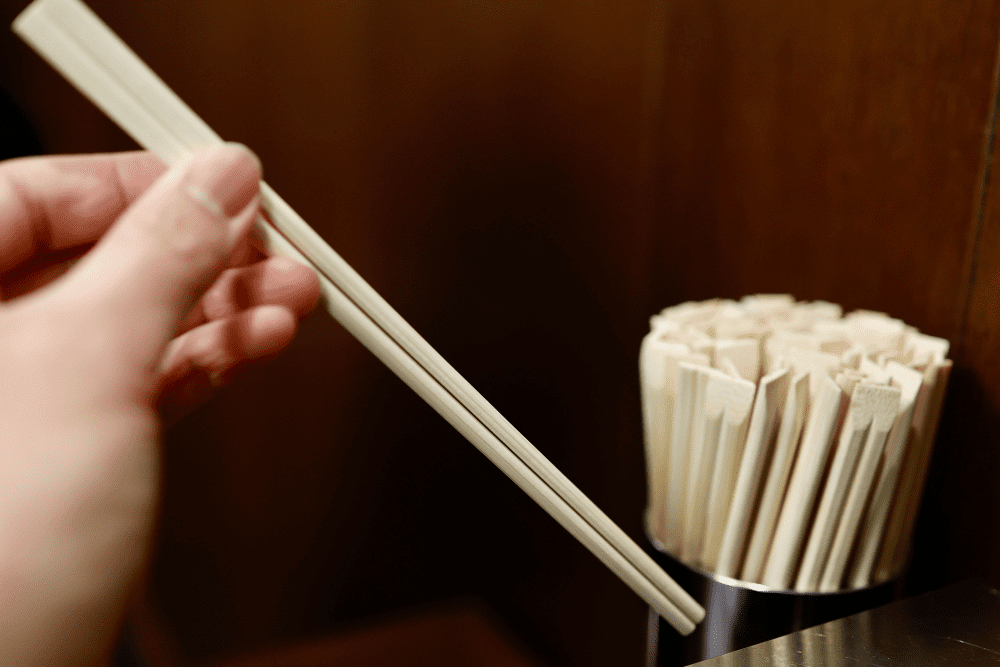
Japan and China, despite being major consumers of disposable chopsticks, have developed recycling infrastructure. Japanese companies collect used chopsticks from restaurants and convert them into paper products, construction materials, and even fuel pellets. Some regions operate chopstick recycling bins at restaurants. The goal is to reduce the 3.8 million trees cut annually for chopstick production.
3. Shipping Containers Into Affordable Housing
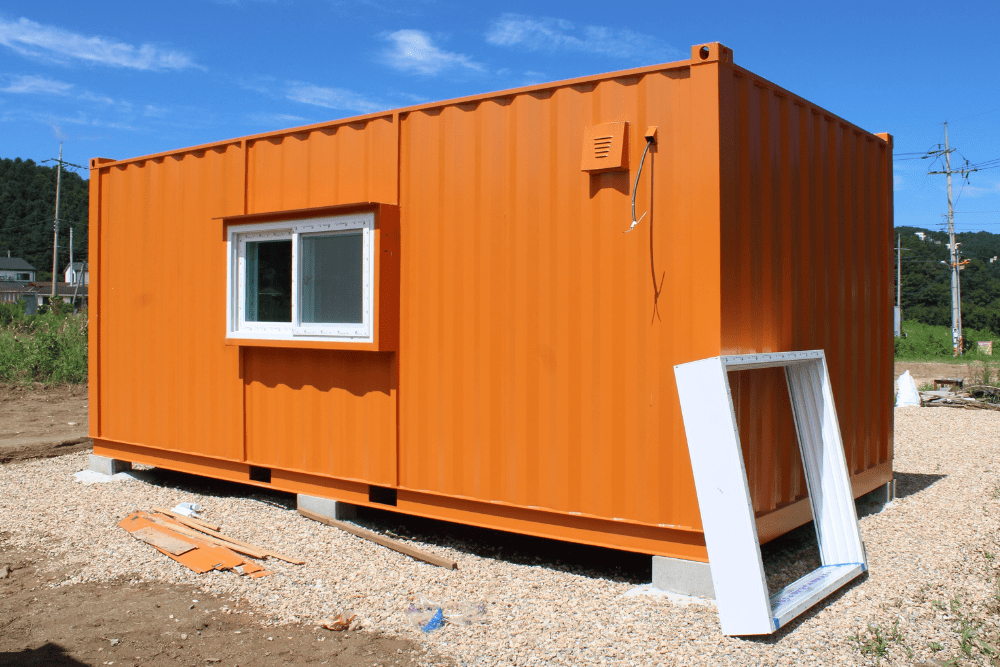
The Netherlands, Denmark, and South Africa have pioneered shipping container architecture. Student housing, emergency shelters, and even upscale apartments are built from retired containers. Amsterdam’s Keetwonen complex houses 1,000 students in converted containers, offering affordable housing while reusing materials that would otherwise be scrapped.
2. Rainwater Into Urban Water Supply
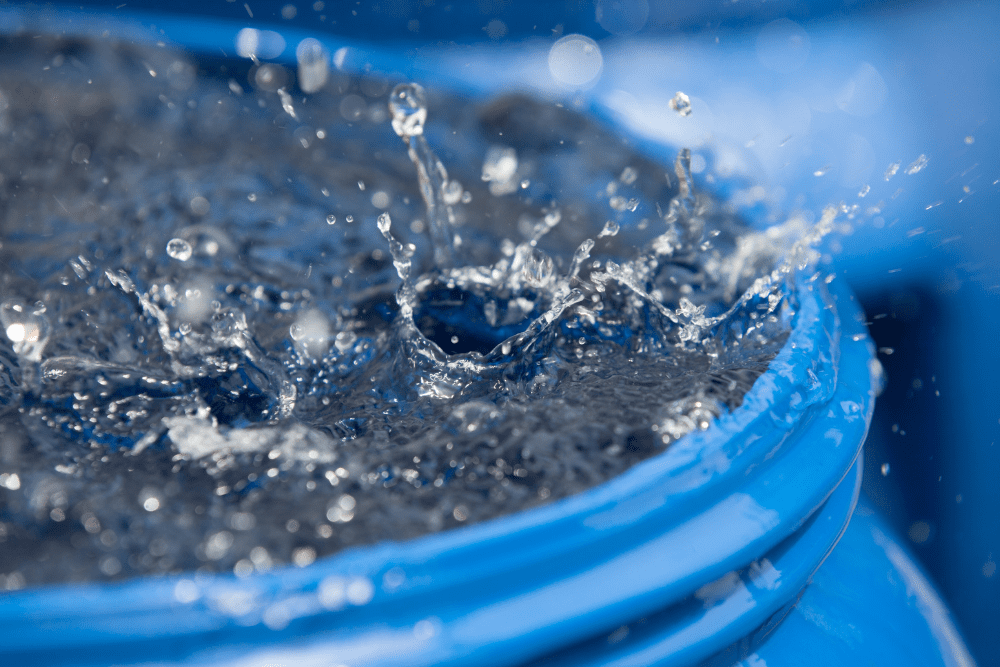
Australia and Singapore treat rainwater as a resource, not waste. Singapore’s NEWater system purifies wastewater to drinking standards, meeting 40% of the nation’s water needs. Australian cities require new buildings to have rainwater tanks, collecting roof runoff for toilets, gardens, and laundry.
1. Organic Waste Into District Heating
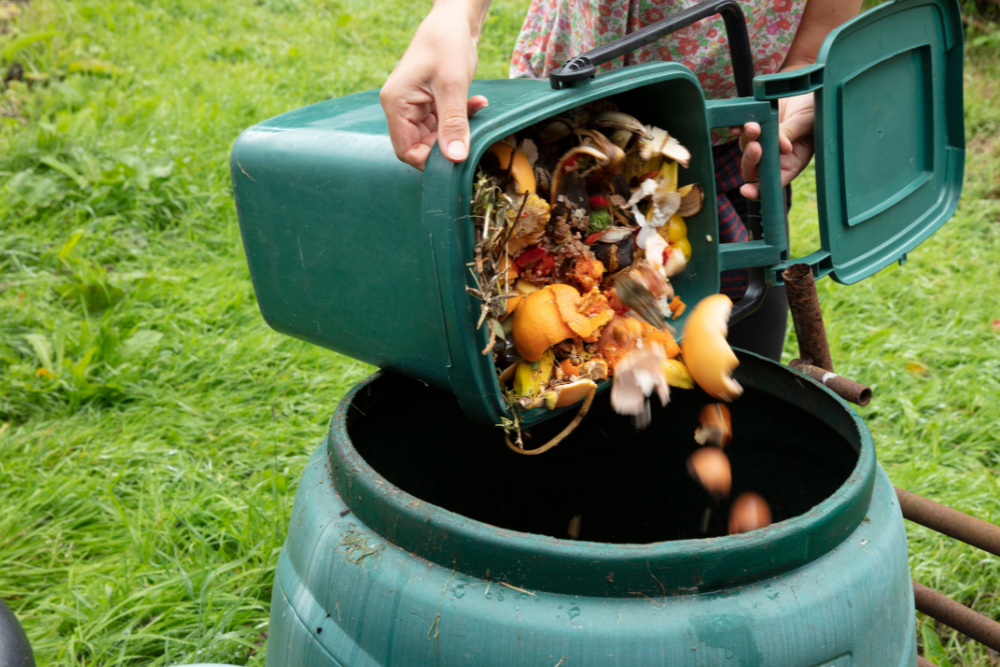
Sweden and Denmark convert organic waste into biogas that heats entire districts. Stockholm’s waste-to-energy plants are so efficient that the city imports trash from other countries to fuel its heating system. The biogas powers public buses and provides district heating to tens of thousands of homes.